10 houseplants that are dangerous for cats (and what to grow instead)

One morning you notice tiny bite marks on a leaf of the monstera in your living room. The culprit is obvious: your cat, lounging on the couch as if nothing happened. Most of the time, a nibble like this passes without any trouble. But with a few plants that are very common in our homes, even a single bite can change a lot.
In this article, you'll learn to recognize those plants from their photos, find out in advance what to do if your cat eats one, and see easy ways to make your home cat-friendly. All the information comes from trusted animal health sources: the US animal poison control center run by the ASPCA, the US Food and Drug Administration (FDA), the Cornell University Feline Health Center and the cat welfare charity International Cat Care.
- Lilies are among the most dangerous flowers for cats: the pollen, the leaves, even the water in the vase can damage the kidneys.
- Sago palm, oleander and azalea can affect the liver or the heart.
- Pothos, dieffenbachia and monstera burn the mouth and can cause drooling and vomiting.
- If your cat has eaten any of these, call your vet without waiting for symptoms; don't try to make your cat vomit at home.
Why do cats chew plants?
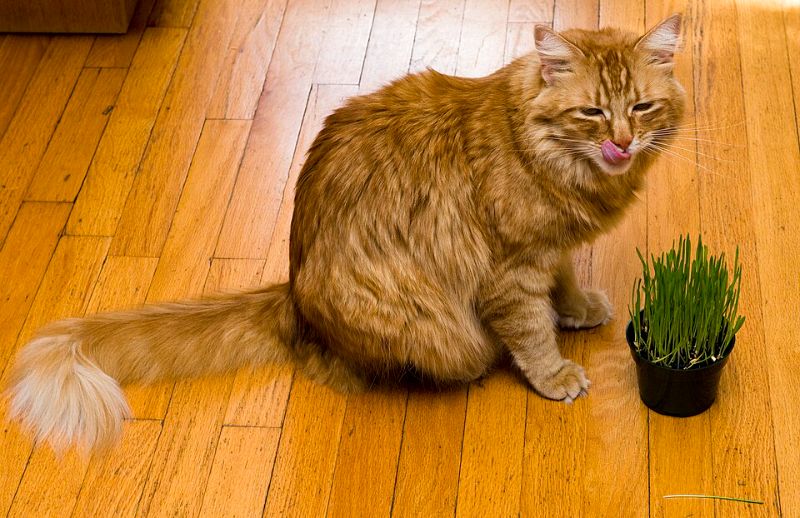
Cats are meat eaters, but they love eating grass. The exact reason isn't known; according to International Cat Care, it's thought to help with digestion and with bringing up hairballs. A cat that can't go outside and can't find grass may try to meet this need with the potted plants in your living room.
Cats usually avoid eating harmful plants. The risk is highest in kittens and curious young cats, and in bored cats. To a cat, a swaying leaf is often just a new toy.
The most important one: lilies
According to the FDA, every part of lilies and daylilies is dangerous for cats: the leaves, the stem, the flowers, the pollen, even the water in the vase. Just licking pollen off its fur can be enough. Cornell University writes that even a single bite of an Easter lily can lead to kidney failure.
The FDA's clear advice: if you have a cat, don't bring these plants into your home at all, and if your cat goes outdoors, don't plant them in your garden either.
Lilies and daylilies Lilium, Hemerocallis
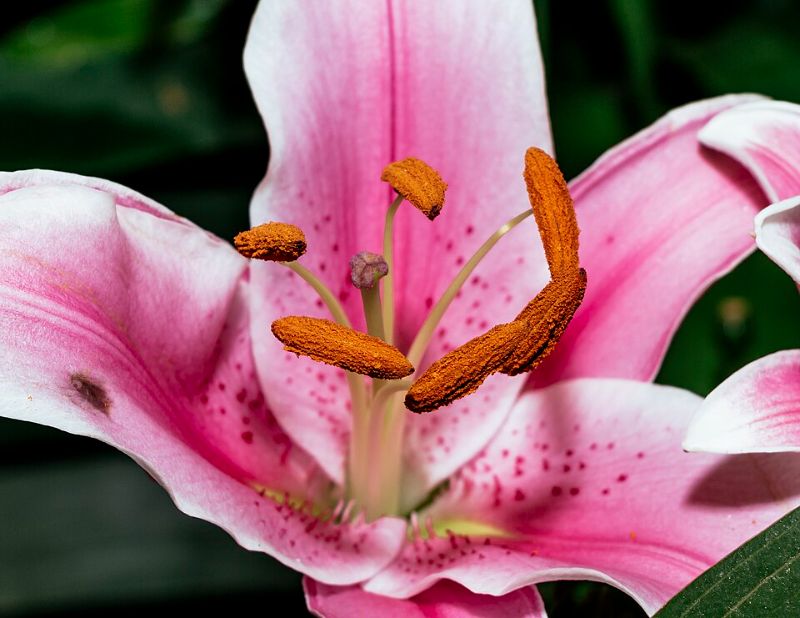

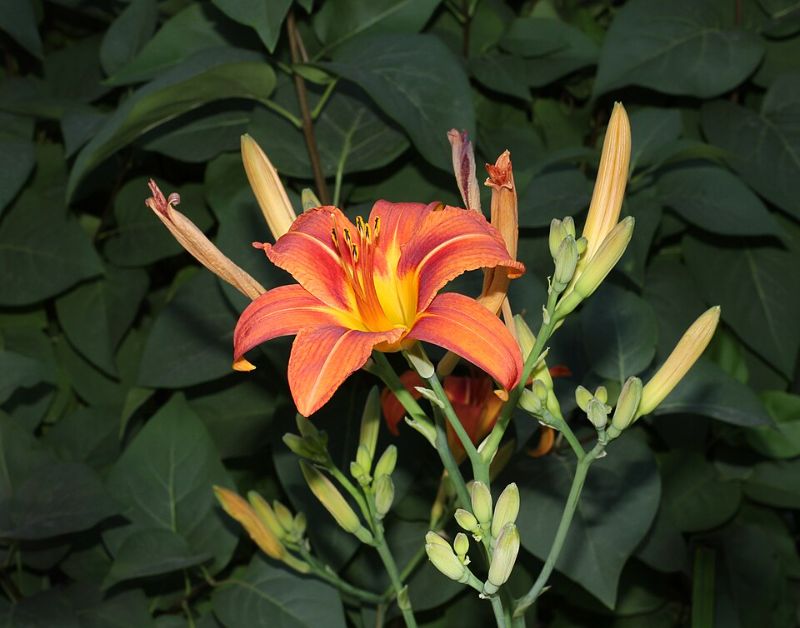

Why is it so dangerous? The toxin in lilies still hasn't been identified; what is known is that it damages the kidneys of cats only. In dogs, it usually goes no further than a mild stomach upset.
Time matters a lot. According to the FDA, the first signs (lethargy, drooling, vomiting, loss of appetite) can start within the first 12 hours, and kidney failure can develop within 24–72 hours. Early treatment greatly improves the outcome; if treatment is delayed by 18 hours or more, the kidney damage is often irreversible.
Where will you come across them? Most often in florist bouquets. If you're bringing flowers to a home with cats, choose a lily-free bouquet; if someone sends you a bouquet, take a look inside.
Peace lilies and calla lilies aren't true lilies; they don't cause kidney failure, but they can cause irritation of the mouth and throat, drooling and vomiting. Lily of the valley, on the other hand, can disrupt the heart rhythm and is dangerous for both cats and dogs. (FDA)
Plants that can be life-threatening
Sago palm Cycas revoluta
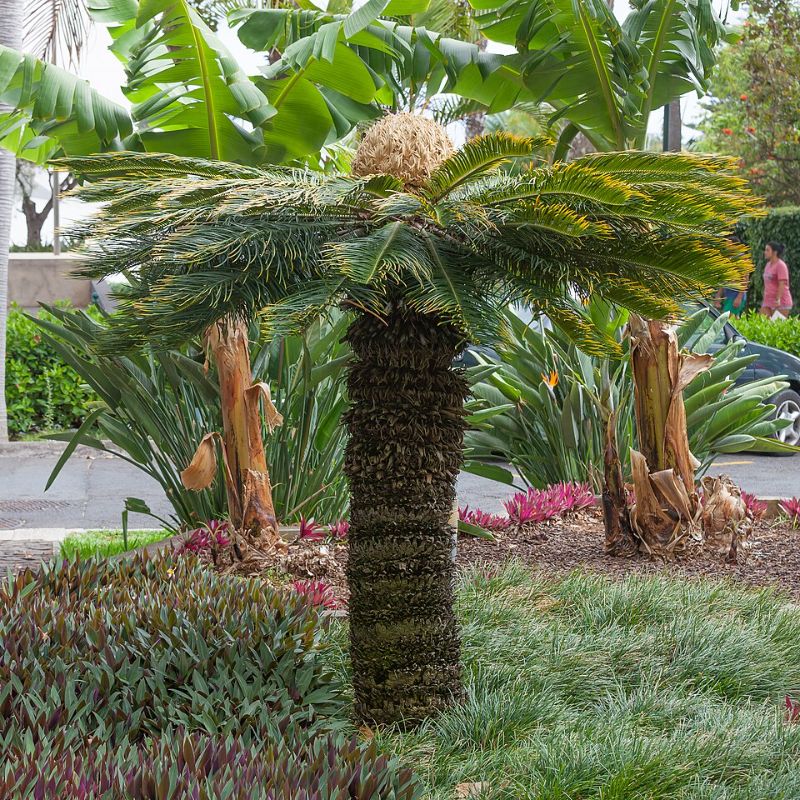

It looks like a small palm tree and is sold in pots at florists and large supermarkets. The ASPCA lists it among the plants that are toxic to cats and dogs; it can cause liver damage, and even death.
Signs reported by the ASPCA: vomiting, black stools, yellowing of the skin and eyes, liver damage.
Oleander Nerium oleander
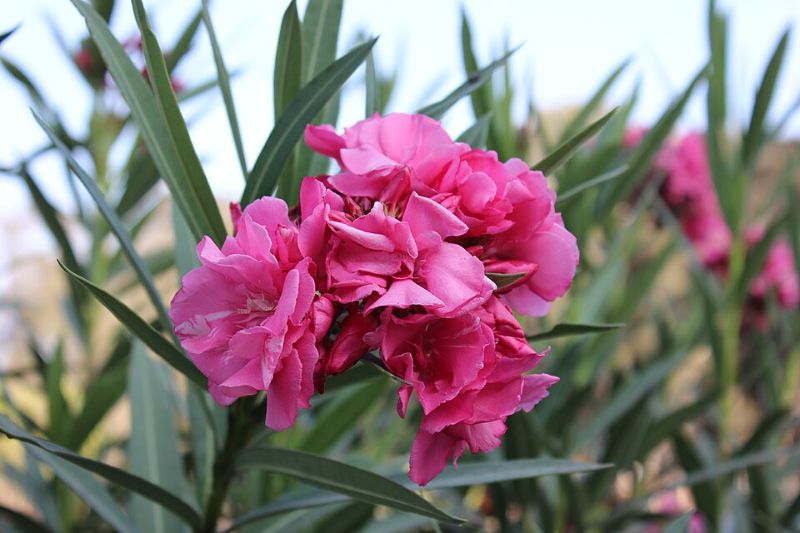

Very common along roadsides, in gardens and on balconies in Turkey's coastal cities. It contains substances that affect the heart (cardiac glycosides).
Signs reported by the ASPCA: drooling, abdominal pain, diarrhea, listlessness.
Azalea (rhododendron) Rhododendron
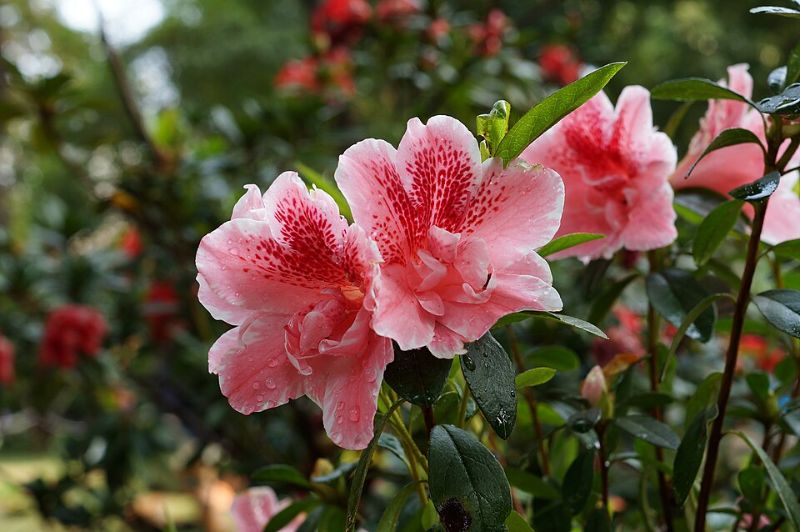

A plant covered in flowers that's often given as a potted gift. The grayanotoxin it contains can affect the heart.
Signs reported by the ASPCA: vomiting, diarrhea, weakness; in severe cases, heart failure.
Cyclamen Cyclamen
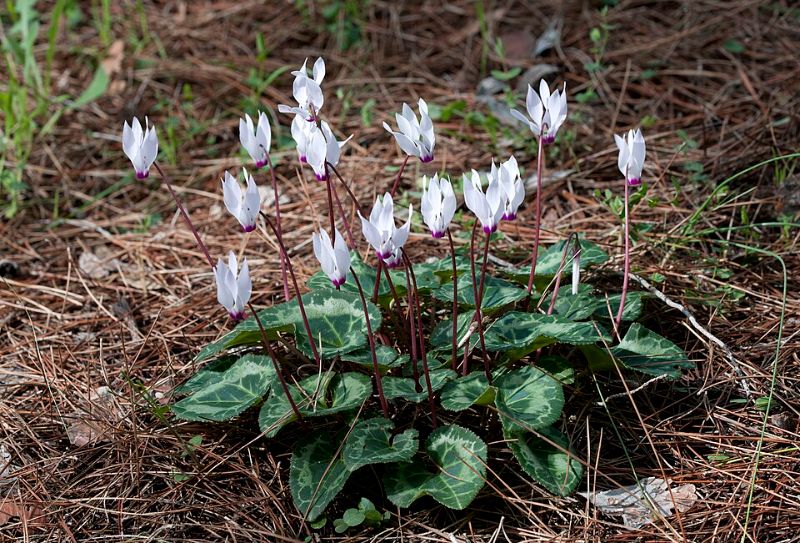

One of the best-selling potted flowers at florists in winter. The greatest risk is in the tuber under the soil: if your cat digs in the pot and chews the tuber, more severe signs can appear.
Signs reported by the ASPCA: drooling, vomiting, diarrhea; if a lot of the tuber is eaten, heart rhythm problems and seizures.
Plants that irritate the mouth and stomach
The leaves of the first three plants in this group contain needle-like crystals (insoluble calcium oxalate) that are invisible to the eye. When a cat bites a leaf, these crystals pierce its mouth, tongue and throat. That's why a cat may paw at its face, drool or foam at the mouth. It's usually not life-threatening, but it's very uncomfortable; rarely, swelling in the throat can make breathing difficult.
Golden pothos (devil's ivy) Epipremnum aureum
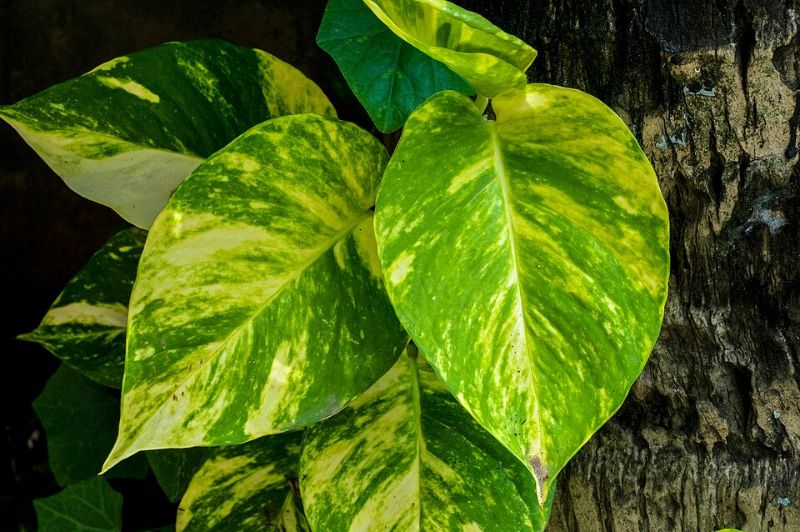

One of the easiest houseplants to care for, trailing down from shelves and the tops of cabinets. Those dangling vines are the perfect toy for a cat.
Signs reported by the ASPCA: burning of the mouth, lips and tongue, excessive drooling, vomiting, difficulty swallowing.
Dieffenbachia (dumb cane) Dieffenbachia
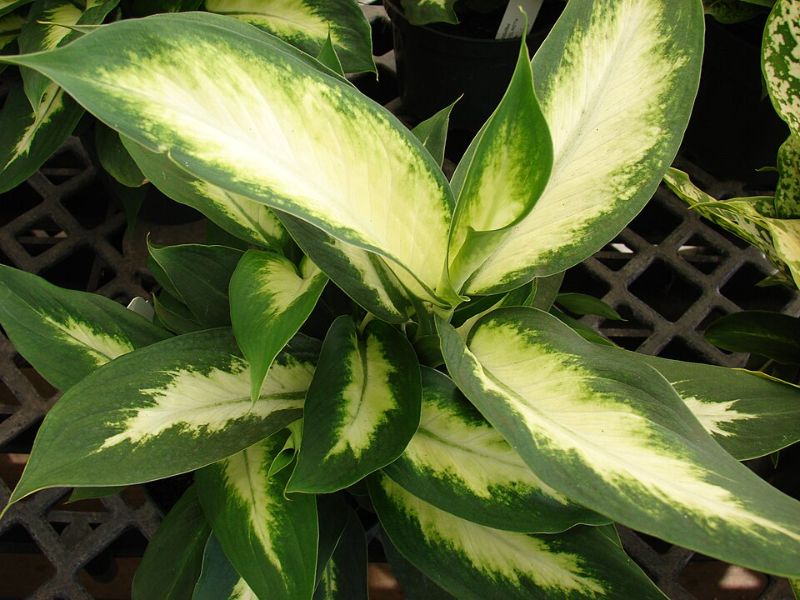

International Cat Care lists dieffenbachia, together with lilies, among the particularly dangerous plants; it's also often used in flower arrangements.
Signs reported by the ASPCA: irritation of the mouth, drooling, vomiting, difficulty swallowing.
Monstera (Swiss cheese plant) Monstera deliciosa
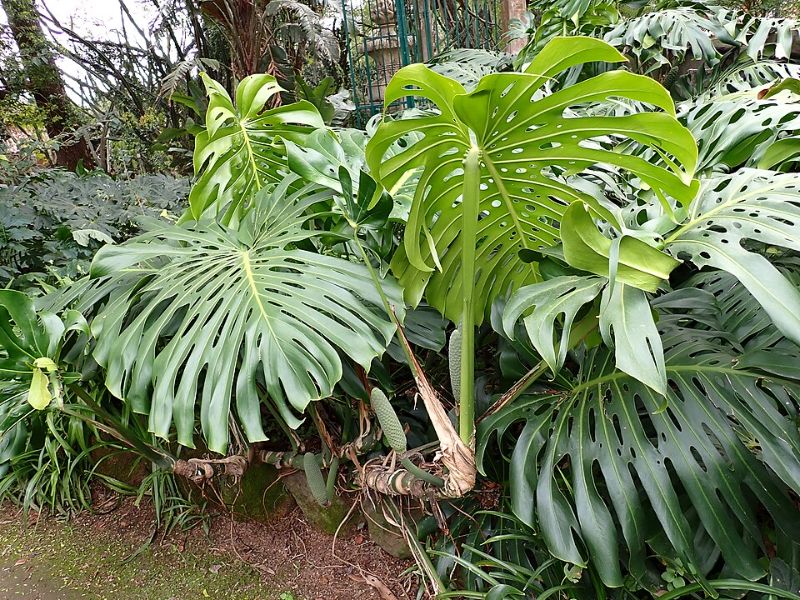

The most popular houseplant of recent years. Its large leaves with holes catch cats' attention too.
Signs reported by the ASPCA: irritation of the mouth, drooling, vomiting.
Aloe vera Aloe
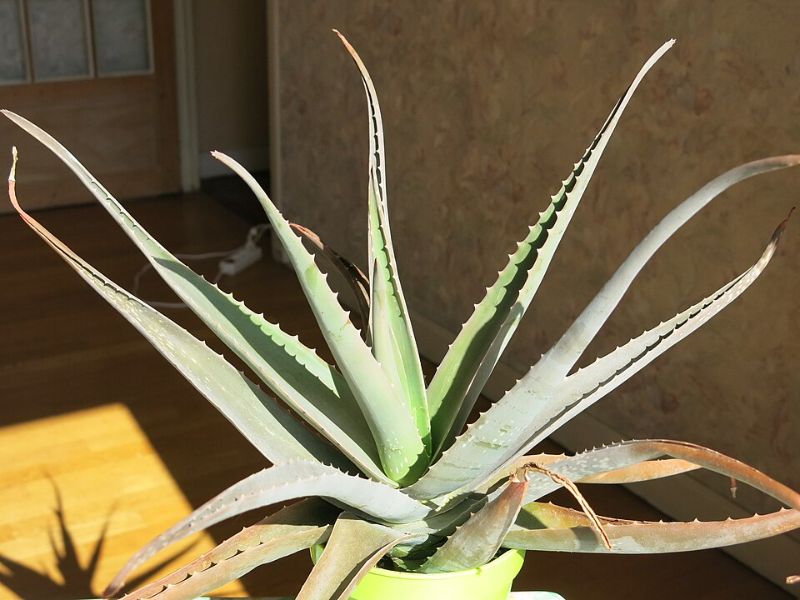

Because people use it in skin care, it's often assumed to be harmless for cats too. The ASPCA lists aloe among the plants that are toxic to cats.
Signs reported by the ASPCA: vomiting, lethargy, diarrhea.
Kalanchoe Kalanchoe
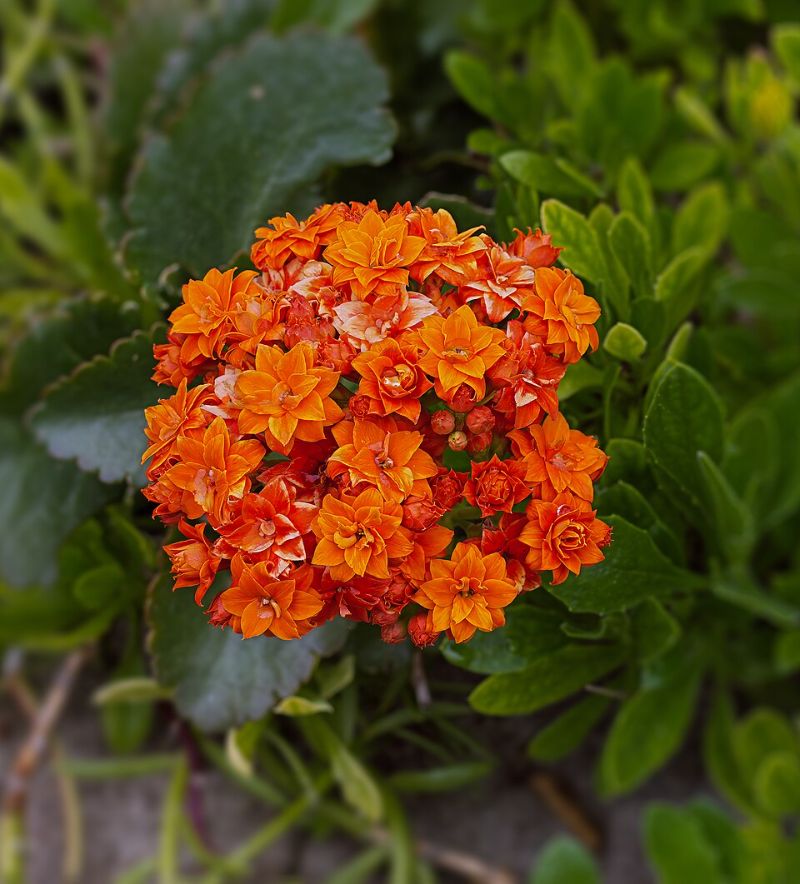

With its fleshy leaves and colorful little flowers, it's a florist staple.
Signs reported by the ASPCA: vomiting, diarrhea; rarely, an abnormal heart rhythm.
Other common plants on the list
The ASPCA's list of plants toxic to cats also includes these, which we often see in homes and on balconies:
According to International Cat Care, in plants that grow from bulbs and roots, the riskiest parts are often the bulb, the roots and the part of the stem below the soil. Don't store tulip and daffodil bulbs anywhere your cat can reach them.
What to do if your cat eats one
It's best to read this now, at a calm moment, so these steps come to mind if you ever panic:
- Move your cat away from the plant, and get the plant out of reach.
- Call your vet right away. Don't wait, even if there are no symptoms: with some plants, such as lilies, signs start hours later, and early treatment changes the outcome.
- Take the plant's label or a photo of it with you. Note when your cat ate it and any signs you've seen; your vet will ask about these.
- Don't try to make your cat vomit or give it medicine at home. According to Cornell, some poisons do more damage on the way back up. Let your vet decide what to do.
Poisonings don't keep office hours. Find out today which vet clinic in your area is open 24/7, and save its number in your phone.
6 ways to make your home cat-friendly
- 1. Learn the names of the plants in your home. Don't throw away their labels. If there's a plant whose name you don't know, take a photo and ask your florist.
- 2. Don't buy lilies at all. Not as cut flowers, not in pots. That's the FDA's advice.
- 3. Check any bouquets you receive. Lilies and dieffenbachia are often used in flower arrangements.
- 4. Be extra careful with kittens and indoor cats. International Cat Care recommends not keeping any dangerous plants at all in homes with these cats.
- 5. Give your cat its own grass. For cats that can't go outside, International Cat Care recommends ready-grown "cat grass" or growing grass in a pot at home. The urge to chew gets directed somewhere harmless.
- 6. Don't leave pruned branches or uprooted plants lying around. Cats may chew them out of curiosity.
Note: Putting a plant on a high shelf often isn't enough; cats jump, and they reach for dangling stems.
Safer plants for cats
You don't have to give up on greenery. According to the ASPCA, these are non-toxic to cats:
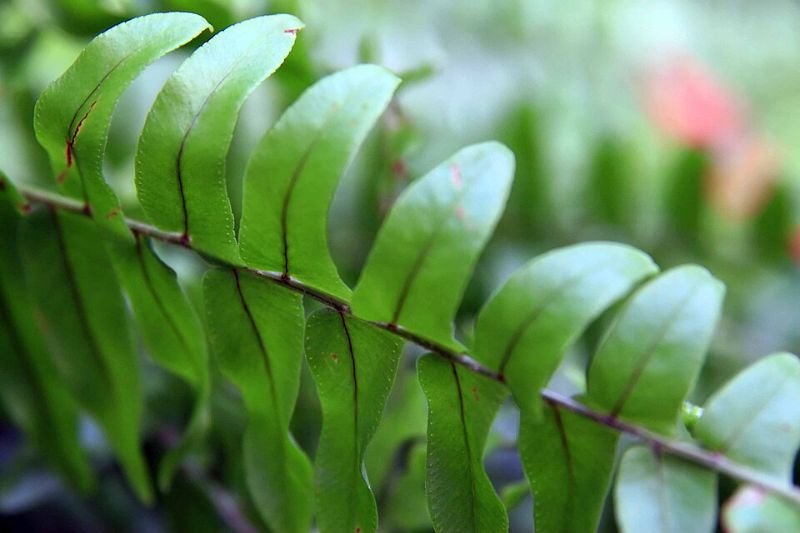 Boston fern

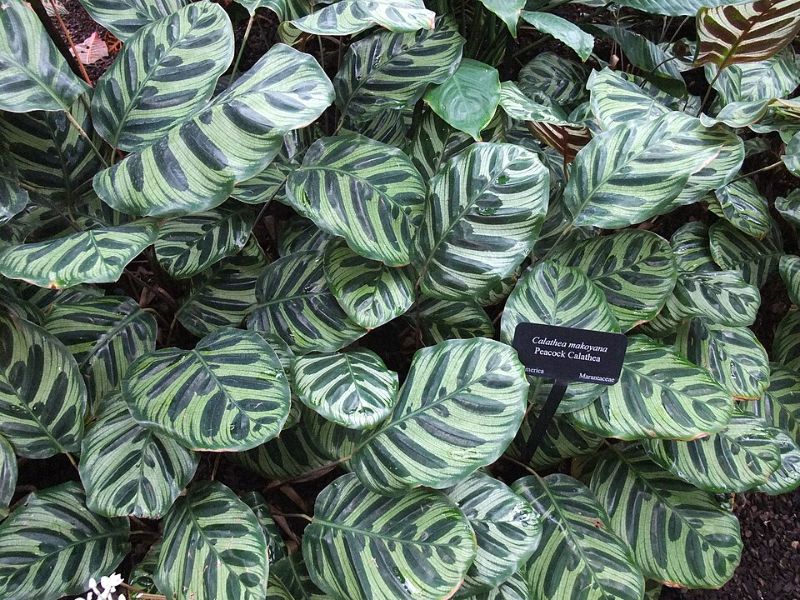 Calathea

Non-toxic doesn't mean your cat should eat it. According to International Cat Care, any plant, even ordinary grass, can upset the stomach and cause vomiting.
Frequently asked questions
My cat bit a leaf but nothing happened. Should I still call?
Yes, especially if the plant is on this list. With plants like lilies, signs can start hours later, and early treatment makes a big difference to the outcome. Your vet will tell you what to do based on the plant and your cat.
My cat only sniffed a lily. Is that a problem?
With lilies, the risk doesn't only come from eating them: according to the FDA, pollen can get on the fur and be swallowed during grooming. If your cat went near a lily and there's pollen on its face or fur, call your vet.
Are the same plants dangerous for dogs?
According to the ASPCA, most of the plants on this list are toxic to dogs too. There's one difference: lilies cause kidney failure in cats, while in dogs they usually cause only a mild stomach upset (FDA).
The plant in my home isn't on this list. Is it safe?
Not necessarily. This article covers the most common plants; the ASPCA's list is much longer. For any plant you're unsure about, check the ASPCA's list or ask your vet.

Make calling in an emergency a single tapSave your clinic's number in Tüylüm: Health › My vet. You can also mark it "open 24/7" and call it with a single tap.
Sources
- ASPCA Animal Poison Control: List of plants toxic and non-toxic to cats; plant pages: sago palm, oleander, azalea, cyclamen, golden pothos, aloe, kalanchoe, Boston fern, calathea, spider plant
- U.S. FDA: Lovely Lilies and Curious Cats: A Dangerous Combination
- Cornell Feline Health Center: Easter Peril: Look Out for Lilies and Other Items
- International Cat Care: Poisonous plants; Why do cats..? (eating grass)
Prepared by: Tüylüm · Published and last checked: October 24, 2026. If you spot a mistake, write to [email protected] and we'll fix it right away. Photos are from Wikimedia Commons, used under the license shown below each photo.