Dogs in hot weather: hot cars, walk times and the signs of heatstroke
A dog left in the car outside the corner store because "I'll be back in five minutes". A midday walk on pavement hot enough to burn. Both seem completely ordinary, but for dogs they can be life-threatening. Dogs can't cool down by sweating the way we do; they mostly lower their body temperature by panting, and in hot weather that quickly stops being enough.
- Never leave your dog in the car. Even in the shade with the windows cracked, a car can reach deadly temperatures within minutes.
- Walk early in the morning or in the cool of the evening. Put your hand on the pavement for 5 seconds; if it's too hot for you, it's too hot for paws.
- Flat-faced breeds (French bulldogs, pugs, English bulldogs), older dogs, puppies and overweight dogs are at greater risk.
- Signs of heatstroke: Heavy panting that continues even after your dog stops, weakness, staggering, drooling, vomiting, diarrhea, collapse, seizures. Call your vet right away.
Leaving a dog in the car: even "one minute" is too long
According to the American Veterinary Medical Association (AVMA), the inside of a parked car heats up very quickly, even when it's only mild outside. According to measurements shared by the AVMA, the inside of the car warms up by roughly:
| Time | Temperature rise inside |
|---|---|
| 10 minutes | About 10 °C |
| 20 minutes | About 16 °C |
| 30 minutes | About 19 °C |
| 1 hour | About 24 °C |
So when it's 25 °C (77 °F) outside, the inside of the car can reach about 35 °C (95 °F) after 10 minutes. The AVMA notes that this rise follows a similar pattern almost regardless of the outside temperature.
The AVMA and Dogs Trust say the same thing: don't leave your dog in the car, not even in the shade or with the windows cracked. According to Dogs Trust, a dog can die in a hot car within minutes.
If you're going on a trip, choose the cooler hours, take frequent breaks and make sure your dog always has water.
Walks: timing and surface
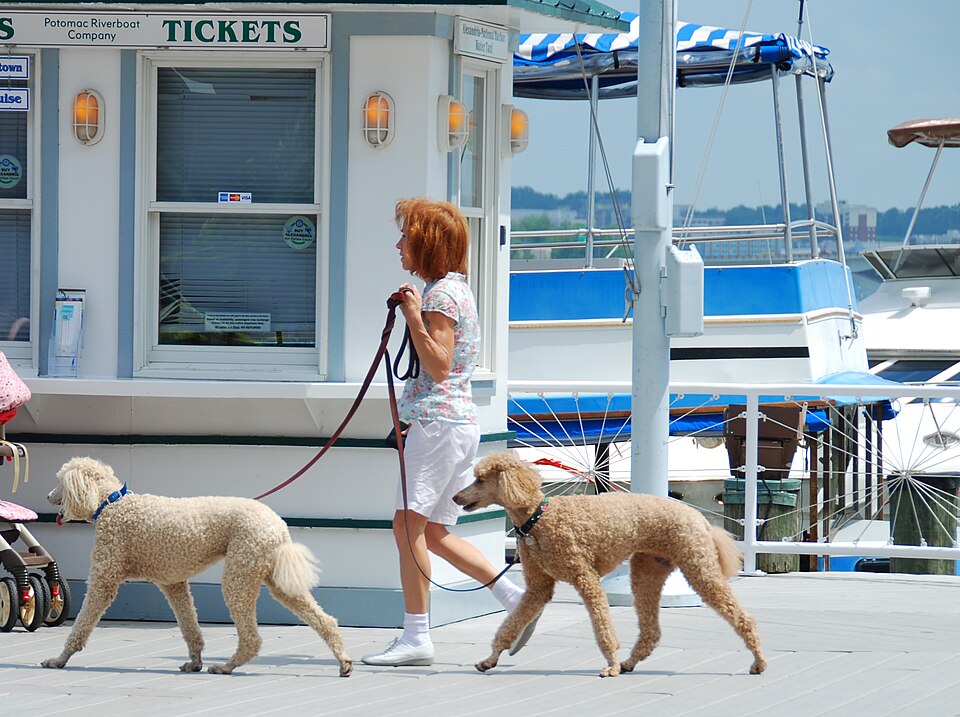
The RSPCA and PDSA draw particular attention to one thing: dogs don't only die in hot cars, but also on hot walks. Exercise is the most common trigger of heatstroke.
- Timing: Dogs Trust recommends walking early in the morning or in the evening once it has cooled down.
- The 5-second test: Put your hand on the pavement and wait 5 seconds. If it's too hot for you, it's too hot for your dog's paws too; save the walk for later.
- Pace: In the heat, avoid running, ball chasing and long walks; take short walks in the shade.
- During a heat wave: PDSA says that not walking at all may be the safest option, especially for flat-faced dogs. Sniffing games at home are a good alternative: sniffing games.
Which dogs are at greater risk?
According to Dogs Trust, these dogs are more affected by heat:
- Flat-faced breeds: Such as English bulldogs, pugs and French bulldogs. The shape of their noses and airways makes it harder for them to cool down by panting.
- Older dogs and puppies
- Overweight dogs
- Dogs with health problems
Be extra careful with these dogs on hot days, and talk to your vet about how much exercise is right for them.
Keep it cool at home
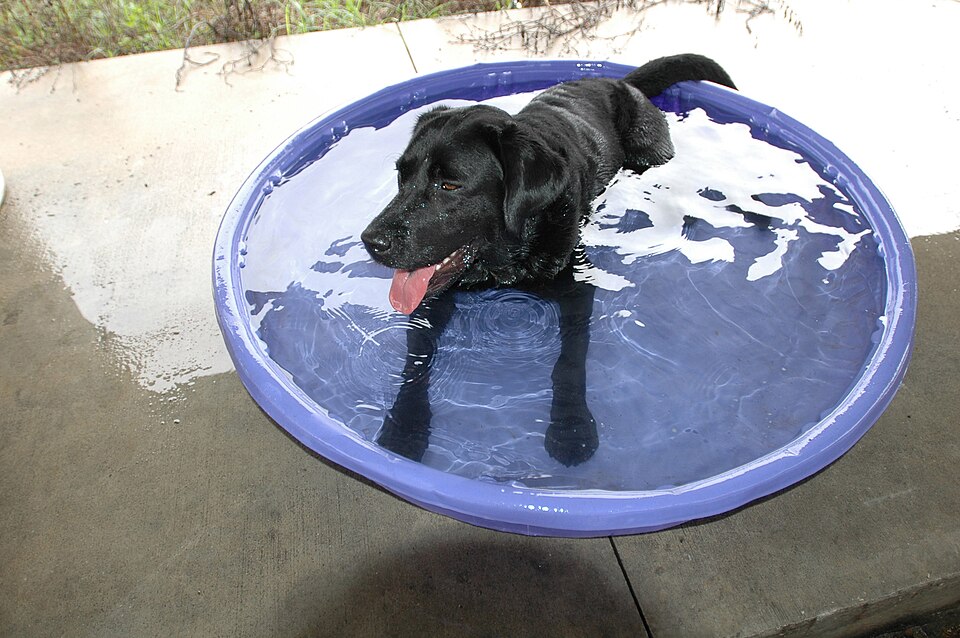
Dogs Trust's most basic advice: your dog should be able to reach shade and plenty of fresh water all day long. Give it access to the coolest room in the house, refresh its water bowl often and put out a second water bowl during the day. If you have a garden, shade is a must; some dogs also enjoy cooling off in a shallow paddling pool.
Heatstroke: signs and what to do
According to Dogs Trust's list, heatstroke can show up with these signs:
- Heavy or nonstop panting that continues even after your dog has stopped
- Weakness, sluggishness, staggering
- Excessive drooling
- Vomiting or diarrhea
- Collapse, seizures
The most common signs are a change in breathing and sluggishness.
If you see any of these signs, stop exercising right away, move your dog to a shady, cool place, offer water and call your vet right away. According to Dogs Trust, you need to start cooling your dog as soon as possible and get it to the vet safely and as quickly as you can. On the phone, your vet will tell you what to do; follow their instructions.
If you save your clinic in Tüylüm on the Health › My vet page, you won't lose time looking for the number in an emergency. If you know a clinic that's open 24/7, add that one too.
Frequently asked questions
What if I crack the windows and pop into the store for just a few minutes?
No. According to the AVMA and Dogs Trust, cracking the windows isn't enough, and the inside of a car can reach dangerous temperatures within a few minutes. Either take your dog with you or leave it at home.
Should I have my dog's coat clipped really short for summer?
A dog's coat protects it from both cold and sun, and the right coat care is different for every breed. Ask your vet or a groomer you trust what's best.
My dog pants a lot in the heat. Is that normal?
Panting is how dogs cool down, and it's normal for a dog to pant for a while after exercise. But according to Dogs Trust, heavy panting that continues even after your dog has stopped can be a sign of heatstroke. If it comes with other signs, call your vet without waiting.

Keep track of your pet's care in TüylümLog vet visits, vaccine and medication dates, and we'll remind you when it's time. Share it all with your family in Home.
Sources
- Dogs Trust · Caring for your dog during hot weather
- AVMA · Pet safety in vehicles
- RSPCA · Dogs die on hot walks
- PDSA · Dogs die in hot cars (and on hot walks)
By Tüylüm · Published and last checked: October 24, 2026. Spotted a mistake? Write to [email protected] and we'll fix it right away. Photos are from Wikimedia Commons, used under the license shown below each photo.