Walking without pulling: loose leash training, step by step
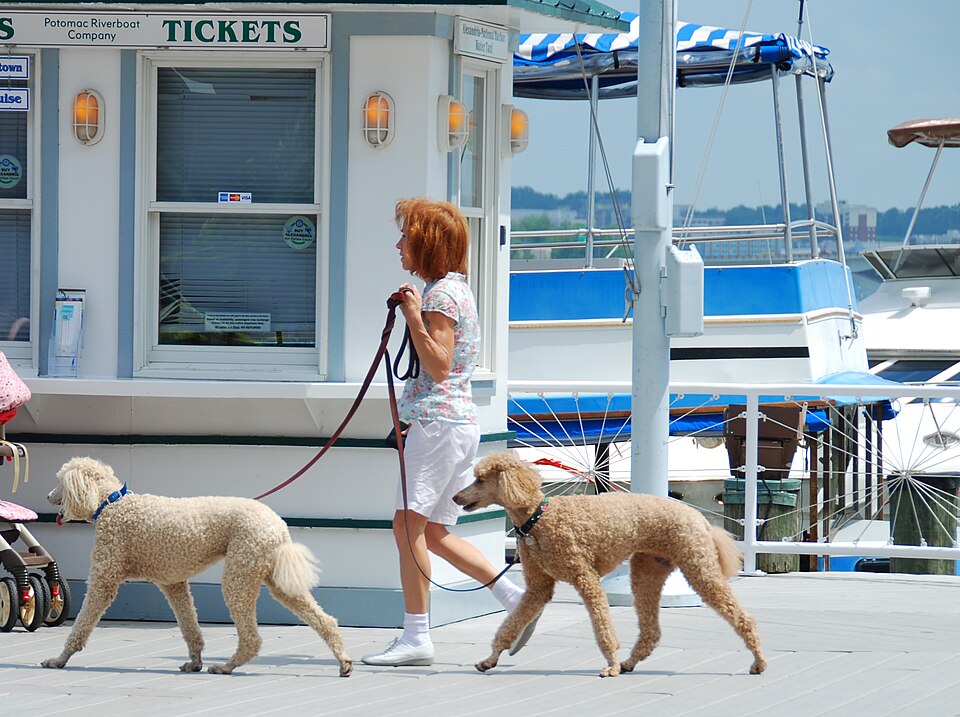
The moment you step out the door, your dog shoots off like a rocket and you get dragged along behind. A tug at the foot of every tree, a lunge at every cat. Walking a dog that pulls on the leash can be both exhausting and dangerous. The good news: dogs pull because they've learned that pulling works. By the same logic, they can also learn that a loose leash works.
- The basic rule: stop when the leash goes tight, carry on when it goes slack. Your dog learns that walking beside you on a loose leash is the only way to move forward.
- Start at home: first reward your dog for standing next to you, then for walking a few steps.
- Use a comfortable harness or collar and a flat, fixed-length leash; retractable (flexi) leashes confuse the training.
- While you're training, walks will take longer; be patient.
- Use only reward-based methods.
Why do dogs pull?
Our walking pace is usually slow for dogs, and the smells, dogs and cats up ahead are very tempting. When your dog pulls on the leash and you move forward with it, your dog learns just one thing: pulling works. The goal of training is to reverse that lesson.
The right equipment
Dogs Trust recommends:
- A comfortable harness or collar. It should fit your dog's body well and not rub.
- A flat, fixed-length leash. Flexi or bungee leashes stretch when your dog pulls, which confuses your dog during training.
- A treat bag. Small treats your dog loves, or its favorite toy.
Dogs Trust offers one more tip: you can use a separate harness for training. If you use different equipment on days when you can't train yet, your dog won't get mixed up about the rule "no pulling in this harness".
Step-by-step training
- Start at home. Reward your dog for standing or sitting next to you. Begin in a quiet room, with nothing around to distract it.
- Add movement. Take a few steps, and reward your dog as long as it stays by your side. At first, you may need to hold a treat or a toy it really loves in your hand to keep it next to you.
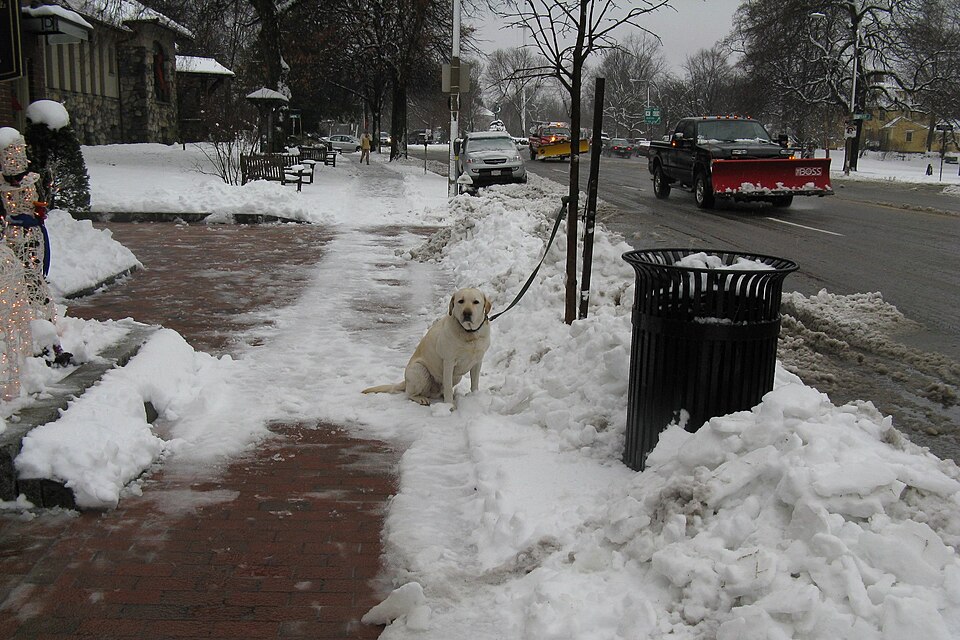
- Stop when the leash goes tight. Outdoors, stop the moment the leash tightens. Wait. As soon as the leash goes slack (when your dog comes back or looks at you), start walking again.
- Increase the distance and the time. As your dog makes progress, gradually increase the number of steps and the time between rewards.
- Reduce the rewards. As your dog learns to walk on a loose leash, gradually cut back on the rewards too, but keep rewarding now and then throughout the walk.
The RSPCA suggests using a toy as a reward: if your dog pulls on the leash to get to the toy, stop and call it back to you; when it walks on a loose leash, let its reward be getting to the toy.
Dogs that bite the leash
Some dogs grab the leash in their mouths and tug on it while walking. Dogs Trust recommends dropping treats throughout the walk while your dog is walking nicely, so your dog doesn't learn to grab the leash first and then wait to get a treat.
Why only rewards?
Dogs Trust and the RSPCA recommend reward-based (positive reinforcement) methods for dog training. When your dog is rewarded for doing the right thing, it's more eager to repeat that behavior, and the trust between you grows stronger at the same time. Yanking the leash, shouting or equipment that causes pain can frighten your dog and turn walks into an unpleasant experience for it.
Practical tips
- Walks will take longer. Dogs Trust recommends accepting that walks will take longer while your dog is learning. If you're short on time, don't train that day, but don't allow pulling either.
- Let it sniff. A walk is when your dog explores the world with its nose. You can use "sniff breaks" as a reward: a few steps on a loose leash, then free sniffing.
- Keep sessions short and frequent. Short but regular practice instead of long, tiring sessions.
- If you're struggling, get help. If your dog reacts to other dogs, people or vehicles, get help from a behaviorist or a trainer.
Frequently asked questions
Harness or collar?
Dogs Trust recommends a comfortable harness or collar that fits your dog well. What matters is that the equipment doesn't hurt your dog and is comfortable.
When I stop because the leash is tight, my dog keeps pulling forward. What should I do?
Wait calmly; all it takes for the leash to go slack is for your dog to come back or look at you. At that moment, start walking again and reward it. As the RSPCA suggests, you can stop and call your dog back to your side. Starting on quiet streets with few distractions makes things easier.
Can I use a retractable (flexi) leash?
Dogs Trust doesn't recommend flexi or bungee leashes during training; because they stretch as your dog pulls, they send the message that "pulling works". Use a flat, fixed-length leash.

Keep track of your pet's care in TüylümLog vet visits, vaccine and medication dates, and we'll remind you when it's time. Share it all with your family in Home.
Sources
- Dogs Trust · How to stop your dog pulling on the lead
- Dogs Trust · Dog walking problems, pulling on lead
- Dogs Trust · Lead ragging
- RSPCA · Train your dog to stop pulling on the lead
- Dogs Trust · Positive reinforcement
By Tüylüm · Published and last checked: October 24, 2026. Spotted a mistake? Write to [email protected] and we'll fix it right away. Photos are from Wikimedia Commons, used under the license shown below each photo.