Rabbit body language: what binkies, flops and thumps mean
Rabbits don't bark or meow, and most of the time you won't hear them at all. But anyone who has lived with a rabbit for a few weeks knows they are always telling you something, with their ears, their feet and the way they hold their body. A rabbit spinning in midair is bursting with happiness; a rabbit thumping the floor hard is saying "watch out!" In this article we've gathered the most common signs, based on the RSPCA's guide to rabbit behavior.
- Binky (the midair twist): Leaping with all four feet off the ground and twisting in the air is what the RSPCA calls a "jump for joy".
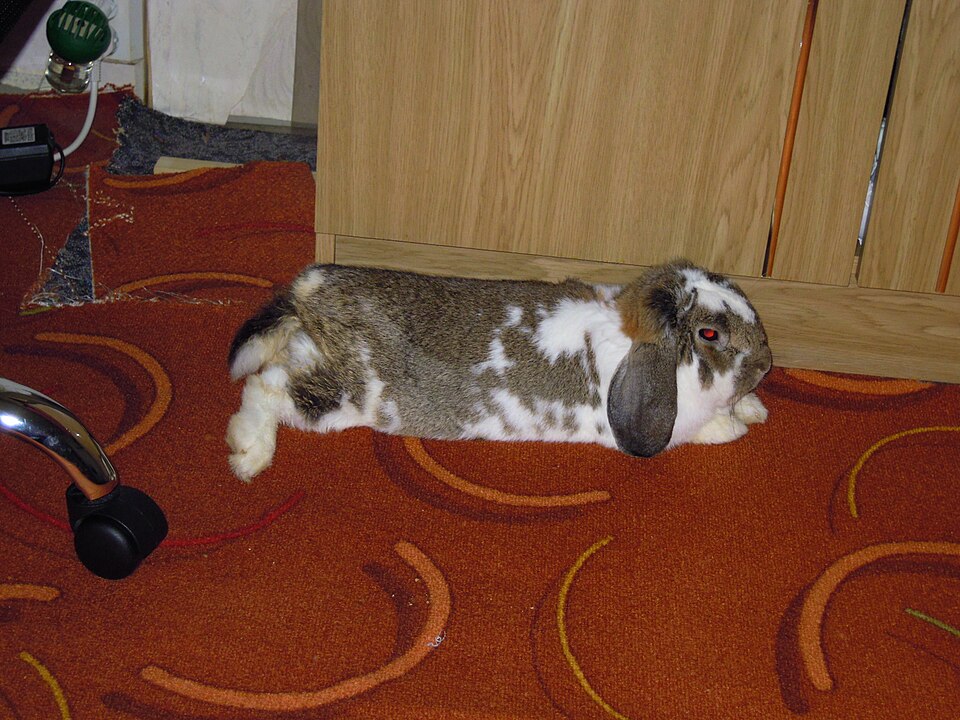
- Flopping and stretching out: The posture of a relaxed, content rabbit.
- Soft teeth grinding: Like a cat's purr, it means contentment. Loud teeth grinding, on the other hand, can be a sign of pain: call your vet.
- Thumping: A warning about danger, or fear or unease. Sometimes it means your rabbit is annoyed with you.
- Hiding: Anxiety or worry.
What does a happy rabbit look like?
- Binky: The rabbit suddenly shoots into the air, all four feet leave the ground, and it twists or turns in midair. The RSPCA calls this a "jump for joy": a sign that your rabbit is very happy.
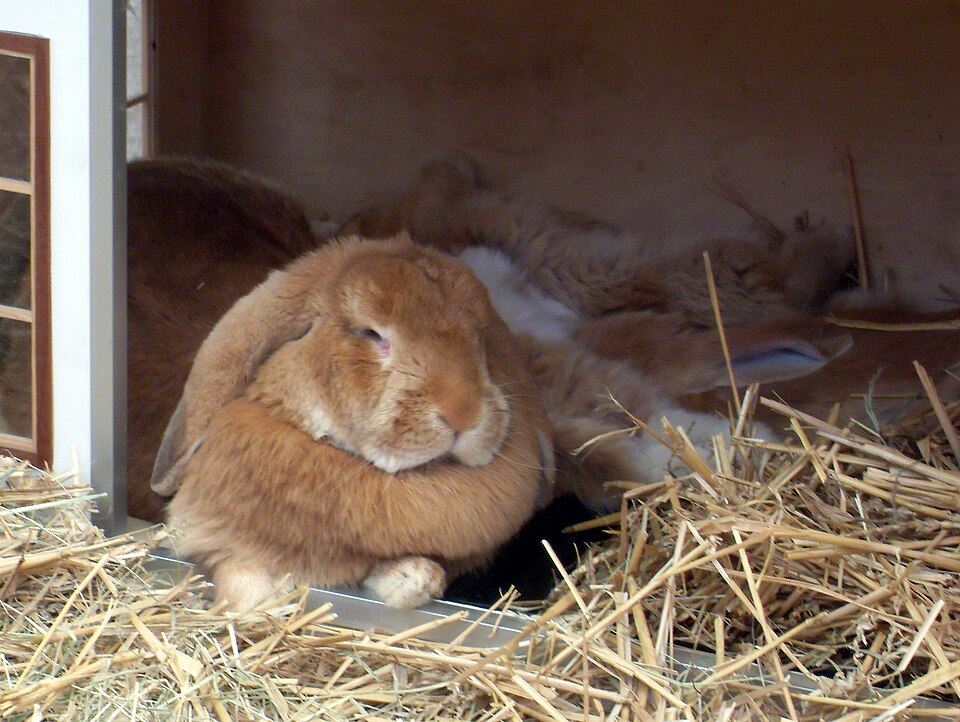
- Flopping and stretching out: A rabbit that flops over onto its side or stretches out full length is relaxed and content.
- Licking: Licking you or another rabbit is a sign of affection.
- Gentle nipping: A gentle nip may be your rabbit trying to groom you or get your attention; it isn't aggression.
- Grooming: Calmly grooming itself or its bonded companion is a sign of contentment.
- Soft teeth grinding: A soft, purr-like grinding sound means contentment.
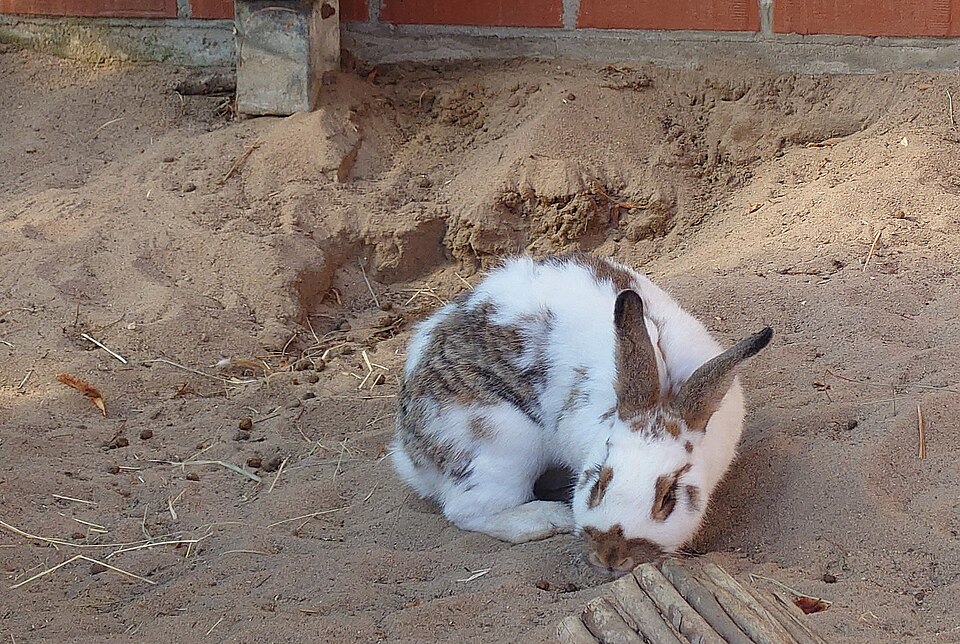
- Play: Tossing toys, digging, foraging, chewing suitable things and running through tunnels show that your rabbit feels comfortable and safe.
What are the ears saying?
| Ear position | What it means, according to the RSPCA |
|---|---|
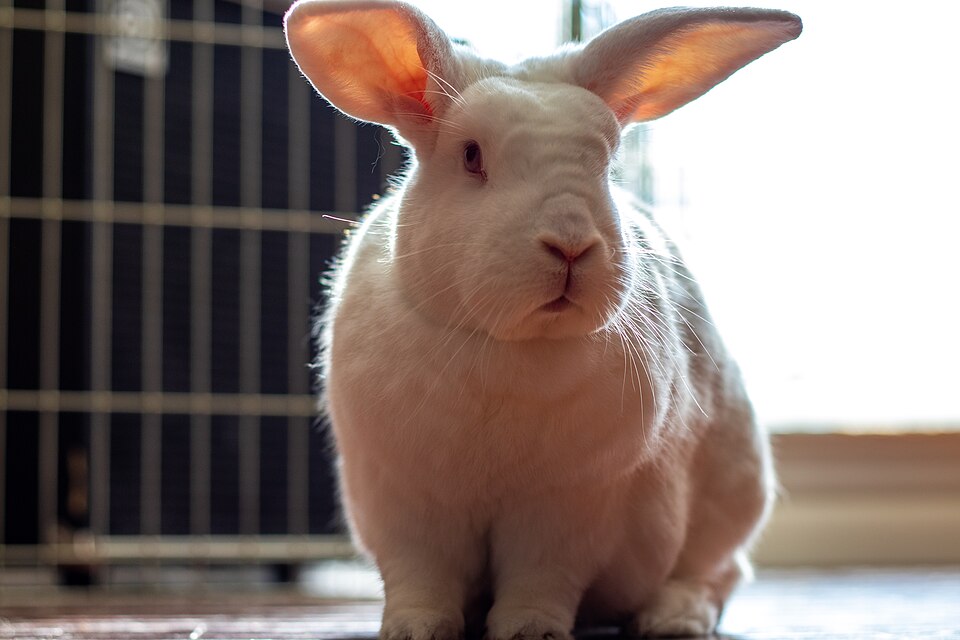
| Close together, pointing up and outward | Relaxed |
| Resting back, body calm | Relaxed |
| Pressed tightly against the back | Worry or stress |
| Forward, eyes fixed on one spot | On high alert |
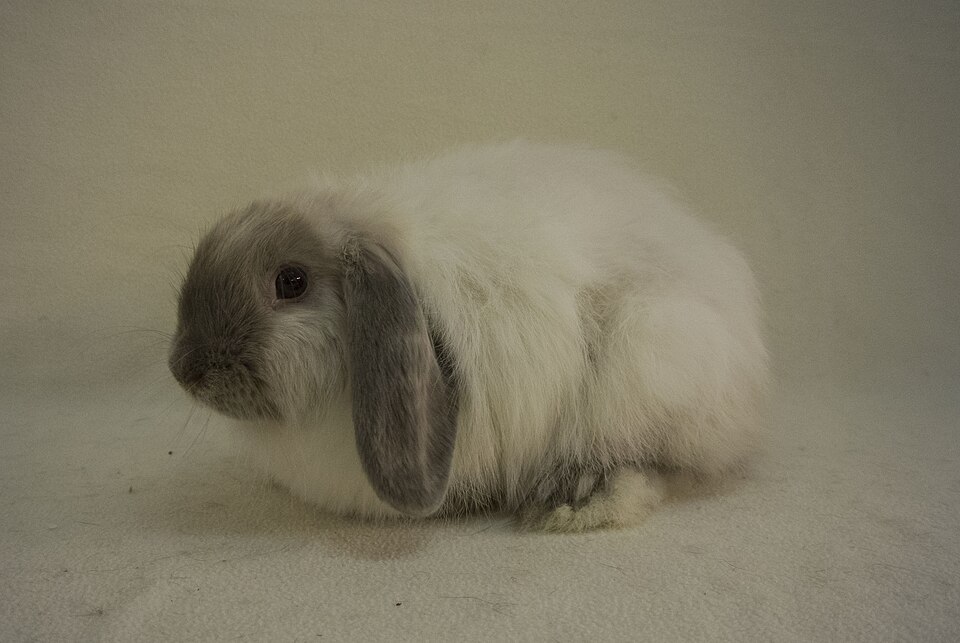
According to the RSPCA, the ears don't tell the whole story on their own; you need to look at the whole body. In lop-eared rabbits, ear movements can be harder to read, so pay more attention to the rest of the body.
Thumping: "Watch out!"
The rabbit strikes the floor hard with one or both back feet, and you hear a dull thud. According to the RSPCA, this can be a warning about danger or a way of expressing fear, frustration or unease. The RSPCA also mentions the "grump thump": sometimes a rabbit uses it to tell you it's annoyed with you.
If your rabbit is thumping, look around: there may be a new noise, a cat visible through the window or a dog coming into the room. Calmly make sure it has a safe place to hide.
A stressed or frightened rabbit
- Hiding: Anxiety or worry.
- Crouching: A rabbit with its head low, tense muscles, wide pupils and ears flattened out to the sides is very worried, uncomfortable or doesn't want you to come closer.
- Reluctance to move: Can be a sign of stress, anxiety or pain.
- Chewing the cage bars: Anxiety, stress, frustration or boredom.
- Over-grooming: Can be linked to stress, and can leave bald patches and sore skin.
- Circling the enclosure: A way of burning off nervous energy.
- Biting: A gentle nip can be a "give me some space" warning; a hard bite usually means fear or stress.
Annoyed or feeling threatened
According to the RSPCA, a rabbit may rise up on its back legs with its ears up and bat at whatever is in front of it with its front paws. This is called "bunny boxing", and it sometimes comes with a soft growl. It can mean the rabbit feels threatened or frustrated. A rabbit that turns its back on you and flicks its back feet, or lays its ears back, is unhappy or wants a little time alone.
Rabbits also rub their chins on objects to leave their scent: according to the RSPCA, rabbits scent-mark with secretions from glands under the chin, as well as with urine and droppings.
Soft teeth grinding means contentment, but according to the RSPCA, loud teeth grinding can be a sign of pain, and your rabbit needs to see a vet.
If behavior changes suddenly
According to the RSPCA, if your rabbit's behavior changes suddenly, you should call your vet, because a health problem may be behind it. Changes in eating, drinking, activity or toilet habits are also signs to watch for. If no health problem is found and the behavior continues, the RSPCA recommends getting help from a qualified animal behaviorist.
The RSPCA reminds owners never to shout at or punish rabbits; it only makes them more afraid. Forcing rabbits to do things isn't right either.
If you notice a change in your rabbit's behavior or appetite, you can log it in Tüylüm under Health › Complaint history. How long it has been going on appears at the top of the vet summary.
Frequently asked questions
My rabbit never does binkies. Is it unhappy?
Not every rabbit binkies equally often. Flopping and stretching out, playing, digging and licking you or its companion are also signs of contentment. If there's no sudden change in its behavior, there may be nothing to worry about; if you're unsure, ask your vet.
My rabbit gives me gentle nips. Why?
According to the RSPCA, a gentle nip can be your rabbit trying to groom you or get your attention; sometimes it's a "give me some space" warning. A hard bite, on the other hand, usually means fear or stress.
My rabbit thumps its foot at night. What should I do?
Thumping can be a warning about danger or a sign of fear. Check whether there's a noise, a light or an animal nearby that could be frightening it, and make sure your rabbit can always reach a safe hiding place.

Keep track of your pet's care in TüylümLog vet visits, vaccine and medication dates, and we'll remind you when it's time. Share it all with your family in Home.
Sources
By Tüylüm · Published and last checked: October 24, 2026. Spotted a mistake? Write to [email protected] and we'll fix it right away. Photos are from Wikimedia Commons, used under the license shown below each photo.