Why do rabbits dig and chew? Dig boxes, safe branches and toys
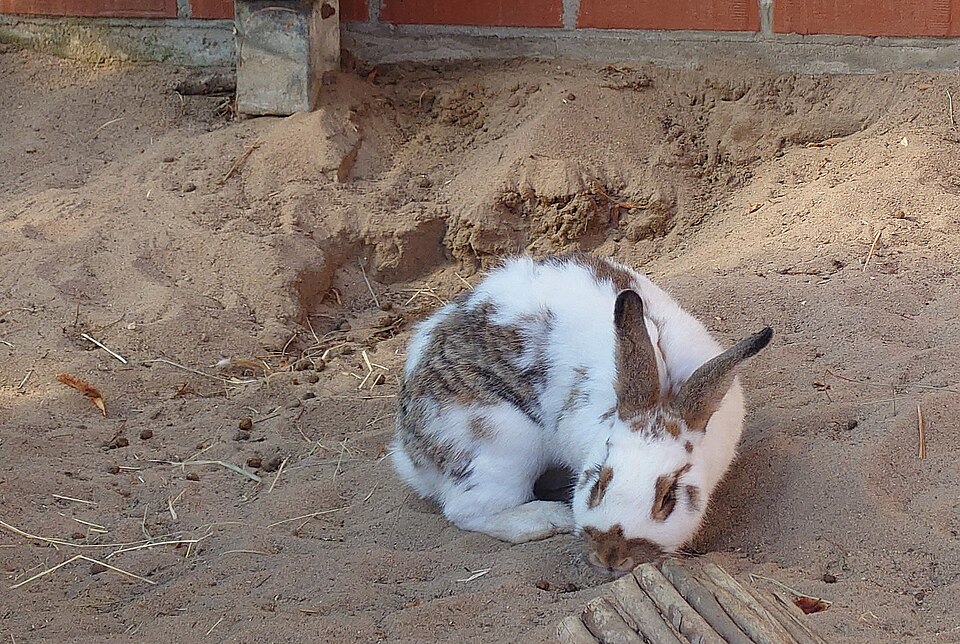
A rabbit scratching at the corner of the rug or gnawing the baseboard isn't "being naughty." In nature, rabbits live in underground burrows made of connected tunnels; digging and chewing are part of their everyday life. The Rabbit Welfare Association & Fund (RWAF) describes digging as a natural behavior that meets many of a rabbit's needs and works muscles that matter for its health. The goal isn't to stop this behavior, but to give it a safe outlet.
- Digging is natural: According to the RWAF, rabbits also dig to find food, to uncover cool earth to lie on, to escape or to get attention.
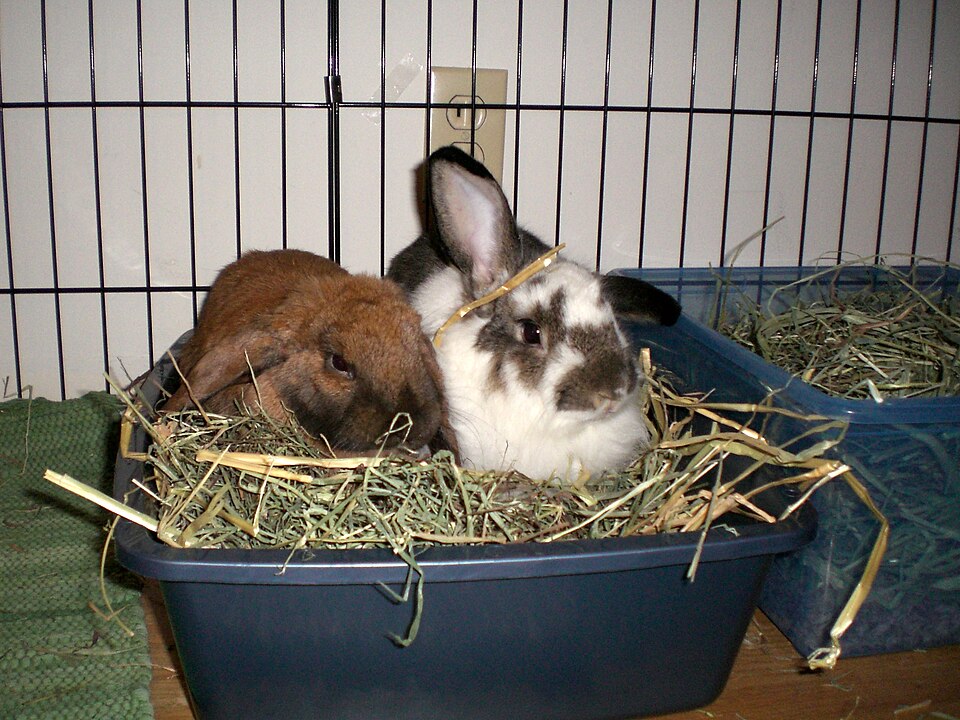
- Dig box: According to the RWAF, the box should be at least twice the size of the rabbit. Hay or shredded paper works indoors; soil or sand works outdoors.
- Chewing is a must: According to the RSPCA, a rabbit's front teeth grow about 2–3 mm a week; chewing keeps the teeth at the right length and shape.
- Safe branches: According to the PDSA, untreated branches from trees such as apple, aspen, birch, maple and willow.
- Never: According to the RSPCA, painted, varnished or chemically treated wood.
- Swap things around: The PDSA recommends rotating toys every week or two.
Why do rabbits dig?
According to the RWAF, rabbits don't dig only to build burrows. Reaching food under the ground, uncovering cool earth to lie on, trying to escape from somewhere or getting your attention are also reasons to dig. The RSPCA also says rabbits love to dig and recommends giving them some form of dig box.
The trouble starts with a rabbit that has nowhere to dig. According to the RWAF, a house rabbit that digs at the carpet, floor or curtains over and over is showing that it's stressed and frustrated. The cause is often not enough to do, a lack of companionship or a health problem.
How to set up a dig box at home
According to the RWAF, a dig box should be big enough for the rabbit to move around in comfortably: at least twice the size of the rabbit. A large, high-sided tray or a child's sandpit will do the job. The RSPCA's suggestions are similar: a large plant pot or tray filled with earth, a cardboard box filled with shredded paper, or a sandpit filled with rabbit-friendly sand.
| Filling | Where? | Note |
|---|---|---|
| Soil or sand | Outdoors | According to the RWAF, rabbits like digging in soil and sand; but indoors it can be too messy. |
| Shredded paper | Indoors | One of the options the RSPCA suggests; fill a cardboard box with it. |
| A deep box of hay | Indoors | The RWAF suggests a deep box of hay with a few pellets scattered in; the rabbit digs to find them. |
| Litter-box fillings such as cat litter | Nowhere | According to the RWAF, some can cause breathing problems, and large pellets can be uncomfortable for paws. |
The RSPCA recommends changing the filling regularly. The PDSA points out that filling a planter with potting compost also keeps your lawn from getting full of holes.
- Keep things in place: The RWAF recommends not moving the sleeping area and tunnels around; give your rabbit a setup it can trust.
- Careful in the yard: According to the RSPCA and the RWAF, a rabbit on grass shouldn't be able to dig its way out under the enclosure. Details: rabbit safety in the yard.
If it digs in the wrong place
According to the RWAF, a rabbit sometimes learns that digging in the wrong place gets attention. It suggests a simple test to find out: when the rabbit starts digging, leave the room; if it follows you, give it a small food reward. If it doesn't follow you, it probably isn't trying to get your attention, and the cause lies somewhere else.
In that case, look at its setup first: Is there a dig box? Does it have a rabbit companion? Does it have enough to do during the day? We've covered companionship separately: why shouldn't rabbits live alone?
The RWAF lists health problems among the causes of constant digging. If your rabbit's behavior has changed suddenly or you've noticed any other change, talk to your vet without delay.
Why is chewing so important?
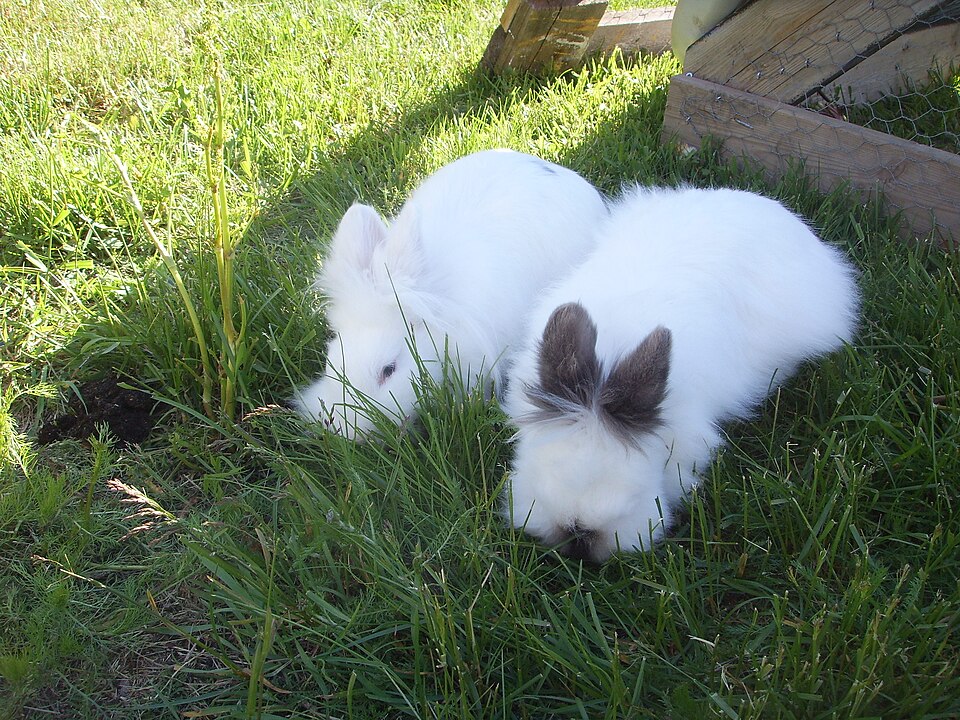
According to the RSPCA, a rabbit's front teeth grow about 2–3 mm a week. Chewing helps keep the teeth at the right length and shape. Hay or grass also comes first in the RSPCA's chewing suggestions. Details: what rabbits eat.
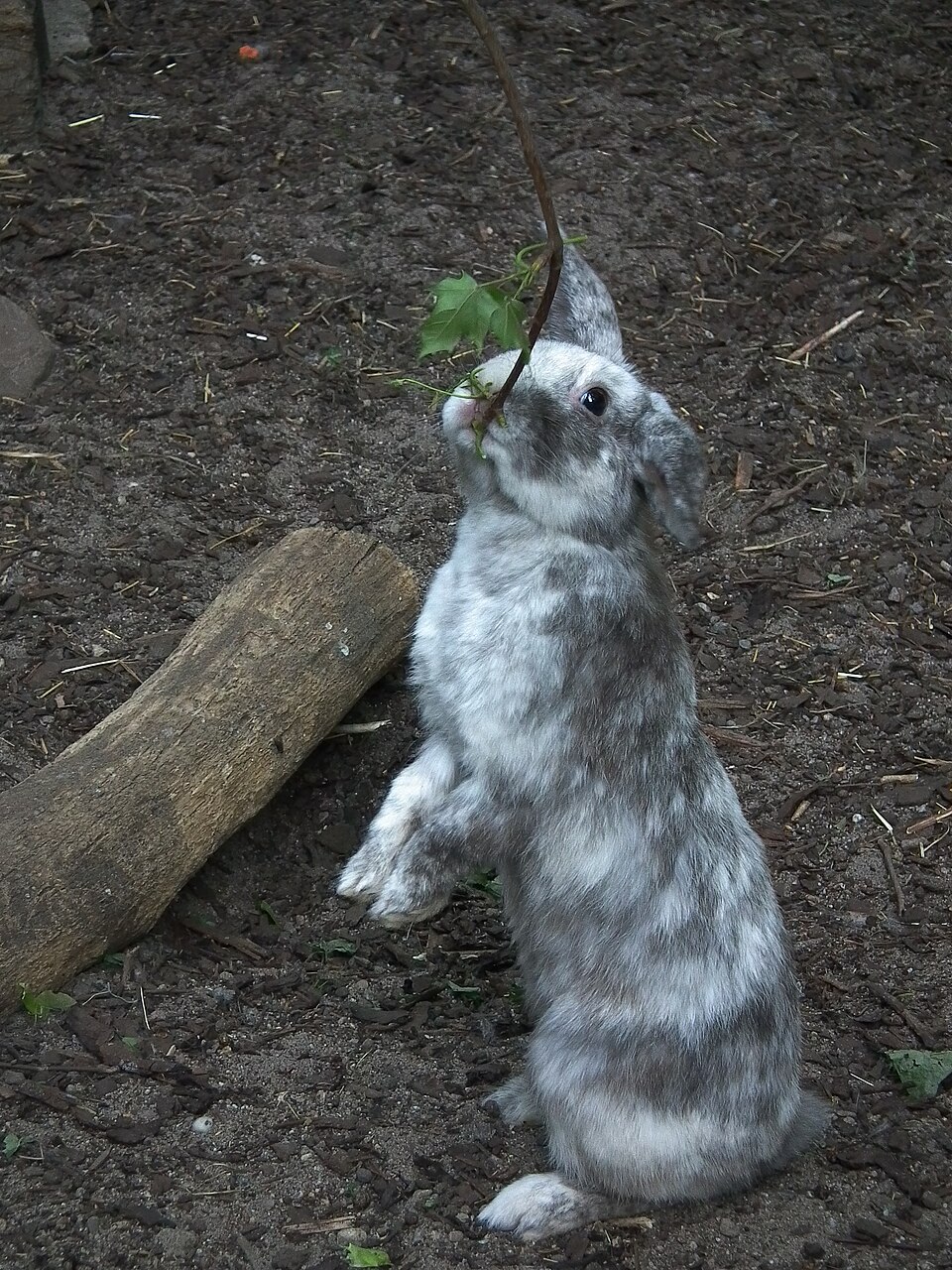
The RSPCA recommends offering a variety of textures, so the rabbit can choose what it likes:
- Hay or grass
- Safe leafy greens
- Wooden chew toys or sticks made for rabbits
- Untreated branches from fruit trees
According to the PDSA, untreated branches from safe trees such as apple, aspen, birch, maple and willow are suitable. Rinse branches before giving them, to wash off bugs and pesticides. Don't collect branches from trees by the roadside. The RWAF also lists willow, hazel and apple branches among the healthy treats rabbits enjoy.
- Treated wood: According to the RSPCA, always avoid painted, varnished or chemically treated wood.
- Staples, tape, glue: The RSPCA recommends checking paper and cardboard for staples, tape, heavy dyes and toxic glues.
- Fabrics: According to the RSPCA, towels, blankets, rugs or carpets can harm a rabbit if eaten; only offer them under supervision.
- Cotton and natural fibers: According to RSPCA Australia, these materials are often eaten and can lead to gut blockages.
- Plants you're unsure about: According to the RSPCA, if you're not sure whether a plant is safe, don't offer it at all.
To protect cables and furniture: rabbit-proofing your home.
Toys from things around the house
Expensive toys aren't necessary. According to the PDSA, there are plenty of cheap toys you can make at home that help with a rabbit's boredom.
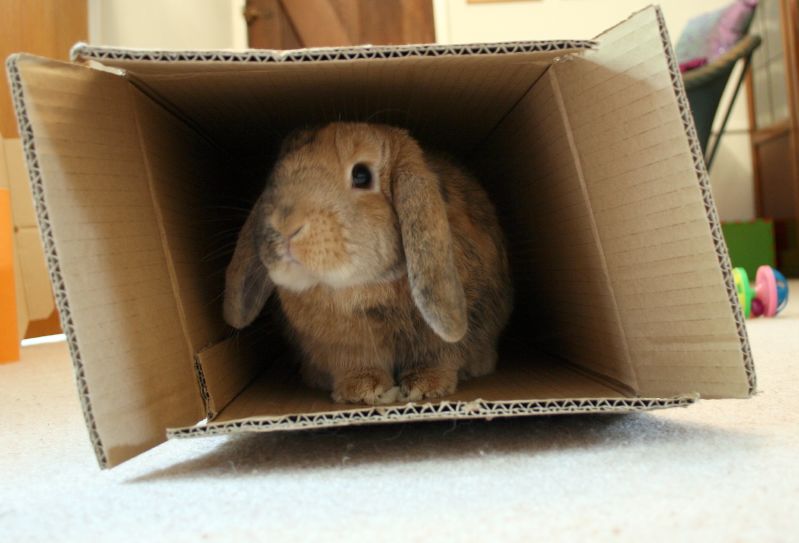
- Cardboard tunnel: The PDSA suggests cutting a hole in each side of a cardboard box. According to the RWAF, a tunnel needs to be open at both ends; rabbits won't go into a place with only one way in. Replace the box once it has been torn apart.
- Hay-stuffed tube: According to the PDSA and the RWAF, stuffing a toilet paper tube with hay is something rabbits love: they pull the hay out.
- Paper bag: The RWAF suggests paper bags stuffed with hay and fresh herbs; the RSPCA reminds you to remove the bag's handles.
- Hide the food: The RWAF recommends putting food around the enclosure, inside tunnels or under hay instead of in a bowl; the PDSA also suggests mixing pellets into the hay. The rabbit finds its food by searching for it.
- Hanging greens: The RSPCA suggests hanging greens up a little; the rabbit stands on its back legs to reach them.
According to the RSPCA, food used for play should come out of the daily ration, not on top of it.
No boredom, no fear
According to the RSPCA, wild rabbits spend about 70 percent of their waking time eating grass and plants. RSPCA Australia says a pet rabbit that always finds its food in the same place spends only 10–20 percent of its time looking for food, leaving most of the day empty. A dig box, branches and toys fill that gap.
- Take turns: The PDSA suggests leaving a few toys out, putting the others away and swapping them every week or two. You can clean the toys you've put away with a pet-safe detergent.
- Introduce new things slowly: According to RSPCA Australia, some rabbits are afraid of new objects. Introduce a new toy gradually; the RSPCA recommends removing a new item if your rabbit seems frightened or stressed by it.
- Enough for everyone: If several rabbits share a space, RSPCA Australia recommends at least one toy per rabbit plus a few spares, so there are no fights over belongings.
On Tüylüm's Today tab, you can check off your rabbit's daily care tasks, such as hay, water and play.
Frequently asked questions
My rabbit digs at the carpet. What should I do?
According to the RWAF, this is often a sign of stress and frustration. Offer a dig box, plenty of hay and toys, and think about whether it has a rabbit companion. If it digs to get your attention, leave the room and reward it if it follows you. If the behavior started suddenly, talk to your vet.
Can I put cat litter in the dig box?
The RWAF recommends avoiding litter-box fillings; some can cause breathing problems, and large pellets can be uncomfortable for paws. Use hay or shredded paper indoors, and soil or sand outdoors.
Can I give my rabbit branches I've cut in the yard?
According to the PDSA, untreated branches from safe trees such as apple, aspen, birch, maple and willow are suitable; rinse them first, and don't collect them by the roadside. Painted or varnished wood is never OK. If you're not sure what tree it is, don't offer it.

Keep track of your pet's care in TüylümLog vet visits, vaccine and medication dates, and we'll remind you when it's time. Share it all with your family in Home.
Sources
- Rabbit Welfare Association & Fund · Digging
- Rabbit Welfare Association & Fund · Rabbit Housing Enrichment
- RSPCA · How to keep your rabbit happy
- PDSA · Preventing boredom in rabbits
- RSPCA Australia · How can I keep my rabbit entertained, alert, and interested in their surroundings?
- RSPCA · How to keep your rabbit healthy
By Tüylüm · Published and last checked: October 26, 2026. Spotted a mistake? Write to [email protected] and we'll fix it right away. Photos are from Wikimedia Commons, used under the license shown below each photo.