Why do cats purr? What scientists know and what they still can't explain
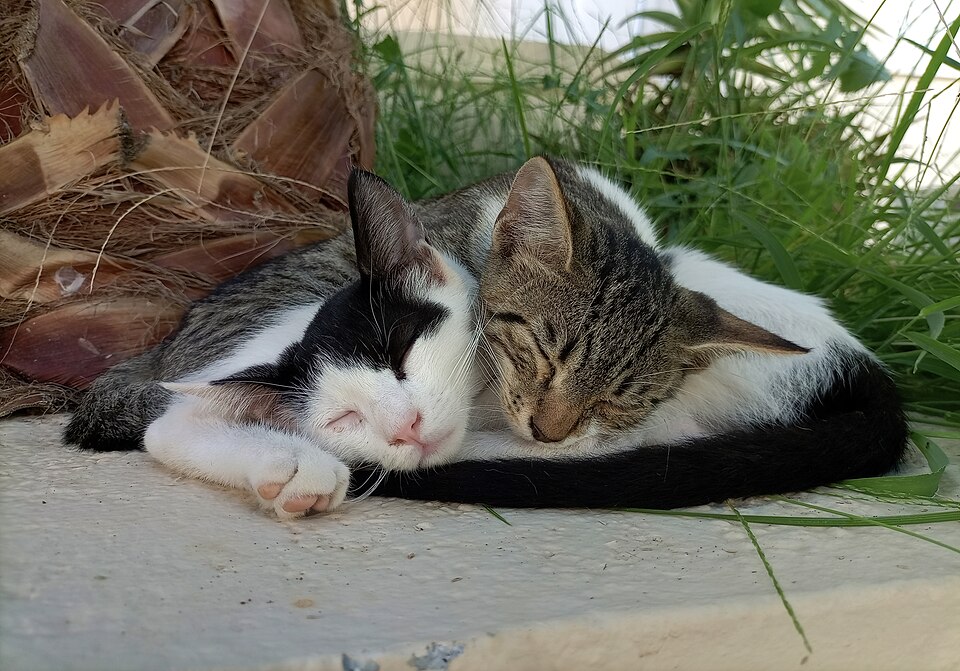
Your cat curls up in your lap, half closes its eyes, and that familiar sound begins: a low, steady vibration that warms you from the inside. Most of us read purring as "my cat is happy." And most of the time, that's right. But the story of purring is far more interesting; scientists have only just begun to fully understand how the sound is even made.
- Purring starts in kittenhood: the mother cat purrs when she comes back to the nest, and kittens purr while nursing. Roughly, it means "all is well."
- When asking for food, cats can add a sound similar to a baby's cry to their purr; people find this purr more "urgent."
- Cats can also purr when they're sick, injured or tense. Purring doesn't always mean contentment.
- How the sound is produced is still debated; a 2023 study challenged the old explanation.
Purring begins in kittenhood
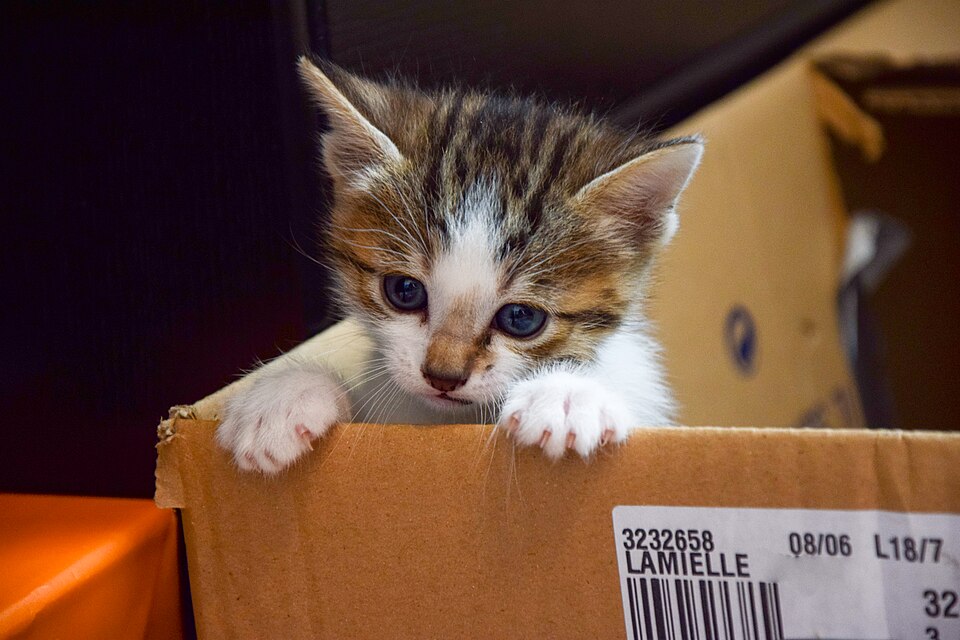
According to International Cat Care, purring enters a cat's life very early. When the mother cat returns to the nest, she purrs quietly; it's a way of telling her kittens "everything is safe." Kittens purr while they nurse, too.
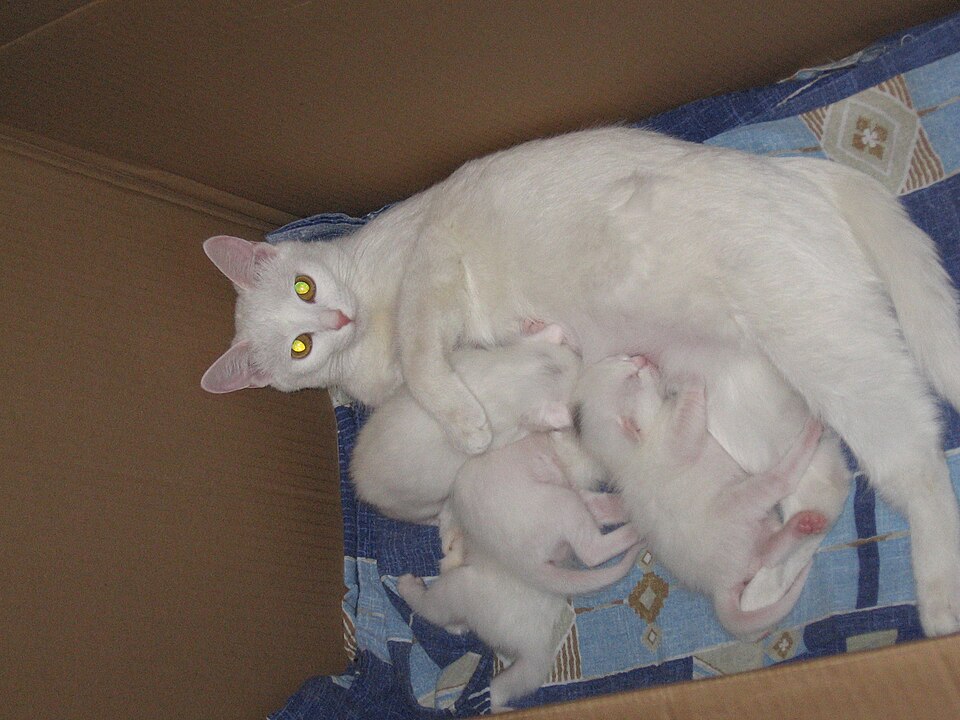
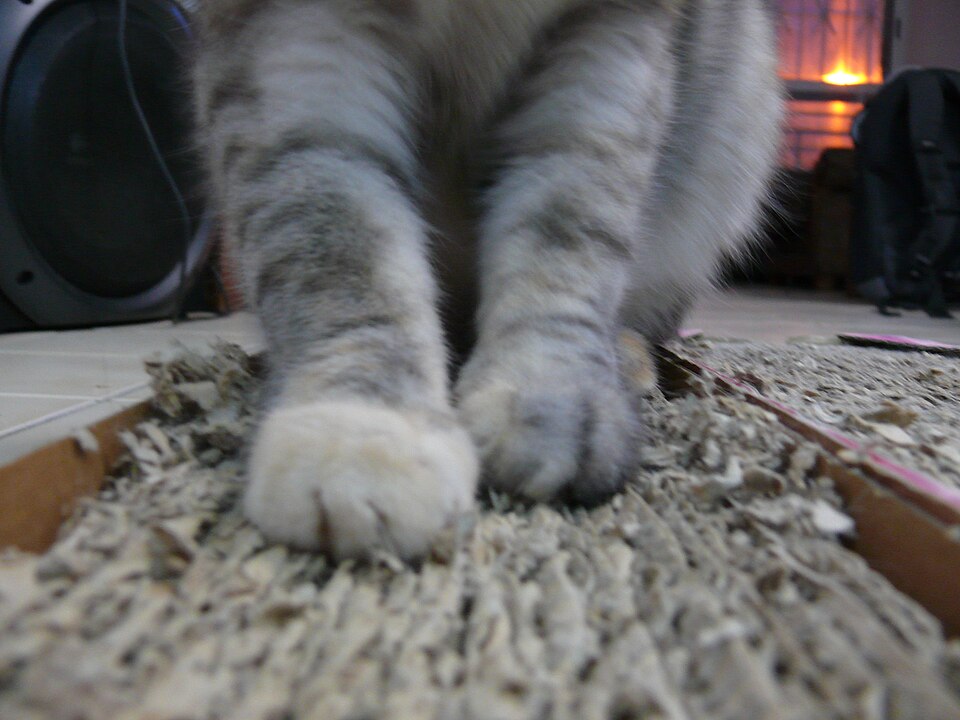
An adult cat purring in your lap can be seen as a continuation of that first bond. The same goes for kneading (pressing its paws into a blanket or your lap): kittens press on their mother's belly to get the milk flowing. A cat kneading in your lap may be linking its bond with you to that feeling of security. Some cats even drool while they knead.
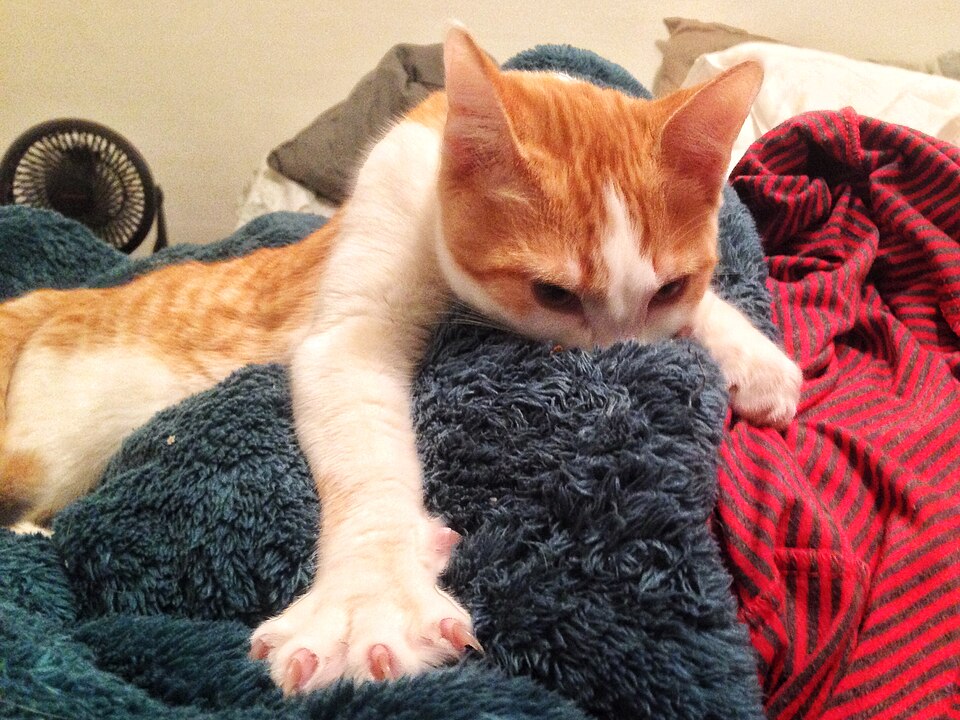
International Cat Care stresses that kneading is normal behavior and that a cat should never be punished for it; punishment can damage the bond between you. Putting a thick blanket on your lap is a good solution for both of you.
The "feed me" purr: a signal like a baby's cry
In 2009, Karen McComb and her team at the University of Sussex in England recorded cats purring in different situations. Some recordings were made while the cat was asking for food, others at a calm moment. When the recordings were played at the same volume, people found the purrs made while asking for food more urgent and less pleasant.
What made the difference was a high-pitched sound hidden inside the low purr; according to the researchers, it resembled a meow or a cry. When this sound was removed from the purr, the same recordings no longer seemed as urgent. The researchers noted that this hidden sound was at frequencies similar to a human baby's cry.
The team thinks cats learn to exaggerate this sound as they notice that it gets people's attention. This is a hypothesis, not a settled conclusion. And there's one more detail: this kind of purring isn't seen in every cat; it has been observed to develop mostly in cats that have a close one-on-one relationship with their owner.
According to International Cat Care, cats can also learn to use meowing to get rewards from people. So that insistent 6 a.m. concert has a "learning" history behind it.
Purring doesn't always mean happiness
Here's the surprising part: cats can also purr when they're sick or injured. International Cat Care gives two explanations for this. First, the frequency of purring in this situation is different from that of a healthy cat's purr; it's thought that purring may help with healing. Second, it may be the cat calming itself at the moment it feels most vulnerable.
That's why a purr shouldn't be read on its own. A purr that comes with a relaxed body in your lap and slowly blinking eyes is most likely contentment. But if a cat that's hiding, not eating or acting differently than usual is purring, that doesn't mean "I'm fine."
Even if your cat is purring, talk to your vet if it has lost its appetite, is hiding, isn't using the litter box or is avoiding being touched. Purring can hide a problem.
So how is the sound made?
For a long time, the accepted explanation was this: regular signals from the brain make small muscles in the larynx contract and relax about 20–30 times a second, interrupting and releasing the airflow to create that vibration.
A study published in the journal Current Biology in 2023 challenged this explanation. Scientists in Vienna worked on eight larynges taken from cats that had died. Without any nerve signals or muscle contractions, simply by passing air through them, they found that all eight larynges vibrated at purring speed (about 25–30 Hz). Inside the vocal folds, they found small masses of connective tissue that make it easier to produce such a low sound.
The researchers also write that they haven't completely disproved the old explanation: muscle movements may still play a part. This is a lab experiment; it shows what the larynx is capable of, not exactly what a living cat does. In short, how the most familiar sound in our homes is made still hasn't been fully worked out.
International Cat Care says the same thing: it isn't clear exactly how cats do it. It adds that big wild cats can produce a similar vibration too.
How do you "read" a purr?
A purr isn't a sentence on its own; it's more like a single word. Body language completes its meaning:
- The contented purr: A relaxed body, half-closed eyes, a soft tail. Most often in your lap, while lying down or while being petted.
- The asking purr: At mealtime, rubbing against your legs, with a thin meow mixed in. The politest way of saying "get up already."
- The self-soothing purr: During a vet exam, in the carrier or on sick days. The body may be tense and the ears pulled back.
If your cat rubs against you, that's a message too: according to International Cat Care, cats mark the ones they love with their scent, using glands on their face, body and tail. Rubbing its head on you can show that it sees you as part of its social group.
Frequently asked questions
My cat never purrs. Is something wrong?
Not every cat purrs as often or as loudly; some cats' purrs can barely be heard. If your cat has always been like this and seems well, it may simply be its style. If a cat that used to purr suddenly stops purring and drops its other habits too, talk to your vet.
Why does my cat purr so insistently when it wants food?
According to the University of Sussex study, some cats add a high-pitched sound to their purr when asking for food, one that people find hard to ignore. So the insistence isn't a coincidence; your cat may have learned that it works.
Does a purring cat always want to be petted?
No. Cats sometimes purr to soothe themselves when they're tense. If your cat pulls away, swishes its tail sharply or flattens its ears back, give it some space.

Keep track of your pet's care in TüylümLog vet visits, vaccine and medication dates, and we'll remind you when it's time. Share it all with your family in Home.
Sources
- International Cat Care · Why do cats..?
- University of Sussex · Cats exploit human sensitivity with a cry embedded in the purr (2009)
- ScienceDaily · Cats manipulate their owners with a cry embedded in purr (2009)
- Herbst et al. · Domestic cat larynges can produce purring frequencies without neural input, Current Biology (2023)
By Tüylüm · Published and last checked: October 24, 2026. Spotted a mistake? Write to [email protected] and we'll fix it right away. Photos are from Wikimedia Commons, used under the license shown below each photo.