The litter box guide: how many, how big, where, and how often to clean
In nature, cats go to the toilet in places that are quiet, sandy, easy to dig and easy to escape from. At home, we expect them to fit all of those needs into a single plastic box. Most cats adapt to this nicely, as long as the number of boxes, their size, their location and the litter suit them. All the measurements in this article come from International Cat Care's advice for cat owners.
- Number: One box per cat, plus one extra. Two boxes for one cat, three boxes for two cats.
- Size: The box should be one and a half times the length of your cat from its nose to the base of its tail.
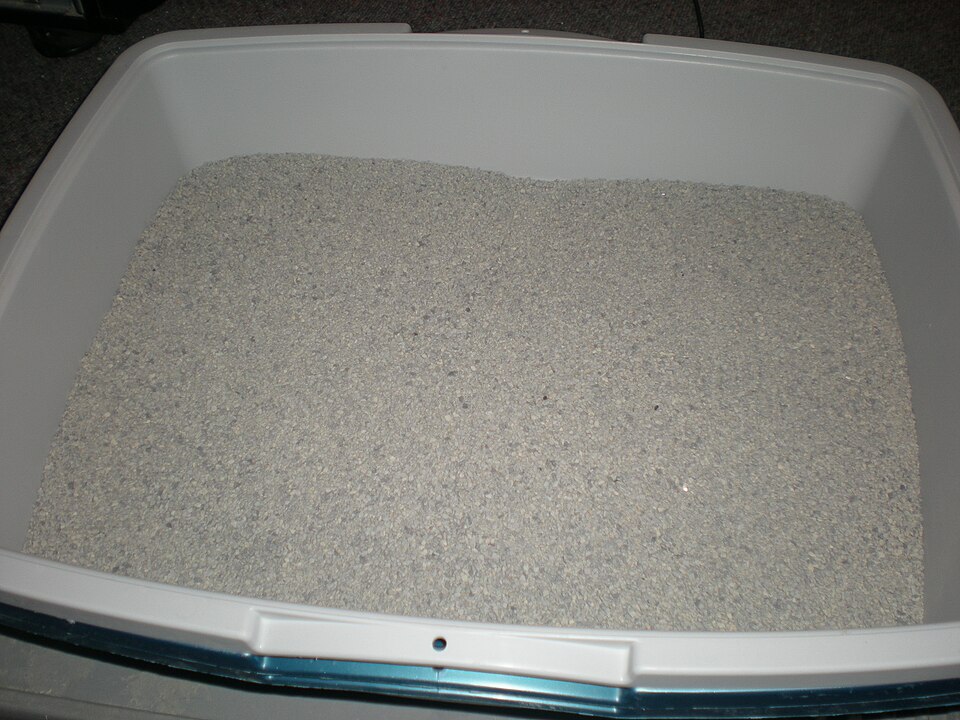
- Litter: Unscented litter with fine, sand-like grains; at least 3 cm deep.
- Cleaning: Scoop out clumps at least twice a day; wash the whole box every 2–4 weeks (once a week with non-clumping litter).
- Location: A quiet corner, away from food and water, large windows and busy walkways.
How many litter boxes do you need?
The general rule is simple: number of cats + 1. If you have one cat, two boxes; if you have two cats, three boxes. That may sound like a lot; but many cats don't want to use a dirty box. The extra box means your cat always has a clean option while one is dirty or being cleaned, and saves it from looking for some other corner.
Put the boxes in different parts of your home. Some cats see boxes lined up side by side as a single box; if one gets dirty, they may not want to use either. In multi-cat homes, boxes in separate places also let cats go to the toilet without being ambushed by one another.
The right size: most ready-made boxes are too small
According to International Cat Care, the ideal box should be about 1.5 times the length of your cat from its nose to the base of its tail. Many of the standard boxes in stores fall short of this; measure your cat before you buy.
- Rectangular boxes give more space than corner or oval boxes.
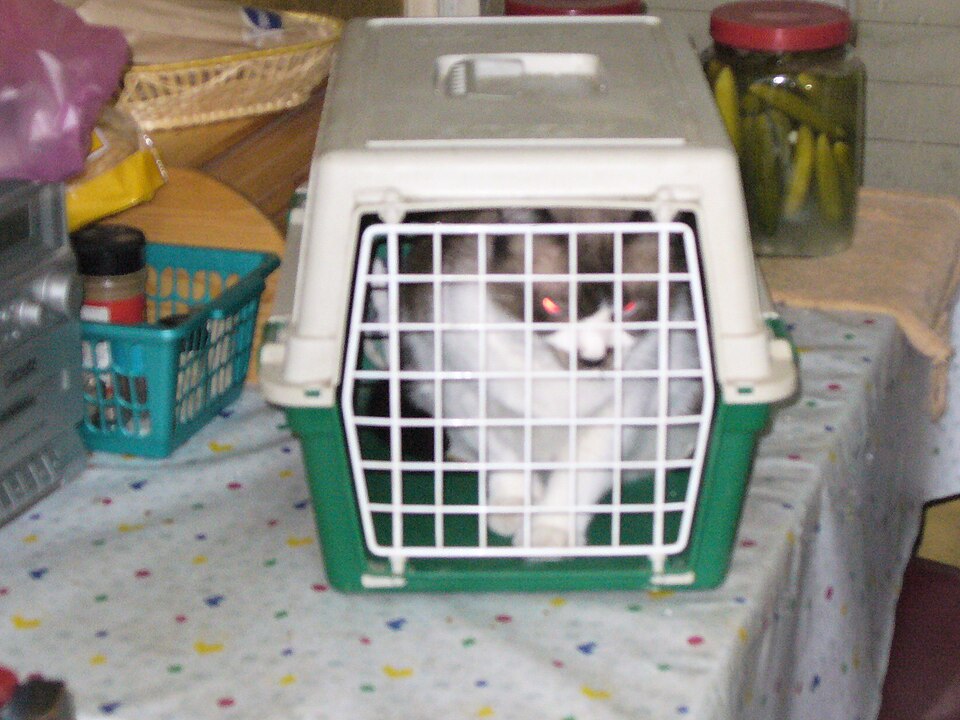
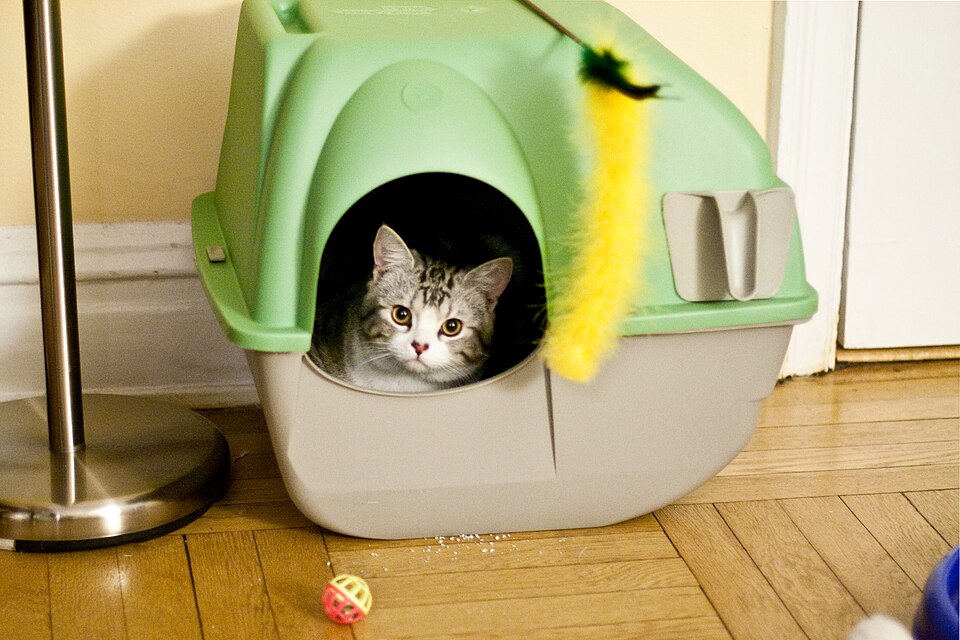
- Covered (hooded) boxes make some cats feel secure; but large cats struggle in small covered boxes. Taking the flap door off the hood can help.
- For cats with joint problems or limited mobility, choose a box with low sides; getting in and out becomes easier.
Which litter?
Most cats prefer a fine-grained, sandy texture; it's the closest to the soil they dig in nature. International Cat Care recommends unscented litter. Scented litters and plastic liners laid inside the box bother many cats; a scent that's pleasant to the human nose can be too strong for a cat.
- Depth: At least 3 cm. Some cats prefer 3–5 cm; adjust to your cat's size and habits.
- When switching: If your cat likes a litter, don't change it without a reason. If you do switch, make the change gradually by mixing the new litter with the old.
Where should it go?
The location of the litter box matters as much as the box itself. Cats feel vulnerable while they're going to the toilet; that's why they want a quiet spot with an escape route.
- A quiet corner: Avoid noisy, high-traffic parts of your home.
- Away from food and water: Cats don't want to go to the toilet near where they eat.
- Away from large windows: Floor-length windows make it easier to see cats outside and to feel exposed.
- Away from outside doors: To a cat, outside doors and cat flaps are like an entry point for threats from outside.
Cleaning: how often?
International Cat Care's advice is clear: remove clumps and soiled litter at least twice a day. How often to empty and wash the whole box depends on the type of litter:
| Litter type | Scooping clumps | Washing the whole box |
|---|---|---|
| Clumping litter | At least 2 times a day | Every 2–4 weeks |
| Non-clumping litter | At least 2 times a day | Once a week |
When you wash the box, International Cat Care recommends hot water and a biological detergent; avoid strongly scented detergents.
According to International Cat Care, some disinfectants that turn cloudy when mixed with water (for example, those containing chloroxylenol) are toxic to cats. Don't clean the litter box or the things your cat uses with these products.
If you tend to forget when to buy litter, Tüylüm's Food & litter supplies can help: it calculates when your litter will run out and reminds you before it does. You can also track litter changes as a daily task on the Today tab.
If your cat goes outside the box
Peeing or pooping outside the box can be one of the ways a cat says "something isn't right." Sometimes there's a health problem behind it, sometimes a problem with the box itself.
If your cat has suddenly started going outside the box, is going in and out of the box often, or is straining when going to the toilet, talk to your vet without delay. There could be a problem behind these signs that needs treatment.
If there's no health problem, ask yourself these questions:
- Is the box clean enough? Are clumps scooped twice a day?
- Is the box big enough? Is the litter deep enough?
- Have you recently changed the litter, the box's location or the cleaner?
- Has anything changed at home that's stressing your cat: a new animal, a move, guests?
- In a multi-cat home, can the cats get to the boxes easily?
Frequently asked questions
I only have one cat. Do I really need two boxes?
International Cat Care's general rule is one box per cat plus one extra. A second box always leaves your cat a clean option while one is dirty or being cleaned.
Doesn't scented litter cover up odors better?
For people, maybe; but most cats dislike scented litter and liners laid inside the box. The best way to prevent odor is to scoop clumps at least twice a day.
Covered or open?
Either can work; it depends on your cat. If you use a covered box, make sure a large cat can turn around comfortably inside it. If your cat hesitates to go into a covered box, consider taking off the flap door or trying an open box.

Keep track of your pet's care in TüylümLog vet visits, vaccine and medication dates, and we'll remind you when it's time. Share it all with your family in Home.
Sources
- International Cat Care · Choosing a litter tray for your cat
- International Cat Care · Making your home cat friendly
- International Cat Care · Soiling indoors
- International Cat Care · Urine spraying in cats
By Tüylüm · Published and last checked: October 24, 2026. Spotted a mistake? Write to [email protected] and we'll fix it right away. Photos are from Wikimedia Commons, used under the license shown below each photo.