Why do cats scratch? Cat-friendly ways to save your couch
One morning, the corner of your new couch is in shreds. The first reaction is usually "How do I stop this?" But the real question is: why is your cat scratching, and where would you like it to scratch? Scratching is a natural need your cat can't give up. The good news: when the right post is in the right place, most cats leave the couch alone on their own.
- Cats scratch to shed the outer sheath of their claws, work the muscles of their front legs and back, and leave a scent mark.
- A scratching post should be tall enough for your cat to stretch out fully on its back legs, and heavy-based so it doesn't wobble.
- Put the post where your cat spends time, especially next to where it sleeps; cats like to scratch after waking up.
- A cat should never be punished; punishment increases anxiety and doesn't reduce scratching.
What does scratching do for a cat?
According to International Cat Care, scratching has more than one purpose:
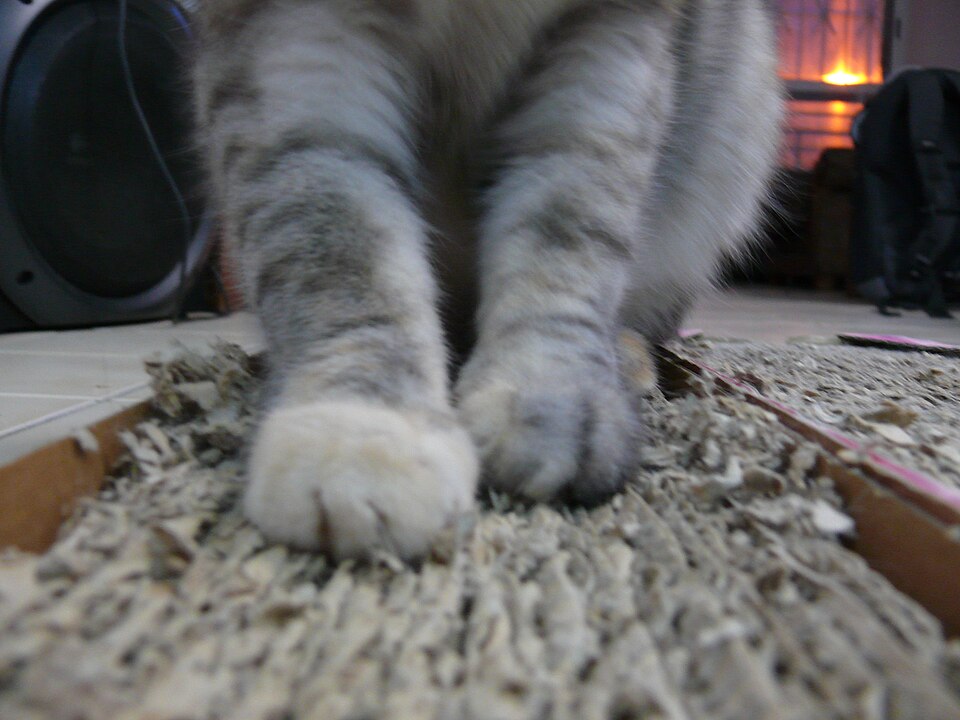
- Claw care: When a cat pulls its front paws downward, the worn outer sheath of the claw comes off, revealing a sharp new surface underneath. Those thin, crescent-shaped husks you find at the foot of the couch are exactly these.
- Exercise: Scratching stretches and works the muscles of the front legs and back.
- Communication: Where cats scratch, they leave both a visible mark and scent from the glands in their paws. It's a sign that they feel confident in their territory.
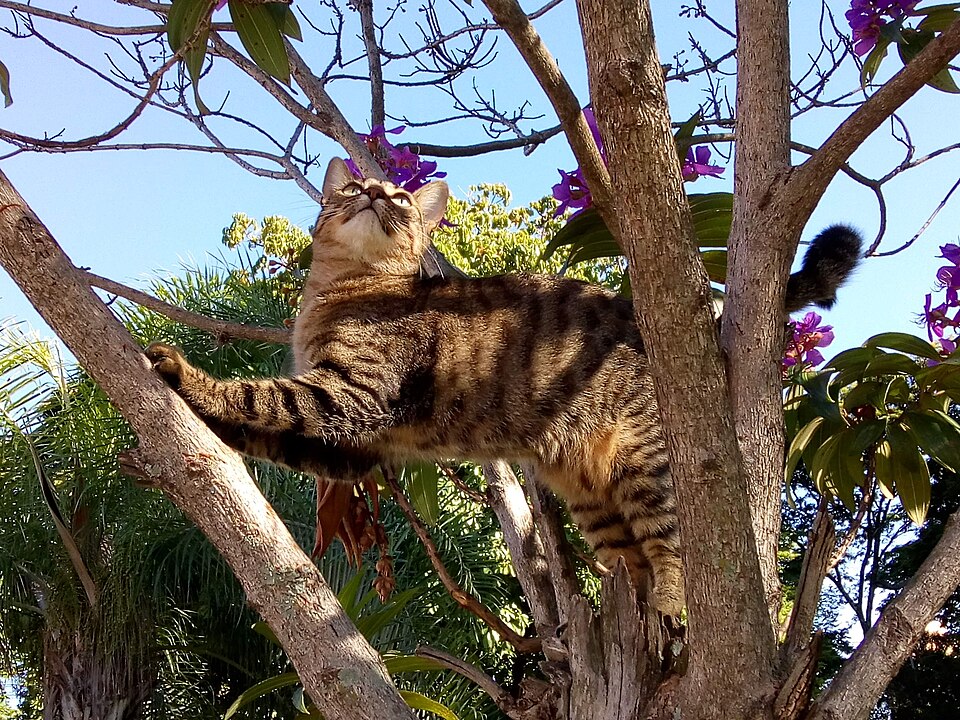
One more detail: scratching can sometimes become a way of getting attention. If you rush over every time your cat scratches the couch, it may have learned that this is a way to call you.
International Cat Care advises against relying on claw trimming to solve scratching problems; the claw holds the sharp tip a cat needs for defending itself and climbing. In older cats, the claws can grow long and thick; in that case regular trimming may be needed, and because overgrown claws can be a sign of a health problem, you should talk to your vet.
What makes a good scratching post?
Most posts go unused because they were chosen by a person, not by the cat. International Cat Care's recommendations:
- Height: As tall as your cat when it stretches out fully on its back legs to scratch. As a kitten grows, it needs a taller post.
- Stability: Light posts that wobble or tip over while a cat scratches won't get used. Choose a heavy, wide-based post.
- Surface: Choose a post with a texture similar to the surface your cat is already scratching. Sisal rope, tree bark or corrugated cardboard are good options.
- Direction: Some cats like horizontal surfaces. Kittens and older cats often prefer wide, sloped or horizontal cardboard scratchers.
- Short on space? Sisal, bark or cardboard panels fixed to the wall are a good solution.
Where should the post go?
Even the right post won't get used in the wrong place. Put the post where your cat spends a lot of time. Cats like to stretch and scratch right after waking up; so next to its favorite bed is one of the best spots.
If your cat scratches a particular piece of furniture, place the post right next to that piece. That way your cat can keep scratching in the same spot, but on a surface that isn't yours.
If you have more than one cat, the general rule applies here too: one post per cat, plus one extra, spread around different parts of your home.
How do you get your cat to use the post?
- Draw it in with play: Play a hunting game with a wand toy at the foot of the post; your cat will paw at the post while trying to catch the toy.
- Encourage with treats: Put treats at the base of the post or on top of it.
- Leave a mark: Lightly scratch the post with the tip of a screw; cats are drawn to visible scratch marks.
- Reward it when it's used: The moment your cat scratches the post, give a treat or some affection.
- Catnip: Posts infused with catnip can attract interest; but not every cat reacts to catnip.
International Cat Care doesn't recommend holding your cat's paws and rubbing them on the post; this can be uncomfortable and frightening for a cat. Let it discover the post on its own.
Protecting furniture that's already damaged
Until the post is in place and your cat is used to it, you can make the furniture less appealing:
- Cover the scratched area with a thick, heavy blanket or plastic film that's sticky on one side.
- Wash wooden surfaces with unscented soapy water to remove the scent your cat left. Put a suitable post or panel next to it.
- On spots that have been scratched before, products containing synthetic cat pheromones can be used to reduce anxiety-driven scratching.
Stairs and carpets
Many cats scratch the bottom step of the stairs. International Cat Care suggests placing old carpet remnants or large carpet-covered objects near the stairs. It adds that there's no evidence that using a carpet-covered post leads a cat to scratch the other carpets in the home.
Why doesn't punishment work?
Scratching is natural behavior for a cat; International Cat Care stresses that a cat should never be punished for it. Shouting, spraying water or chasing your cat only makes it afraid of you and increases its anxiety. And an anxious cat may feel an even greater need to mark. In short, punishment can fuel the very behavior you want to stop.
Frequently asked questions
My cat never uses the post I bought. Why?
The most common reasons: the post is too short or wobbles, its texture isn't like the surface your cat likes, or it's standing in a corner where your cat doesn't spend time. Move the post next to where your cat sleeps or the furniture it scratches, play at its base and leave treats there.
My older cat no longer stretches up the post. What can I do?
Horizontal or sloped cardboard scratchers can be more comfortable for older cats. If its claws have become thick and long, talk to your vet.
My cat scratches the carpet. Will a carpet-covered post make it worse?
According to International Cat Care, there's no evidence that using a carpet-covered post leads a cat to scratch other carpets. Putting an alternative with a similar texture next to the spot it scratches is a good start.

Keep track of your pet's care in TüylümLog vet visits, vaccine and medication dates, and we'll remind you when it's time. Share it all with your family in Home.
Sources
- International Cat Care · Scratching on furniture and carpets
- International Cat Care · Why do cats..?
- International Cat Care · Making your home cat friendly
By Tüylüm · Published and last checked: October 24, 2026. Spotted a mistake? Write to [email protected] and we'll fix it right away. Photos are from Wikimedia Commons, used under the license shown below each photo.