A play guide for indoor cats: meeting the hunting instinct safely
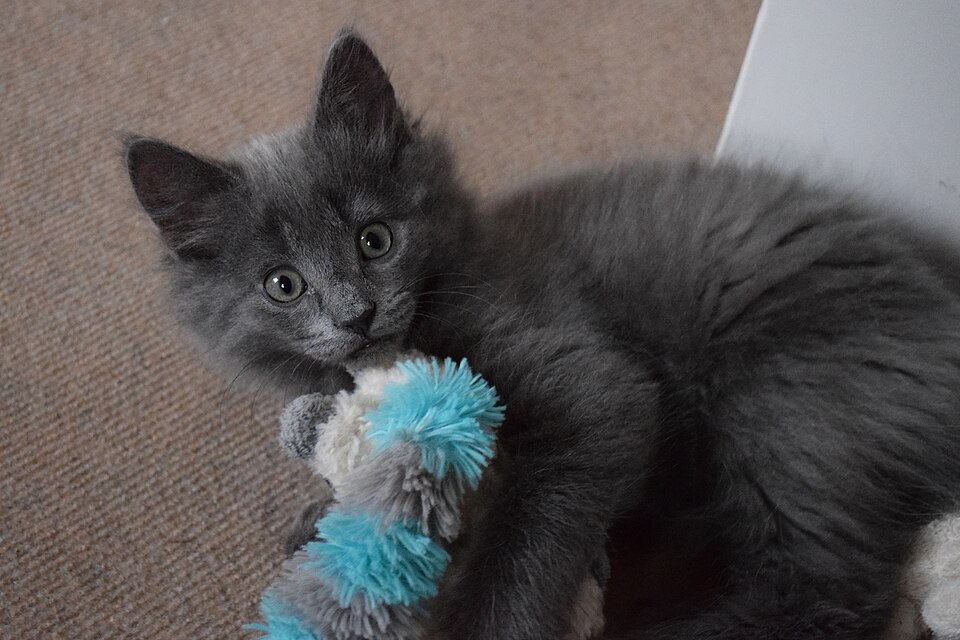
A cat galloping down the hallway at two in the morning, then scaling the curtains and dropping back to the floor as if nothing happened… If that sounds familiar, you're not alone. International Cat Care calls these "crazy moments" a release of pent-up energy and considers them normal. But for indoor cats, channeling that energy in the right direction during the day makes life easier for both your cat and you.
- Indoor cats have few chances to hunt and explore; play stands in for that need.
- Set aside play time every day; toys that move and behave like prey get the most interest.
- Rotate the toys; a toy that's always lying around quickly gets boring.
- Things like string, yarn, ribbon and thread are dangerous if swallowed. Put string toys away when play is over.
- High spaces (shelves, a cat tree) and food puzzles enrich everyday life.
What do indoor cats miss?
According to International Cat Care, living indoors protects a cat from traffic and many other dangers; but life becomes predictable, and the cat has fewer chances to show natural behaviors such as hunting and exploring. Play, climbing and exploring are ways to fill that gap; they provide exercise and prevent boredom.
Some signs of boredom and tension can include excessive meowing, scratching furniture, urine marking and over-grooming. These signs can also have health-related causes; if they've started recently, talk to your vet.
According to International Cat Care, cats that live only indoors are less active and so more prone to putting on weight. Daily play also helps your cat maintain its weight. In Tüylüm, you can log your cat's weight and follow it on a chart.
Which toys work?
Cats are hunters; the toys that get the most interest are the ones that behave like prey:
- Wand (fishing rod) toys: Wands with a feather or a small toy on the end. According to International Cat Care, this kind of interactive play also strengthens the bond between you and your cat.
- Toys that move unpredictably: Unpredictable movement keeps a cat in the game longer. Toys that just sit still quickly get boring.
- Prey-sized toys: Mouse-sized toys with fur or texture.
- Catnip toys: Some cats adore them; but not every cat reacts to catnip (see below).
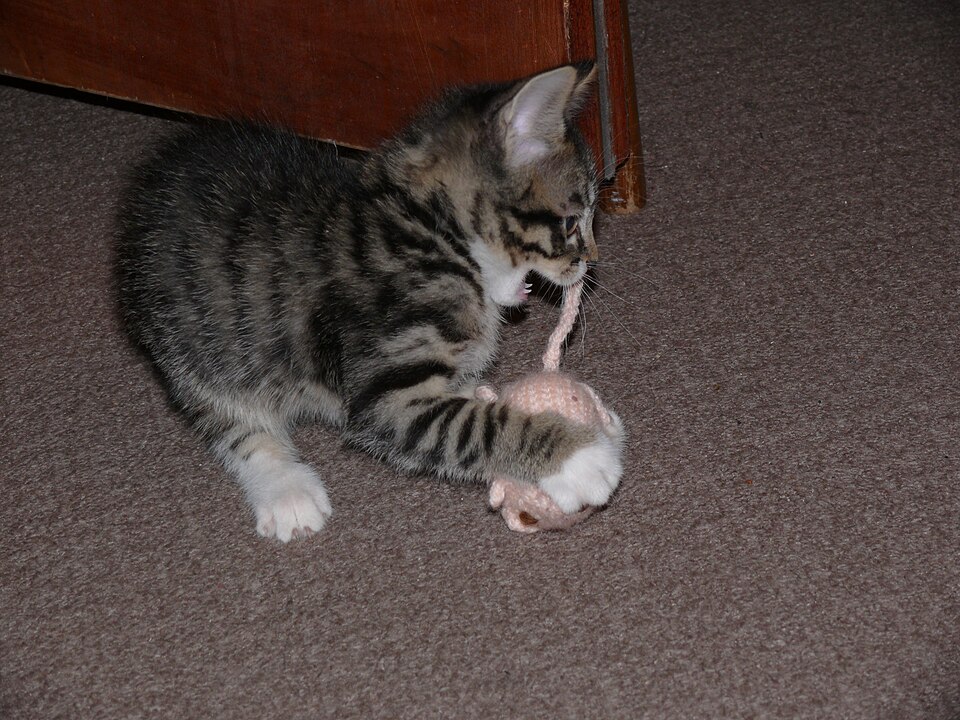
Rotate the toys
International Cat Care suggests keeping toys in a drawer or a box and bringing them out in turns. Seeing the same toys every day turns them into "part of the furniture." A toy that disappears for a week is exciting again when it comes back.
What should play time look like?
There's no set length you have to hit; what matters is setting aside time for play every day. A routine that works in practice:
- Keep it short: A few minutes of play is better than one long, tiring session. Spread several sessions across the day.
- Play like prey: Move the toy away from your cat, not toward it, like prey that hides behind the furniture and pops back out.
- Let your cat catch it: At the end of the game, let your cat catch the toy. A game it can never win can be frustrating.
- Then a meal: A small meal after play completes the "hunt, eat, rest" cycle.
- Put it away: When play is over, put wand and string toys somewhere your cat can't reach.
According to International Cat Care, the things cats most often swallow include needle and thread, yarn, string from around meat, tinsel (Christmas decorations), ribbon, dental floss, curtain cords, hair ties and rubber bands. When string-like objects are swallowed, they can make the intestines bunch up and make a cat very ill, and surgery is usually needed. Keep these items out of your cat's reach. If you suspect your cat has swallowed something, don't wait thinking "it'll pass anyway"; call your vet right away.
Don't turn your hands into toys
Playing with a kitten using your hands and feet can seem cute; but the cat may learn that human hands are something to hunt. As it grows up, that game comes back as bites and scratches. During play, always keep a toy between your hand and the cat.
Beyond toys: enriching your home
Height
According to International Cat Care, cats love being up high and watching their surroundings from above. Cat trees, the tops of cupboards and shelves increase the usable space in your home. In multi-cat homes, height also helps cats keep their distance from each other.
- Wooden shelves are often slippery; add a non-slip surface to them.
- Make sure the beds on the cat tree are big enough for your cat to stretch out comfortably.
Windows
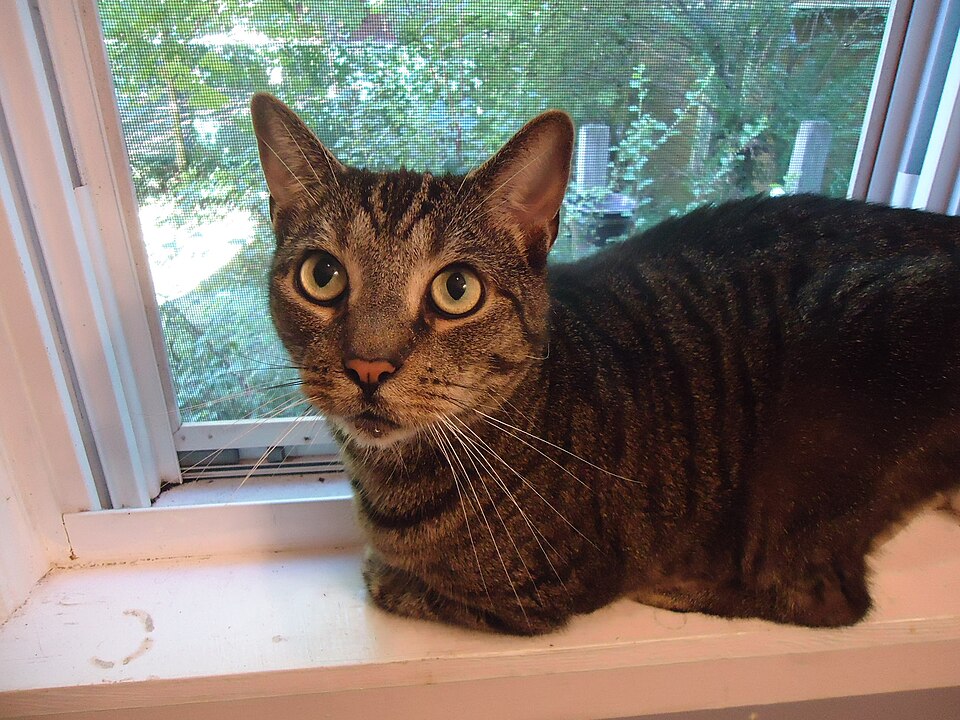
Watching the outdoors is free "TV" for cats. You can put a safe cushion or shelf by a window. International Cat Care points out two things: cats can fall from windows in the home, and if you don't want your cat going outside, windows opened for fresh air should be fitted with a screen or mesh.
Food puzzles
In nature, cats catch and eat many small prey animals a day. A food bowl filled twice a day leaves long, empty hours between meals. International Cat Care recommends using food puzzles (toys that release food) to make meals more interesting.
Catnip: not for everyone
According to International Cat Care, the effect of catnip is harmless, non-addictive and short-lived. About 70–80 percent of cats react to catnip, and this is inherited; so if your cat shows no interest at all, that's not a problem. Cats generally don't react before they're three months old.
Frequently asked questions
My cat won't play with toys. What should I do?
First, change how the toy moves: move it away from your cat rather than toward it, hiding it in a corner and bringing it back out. Try different textures (feathers, fabric, paper) and rotate the toys. If a cat that used to play suddenly stops, talk to your vet.
Is playing with a laser pointer a good idea?
Cats love chasing a laser dot; but they can never catch it. Switching to a real toy they can catch at the end of the game lets play end on a satisfying note. Don't shine the light in your cat's eyes.
My cat races around at night. How can I calm it down?
Sudden bursts of energy are normal. A play session in the evening before bed, followed by a small meal, can help your cat be calmer at night.

Keep track of your pet's care in TüylümLog vet visits, vaccine and medication dates, and we'll remind you when it's time. Share it all with your family in Home.
Sources
- International Cat Care · Should I keep my cat indoors or allow outdoor access?
- International Cat Care · Making your home cat friendly
- International Cat Care · Cats and foreign bodies
- International Cat Care · Why do cats..?
By Tüylüm · Published and last checked: October 24, 2026. Spotted a mistake? Write to [email protected] and we'll fix it right away. Photos are from Wikimedia Commons, used under the license shown below each photo.