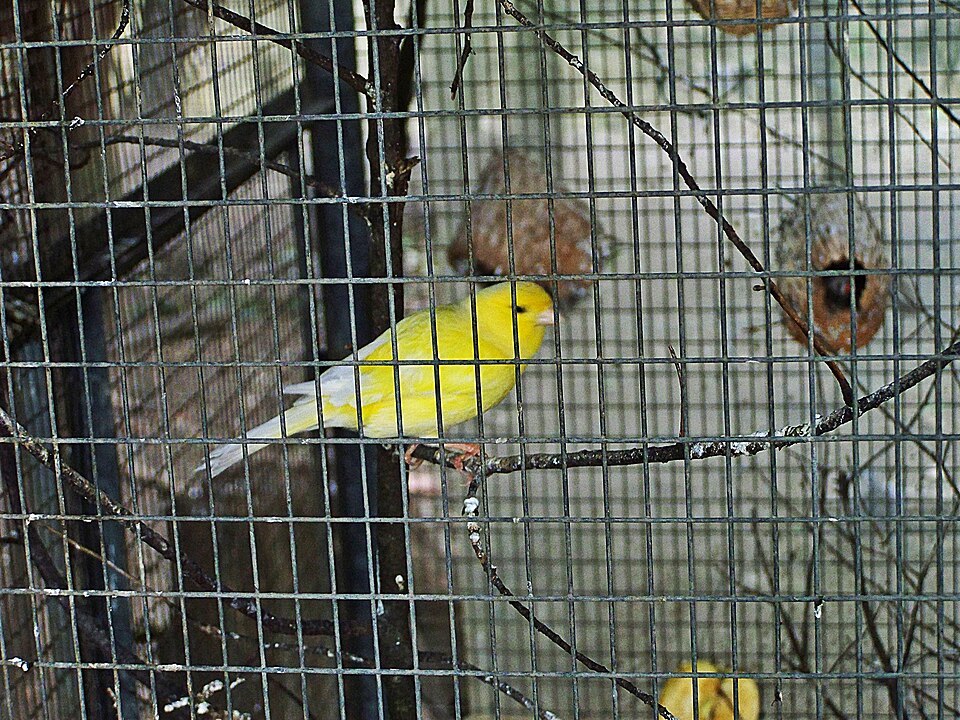
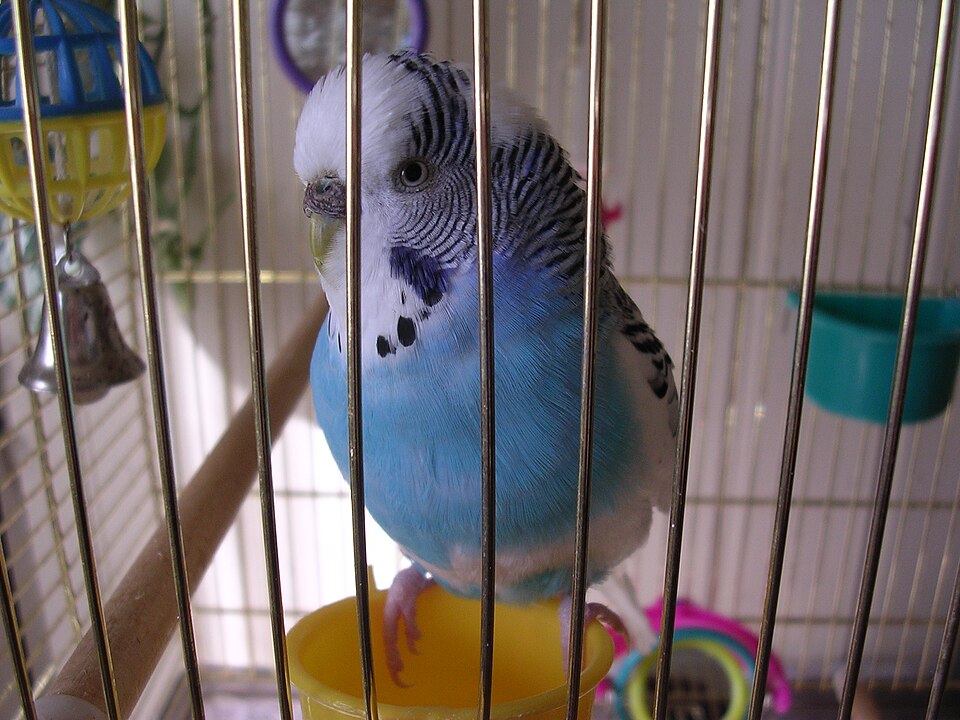
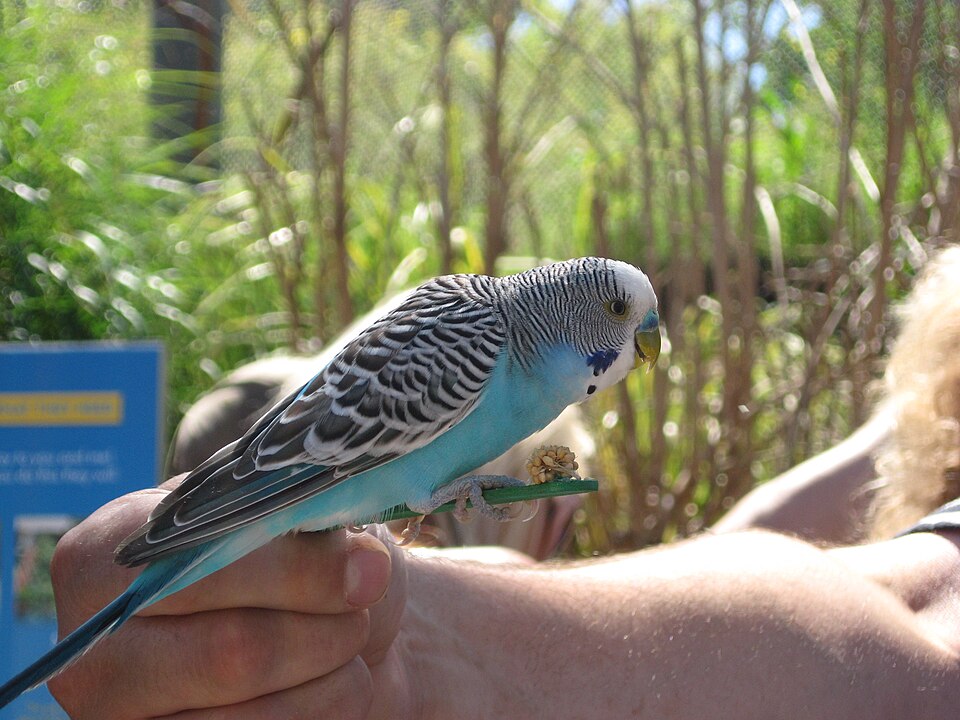
Foods that are harmful to birds: from avocado to chocolate, what not to share from your plate
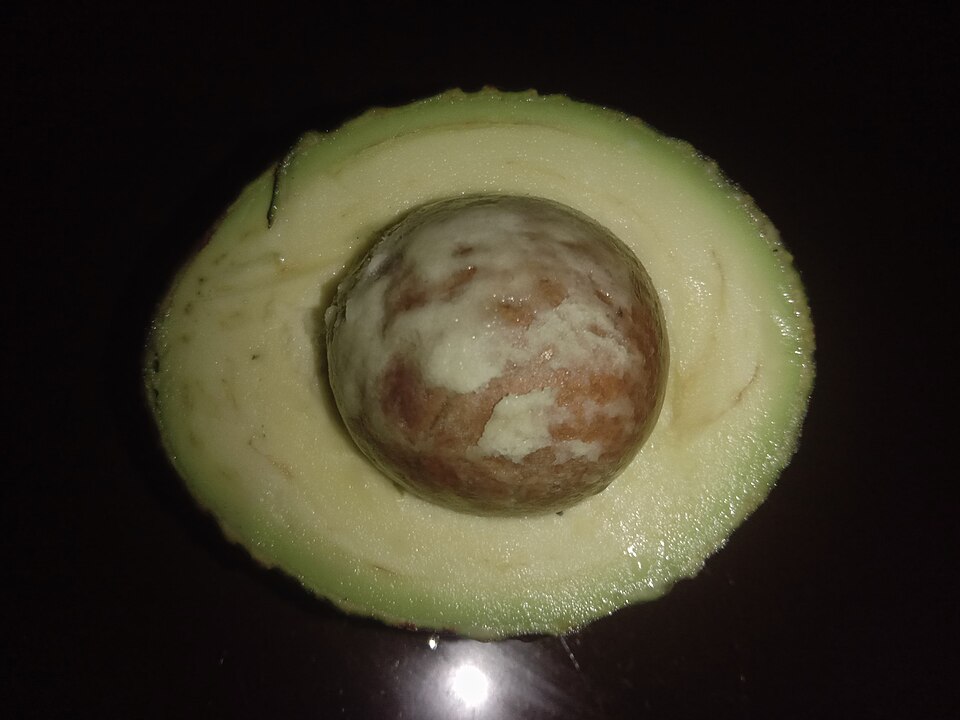
Sharing the breakfast table with your bird can be a sweet habit: a piece of apple, a sprig of parsley… But that same table also holds foods that are seriously dangerous for birds. Some of them are completely harmless to people. In this article, we've gathered what you should never give a bird and what you can give safely, based on veterinary sources.
- Never give: avocado, chocolate, caffeine (coffee, tea, cola), alcohol, very salty snacks, onions and garlic.
- Be careful with: dairy products; give apple with the seeds removed.
- Safe: many vegetables and fruits, thoroughly washed; but according to the RSPCA, vegetables and fruit should make up about a quarter of a parrot's diet.
- If your bird has eaten something harmful, call your vet without waiting.
Avocado: danger number one
According to the RSPCA, avocado is extremely toxic to parrots and should never be given. According to the University of Illinois College of Veterinary Medicine, avocado's skin, flesh, pit and leaves contain a substance called persin, which damages the heart in many animal species, though not in people. According to a vet at the same college, eating any part of the avocado plant can cause heart problems in birds, and even death. The Merck Veterinary Manual lists budgies, canaries and cockatiels among the animals sensitive to avocado and notes that cage birds appear to be more sensitive to it. The ASPCA also notes that avocado is most dangerous for birds and rabbits, and that it can cause heart damage and death in these animals.
Keep anything with avocado in it out of your bird's reach. If you grow an avocado tree at home, don't let your bird chew on its leaves.
Chocolate, coffee and tea
According to the University of Illinois College of Veterinary Medicine, caffeine and chocolate act as stimulants in birds and can cause overexcitement, tremors or seizures. Coffee, tea and cola contain caffeine too. According to the ASPCA, the methylxanthines found in chocolate and coffee can cause vomiting, diarrhea, hyperactivity, abnormal heart rhythm, tremors and seizures in animals. A cup of tea or a piece of chocolate left out on the table is a danger to a bird flying over.
Alcohol
According to the ASPCA's guide to bird poisonings written for vets, birds are also sensitive to the toxic effects of alcoholic drinks. According to the ASPCA, alcoholic drinks and foods containing alcohol can cause vomiting, diarrhea and poor coordination in pets. Keep your bird away from glasses, wine glasses and desserts made with alcohol.
Salty snacks
According to the ASPCA, too much salt causes excessive thirst and frequent urination in pets; severe salt poisoning can lead to vomiting, diarrhea, tremors, seizures and even death. Keep very salty snacks such as chips, crackers, salted nuts and popcorn away from your bird.
Onions and garlic
According to the University of Illinois College of Veterinary Medicine, onions and their relatives in the same family, garlic, leeks and chives, damage birds' red blood cells, which can lead to severe anemia. The ASPCA also notes that these plants can irritate the digestive system and damage blood cells in pets. Keep dishes and sauces made with onion and garlic away from your bird too.
Foods to be careful with
- Apple: The RSPCA lists apple with the seeds removed among the fruits it recommends for parrots.
- Dairy products: According to the ASPCA, pets have very little of the enzyme that digests milk sugar; milk and dairy products can cause diarrhea and digestive problems.
- Seeds and nuts: According to the RSPCA, ready-made seed mixes are high in fat; a seed-only diet can lead to obesity and fatty liver. Give seeds in moderation (see the proportions below).
What you can give safely
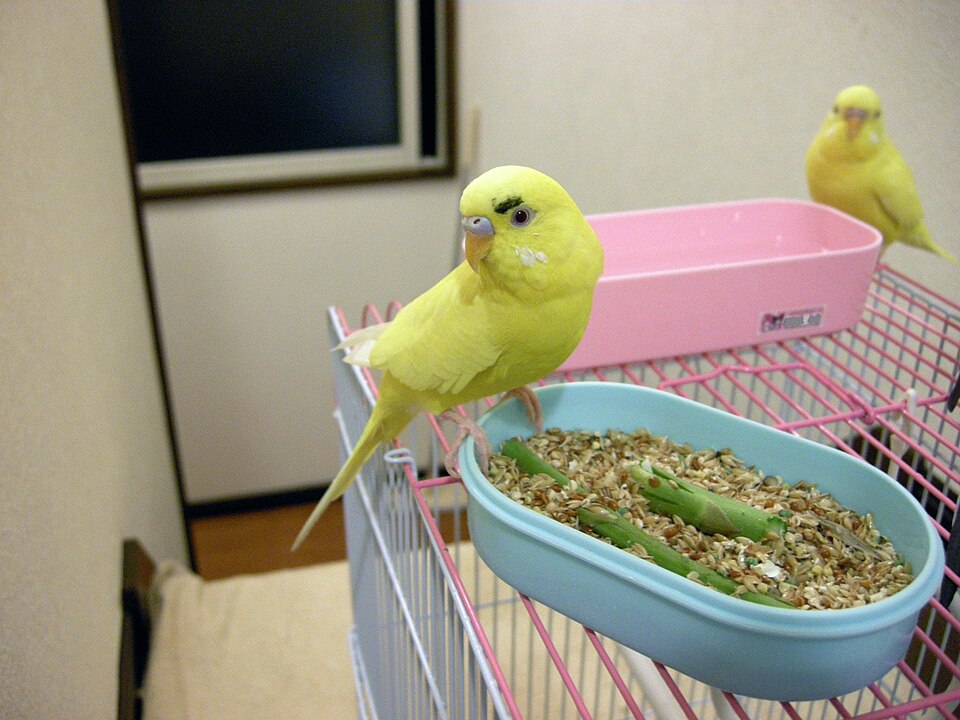
The vegetables and fruits the RSPCA recommends for parrots include carrots, broccoli, peas, apple with the seeds removed and blueberries. For canaries and finches, the RSPCA recommends fresh, washed greens such as dandelion and chickweed.
When preparing them:
- Wash thoroughly. The RSPCA recommends washing vegetables and fruit before giving them.
- Keep the balance. According to the RSPCA, about three quarters of a parrot's diet should be pellets and about a quarter washed vegetables and fruit. For small parrots such as budgies, seeds can be given every day, but they should make up no more than a tenth of the diet.
- Adjust for your bird. Talk to a vet experienced with birds about the right balance for your bird's species and health.
If your bird has eaten something harmful
- Remove what's left and move your bird away from the source.
- Note down what it ate and roughly how much.
- Call a vet experienced with birds right away. Because birds are small, even a tiny amount can matter.
- Don't try to do anything on your own; let your vet decide what to do.
Frequently asked questions
Can I give my bird a piece of cracker or a chip?
Don't. According to the ASPCA, salty snacks such as crackers and chips can cause excessive thirst in pets and, in severe cases, salt poisoning. If you want to give a treat, choose a piece of vegetable or fruit that's suitable for your bird. According to the RSPCA, seeds and nuts can also be used as treats, but only in very small amounts and only now and then.
Is even a small piece of avocado dangerous?
Yes. According to the Merck Veterinary Manual, even a small amount of avocado flesh can cause agitation and feather plucking in budgies, and the RSPCA also says avocado should never be given to parrots. Don't try to guess how much is dangerous; if your bird has eaten avocado, call your vet right away.
Can I give fruits like bananas and apples every day?
According to the RSPCA, about a quarter of a parrot's diet can be washed vegetables and fruit; the foundation of the diet is pellets. Make room for vegetables, not just fruit. Talk to your vet about the right balance for your bird.

Keep track of your pet's care in TüylümLog vet visits, vaccine and medication dates, and we'll remind you when it's time. Share it all with your family in Home.
Sources
- ASPCA Animal Poison Control · People foods to avoid feeding your pets
- University of Illinois College of Veterinary Medicine · These items are toxic to birds
- University of Illinois College of Veterinary Medicine · Bad for birds: prevent poisoning in avian pets (2026)
- ASPCA Animal Poison Control Center · Managing pet bird toxicoses (Exotic DVM, 2001, PDF)
- RSPCA · Diet: the right food for your bird
- Merck Veterinary Manual · Food Hazards (pet owner version)
By Tüylüm · Published and last checked: October 24, 2026. Spotted a mistake? Write to [email protected] and we'll fix it right away. Photos are from Wikimedia Commons, used under the license shown below each photo.