Canary care: song, cage, diet and a healthy life
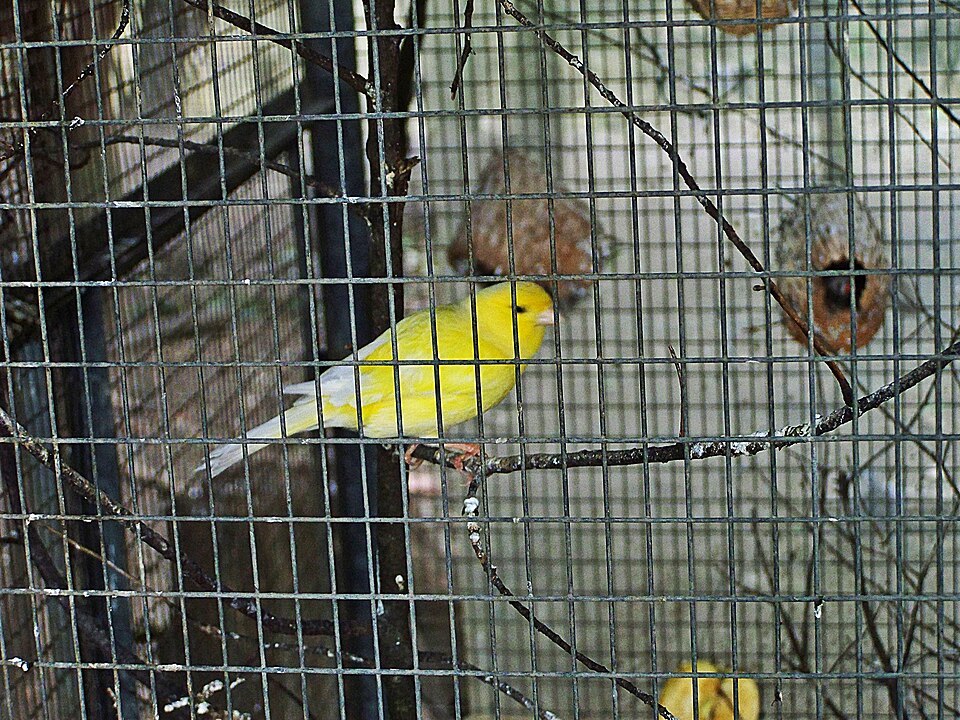
A canary's song drifting in from the balcony with the first light of morning… Canaries have lived in people's homes for a long time: according to the avian medicine reference Handbook of Avian Medicine, they have been bred in captivity since the 1400s. Today there are many canary varieties, some bred for their song, some for their color and some for their body shape.
- Song: According to the Merck Veterinary Manual, male canaries often have a beautiful song, and that's usually how males are told apart from females. Males sing best in spring.
- Cage: The cage's height, width and depth should be at least twice the bird's wingspan (if the bird spends most of its time in the cage).
- Diet: According to the RSPCA, canaries benefit from good-quality pellets and need fresh, washed greens. Seeds shouldn't make up most of the diet.
- Vet: Have your canary checked by a vet experienced with birds before you bring it home, then at least once a year after that.
A canary's character
According to the Merck Veterinary Manual, canaries and finches don't enjoy being handled; canaries are happy singing in their cages. So a canary is less a bird to cuddle and more a pet to listen to and watch.
According to Merck, healthy birds are lively and alert, with bright eyes, and they move around actively. Sitting hunched with fluffed-up feathers can be a sign of illness. If your canary sits fluffed up for a long time or seems sluggish, take it to a vet.
Song: who sings, and when do they go quiet?
According to the Merck Veterinary Manual, male canaries often have a beautiful song, and males are usually told apart from females this way. The songbird chapter of the Handbook of Avian Medicine says the same: the male sings, the female doesn't. Because males and females look very similar from the outside, a canary that never sings may actually be a female.
Singing changes with the seasons: according to the Handbook of Avian Medicine, male canaries sing best in spring. But if your canary's silence comes with a loss of appetite, if it sits fluffed up for a long time or if its behavior has changed, talk to your vet.
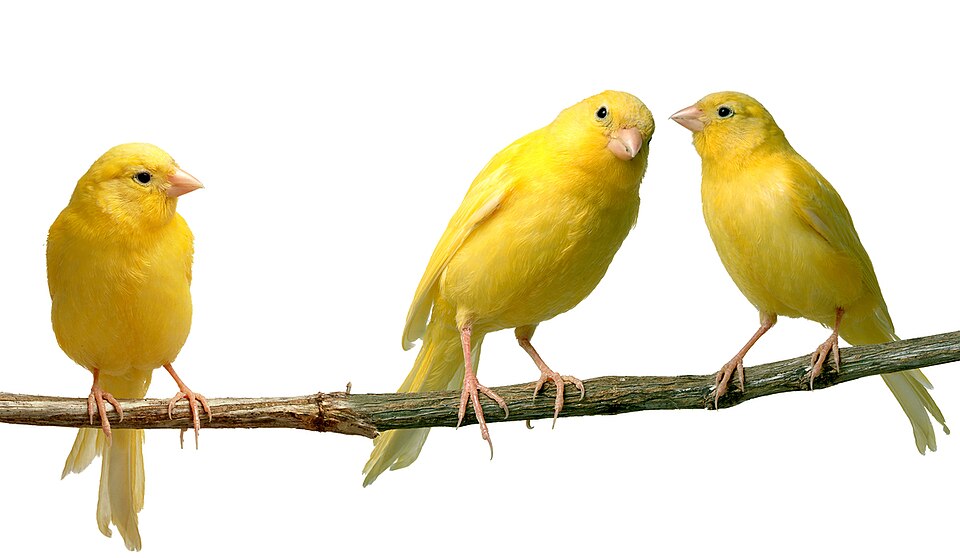
Cage and environment
The RSPCA bases cage size on the bird's wingspan: if the bird spends most of its time in the cage, the cage's height, width and depth should be at least twice its wingspan. For small birds under 50 grams, such as canaries, the cage should be 5 percent bigger for each bird beyond the first two. An open space where the bird can flap its wings as much as it likes is a must.
- Perches: Smooth natural wood perches of different thicknesses. Position them so droppings don't fall onto the food and water dishes.
- Location: Away from radiators, stoves, the cooktop and drafts, with its back against a solid wall. Details: where should a bird cage go?
- Light: The RSPCA recommends suitable lamps that provide UVA and UVB for birds that live indoors; glass or plastic between the bird and the lamp blocks these rays.
- Dangers: Fumes from nonstick pans, sprays and cigarette smoke are very dangerous for canaries too: household dangers for birds.
Alone or together?
According to the RSPCA, birds are social animals and do better with companions of their own species; the best setting for all birds is an aviary, in the company of their own kind and with room to fly and climb. If you're thinking of keeping more than one canary, ask an experienced breeder or a vet experienced with birds about how well the birds will get along and what cage size you'll need.
Diet
According to the RSPCA, canaries and finches mostly eat seeds, but they benefit from good-quality pellets. According to the Handbook of Avian Medicine, birds fed only on seeds can end up short on calcium, phosphorus and vitamins such as A, D3 and E.
| Food | Recommendation |
|---|---|
| Good-quality pellets | According to the RSPCA, canaries benefit from pellets |
| Fresh greens | RSPCA: such as dandelion and chickweed, thoroughly washed |
| Seeds | Merck: fine now and then, but they shouldn't make up most of the diet |
- Greens: The RSPCA recommends giving fresh greens such as dandelion and chickweed, thoroughly washed. According to Merck, birds can be given a small amount of fresh vegetables and fruit every day in addition to pellets.
- Leaving food out: According to Merck, fresh food can stay in the cage during the day, but it shouldn't be left too long, because it can spoil.
- Water: According to Merck, water should always be fresh and clean; wash the food and water dishes every day in hot, soapy water and dry them thoroughly.
Avocado, chocolate, caffeine, alcohol, very salty snacks, and onions and garlic are dangerous for birds. We've collected the reasons and the sources in a separate article: foods that are harmful to birds. Check this list before giving your canary anything from your own food.
If your female canary is laying eggs, or you're wondering whether a supplement is needed, don't give it anything on your own; talk to your vet.
Vet checkups
The Merck Veterinary Manual recommends having a new bird checked by a vet who knows birds before you bring it home. After that, Merck recommends taking your bird to the vet at least once a year so it stays healthy and lives longer. These visits are also a good opportunity to discuss your questions about diet and care.
You can log your canary's vet checkups, nail trim dates and weight in Tüylüm. We'll remind you when an appointment is coming up, and in the Today tab you can also tick off daily jobs such as Food, Water and Cage cleaning.
Frequently asked questions
How long do canaries live?
According to the Merck Veterinary Manual, canaries can live up to 15 years. To help your bird live longer, Merck recommends nutritious food and a vet checkup at least once a year.
Why isn't my canary singing?
It may be a female: according to Merck, males usually sing beautifully, and that's how they're told apart from females. The season matters too; according to the Handbook of Avian Medicine, males sing best in spring. If the silence comes with a loss of appetite, sitting fluffed up or sluggishness, talk to your vet.
Can I hold and pet my canary?
According to the Merck Veterinary Manual, canaries usually don't enjoy being handled; they're happy singing in their cages. Watch your bird's body language, don't force it if it's frightened, and approach it at its own pace. Steps for building trust with a bird: bonding with your bird.

Keep track of your pet's care in TüylümLog vet visits, vaccine and medication dates, and we'll remind you when it's time. Share it all with your family in Home.
Sources
- RSPCA · Housing and environments for pet birds
- RSPCA · Living with other birds
- RSPCA · Diet: the right food for your bird
- Merck Veterinary Manual · Choosing a Pet Bird (pet owner version)
- Merck Veterinary Manual · Feeding a Pet Bird (pet owner version)
- Handbook of Avian Medicine (Elsevier, 2009) · Passerines, G. M. Dorrestein
By Tüylüm · Published and last checked: October 24, 2026. Spotted a mistake? Write to [email protected] and we'll fix it right away. Photos are from Wikimedia Commons, used under the license shown below each photo.