Where should a bird cage go? 8 rules for the right spot
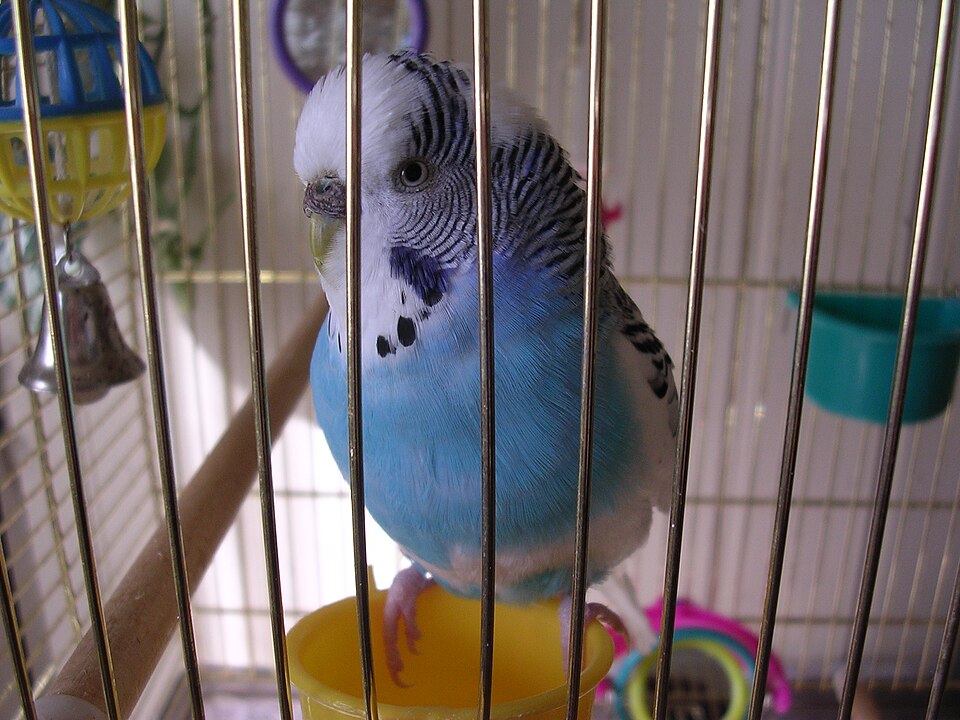
You've bought a new cage, and your bird is ready to move in. But where are you going to put the cage? Most people pick "where it'll be seen the most" or "the emptiest corner". But for a bird, the most important things are feeling safe and clean air. Where the cage goes has a direct effect on both.
- Not in the kitchen: Fumes from nonstick pans, burning oil and steam are dangerous for birds.
- Away from radiators, stoves, the cooktop and drafts.
- With its back against a solid wall and its top partly covered with a cloth, so your bird feels safe.
- Away from smoke and sprays: Don't put it in rooms where people smoke, or where air fresheners or scent diffusers are used.
- Protected from other animals and where you can keep an eye on it.
1. The kitchen: no
The kitchen is the worst place in the house for a bird cage. According to the University of Illinois College of Veterinary Medicine, nonstick (PTFE, Teflon) coatings can give off a colorless, odorless toxic gas when heated, and even a very small amount can be deadly for birds. On the ASPCA's list, burning food and overheated oil are also among the fumes that harm birds. The RSPCA also says not to let your bird fly into the kitchen or other dangerous areas.
2. Away from heat sources
The RSPCA recommends keeping the cage away from heat sources such as radiators, fireplaces, stoves and cooktops. A cage right next to a heat source can get very hot, and the temperature around the bird keeps changing.
3. Away from drafts
According to the RSPCA, the cage shouldn't be in a draft. That's why the area right in front of doors and windows that are often opened and closed, or in front of air conditioners, isn't a good spot.
4. Back against a wall
The RSPCA recommends placing the back of the cage against a solid wall and covering the top with a cloth, so your bird feels safe. In the wild, birds are on the lookout for danger coming from above and behind; in a cage standing in the middle of the room with an open back, a bird may feel constantly on edge.
5. Away from smoke and smells
On the ASPCA's list, all kinds of smoke, air fresheners, insecticides, bleach and ammonia, and paint, glue and nail polish are among the inhaled substances that harm birds. Don't put the cage in rooms where people smoke or where sprays or scents are used often. When you're cleaning, move your bird to another well-ventilated room.
Having a carbon monoxide alarm at home is a good precaution for everyone; birds are very sensitive to harmful gases in the air.
6. Windows and mirrors
A windowsill is one of the first places that comes to mind, but be careful:
- In front of a window, the cage can be in a draft and can overheat when the sun shines directly on it. Your bird should always have a spot where it can move into the shade.
- The RSPCA notes that large mirrors and windows can confuse a bird when it's out of the cage, and recommends covering them.
- Never let your bird out of the cage while a window is open.
7. Protected from other animals
Cats and dogs can stress a caged bird just by watching it all the time. Put the cage somewhere sturdy where it won't tip over and other animals can't jump up and reach it. When your bird is out of the cage, take your other pets out of the room.
8. Light and darkness
Birds are very dependent on light and the rhythm of the day. The RSPCA recommends suitable lamps that provide UVA and UVB for birds that live indoors; the lamps should be on for about as long as the daylight the bird would get in the wild, and there shouldn't be any glass or plastic between the bird and the lamp. There should also be shaded spots where your bird can get away from the light. At night, it's important that your bird can rest in a dark, quiet setting.
What's inside the cage matters too
The inside of the cage shapes your bird's life just as much as its location does. The RSPCA recommends:
- Perches: Smooth natural wood perches of different thicknesses, enough for every bird.
- Perch placement: Droppings shouldn't fall onto the food and water dishes or onto other birds.
- Different angles: Placing perches at different angles encourages your bird to climb and fly.
- Open space: Leave an open space where your bird can flap its wings as much as it likes.
For cage size and other care details: budgie care.
Frequently asked questions
Can I put the cage on the balcony?
On a balcony, your bird may be exposed to direct sun, sudden temperature changes and drafts, and it can also be frightened by birds of prey and cats. If you take the cage out onto the balcony, keep it in the shade and sheltered from the wind, and don't leave your bird out there alone. As the RSPCA recommends for aviaries, it's important that at least a third of an outdoor space is in the shade.
Should I cover the cage at night?
The RSPCA recommends covering the top of the cage with a cloth so your bird feels safe. A dark, quiet setting at night also helps your bird rest; make sure the cage isn't left completely without air.
Can I move the cage around often?
Birds feel more comfortable in a regular, predictable environment. Once you've found a good spot, keep the cage there.

Keep track of your pet's care in TüylümLog vet visits, vaccine and medication dates, and we'll remind you when it's time. Share it all with your family in Home.
Sources
- RSPCA · Housing and environments for pet birds
- University of Illinois College of Veterinary Medicine · These items are toxic to birds
- ASPCA Animal Poison Control Center · Managing pet bird toxicoses (Exotic DVM, 2001, PDF)
By Tüylüm · Published and last checked: October 24, 2026. Spotted a mistake? Write to [email protected] and we'll fix it right away. Photos are from Wikimedia Commons, used under the license shown below each photo.