12 foods you should never give your dog
It's hard to say "no" to a dog waiting by the table with those big, soulful eyes. Sharing even a small bite feels like love. But some foods in our kitchens that are harmless to us can cause serious poisoning in dogs. We put this list together based on warnings from the ASPCA, which runs an animal poison control center in the US, and the US Food and Drug Administration (FDA).
- The most dangerous: xylitol (sugar-free gum, candy, some toothpastes), grapes and raisins, chocolate and caffeine, onions, garlic and chives, alcohol, raw yeast dough.
- Bones: According to the FDA, bones can get stuck in the esophagus, stomach or intestines; the ASPCA also notes that bones can cause injury or blockage in the digestive tract.
- Don't wait: If your dog has eaten any of these, note down how much it ate and call your vet right away. Signs can start hours later.
1. Xylitol: anything labeled "sugar-free"
Xylitol is a sweetener used in place of sugar. According to the FDA, it can be found in sugar-free gum, breath mints and candy, some baked goods, cough syrups, chewable vitamins, mouthwashes, toothpastes and some peanut butters.
Dogs absorb xylitol very quickly; the body responds by releasing a large amount of insulin, and blood sugar can drop dangerously within 10 to 60 minutes. Vomiting, weakness, staggering, collapse and seizures can occur. The ASPCA notes that xylitol can also cause liver damage.
Check whether "sugar-free" or "reduced-sugar" products contain xylitol. Never use human toothpaste on your dog, and check the label of any peanut butter you use for treats or for hiding medication.
2. Grapes and raisins
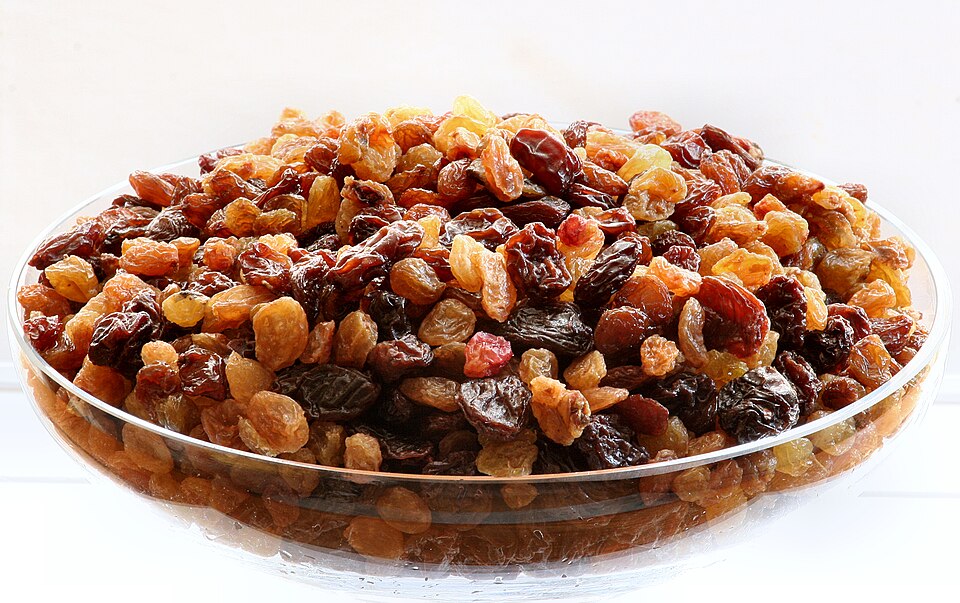
According to the ASPCA, grapes and raisins can cause kidney damage in dogs; the suspected toxic substance is tartaric acid. Raisins can be hiding unnoticed in cakes, cookies, cereals and granola bars.
3. Chocolate, coffee and caffeine
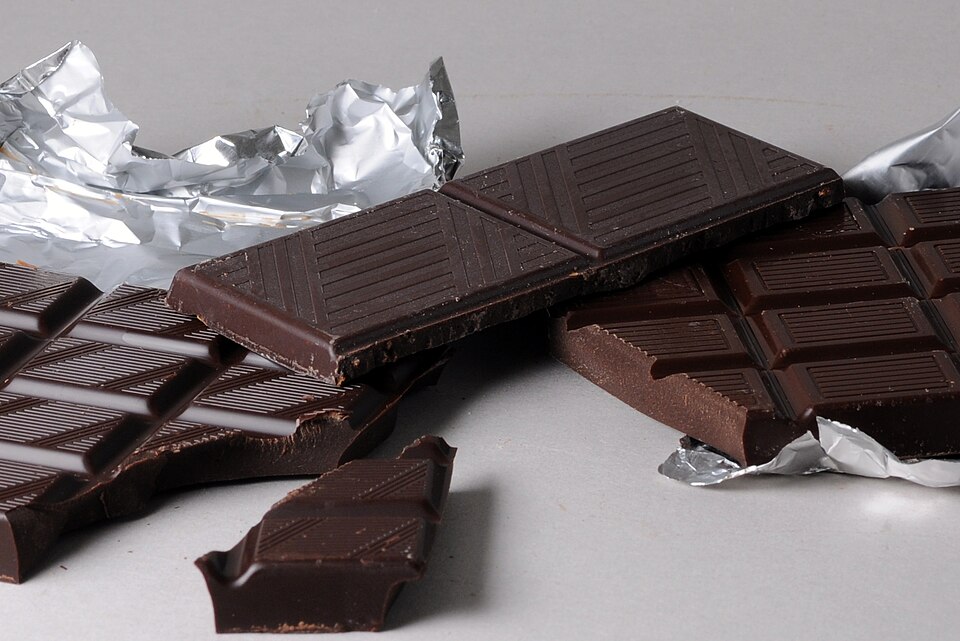
The harmful substances in chocolate and coffee (methylxanthines) can cause vomiting, diarrhea, rapid breathing, excessive thirst and urination, hyperactivity, abnormal heart rhythm, tremors and seizures. According to the ASPCA, the darker the chocolate, the greater the danger: baking chocolate and cocoa powder are the most concentrated. Coffee beans, instant coffee and caffeinated drinks belong in the same group.
4. Onions, garlic and chives
Onions, garlic and chives belong to the same plant family (Allium). According to the ASPCA, they can irritate the stomach and intestines and cause anemia by damaging red blood cells. Cats are more sensitive, but dogs are also at risk depending on the amount eaten. Powdered forms and dishes cooked with them (for example, onion sauce or garlicky meatballs) carry the same risk.
5. Alcohol
Alcohol is absorbed quickly and can seriously affect the nervous system and breathing. The ASPCA lists vomiting, diarrhea, poor coordination, lethargy, difficulty breathing and tremors as signs; in severe cases, coma and death can follow. This includes desserts made with alcohol and leftover cocktails.
6. Raw yeast dough
Raw dough keeps rising in the stomach, causing painful gas and bloating. According to the ASPCA, the stomach can twist, which is a life-threatening emergency. Yeast also produces alcohol during digestion, so raw dough can cause alcohol poisoning too. When you leave dough to rise in the kitchen, put it somewhere your dog can't reach.
7. Macadamia nuts and other nuts
According to the ASPCA, macadamia nuts can cause weakness, poor coordination, lethargy, vomiting, tremors and a rise in body temperature in dogs; signs usually start within 12 hours of eating them. Fatty nuts such as almonds, walnuts and pecans can also cause vomiting and diarrhea, and in some dogs they can lead to inflammation of the pancreas.
8. Salt and salty snacks
Too much salt can cause excessive thirst and urination and upset the salt balance in the blood. The ASPCA lists vomiting, diarrhea, lethargy, tremors and seizures; in severe cases, death. That's why sharing chips, crackers and salted nuts isn't a good idea.
9. Bones
According to the FDA, bones, just like avocado pits and corncobs, can get stuck in a dog's esophagus, stomach or intestines.
The ASPCA also notes that raw bones can cause injury or blockage in the digestive tract too, and may require surgery.
10. Milk and dairy products
Dogs don't make enough of the enzyme needed to digest lactose. According to the ASPCA, milk and dairy products can cause diarrhea and digestive problems.
11. Raw meat and raw eggs
Raw meat and eggs can carry bacteria such as Salmonella and E. coli, which can affect both your dog and the people in your home. The ASPCA also notes that an enzyme in raw eggs can interfere with vitamin absorption, leading to skin and coat problems.
12. Avocado (take extra care if you have birds or rabbits)
According to the ASPCA, avocado is mainly dangerous for birds, rabbits, horses and ruminants; in birds and rabbits, it can cause heart damage and death. If you have other pets at home, such as a bird or a rabbit, keep avocado away from all of them.
If your dog has eaten any of these
- Stay calm and remove what's left. Move your dog away from the food.
- Note down what it ate and how much. Keep the package label; details such as xylitol or cocoa content matter to your vet.
- Call your vet right away. Don't wait, even if there are no signs; some substances, such as xylitol, act within minutes, while some serious effects may only appear within 12–24 hours.
- Don't try to make your dog vomit or give it medication on your own. Let your vet decide what to do.
When you discover an empty chocolate wrapper at midnight, your vet's number should be the first thing that comes to mind. In Tüylüm, you can save your clinic on the Health › My vet page, add that it's open 24/7 and call it with a single tap.
So what can I give my dog?
The safest treats are ones made for dogs. If your dog has special dietary needs or sensitivities, talk to your vet about which foods are suitable. A reward doesn't have to be "food", either: sniffing games, toys and short training sessions are worth at least as much as a tasty bite to a dog. For ideas: sniffing games.
Frequently asked questions
My dog ate a piece of milk chocolate. Is that dangerous?
The danger depends on how much was eaten, the type of chocolate and the size of your dog; according to the ASPCA, dark chocolate is the most dangerous. Don't tell yourself "one piece won't hurt"; note down how much your dog ate, keep the package and call your vet so they can assess it.
I've heard garlic is good for fleas. Can I give my dog a little?
No. According to the ASPCA, garlic and onions can damage red blood cells in dogs. For flea and parasite protection, use the products your vet recommends.
Can I give my dog cooked bones?
According to the FDA, bones can get stuck in a dog's esophagus, stomach or intestines; the ASPCA also notes that bones can cause injury or blockage in the digestive tract. Instead of bones, ask your vet about safe chew products made for dogs.

Keep track of your pet's care in TüylümLog vet visits, vaccine and medication dates, and we'll remind you when it's time. Share it all with your family in Home.
Sources
- ASPCA Animal Poison Control · People foods to avoid feeding your pets
- U.S. FDA · Paws Off Xylitol; It's Dangerous for Dogs
- U.S. FDA · Potentially Dangerous Items for Your Pet
By Tüylüm · Published and last checked: October 24, 2026. Spotted a mistake? Write to [email protected] and we'll fix it right away. Photos are from Wikimedia Commons, used under the license shown below each photo.