Your new puppy is home: the first day, the first night and the first week
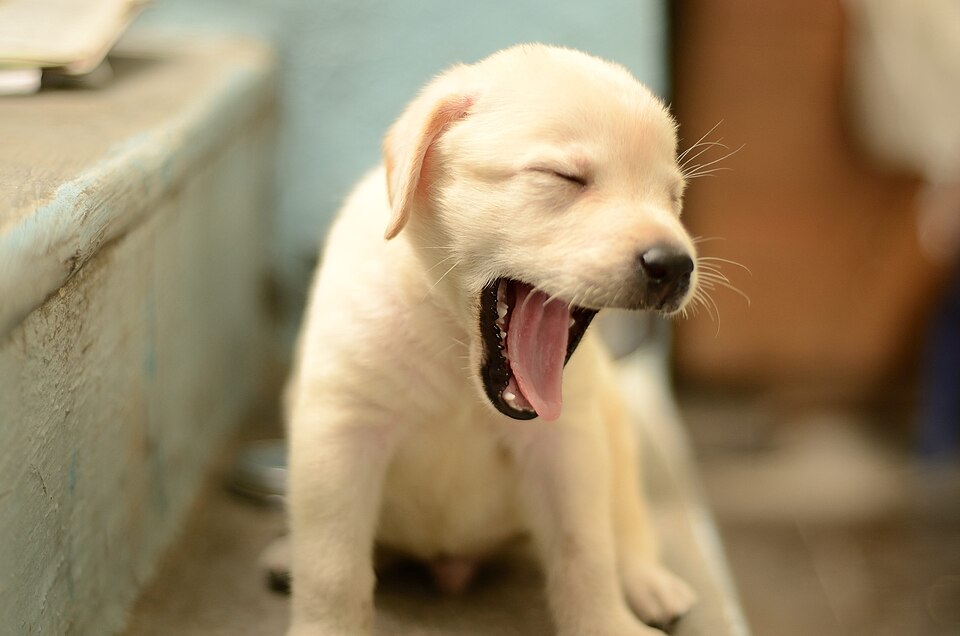
There's a small, warm, sweet-smelling puppy in your arms, and years together ahead of you. The first days are very exciting and a little exhausting: crying at night, little accidents on the rug, tiny teeth trying to bite everything. But the routine you set up in these first weeks will lay the foundation for habits your dog carries for the rest of its life.
- Get your home ready before your puppy arrives: a bed, bowls, toys, a collar and leash; put away anything dangerous or chewable, and cover cables.
- Give your puppy its own space in a quiet corner of the house, where it won't be disturbed.
- On the first night, sleep in the same room, and teach it to be alone step by step.
- Start toilet training on day one: take your puppy outside often, reward it when it goes outside, and never punish accidents.
- The first three months are very valuable for socialization: give your puppy good experiences with people, sounds and new environments.
Before your puppy arrives: get your home ready
Dogs Trust recommends having these ready before your puppy arrives:
- For sleeping: A bed and a blanket.
- For eating: Food and water bowls, and the food your puppy ate in its previous home.
- For play: Safe toys it can chew.
- For going out: A collar with ID, a leash and a harness.
- For safety: Put dangerous or chewable items out of reach and cover electrical cables. Use a baby gate if needed.
Set up your puppy's own space in a quiet corner of the house, away from its food and water area. Dogs Trust stresses that this space matters and that nobody should disturb your puppy while it's there.
The first day
Don't invite visitors over in the first days. According to Dogs Trust, your puppy shouldn't be overwhelmed by new faces early on; it needs to get to know you and your home first. Everyone will want to meet the newest family member, but they can wait a few days.
Set up a routine. Tie mealtimes, bedtime and toilet trips to set times. Puppies love routine; knowing what will happen when helps them feel at ease.
If you have children: Children shouldn't pick the puppy up, and if the puppy moves away or seems uninterested, they should leave it alone. Dogs Trust recommends that children and dogs are only ever together under an adult's active supervision.
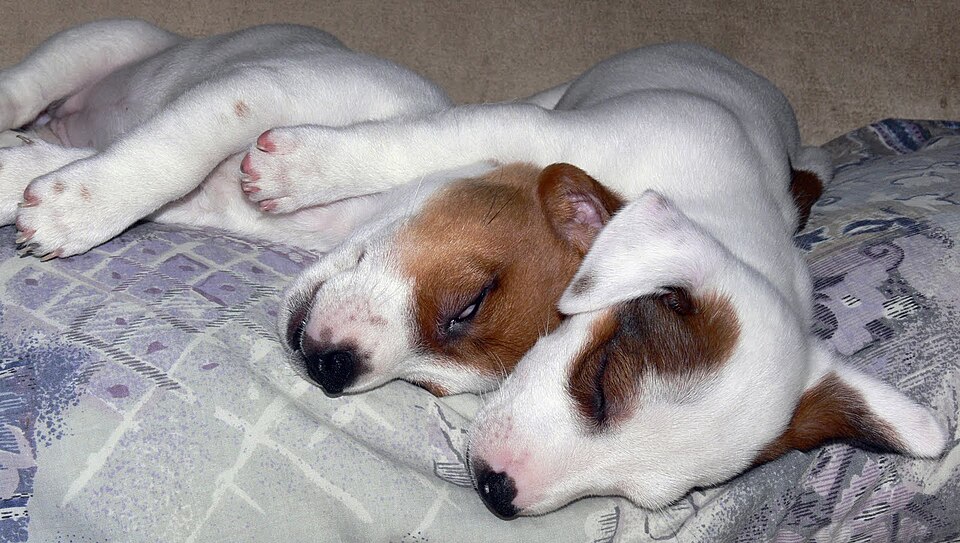
The first night
The first night is usually the hardest: your puppy is sleeping away from its mother and littermates for the first time in its life. Dogs Trust recommends:
- Sleep in the same room. Don't leave your puppy alone on the first nights.
- Move away gradually. Over the days, move its bed, or yourself, a little farther away step by step.
- If it cries, go back a step. If your puppy cries, return to the previous step and progress more slowly.
- A toilet trip before bed. Make sure it has had a chance to go to the toilet before bed, and take it out if it needs to go during the night.
- An enclosed bed with high sides. Dogs Trust recommends a bed with high sides where your puppy will feel sheltered, rather than leaving it alone in a cold kitchen.
Dogs Trust also recommends not shutting your puppy in a crate on the first nights. If your puppy's distress doesn't ease as the days go by, get help from a behaviorist through your vet.
Toilet training: start on day one
According to Dogs Trust, toilet training should start on day one. The basic rules are simple:
- Take your puppy out often. Puppies usually need the toilet within 20 minutes of eating or waking up; always take them outside at these times.
- Reward it when it goes outside. Every time, right in the moment: affection, calm praise or a small treat.
- Don't punish accidents. According to Dogs Trust, accidents are bound to happen at first; don't shout at or punish your puppy. Just clean up, using suitable cleaning products so no smell is left behind.
Dogs Trust estimates that a typical puppy can be largely toilet trained within 3–4 weeks. Every puppy is different, so keep going patiently.
You can track food, water and walk times as daily tasks in Tüylüm's Today tab. Everyone in your Home sees the same list, so your puppy doesn't get fed twice and no walk gets forgotten.
Socialization: the period you shouldn't miss
According to the American Veterinary Society of Animal Behavior (AVSAB), a puppy's first three months are the most important period for adjusting to new people, animals and experiences. During this time, curiosity outweighs fear. Dogs that haven't been well socialized are more likely to develop fear, avoidance and aggression problems later on.
What can you do?
- Introduce your puppy step by step to different people (people in hats, people with beards, children, older people), different sounds (the vacuum cleaner, the doorbell, traffic) and different surfaces.
- Pair every new experience with something good: a treat, play, a calm voice.
- Don't overwhelm it. If your puppy backs away, hides or trembles, slow down.
- If its vaccinations aren't complete yet, talk to your vet about which environments are safe, when it can go outside and when it can start puppy classes. AVSAB recommends that socialization begins under safe conditions before the vaccinations are complete.
The first walks
Dogs Trust recommends keeping the first walks short and building up the time gradually. Ask your vet how much walking is right at the start; a growing puppy's needs are different from an adult dog's.
First-week checklist
- Book a get-to-know-you appointment with your vet. Listen to their recommendations for vaccinations, parasite control and an overall health plan.
- Microchip and PETVET registration. In Turkey, owned dogs must by law be registered with digital identification. Details: Turkey's national pet registration system PETVET and microchipping.
- Learn which foods are dangerous. Chocolate, grapes, xylitol and more: foods that are harmful to dogs.
- Teach it to be alone, step by step. Don't leave your puppy alone for long periods; start with short ones. Guide: separation anxiety in dogs.
Frequently asked questions
My puppy cries all night. What should I do?
This is very common on the first nights. Dogs Trust recommends sleeping in the same room as your puppy on the first nights and moving away step by step; if your puppy cries, go back to the previous step. Don't forget that it may need the toilet. If the distress doesn't ease over the days, get help from your vet and a behaviorist.
My puppy went to the toilet on the rug. Should I rub its nose in it?
No. Dogs Trust stresses not shouting at or punishing your puppy for accidents; punishment only shakes your puppy's trust in you. Clean up the accident, and reward your puppy the next time it goes outside.
Should I keep my puppy indoors until its vaccinations are finished?
AVSAB stresses that this period is very valuable for socialization, but it's your vet who decides which environments are safe and sets the vaccination schedule. Make a safe plan together with them.

Keep track of your pet's care in TüylümLog vet visits, vaccine and medication dates, and we'll remind you when it's time. Share it all with your family in Home.
Sources
- Dogs Trust · How to help your puppy get settled into your home
- Dogs Trust · Day one with a new puppy
- Dogs Trust · How to toilet train your puppy
- Dogs Trust · Sounds Sociable (PDF)
- AVSAB · Puppy Socialization Position Statement (Purdue Canine Welfare summary)
By Tüylüm · Published and last checked: October 24, 2026. Spotted a mistake? Write to [email protected] and we'll fix it right away. Photos are from Wikimedia Commons, used under the license shown below each photo.