Fireworks and thunder: how to help a frightened dog

It's nearly midnight on New Year's Eve, and the first bangs start going off from the balconies. For you it's a celebration; for your dog, the sky is suddenly falling in. It trembles, pants, squeezes into a corner of the bathroom or tries to bolt out the door. In Turkey, these sounds don't only come on New Year's Eve: they can also come with weddings, football victory celebrations and national and religious holidays (bayram). The good news is that with a little preparation, you can make that night much easier for both your dog and you.
- Don't wait for the fear to arrive: prepare a calm safe space for your dog in advance and get it used to it.
- On the night: be indoors early, close the curtains, put on music or the TV in the background, and stay with your dog.
- If your dog is looking for comfort, give it calm attention; according to Dogs Trust, ignoring it doesn't help.
- Never scold your dog for things it does out of fear; it makes the fear worse.
- Check doors and the garden fence, and make sure your dog's microchip details are up to date; frightened dogs can run away.
Why are they so frightened?
When sudden, loud bangs that seem to come from nowhere combine with flashes of light and the smell of gunpowder, many dogs feel they are in danger. Some show it openly; others simply hide in silence.
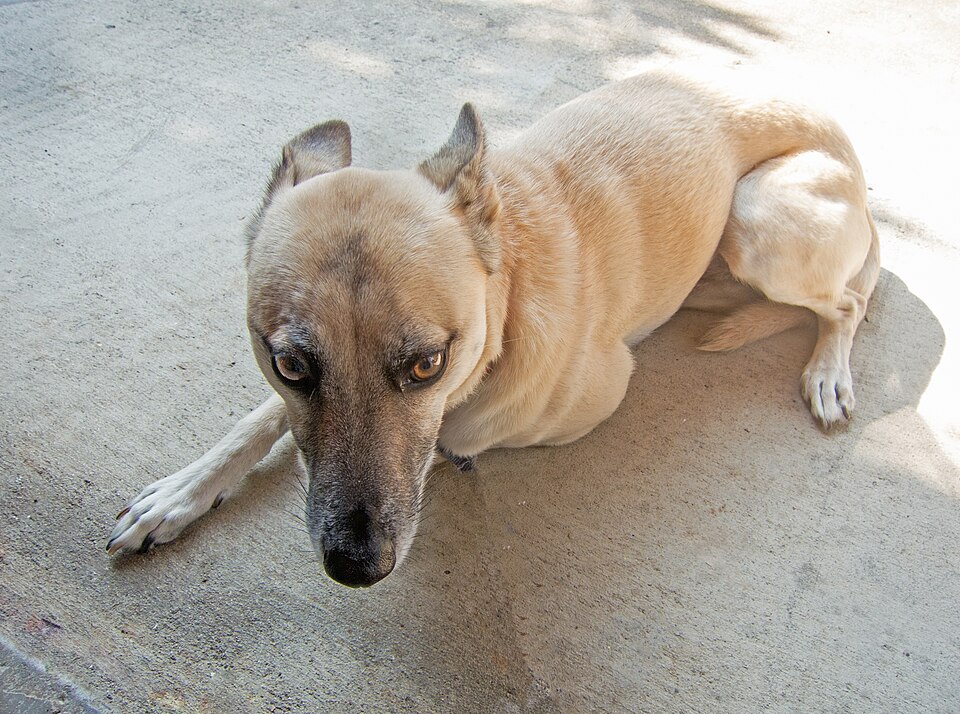
Signs of fear can include trembling, panting, hiding, following you around and not leaving your side, barking or howling, trying to escape, and toileting in the house. Dogs Trust recommends that you talk to your vet if you see signs of fear in your dog; your vet can check for health problems and, if needed, refer you to a behaviorist or discuss other options.
Prepare ahead: set up a "safe space"
One of Dogs Trust's most important recommendations is a safe space your dog can go to when it's frightened. The key is to introduce this space before fireworks night: your dog should learn that it's a nice place to be. It may not use a spot it's shown for the first time at the moment it's already scared; never force it in there.
- Location: A quiet corner of the house, or a tucked-away spot such as the space under the stairs.
- Comfort: Make it warm, cozy and draft-free, and big enough for your dog to stand up and lie down in.
- Getting in and out: Your dog should be able to go in and out easily; the space shouldn't close and trap it inside.
- Safety: Avoid furniture that could tip over or collapse.
- Soundproofing: Blankets draped over a crate or a table can muffle the noise a little.
Before fireworks season
- Check doors, windows and the garden fence. Frightened dogs may try to escape from the house or the garden.
- Update microchip and contact details. Whether a dog that runs away can make it back to you depends on this. Details: Turkey's national pet registration system PETVET and microchipping.
- Talk to your vet. If your dog is very frightened every year, talk early about what can be done for the days ahead.
What to do on the night
- Walk early. Take your dog out for its walk and a toilet break before the fireworks start and before it gets dark.
- Be indoors early. Dogs Trust recommends being inside well before the fireworks begin.
- Close the curtains. Flashes of light can make the fear worse.
- Mask the noise. Keep music or the TV on in the background. Dogs Trust has even put together a free "sound blanket" playlist for this.
- Stay with your dog. Don't leave your dog home alone on this night.
- If it wants to hide, let it. Let it stay wherever it feels safe; don't try to coax it out.
For a long time people said, "Don't cuddle a frightened dog, you'll reward the fear." Dogs Trust says the opposite: if your dog is looking for comfort, give it calm attention and reassure it; research shows that ignoring it doesn't help. The calmer you are, the more secure your dog will feel.
A frightened dog may toilet in the house, chew things or bark. Dogs Trust stresses that you shouldn't scold your dog for these things; scolding makes its fear even bigger.
In the long run: reducing the fear
Once fireworks season is over, you can work on reducing the fear before the next year comes around. Dogs Trust's free Sounds Scary program is a sound therapy program that introduces the frightening sounds gradually, starting at a very low volume, and pairs them with good things. Dogs Trust reports that in an independent study, more than 90 percent of the dogs that followed the program showed clear improvement after 8 weeks.
Two rules to keep in mind with this kind of training:
- Start the sound at a very low volume; if your dog seems uncomfortable, the sound is too loud.
- Don't train while your dog is already frightened; this work is done at calm times.
If your dog is very severely frightened, or you aren't seeing any progress, the best approach is to work together with your vet and a behaviorist.
Frequently asked questions
My dog hides in a corner of the bathroom. Should I get it out?
No. According to Dogs Trust, if your dog wants to hide, you should let it stay where it feels safe. You can calmly sit next to it and bring its blanket and water over there.
Can I leave my dog in the garden on fireworks night?
It isn't recommended. Frightened dogs may try to jump the fence or squeeze out under the gate. Keep your dog indoors and with you, and make sure doors and windows are closed.
Does the same apply to thunder?
Yes. For dogs that are scared of sudden, loud noises, a safe space, a calm environment, having you by their side and, in the long run, sound therapy programs also help with thunder.

Keep track of your pet's care in TüylümLog vet visits, vaccine and medication dates, and we'll remind you when it's time. Share it all with your family in Home.
Sources
- Dogs Trust · Supporting your dog during fireworks
- Dogs Trust · Creating a safe space for your dog
- Dogs Trust · Sound therapy for pets (Sounds Scary)
- Dogs Trust · What to do if your dog is scared of loud noises
By Tüylüm · Published and last checked: October 24, 2026. Spotted a mistake? Write to [email protected] and we'll fix it right away. Photos are from Wikimedia Commons, used under the license shown below each photo.