Helping garden and balcony birds in winter: food, water and clean feeders
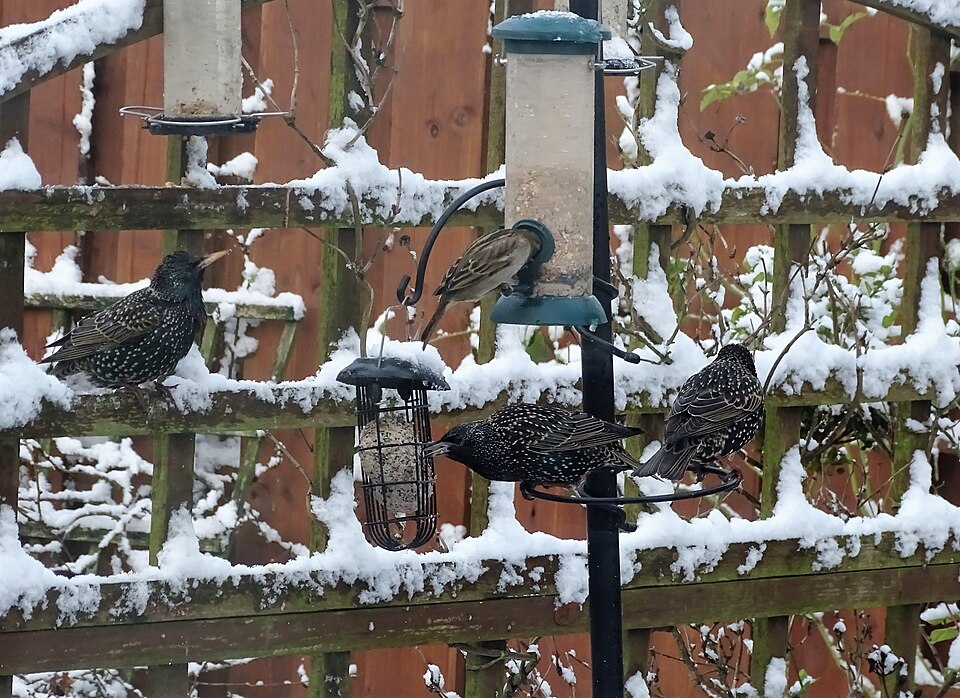
When winter comes, there's less food in nature, and water sources can freeze. That means hard times for sparrows, tits, finches and blackbirds. A feeder in your garden or on your balcony and a dish of clean water can really make a difference to them. But good intentions alone aren't enough: the wrong food, a dirty feeder or a feeding spot in the wrong place can spread disease among birds. In this article, we've brought together the advice that the RSPB, the UK's bird conservation charity, updated in 2026, along with tips from The Wildlife Trusts and London's Natural History Museum.
- Calendar: According to the RSPB, seeds and peanuts are offered from November 1 to April 30; take a break in summer and fall.
- Hanging feeders: According to the RSPB, flat feeders such as bird tables, window feeders and trays carry the greatest risk of spreading disease; they're no longer recommended.
- Little and often: Put out only enough seeds and peanuts to be eaten in 1–2 days, and suet products to be eaten within 7 days at most.
- Cleaning: Wash feeders and bird baths at least once a week; change the bath water every day.
- Frozen water: Break the ice or melt it with hot water; according to the Natural History Museum, don't use salt or de-icers.
- If you see a sick bird: Stop feeding for a few weeks and clean the feeders thoroughly.
Why winter?
According to the RSPB, feeding birds is beneficial in winter, especially in cold weather and during the March–April "hungry gap," when natural food runs low. Between May and October, there's enough food in nature for birds, and natural food is at its peak in those months.
There's also a disease side to the calendar. According to the RSPB, a highly contagious disease called trichomonosis can spread where birds gather in numbers to share food and water, and the risk of outbreaks is highest in summer and fall; in cold winter weather, the risk drops. According to the RSPB, greenfinch numbers in the UK have fallen by more than 65% over the last three decades because of this disease. That's why the RSPB's new advice is short: feed seasonally, feed safely.
The RSPB's dates are given for the UK. Keep winter conditions in your own area in mind too.
What to feed
The foods the RSPB recommends are: seed mixes, sunflower seeds or sunflower hearts, nyjer seed, peanuts in a suitable feeder, live or dried mealworms, beef suet, and bruised fruit such as apples and pears. According to the RSPB, birds need high-energy, high-fat foods in cold weather, which makes suet balls a good choice for winter.
| Food | When? (RSPB) |
|---|---|
| Seed mixes, sunflower seeds, nyjer seed | November 1 – April 30 |
| Peanuts (only in a rigid steel mesh feeder) | November 1 – April 30 |
| Suet and fat balls | Year-round, in small amounts; no more than 7 days in the feeder |
| Mealworms (soaked, if dried) | Year-round, in small amounts; clear away leftovers before dusk |
| Bruised apples and pears | If not moldy or salty, only as much as will be eaten quickly |
The RSPB recommends choosing good-quality food rather than cheap mixes with "fillers" such as dried peas, beans, red dari and whole wheat. It also matters that mealworms don't sit out until evening: according to the RSPB, mealworms left on the ground can be eaten by hedgehogs at night. On feeding hedgehogs the right way: wild hedgehogs in your garden.
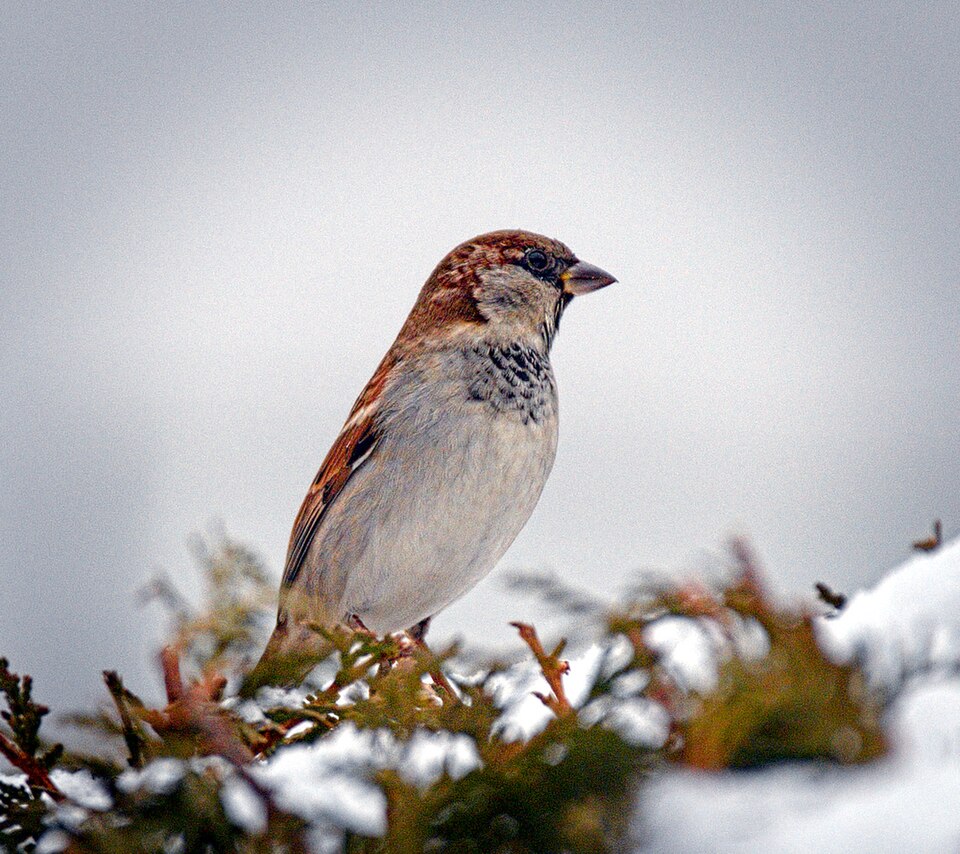
According to the RSPB:
- Salty foods dehydrate birds.
- Cooked food attracts unwanted visitors such as rats.
- Don't leave peanuts loose; always offer them in a feeder. Poor-quality peanuts can carry aflatoxin, a fungus that can kill birds; buy peanuts guaranteed to be aflatoxin-free.
- Don't use mesh bags: birds' feet can get trapped and broken.
- Throw away moldy food.
- Don't put out bread or dry, hard foods in spring and summer: parent birds may carry them back to the nest, and the chicks can choke.
- Dried fruit: If you have a dog or cat, don't put out dried fruit such as raisins; it can be toxic to them.
Where to hang a feeder
This is an important change in the 2026 advice from the RSPB and The Wildlife Trusts: bird tables and flat feeders are no longer recommended. According to the RSPB, sick birds bring back up food they can't swallow onto flat surfaces, and healthy birds can then eat it; even daily cleaning doesn't prevent this. In a study the RSPB looked at, the disease agent wasn't found on the surfaces of shared feeders; but it was found in the food inside feeders, on base trays and on the ground below. So use hanging feeders and keep the area under them clean. The same goes if you feed birds on a balcony: a hanging feeder, not a flat tray.
- Up high: According to the RSPB, a feeder should be high enough to be out of reach of ground predators such as cats.
- A little way from bushes: Hang the feeder a couple of meters from thick bushes, so small birds can escape predators like sparrowhawks, but predators can't lie in wait inside the bush.
- Not under trees: Don't hang feeders under trees where birds roost; droppings will fall on the food.
- Sheltered and quiet: The RSPB recommends a quiet, safe spot sheltered from harsh winds; if you can see it from indoors, watching the birds is a treat too.
- Move it around: Ideally, move the feeder every week; if you have more than one feeder, hang them far apart so birds don't crowd at a single spot.
- Keep it dry: Choose feeders that keep rain out, limit condensation and drain easily.
Cleaning: once a week
According to the RSPB, feeders and bird baths should be cleaned thoroughly at least once a week; unless you have lots of feeders, it shouldn't take more than 15 minutes. The RSPB's steps:
- Put on gloves and do the cleaning outdoors.
- Empty leftover food into the household trash; don't reuse it or put it in the compost.
- Take the feeder completely apart.
- Scrub it with hot, soapy water, using a long-handled brush if you have one, and rinse.
- Disinfect it with an animal-safe, non-toxic disinfectant.
- Rinse each part with fresh water, leave it outdoors to dry completely, then put it back together and refill it.
- Wash your hands and forearms thoroughly with soap and water.
Each time you refill, empty out the old food and clear away spilled seed, husks and droppings under the feeder. The RSPB also recommends storing food in cool, clean, rodent-proof containers.
Water for drinking and bathing
According to London's Natural History Museum, birds need water all year round for drinking and bathing, but natural water sources can freeze in winter. Bathing keeps feathers in good condition: water loosens dirt and makes feathers easier to preen.
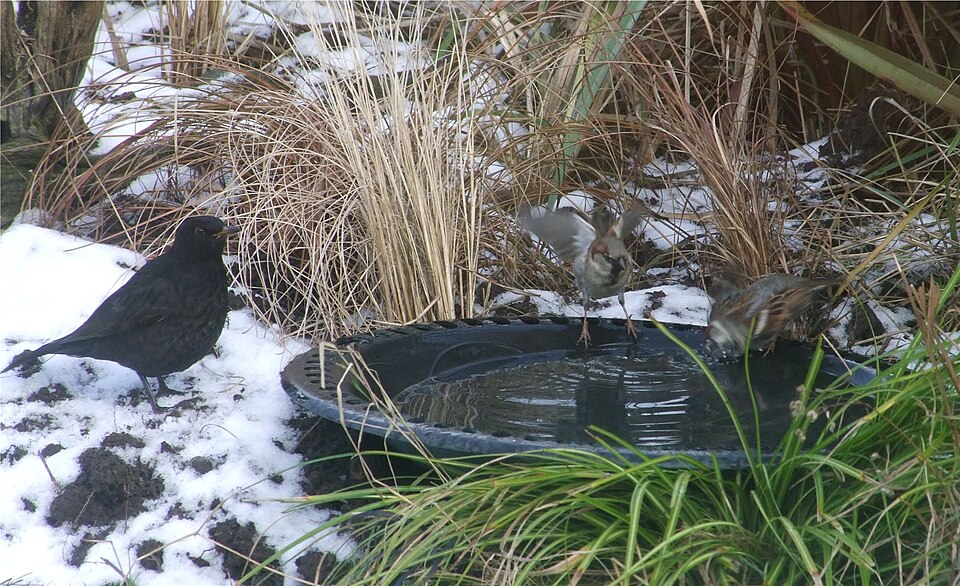
- Keep it shallow: According to the Natural History Museum, the water should be 2.5–10 cm (1–4 in) deep, so small birds can bathe safely. A few stones in the water give birds somewhere to perch.
- Fresh every day: According to the RSPB, bath water should be changed every day, and the bath disinfected once a week. If you can't keep up with that, the RSPB says it's better to leave the bath dry.
- Tap water: In most cases, the RSPB recommends tap water over rainwater, because it likely offers more protection against disease.
- Open but sheltered: The Natural History Museum recommends an open spot where birds can see predators coming, with shrubs nearby to escape into; but don't put the dish right next to the shrubs, where predators can hide in the shadows.
According to the Natural History Museum, keep the water free of ice all winter. Break the ice and remove it, or melt it with hot water. Don't use de-icers or salt: they make the water unsafe for birds.
If you see a sick bird
If you notice birds at your feeder that look sick, the RSPB and The Wildlife Trusts recommend stopping feeding for a few weeks, cleaning all your feeders thoroughly and emptying your bird bath. Only start feeding again once you no longer see birds showing signs of disease. According to the RSPB, trying to treat wild birds is rarely the right thing to do; the bird is often better off left in the wild. Always wash your hands after cleaning feeders.
Frequently asked questions
Should I keep feeding birds in summer?
According to the RSPB, take a break from seeds and peanuts between May 1 and October 31; there's enough food in nature in those months, and the disease risk is higher. Small amounts of mealworms, fat balls and suet can be offered year-round; but according to the RSPB, homemade fat balls shouldn't be put out in summer, because they can melt in warm weather.
Can I give birds bread?
The RSPB recommends not putting out bread or dry, hard foods in spring and summer, because chicks can choke. Bread isn't among the foods the RSPB recommends in winter either. Choose energy-rich foods such as seeds, sunflower hearts and suet instead.
The bird bath has frozen. What should I do?
According to the Natural History Museum, break the ice and remove it, or melt it with hot water; don't use de-icers or salt. According to the RSPB, change the water every day. If you can't refresh it regularly, leave the bath dry.

Keep track of your pet's care in TüylümLog vet visits, vaccine and medication dates, and we'll remind you when it's time. Share it all with your family in Home.
Sources
- RSPB · Our latest guidance on feeding garden birds (July 24, 2026)
- RSPB · Top tips to help reduce disease in garden birds
- RSPB · How and what to feed your garden birds
- RSPB · Feeding birds near you
- The Wildlife Trusts · Feeding garden birds safely (April 10, 2026)
- Natural History Museum (London) · How to make a bird bath
By Tüylüm · Published and last checked: October 26, 2026. Spotted a mistake? Write to [email protected] and we'll fix it right away. Photos are from Wikimedia Commons, used under the license shown below each photo.