Cleaning a bird cage: what to do every day, when to deep clean, and which cleaners are safe
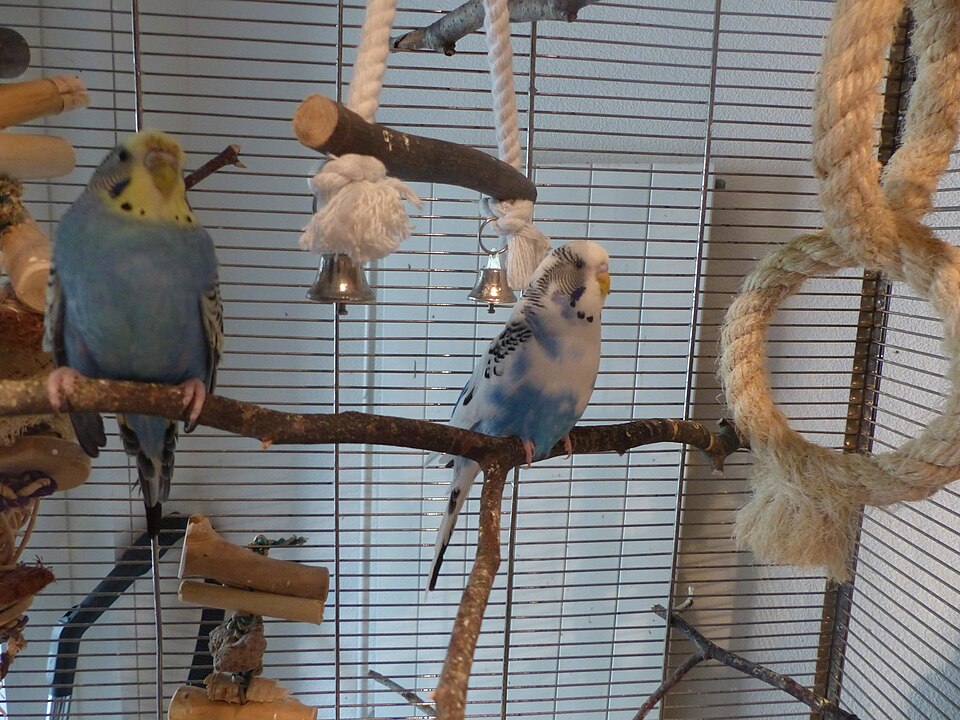
Birds spend their whole day in the same small world: the place where they eat, drink, sleep and go to the toilet is the same cage. That's why keeping the cage clean isn't a nice extra; it's part of care itself. According to the Royal Veterinary College's (RVC) exotics service, a cage or aviary should be cleaned out at least once a week to help prevent disease. The good news: with a regular routine, the job isn't daunting. In this article, we've gathered the daily and weekly tasks, the right liner and bowls, and what to watch out for when you choose a cleaning product.
- Every day: Wash food and water bowls in hot, soapy water and dry them thoroughly; add fresh food and fresh water (Merck, RSPCA Australia).
- Liner: Newspaper or paper towel. MSPCA-Angell recommends changing it daily; according to RSPCA Australia, it should be completely replaced at least twice a week.
- Deep clean: The cage and everything in it at least once a week, ideally every 1–2 days (RSPCA Australia).
- Dirt first, then disinfectant: After droppings and food scraps are removed, disinfect with a non-irritating product.
- Sprays, bleach, ammonia: According to the ASPCA, these are among the inhaled substances that harm birds. Move your bird to another well-ventilated room while you clean.
- Not for liners: Sand, wood shavings, corn cob bedding and crushed nut shells (RSPCA Australia).
Why does it matter so much?
A dirty cage doesn't just look bad. According to RSPCA Australia, food that sits in a bowl for a long time gets contaminated with water and droppings and attracts insects and mice. There's another trap: empty husks in the food bowl can look like whole seed. That's why RSPCA Australia considers waiting until the bowl is completely empty a mistake; your bird can go hungry while the bowl looks full. The Merck Veterinary Manual also reminds owners not to leave fresh food in the cage too long, because it can go bad.
Every day: a five-minute routine
- Food bowl: Empty the bowl, throw out the husks, wash and dry it, and add fresh food. According to RSPCA Australia, birds should be fed at least once a day.
- Water bowl: According to Merck, wash food and water bowls every day in hot, soapy water and dry them thoroughly. If you use a water bottle, check that it works and change the water daily.
- Bath water: According to the RVC, both drinking water and the water in a shallow bathing dish should be changed every day.
- Leftover fresh food: Pick out fruit and vegetable scraps; according to Merck, fresh food can go bad if it stays in the cage too long.
- Liner: Remove the soiled paper and put down fresh paper. For lovebirds, MSPCA-Angell recommends changing the newspaper on the cage floor every day to prevent disease.
- Perches and toys: According to MSPCA-Angell, wash them and dry them completely whenever they get soiled.
Every week: the deep clean
RSPCA Australia wants the cage and its furnishings cleaned frequently and regularly: at least once a week, ideally every 1–2 days. The RVC also recommends cleaning the cage at least once a week with a suitable disinfectant.
- Move your bird somewhere safe. If you're going to use a cleaning product, your bird should be in another well-ventilated room.
- Take everything out: The liner, bowls, perches and toys.
- Remove the dirt first. According to RSPCA Australia, organic material such as droppings and food scraps should be removed first; disinfection should come only after that, with a non-irritating product.
- Wash. MSPCA-Angell recommends warm, soapy water or an avian cage disinfectant.
- Don't forget a wire floor. According to RSPCA Australia, a wire floor is fine as long as it's cleaned regularly so spoiled food and dried droppings don't build up on it.
- Dry everything completely, then put it all back with a clean liner.
- Replace worn perches. According to RSPCA Australia, perches that are soiled or badly damaged should be removed and replaced.
| Task | How often? |
|---|---|
| Washing food and water bowls, adding fresh food and water | Every day (Merck, RSPCA Australia) |
| Changing the bathing dish water | Every day (RVC) |
| Changing the paper liner | Every day (MSPCA-Angell); full replacement at least twice a week (RSPCA Australia) |
| Washing perches and toys | Whenever soiled (MSPCA-Angell) |
| Deep cleaning the cage and furnishings | At least once a week, ideally every 1–2 days (RSPCA Australia) |
Choosing a cleaner: think about your bird's lungs, not your nose
Birds are far more sensitive to chemicals in the air than we are. According to an article the ASPCA Animal Poison Control Center prepared for veterinarians, about a quarter of the bird poisonings reported to the center between 1996 and 2000 involved cleaning products. The same article lists disinfectant and deodorizer sprays, ammonia and bleach, and other aerosols among the inhaled substances that harm birds. According to the ASPCA, cationic detergents, found in some germicides, sanitizers, fabric softeners and liquid potpourri, can also harm a bird's skin, eyes and mouth.
- Don't use sprays, air fresheners or strong-smelling cleaners while your bird is in the room.
- Before you clean, move your bird to another well-ventilated room; make sure every part is completely dry before you put the cage back.
- For other hazards around the home: household dangers for birds.
Choices that make cleaning easier
The right liner, the right bowls and the right layout make cleaning both easier and quicker.
- Liner: RSPCA Australia recommends newspaper or paper towel as an easily replaced, non-toxic liner for the cage floor. Sand, wood shavings, corn cob bedding and crushed nut shells aren't suitable: they can cause problems if your bird swallows them, and they can harbor fungal spores and bacteria.
- Bowls: According to RSPCA Australia, stainless steel, glass or glazed ceramic bowls suit most species. Galvanized water dishes are coated in zinc and often soldered with lead; they can be highly toxic to birds. Unglazed terracotta bowls absorb water and are hard to clean. MSPCA-Angell also recommends porcelain instead of plastic for lovebirds, because they chew plastic dishes.
- Food and water not side by side: According to RSPCA Australia, many parrots love dunking their food in water; this fouls the water and encourages bacteria to grow.
- Perch placement: According to the RSPCA, perches should go where droppings won't fall onto other birds or into food and water bowls.
- Natural branches: The RVC recommends replacing the plain wooden or plastic perches that come with cages with natural tree branches, preferably from fruit trees; the branches should be washed thoroughly with a suitable disinfectant before use. Sandpaper perch covers just wear down the feet, so don't use them.
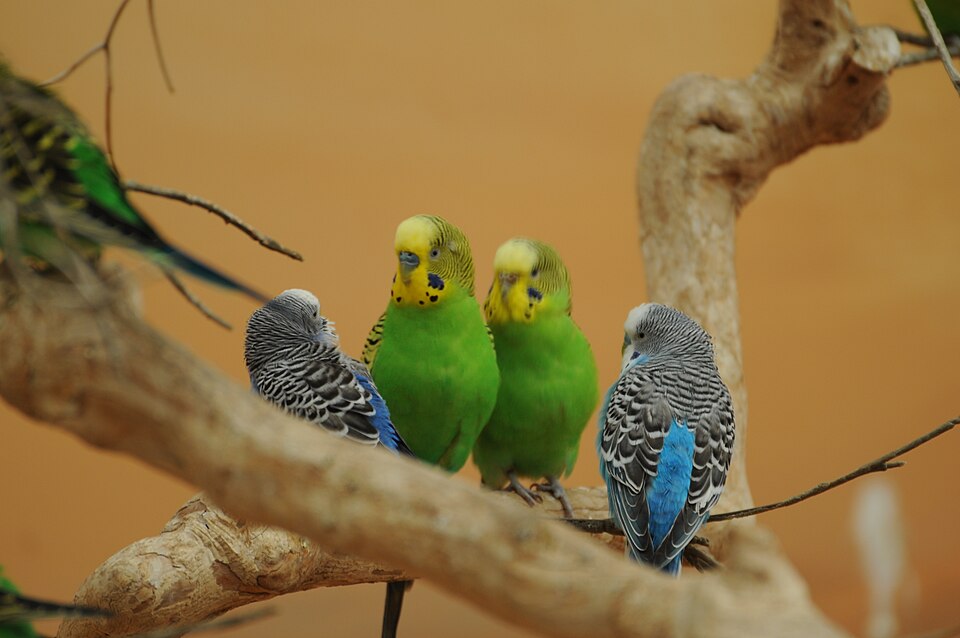
Where the cage sits in your home also affects cleaning. Why the kitchen, rooms where sprays are used, and drafty spots don't work: where to put a bird cage
If, while cleaning, you notice an unusual change in your bird's droppings, eating, drinking or behavior, talk to your vet without delay.
In Tüylüm, the Today tab comes with Food, Water and Cage tasks ready for your bird. You can add the weekly deep clean as your own task with the "Certain days" option and turn on a reminder if you like. Add the Bath water task to your list too, so you remember to refresh the bathing dish every day. If you share care with your family, everyone sees the same list with My home.
Frequently asked questions
Do I need to wash the whole cage every day?
No. Washing the bowls and changing the liner every day is enough. According to RSPCA Australia, the cage and its furnishings should get a deep clean at least once a week, ideally every 1–2 days; the RVC also recommends cleaning at least once a week.
Can I clean the cage with bleach?
The ASPCA lists ammonia and bleach among the inhaled substances that harm birds. MSPCA-Angell recommends warm, soapy water or an avian cage disinfectant. Whatever product you use, keep your bird in another room while you clean, and put the cage back only once it's completely dry.
Can I put sand or wood shavings on the cage floor?
According to RSPCA Australia, sand, wood shavings, corn cob bedding and crushed nut shells aren't suitable cage liners; they can cause problems if swallowed and can harbor fungal spores and bacteria. Newspaper or paper towel is both safe and easy to change.

Keep track of your pet's care in TüylümLog vet visits, vaccine and medication dates, and we'll remind you when it's time. Share it all with your family in Home.
Sources
- RSPCA Australia · What kind of enclosure does my bird need?
- Royal Veterinary College (RVC Exotics Service) · Budgerigar care (November 2023)
- MSPCA-Angell · Bird care guide: Lovebirds
- Merck Veterinary Manual · Feeding a Pet Bird (pet owner version)
- ASPCA Animal Poison Control Center · Managing pet bird toxicoses (Exotic DVM, 2001, PDF)
- RSPCA · Housing and environments for pet birds
By Tüylüm · Published and last checked: October 28, 2026. Spotted a mistake? Write to [email protected] and we'll fix it right away. Photos are from Wikimedia Commons, used under the license shown below each photo.