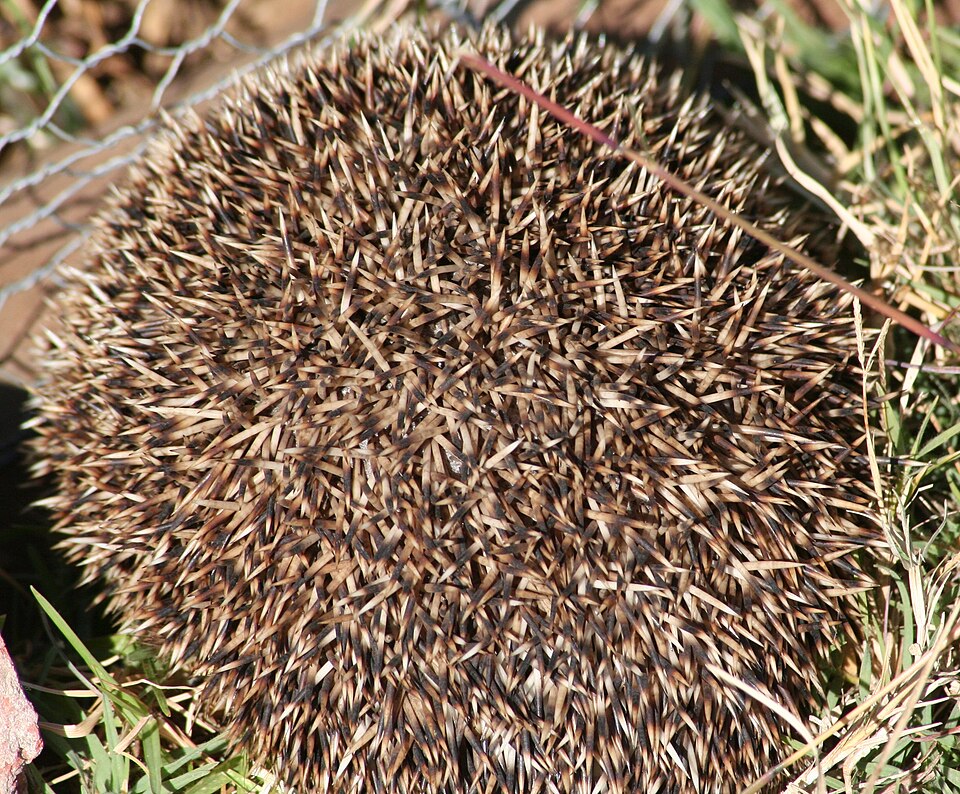
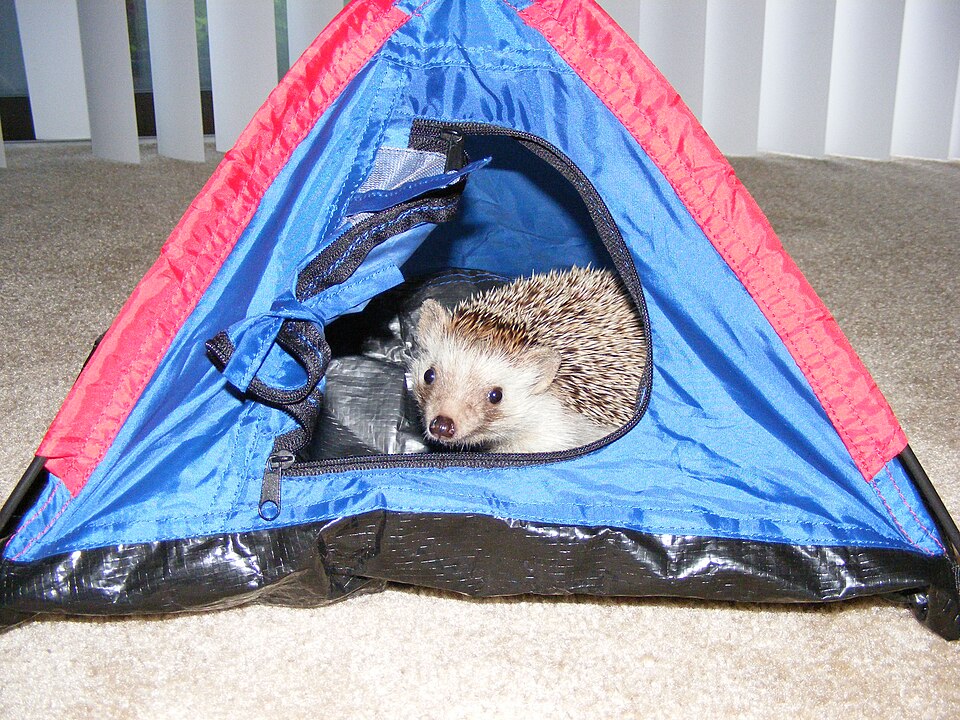
A wild hedgehog in your garden: how to help it, and when it needs help
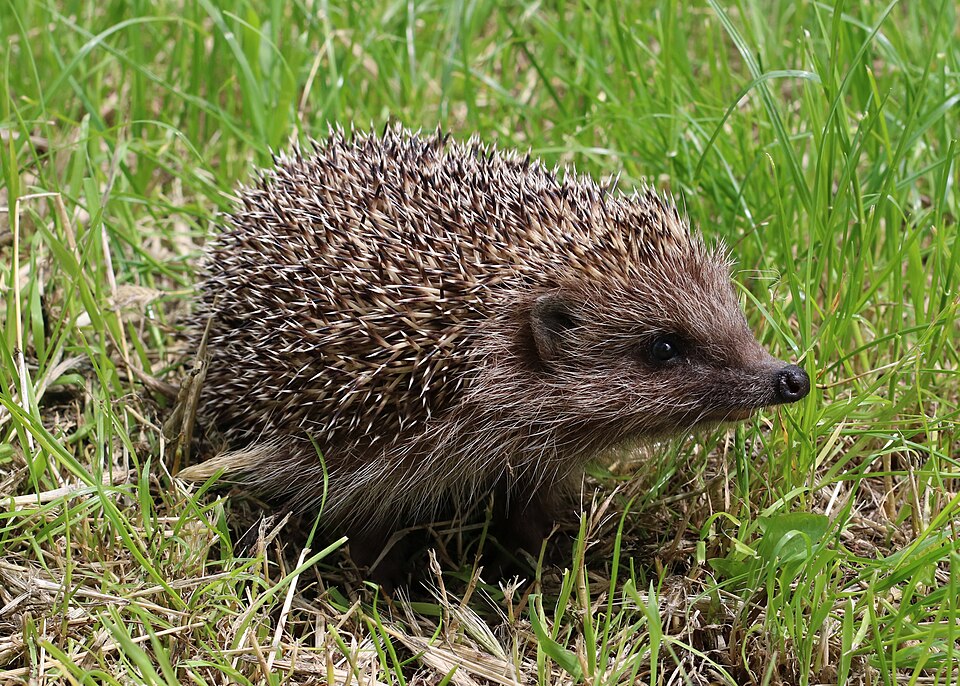
You're sitting in the garden on a summer evening when you hear a rustle at the foot of the bushes. First a nose, then a small, spiny body: a hedgehog, hunting for insects in the grass as if you weren't there at all. This visitor doesn't live in your garden; it's most likely a wild hedgehog that makes the rounds of several gardens every night. Helping it doesn't take much: a dish of water, a small hole at the bottom of the fence and a little care with garden chores. But some well-meant habits, such as putting out milk, actually harm it.
- Don't give milk: Hedgehogs can't digest lactose. Put out only clean water for them to drink.
- Make a hedgehog gap: A 13 × 13 cm hole at the bottom of a wall or fence lets hedgehogs travel between gardens.
- Check before you mow or burn: Hedgehogs don't run away from the sound of a lawn mower, and piles of branches and leaves are places they love to hide.
- An injured or weak hedgehog: Don't try to treat it yourself; call a vet or, if you live in Turkey, your province's office of the General Directorate of Nature Conservation and National Parks (Doğa Koruma ve Milli Parklar, DKMP).
- Protected: In Turkey, hedgehogs are among the wild animals protected by the Ministry. Don't catch a healthy hedgehog and take it home.
Who is the hedgehog in your garden?
The list of wild animals published in the Official Gazette (Resmî Gazete) by Turkey's Ministry of Agriculture and Forestry includes three hedgehog species found in Turkey: the southern white-breasted hedgehog (Erinaceus concolor), the northern white-breasted (Balkan) hedgehog (Erinaceus roumanicus) and the long-eared hedgehog (Hemiechinus auritus). These are wild animals that live in nature; they aren't the same species as the African pygmy hedgehog kept in homes. If you're curious about pet hedgehogs: African pygmy hedgehog care.
According to Hedgehog Street, hedgehogs can travel 1–2 km every night during their active season. That's why a single garden isn't enough for them; they need gardens that open onto each other.
Water yes, milk no
Hedgehog Street stresses that hedgehogs are lactose intolerant, so they shouldn't be given milk. Bread isn't a good choice either: it's low in energy, so it does almost nothing for a hedgehog. According to Hedgehog Street, there are times when water is hard to find, and water is the only thing you should give a hedgehog to drink.
If you want to leave out extra food for a hedgehog, here are Hedgehog Street's recommendations:
- What you can put out: Meaty wet cat or dog food, or dry cat or kitten food. Those with a high meat content are better.
- When and where: Toward sunset, in a shallow dish, in a sheltered corner.
- Water dish: Leave water in a shallow dish, especially in cold or dry spells.
- Cleaning: Hedgehogs usually live alone, and sharing the same dish can spread disease. Clean the dishes regularly, and don't wash them together with your own dishes.
- Remember: This is only a supplement. Hedgehogs find most of their food in nature, from insects and worms.
Hedgehog gaps: link the gardens together
According to Hedgehog Street, a 13 × 13 cm square hole in a wall or fence is big enough for hedgehogs to pass through and too small for most pets. If you can't make a hole, digging a channel under the fence works too. In the UK, these gaps are called "hedgehog highways".
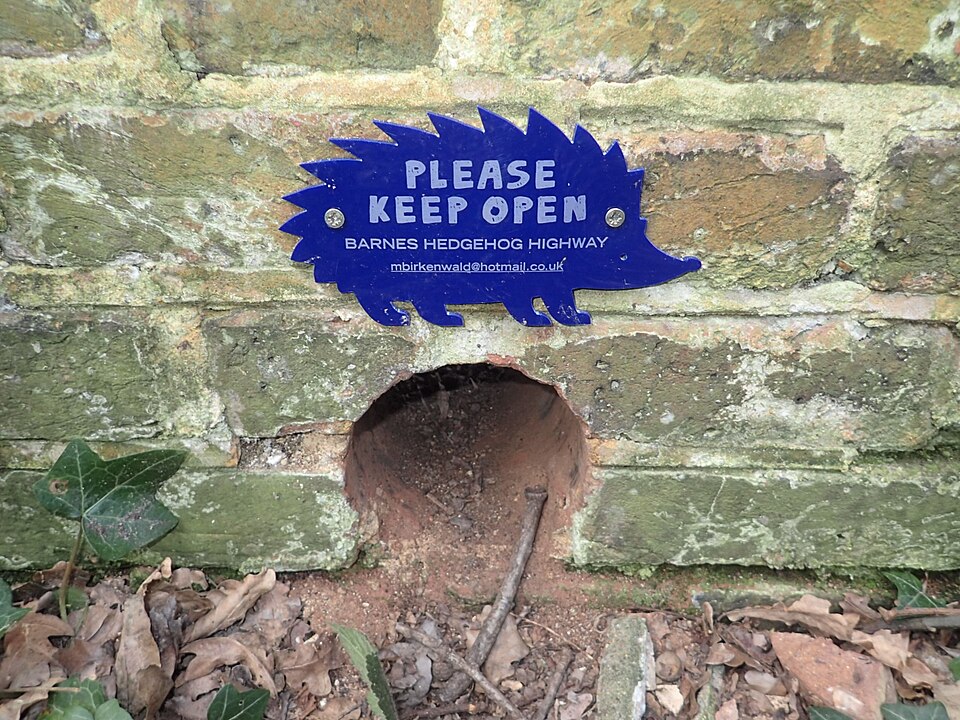
If you make gaps together with your neighbors, hedgehogs can reach many more gardens.
Think of hedgehogs when you garden
Hedgehog Street's recommendations for the garden:
- Look before you mow: Hedgehogs don't run away from the sound of a lawn mower or string trimmer. Check the base of long grass and bushes before you cut. And don't run robotic lawn mowers at night.
- Move the pile before you light a fire: Piles of branches and leaves are an irresistible spot for a hedgehog looking for a nest. Build the pile on the day you'll burn it, or move it somewhere else on that day.
- A way out of ponds: Hedgehogs are good swimmers, but they drown if they can't climb out of steep-sided pools or ponds. Make a simple ramp from stones, a piece of wood or wire mesh.
- Put netting away: Hedgehogs get tangled easily. Plastic drink rings, rubber bands and netting cause the most problems; put away or bring indoors sports and garden netting when you're not using it.
- Skip the chemicals: Insecticides and slug pellets are poisonous to hedgehogs, and they also reduce the insects hedgehogs eat.
- Leave a corner wild: Let one corner of the garden grow as it likes, and make a log pile. It attracts insects and gives a hedgehog a place to nest.
When does it need help?
According to the RSPCA, these signs can mean a hedgehog is sick or injured:
- A visible injury, such as a cut or a broken leg
- Staggering, wobbling, going around in circles or weakness
- Lots of flies, ticks or fly eggs on it or around it
- Not rolling into a ball when you approach, or showing no interest in the food you've left out
- Green, sticky or slimy droppings
Hedgehogs are nocturnal animals. According to the RSPCA, a hedgehog seen out during the day may be sick or injured; but its nest may have been disturbed, or it may be looking for food. In cold weather, assume that a hedgehog out during the day needs help.
What to do if it needs help
In Turkey, the General Directorate of Nature Conservation and National Parks (Doğa Koruma ve Milli Parklar Genel Müdürlüğü) treats injured and sick wild animals at 11 rehabilitation centers and takes action on the reports it receives. If you find a hedgehog that looks injured or sick, contact the provincial branch office of the General Directorate of Nature Conservation and National Parks (Doğa Koruma ve Milli Parklar, DKMP) in your province or a vet; they'll tell you what to do.
Here's what the RSPCA wants you to keep in mind while you wait:
- Call first: Call the vet ahead and ask whether they can see the hedgehog.
- Wear gloves: Hold hedgehogs with gloves or a towel; according to the RSPCA, they can carry fungal infections and Salmonella.
- Keep it brief: Don't keep the hedgehog longer than you need to. If necessary, put it in a box with air holes and let it wait in a quiet, sheltered place.
- Don't put yourself at risk: If the hedgehog is next to a road, a river or a railway, don't go in; report it to the authorities.
Don't try to treat an injured hedgehog at home or give it medicine. According to the RSPCA, a sick or injured hedgehog needs specialist care, and should be kept at home only until you can get it to a vet or a rescue center.
The legal status of hedgehogs in Turkey
According to the notes on the list of wild animals published by Turkey's Ministry of Agriculture and Forestry in the Official Gazette (Resmî Gazete) of August 10, 2022 (issue 31919), wild animals for which the list doesn't state a special exception are protected by the Ministry. There is no such exception on the list for the southern white-breasted hedgehog, the northern white-breasted (Balkan) hedgehog or the long-eared hedgehog.
The Central Hunting Commission decision for the 2026–2027 hunting season (2026-2027 Av Dönemi Merkez Av Komisyonu Kararı) also prohibits hunting wild animals protected by the Ministry and the Central Hunting Commission. In the decision, "hunting" also covers trying to take possession of a wild animal, alive or dead, or taking possession of it.
In short: don't catch a healthy hedgehog that comes into your garden, don't take it home, and don't try to keep it as a pet. The best way to protect it is to make your garden hedgehog-friendly. Here we've summarized what the official texts say; this is not legal advice. For special cases, ask the provincial branch office of the General Directorate of Nature Conservation and National Parks (DKMP) in your province.
Our other hedgehog articles: hedgehog articles.
Frequently asked questions
What can I put out for a hedgehog that visits my garden?
According to Hedgehog Street, water in a shallow dish and, if you like, meaty cat or dog food or dry cat food. Don't put out milk or bread. Clean the dishes regularly, and remember that the hedgehog doesn't depend on this food: it finds its main diet in nature.
I saw a hedgehog in the garden during the day. Should I pick it up right away?
Watch it from a distance first. According to the RSPCA, a hedgehog seen during the day may be sick, but its nest may also have been disturbed. If it's staggering, weak or injured, if there are flies on it, or if the weather is cold, call a vet or, in Turkey, your province's Nature Conservation and National Parks (DKMP) office.
I found baby hedgehogs on their own. What should I do?
The RSPCA recommends watching the babies from a distance for a few hours to see whether the mother comes back. If the babies are in danger, alone in the open and making noise, if the weather is very cold or if they look sick, call a vet or the Nature Conservation and National Parks (DKMP) office right away.

Keep track of your pet's care in TüylümLog vet visits, vaccine and medication dates, and we'll remind you when it's time. Share it all with your family in Home.
Sources
- Hedgehog Street (PTES and BHPS) · 10 tips for encouraging hedgehogs in your neighbourhood (PDF)
- Hedgehog Street · Supplementary food for hedgehogs
- RSPCA · Found a sick or injured hedgehog
- Ministry of Agriculture and Forestry, General Directorate of Nature Conservation and National Parks (Doğa Koruma ve Milli Parklar) · 76,000 wild animals returned to nature (76 bin yaban hayvanı yeniden doğaya kazandırıldı)
- Resmî Gazete · Decision on the list of wild animals determined by the Ministry of Agriculture and Forestry (Tarım ve Orman Bakanlığınca Belirlenen Yaban Hayvanları Listesi Kararı), 10 Aug 2022, issue 31919
- Resmî Gazete · Central Hunting Commission decision for the 2026-2027 hunting season (2026-2027 Av Dönemi Merkez Av Komisyonu Kararı), 7 Jun 2026, issue 33273
By Tüylüm · Published and last checked: October 24, 2026. Spotted a mistake? Write to [email protected] and we'll fix it right away. Photos are from Wikimedia Commons, used under the license shown below each photo.