Hidden household dangers for birds: nonstick pans, sprays, open windows and more
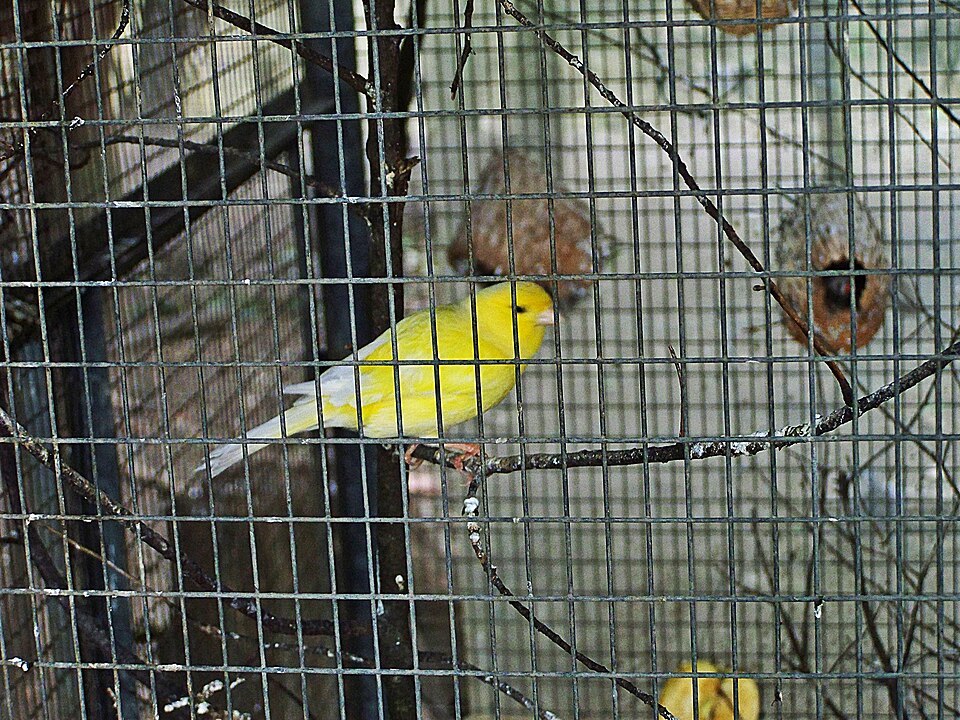
Birds are far more sensitive than we are to harmful gases in the air; that's why miners used to take canaries down the mines. That sensitivity applies at home too. Fumes we don't even notice, a spray or a zinc-coated toy can be a serious danger to a budgie or a canary. The good news: most of these dangers disappear with a few simple precautions.
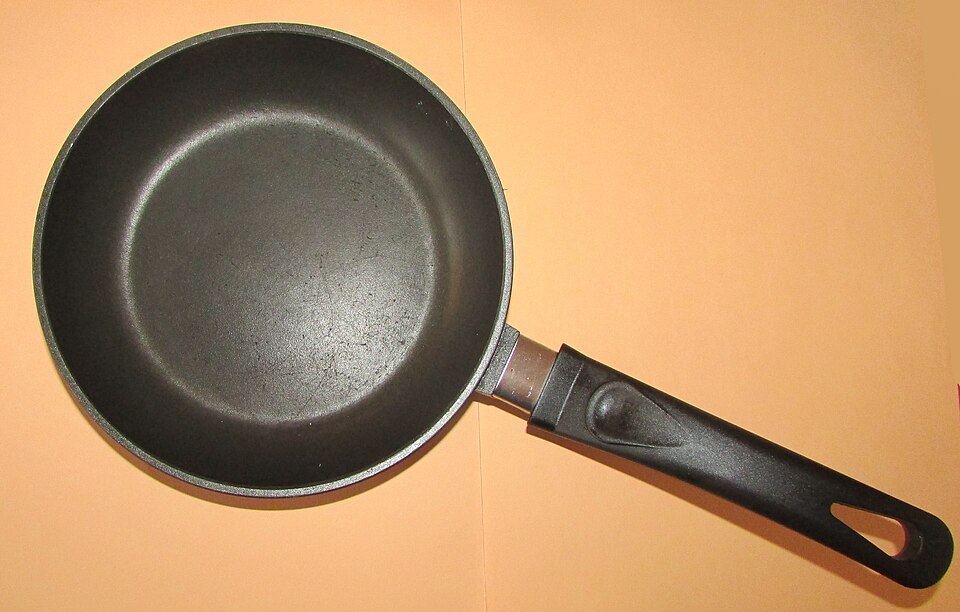
- Nonstick pans (PTFE, Teflon): When overheated, they can give off a colorless, odorless toxic gas; even a small amount can be deadly for a bird.
- Fumes and sprays: All kinds of smoke, air fresheners, insecticides, bleach, ammonia, nail polish, glue and burning food can harm birds.
- Metals: Galvanized cages, chains, toys and dishes can contain zinc; old paint, lead weights and stained glass solder can contain lead.
- Flying: Windows, doors, ceiling fans, hot cooktops and other pets.
- If something seems wrong with your bird, get it into fresh air right away and call your vet.
Nonstick pans: the sneakiest danger
According to the University of Illinois College of Veterinary Medicine, PTFE (Teflon), which is used in nonstick coatings, can give off a colorless, odorless toxic gas when heated. Birds are especially sensitive to these fumes: even a very small amount can be fatal. Flaws in the coating can cause the gas to be released at lower temperatures than the labels state.
PTFE isn't only found in pans; it can be in other places too:
- Nonstick frying pans, pots and woks
- Irons and ironing board covers
- Ovens (especially self-cleaning ovens) and heating elements
- Hair dryers
Experts recommend keeping your bird in a distant, well-ventilated room while you use nonstick items. The RSPCA also says not to let your bird fly into the kitchen or other dangerous areas. Never put the cage in the kitchen.
Fumes, sprays and smells
The list the ASPCA Animal Poison Control Center prepared for vets includes these among the inhaled substances that harm birds:
- Smoke: All kinds of smoke, including cigarette smoke.
- Car exhaust and carbon monoxide: Having a carbon monoxide alarm at home is a good precaution for everyone.
- Burning food and overheated oil
- Sprays: Insecticides, disinfectant sprays and air fresheners, furniture polishes and other aerosols.
- Cleaning products: Ammonia and bleach.
- Paint, glue and nail polish
- Mothballs
- Gasoline fumes
In practice: don't use sprays or burn room scents or incense in the room your bird is in, and move your bird to another well-ventilated room while you clean.
Zinc and lead: metals that get chewed
Birds explore everything with their beaks and chew on it. That makes metals a serious risk.
Zinc
According to the ASPCA's list, galvanized wire cages, toys, chains and food or water dishes can contain zinc; galvanized coating can be made almost entirely of zinc. According to the University of Illinois, human vitamins and supplements, linoleum, galvanized metals, some metal toys and some rubber items can also contain zinc, and birds are much more sensitive than people to its toxic effects. The university gives the example of a parrot with a zipper pull in its stomach: the zinc in the zipper was absorbed and caused poisoning.
Lead
Sources of lead include old paint and paint chips, lead weights (fishing sinkers, curtain weights), the solder in stained glass and Tiffany lamps, some antiques and improperly glazed ceramic dishes.
Choose toys made for birds, made with non-toxic materials and paints. The RSPCA also stresses that toys should be made from safe, non-toxic materials and paints. Avoid old metal cages, chains and ornaments, or ones you can't identify.
Toxic plants
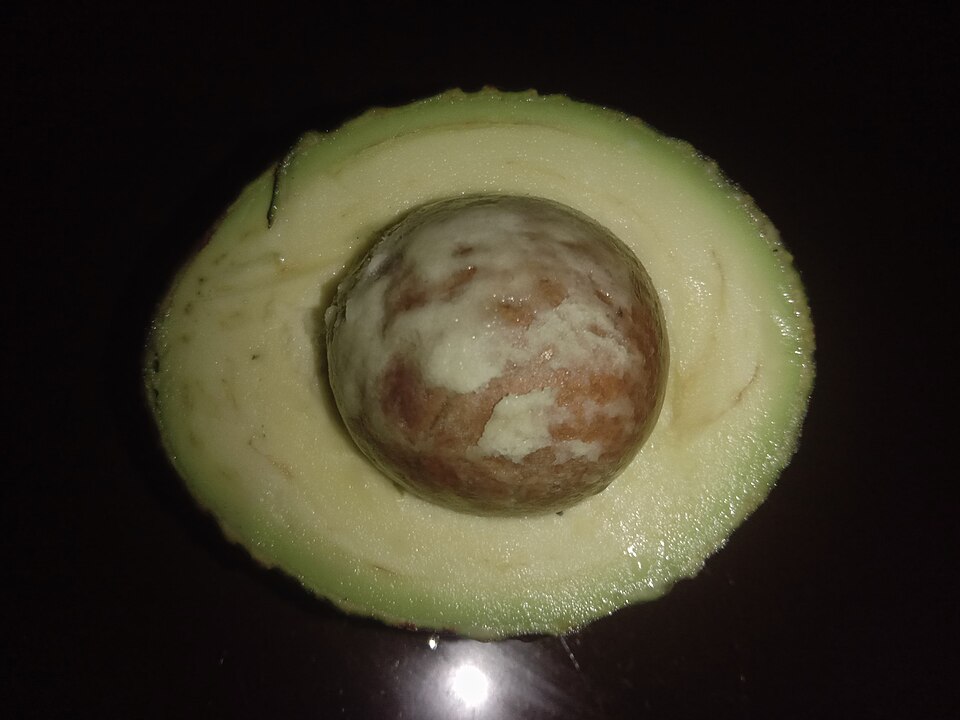
The ASPCA's list of plants that damage the heart in birds includes lily of the valley, oleander, rhododendron (azalea), yew and foxglove. Keep these plants out of the room your bird flies in. Avocado tree leaves are also toxic to birds; for details about avocado: foods that are harmful to birds.
Dangers during flight
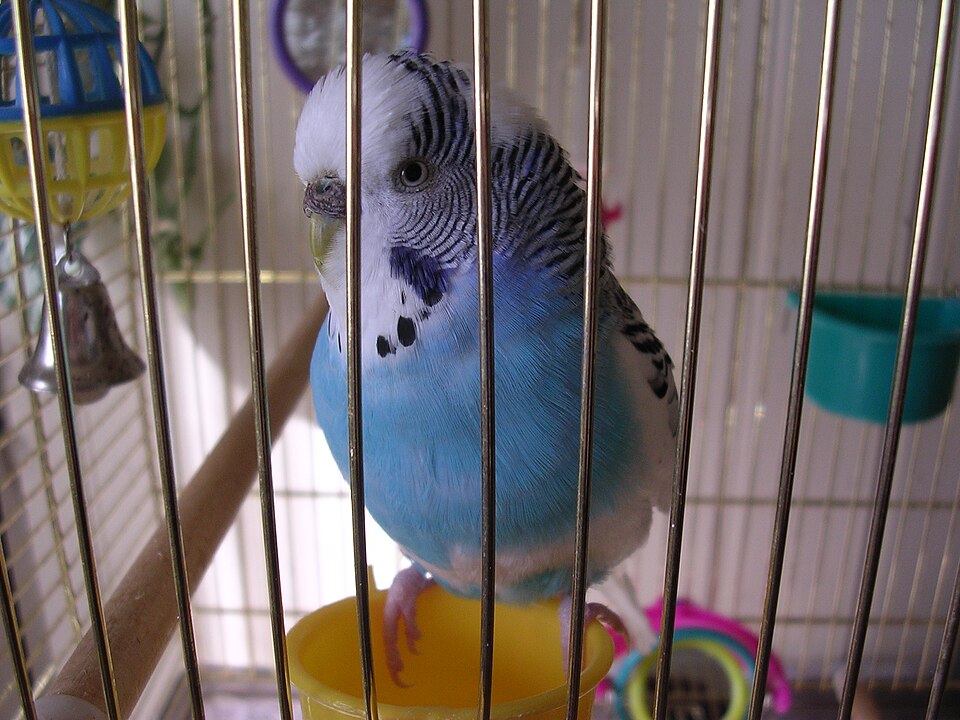
Before letting your bird out of the cage, prepare the room:
- Close the windows and doors. The RSPCA lists this as the first step before flying.
- Turn off the ceiling fan. The RSPCA wants the fan to always be off while your bird is free. Turn off devices such as paper shredders too.
- Take other pets out of the room.
- Close the roller blinds, and keep your bird from getting tangled in the cords.
- Consider covering large mirrors and windows. The RSPCA says large mirrors and windows can confuse a bird when it's out, and that they can be covered.
- Keep it away from hot surfaces. No flying near the cooktop, stove or radiator.
- Always supervise. Stay with your bird while it flies, and watch out for things it might chew, such as paint or curtain rings.
The RSPCA gives one more warning: don't carry your bird on your shoulder. You lose eye contact, the risk of being bitten goes up, and you could take it outside without realizing.
Where the cage goes
The RSPCA recommends putting the cage away from radiators, stoves, cooktops and drafts, with its back against a solid wall. Details: where should a bird cage go?
Frequently asked questions
Should I throw out my nonstick pans?
That's your decision, but if you have a bird, at least keep it in a well-ventilated room away from the kitchen while you use nonstick items, and never heat a pan empty or overheat it. According to the University of Illinois, these fumes are colorless and odorless, so they're very hard to notice.
Can I use a scent diffuser in my bird's room?
On the ASPCA's list, air fresheners and deodorizers are among the inhaled substances that harm birds. The safest choice is not to use scent diffusers, air fresheners, incense or candles in the room your bird is in.
My bird was exposed to fumes but seems fine. What should I do?
Get your bird into fresh air right away and call your vet. The ASPCA's advice for vets is also to move the bird away from the source and give it fresh air right away; after that, your vet will decide what to do next.

Keep track of your pet's care in TüylümLog vet visits, vaccine and medication dates, and we'll remind you when it's time. Share it all with your family in Home.
Sources
- University of Illinois College of Veterinary Medicine · These items are toxic to birds
- ASPCA Animal Poison Control Center · Managing pet bird toxicoses (Exotic DVM, 2001, PDF)
- RSPCA · Housing and environments for pet birds
- RSPCA · How to train your pet bird
By Tüylüm · Published and last checked: October 24, 2026. Spotted a mistake? Write to [email protected] and we'll fix it right away. Photos are from Wikimedia Commons, used under the license shown below each photo.