Why do cats knead? What "making biscuits" means and what to do when the claws dig in
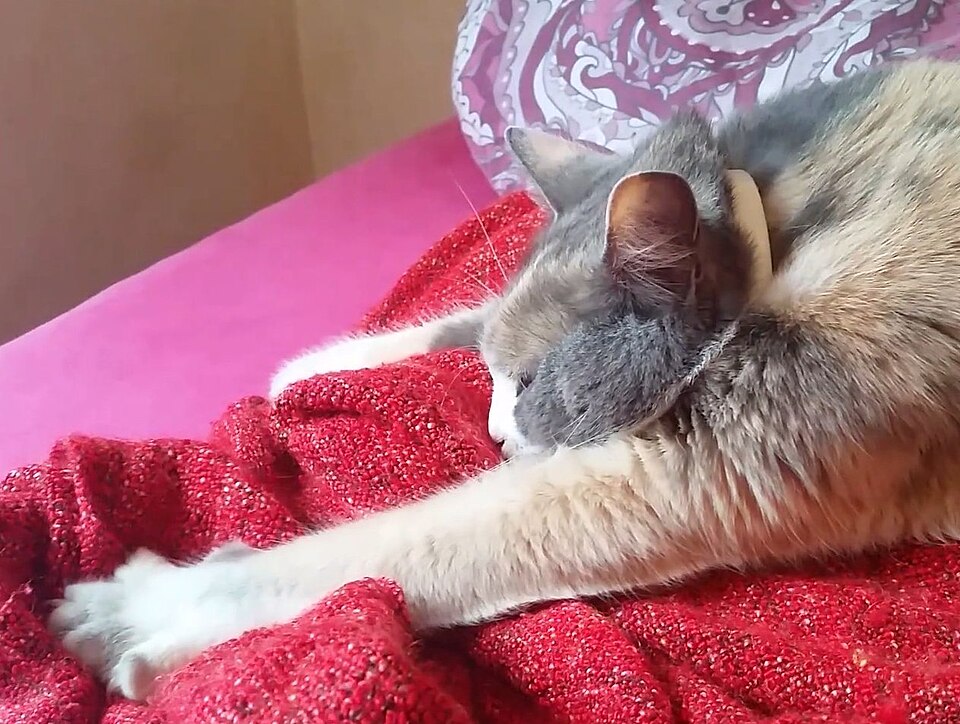
Your cat climbs onto your lap and presses rhythmically into your leg, first with one paw, then the other, maybe purring at the same time. This is called kneading; because it looks like kneading dough, people also call it "making biscuits." It looks adorable, but once the claws come out, it may not feel so nice. In this article, using information from Blue Cross, Cats Protection and International Cat Care, we explain where kneading comes from, what it may mean in an adult cat, and what you can do when the claws dig in.
- What? A cat pressing its front paws, one after the other, rhythmically into a soft surface: a blanket, a cushion or your lap.
- Where does it come from? Kittenhood. Kittens press their paws into their mother's belly while nursing, which helps the milk flow.
- Why in adults? No one knows for sure. The most common view is that the cat is reliving the comfort it felt as a kitten.
- If it kneads on your lap: It may be a sign that it feels safe with you.
- If the claws dig in: Put a thick blanket on your lap. Never punish your cat for it.
What is kneading?
Blue Cross describes kneading as the rhythmic back-and-forth motion a cat makes by alternately pushing its paws against something soft. According to Cats Protection, some people also call it "pawing," "making biscuits" or "playing the piano." Cats usually do it on a blanket or on whichever person they happen to be standing on.
Not every cat kneads the same way. According to Blue Cross, some use their claws, some purr while they knead, and some even drool.
It all starts with mom
Kneading is one of the first things a cat learns in life. According to International Cat Care, nursing kittens press their front paws, one after the other, into their mother's belly, and this movement helps the milk flow. Cats Protection describes it as a simple reward loop: the kitten kneads, and milk arrives in return.
Once the kitten grows up and is weaned, there's no more need for this behavior. According to International Cat Care, most cats stop kneading; only some keep doing it into adulthood. These cats knead most when they're with someone they feel safe with, or when they're on a soft cushion or blanket.
Purring is another way of communicating that starts in kittenhood. If you're curious, take a look at our article on why cats purr.
Why do adult cats knead?
Cats Protection's honest answer: no one really knows why some cats carry this behavior into adulthood. In an adult cat, kneading has no obvious purpose; but the charity points out that not being able to see a purpose doesn't mean there isn't one. Here are the explanations that have been suggested:
| Explanation | What it says | Source |
|---|---|---|
| It feels good | The most widely shared view: the cat relives the happiness it felt kneading as a kitten. Kneading is thought to possibly trigger relaxing chemical signals in the brain. | Cats Protection |
| An automatic response | Feeling certain textures under its paws may switch on kneading automatically. | Cats Protection |
| Making a bed | Some cats knead their bed before going to sleep. This is thought to come from wild cats that pressed down long grass to make a place to sleep. | Blue Cross |
| Trust and bonding | A cat kneading on your lap may feel as safe as it did with its mother. | Blue Cross, International Cat Care |
Not everyone agrees with the "making a bed" explanation. Cats Protection notes that African wildcats, the ancestors of our pet cats, usually prefer to sleep in raised places rather than in the grass on the ground, and says this theory has less support.
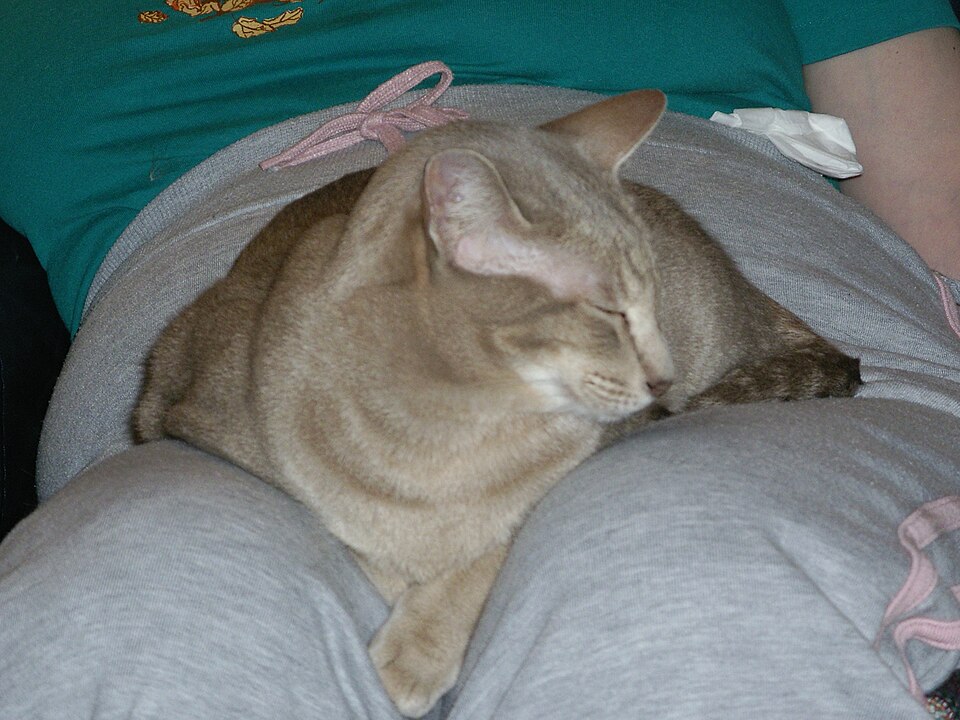
What does it mean when your cat kneads on your lap?
According to International Cat Care, a cat kneading on your lap or chest associates its relationship with you with the one it had with its mother as a kitten. Blue Cross says the same thing and adds a note that will make you smile: the happier your cat is, the harder it may knead.
That's why kneading often comes with other signs of comfort: purring, half-closed eyes, a loose body. If you want to learn these signs, our article on cat body language will help.
What about the drool?
Some cats drool while they knead. According to Blue Cross, it's because they're expecting the milk that, in kittenhood, came after kneading. A Cats Protection vet also says that drooling during kneading or purring is thought to be a physical response the body makes when the cat is enjoying itself. Not every cat drools; if yours doesn't, that's normal too.
According to Cats Protection, occasional light drooling is usually a sign of a happy, relaxed cat. But if the drooling is new, heavy or constant, talk to your vet without delay.
What to do when the claws dig in
Blue Cross's answer is clear: you can't stop a cat from kneading. Cats knead when they're happy; it's part of their nature and it's meant as a compliment. Still, you don't have to put up with claws digging into your legs.
- Put something thick in between: Before your cat settles on your lap, lay a thick blanket or cushion over your legs. This is Blue Cross's most practical tip.
- Never punish: International Cat Care stresses that kneading is completely normal and that a cat should never be punished for it. Your cat doesn't understand that it's hurting you; punishment, on the other hand, can damage the bond between you.
- Don't hold its paws: According to International Cat Care, paw pads are packed with nerve endings and very sensitive; having its toes touched unexpectedly can be an unpleasant surprise for a cat. Don't grab its paw to stop the kneading; put the blanket in between instead.
- Give it somewhere to scratch: According to Cats Protection, cats keep their claws in good condition by scratching. Make sure there are enough sturdy scratching posts at home.
We explained why cats scratch and what makes a good scratching post in our article on why cats scratch.
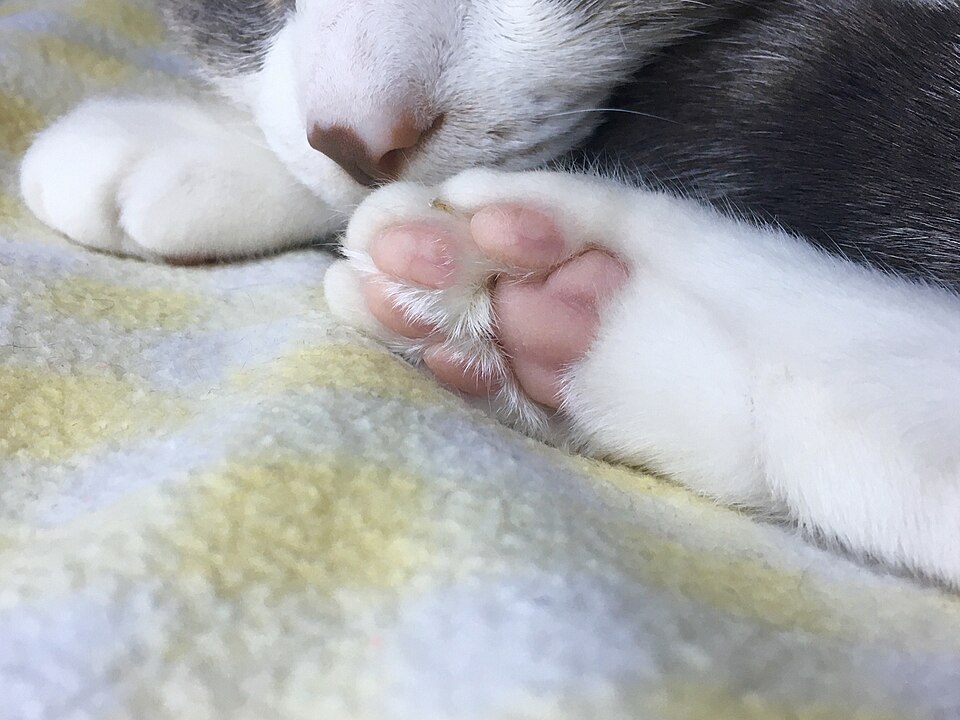
Is trimming the claws the answer?
For a young, healthy cat, it usually isn't necessary. According to PDSA, healthy young cats keep their claws at a suitable length with their scratching post. International Cat Care also doesn't recommend routine claw trimming, because a cat needs the sharp tip of its claws to defend itself and to climb.
Things may be different for older cats with reduced mobility: because they scratch less, their claws can grow too long. PDSA recommends checking these cats' paws once a week. Cats Protection also says that if a trim is needed, you should use clippers made specifically for cats, and ask your vet clinic for help if you're worried about doing it yourself.
Frequently asked questions
My cat never kneads. Does that mean it doesn't love me?
No. According to International Cat Care, most cats grow out of this behavior; only some keep it into adulthood. A cat that doesn't knead can be perfectly happy with you and will show its affection in other ways.
Can I get my cat to stop kneading?
According to Blue Cross, you can't; it's a natural behavior cats show when they're happy. The easiest way to protect yourself from the claws is to put a thick blanket on your lap.
My cat kneads its bed before lying down. Why?
According to Blue Cross, some cats prepare their bed this way before sleeping; it's thought to come from wild cats that pressed down long grass to make a place to sleep. Cats Protection, however, says this explanation has less support; but as the charity also says, this cute habit doesn't do any harm. Except maybe for the sharp claws.

Keep track of your pet's care in TüylümLog vet visits, vaccine and medication dates, and we'll remind you when it's time. Share it all with your family in Home.
Sources
- Blue Cross · Why do cats knead?
- Cats Protection · Why do cats knead? Kneading behaviour explained
- International Cat Care · Why do cats..?
- Cats Protection · Why does my cat dribble?
- Cats Protection · Grooming your cat
- PDSA · How often should you groom your pet?
By Tüylüm · Published and last checked: October 26, 2026. Spotted a mistake? Write to [email protected] and we'll fix it right away. Photos are from Wikimedia Commons, used under the license shown below each photo.