PETVET registration and microchips: what cat, dog and ferret owners in Turkey need to know
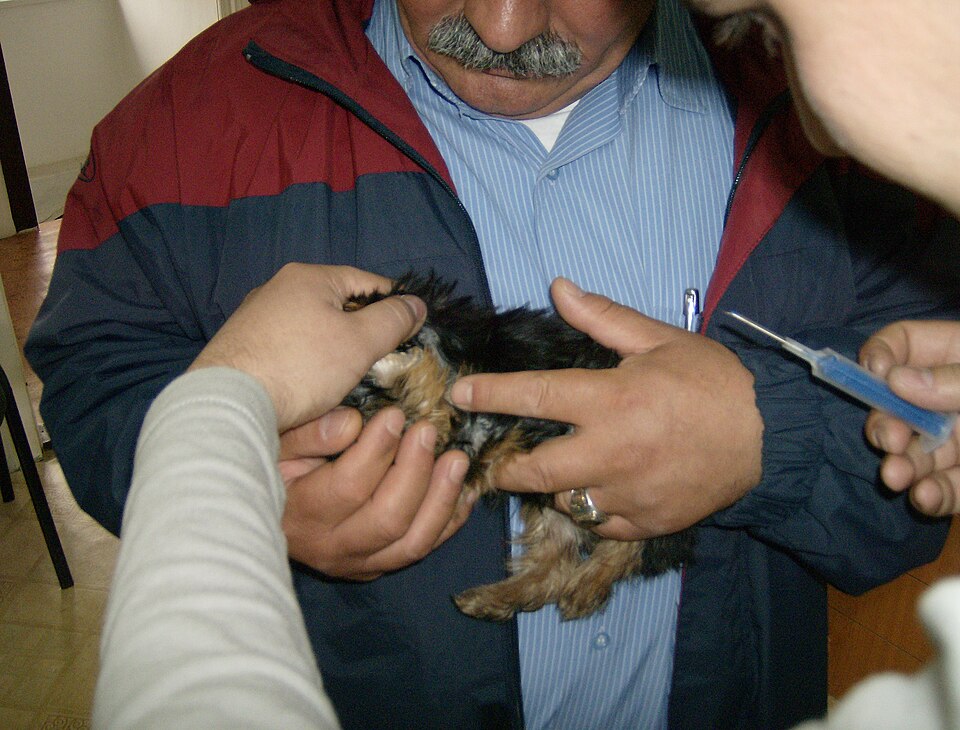
The most reliable way to reunite a lost cat or dog with its owner is the chip under its skin, about the size of a grain of rice. In Turkey, this chip is no longer just a good idea; it's also a legal requirement. This article is for pet owners living in Turkey: based on official sources, we explain what PETVET is, who needs to register, and what to do in situations like loss, death or travel abroad.
- PETVET is the pet registration system of Turkey's Ministry of Agriculture and Forestry (Tarım ve Orman Bakanlığı). Cats, dogs and ferrets are identified with a microchip and registered in this system.
- Under the law that came into force on August 2, 2024, cat and dog owners were required to have their animals registered by December 31, 2025 at the latest. That date has passed; if your pet still isn't registered, apply without delay.
- Where to apply: provincial or district Directorates of Agriculture and Forestry or authorized private-practice vets.
- A registered animal's loss must be reported within 7 days and its death within 30 days.
- To travel abroad, you need a microchip, a passport and PETVET registration.
What is PETVET?
PETVET is the Pet Registration System (Ev Hayvanı Kayıt Sistemi) of Turkey's Ministry of Agriculture and Forestry. It's part of the Ministry's Animal Information System (Hayvan Bilgi Sistemi). When a cat, dog or ferret is microchipped, the chip number is entered into this system along with the details of the animal and its owner. That way, when a lost animal's chip is scanned, its owner can be found.
According to the Ministry's statement at the end of 2022, more than 700,000 pets had been identified by that date. The system was set up by a regulation issued in 2018; since then, the rules have been updated several times.
Who needs to register?
The Regulation on the Identification and Registration of Cats, Dogs and Ferrets (Kedi, Köpek ve Gelinciklerin Kimliklendirilmesi ve Kayıt Altına Alınmasına Dair Yönetmelik) was first published in the Resmî Gazete, Turkey's Official Gazette, on February 26, 2018. As its name suggests, it covers cats, dogs and ferrets.
Law No. 7527 (7527 sayılı Kanun), published in the Resmî Gazete on August 2, 2024, added the following provision to Turkey's Animal Protection Law (Hayvanları Koruma Kanunu):
"Cat and dog owners are obliged to have their animals registered using digital identification methods by 31/12/2025 at the latest." (translated from the Turkish)
The regulation amendment of March 5, 2025 also provided that cats and dogs of all ages be identified and registered by this date. The same law also defined an "owned animal" as a pet registered in the Ministry's database.
December 31, 2025 is behind us. If your cat or dog still isn't microchipped and registered in PETVET, apply as soon as possible. Ask your provincial or district Directorate of Agriculture and Forestry, or your vet, what procedure applies to late registration; since rules and penalties can change, it's best to get up-to-date information from them.
What is a microchip, and how is it implanted?
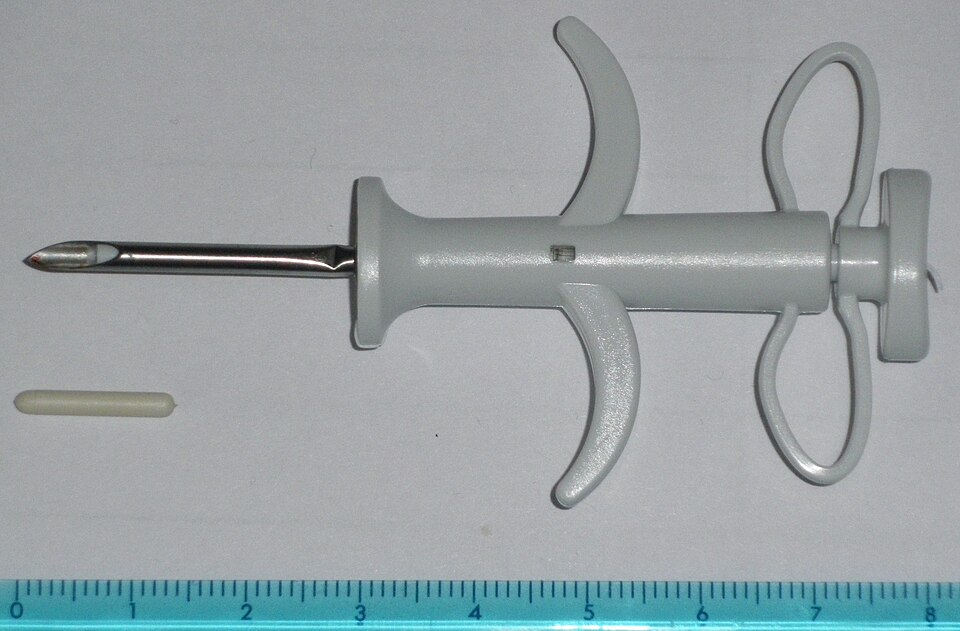
A microchip is a small capsule about the size of a grain of rice. Inside is a unique number that can be read with a special scanner. According to the Ministry's statements, the chips used in Turkey comply with the international ISO 11784 standard and carry a 15-digit number.
- The chip is placed under the skin by a vet using a special applicator. The regulation defines where on the body it should be implanted; these sites were redefined by the 2025 amendment.
- The chip has no battery and doesn't give location (GPS) information. It only shows its number when a scanner is brought close.
- After the microchip is implanted, a passport is issued for the animal.
Where do you apply?
According to the Ministry's statement, cat and dog owners can register their animals in PETVET by applying to provincial or district Directorates of Agriculture and Forestry (İl/İlçe Tarım ve Orman Müdürlükleri) or to authorized private-practice vets. In many provinces, protocols signed between the provincial directorates and the local chambers of veterinarians have also given private-practice vets the authority to implant microchips and register animals.
- Make an appointment with your vet or the provincial or district directorate. Some provincial directorates use an appointment system for PETVET.
- Fill in the declaration form. Under the 2025 regulation amendment, applications are made with the declaration form annexed to the regulation; the animal's details and yours are entered into the record.
- The chip is implanted and the registration is made. The animal is registered in PETVET in your name.
- Get the passport and keep it safe. Vaccinations and owner details are recorded in the passport.
- Write down the numbers. Keep the microchip number and the PETVET registration number somewhere easy to find.
In Tüylüm, you can enter the microchip and PETVET numbers in your pet's Edit details › ID card section. These numbers also appear in the vet summary and its PDF; in an emergency, everything is at your fingertips.
Loss, death and change of owner
Registration isn't something you do once and forget. The Ministry states that owners are obliged to report events such as birth, death, loss and change of owner to the provincial or district directorate. Under the 2025 regulation amendment:
| Situation | Reporting deadline |
|---|---|
| A registered animal is lost | Within 7 days |
| A registered animal dies | Within 30 days |
| Change of owner | Must be reported (ask the directorate about the deadline) |
Don't delay reporting a loss: whether you can be reached when the animal is found and its chip is scanned depends on the details in the record being up to date. If you've moved or your phone number has changed, have your details updated.
Traveling abroad
According to a notice from the Ankara Provincial Directorate of Agriculture and Forestry, anyone taking a cat or dog abroad, whether traveling with it or shipping it commercially, needs the animal to be microchipped, issued a passport and registered in PETVET. The destination country's own rules (vaccinations, tests, waiting periods) also apply separately; talk to your vet and to the official authorities of the country you're going to weeks before the trip.
Frequently asked questions
My cat never goes outside. Does it still need a chip?
Yes. The law and the regulation make no distinction based on whether the animal goes outside; owned cats and dogs must be registered. Besides, indoor cats can also slip out through an open door or window; a chip is the most reliable way for a lost cat to find its way back to you.
Will the microchip show where my cat is?
No. The microchip has no battery and doesn't give location information. It only shows its number when a scanner is brought close. That's why it's so important that the contact details in the record are up to date.
I have a ferret. Is it covered too?
The regulation covers cats, dogs and ferrets. The December 31, 2025 deadline in the 2024 law, however, was written for cats and dogs. Ask your provincial or district Directorate of Agriculture and Forestry, or your vet, about current practice for your ferret.
The animal I adopted already has a chip. What should I do?
Make sure the chip is registered in PETVET in your name. If the change of owner hasn't been recorded, the registration may still be in the previous owner's name; report this to the provincial or district directorate or to your vet.

Keep track of your pet's care in TüylümLog vet visits, vaccine and medication dates, and we'll remind you when it's time. Share it all with your family in Home.
Sources
- Resmî Gazete · Law No. 7527 Amending the Animal Protection Law (7527 sayılı Hayvanları Koruma Kanununda Değişiklik Yapılmasına Dair Kanun), August 2, 2024, issue 32620
- Resmî Gazete · Amendment to the Regulation on the Identification and Registration of Cats, Dogs and Ferrets (Kedi, Köpek ve Gelinciklerin Kimliklendirilmesi ve Kayıt Altına Alınmasına Dair Yönetmelikte Değişiklik), March 5, 2025, issue 32832
- Resmî Gazete · Regulation on the Identification and Registration of Cats, Dogs and Ferrets (Kedi, Köpek ve Gelinciklerin Kimliklendirilmesi ve Kayıt Altına Alınmasına Dair Yönetmelik), February 26, 2018, issue 30344
- Ministry of Agriculture and Forestry (Tarım ve Orman Bakanlığı) · Digital identification of cats and dogs continues (Kedi ve köpeklerin dijital kimliklendirilme işlemleri devam ediyor), December 8, 2022
- Osmaniye Provincial Directorate of Agriculture and Forestry (Osmaniye İl Tarım ve Orman Müdürlüğü) · Protocol on PETVET and pet identification (PETVET ve evcil hayvanların kimliklendirilmesi protokolü), 2021
- Ankara Provincial Directorate of Agriculture and Forestry (Ankara İl Tarım ve Orman Müdürlüğü) · Notice for those taking pets abroad (Yurtdışına ev ve süs hayvanı götüreceklerin dikkatine), PDF
By Tüylüm · Published and last checked: October 24, 2026. Spotted a mistake? Write to [email protected] and we'll fix it right away. Photos are from Wikimedia Commons, used under the license shown below each photo.