Which greens can rabbits eat? What the charities list, and how to introduce new foods
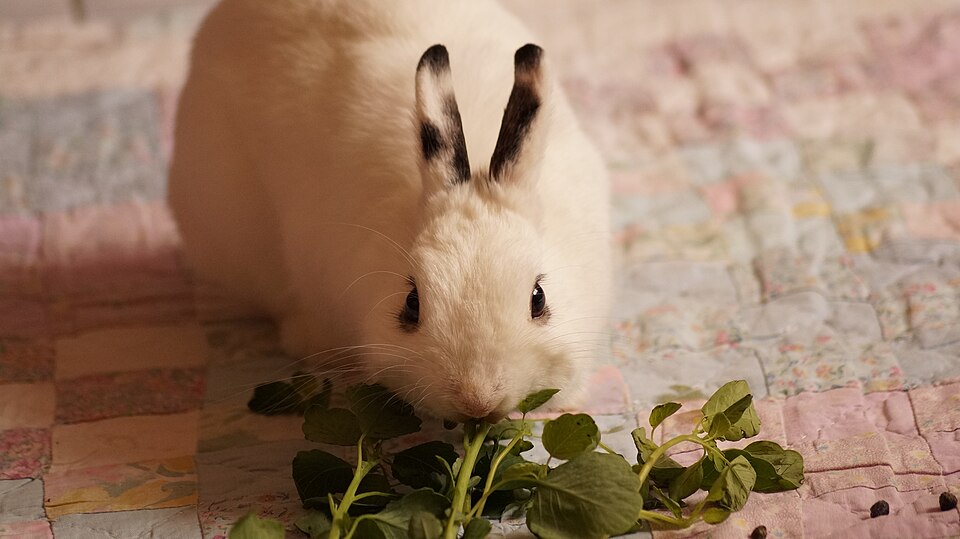
In a rabbit's diet the main food is hay and grass; fresh greens add variety alongside it. The Rabbit Welfare Association & Fund (RWAF), PDSA and the RSPCA list in detail which greens are considered safe. This article pulls from those lists; for amounts and proportions, we report each organization's own wording. We covered why hay is the foundation in What do rabbits eat?
- The base: Hay and/or grass, unlimited. PDSA and the RSPCA say about 85 percent of the diet should be hay and grass.
- Greens: Dark leafy greens and herbs; rotate different kinds.
- New foods: Introduce them one at a time and slowly; watch droppings, appetite and behavior.
- Treats: Fruit and carrots are sugary; only occasionally and in tiny amounts.
- If in doubt, leave it out: Don't feed a plant you can't identify or that may have been sprayed.
How do the organizations give proportions?
They run along similar lines but the numbers differ a little; we give each by name:
| Organization | What it says |
|---|---|
| RSPCA | Hay and grass about 85 percent of the diet; greens and herbs about 10 percent; a large handful of washed greens a day |
| PDSA | About 85 percent hay and/or grass; an adult-sized handful of greens, vegetables and herbs twice a day, from five to six different kinds |
| RWAF | Fresh vegetables about 5 to 10 percent of the daily diet; unlimited hay and fresh grass should remain the foundation |
| RSPCA Australia | Fresh leafy greens and vegetables about 15 percent; three to five different kinds a day, rotated over time |
These figures come from different pages of different organizations. For which to follow, or if your rabbit's weight or droppings change, talk to your veterinarian.
The greens the organizations list
From RWAF's "safe vegetables and herbs" list:
| Group | Examples |
|---|---|
| Leafy greens | beet leaves, carrot tops, dandelion leaves, frisée, lamb's lettuce, pak choi, radish tops, arugula (rocket), romaine lettuce, dark leafy salad greens, spring greens, watercress; spinach only occasionally (because of its oxalate content) |
| Herbs | basil, cilantro (coriander), dill, mint, parsley, thyme; parsley is higher in calcium, so rotate it with other herbs |
| Brassicas | broccoli, Brussels sprouts, cabbage, cauliflower, kale; they can cause gas, so rotate them and avoid large daily amounts |
| Non-leafy vegetables | asparagus, celery, fennel, green beans, sugar snap peas |
| Other | zucchini (courgette; flowers included, leaves excluded), cucumber, pumpkin, squash, ripe tomato flesh, celeriac, radish, rutabaga (swede), turnip; bell pepper only in small amounts, flesh only |
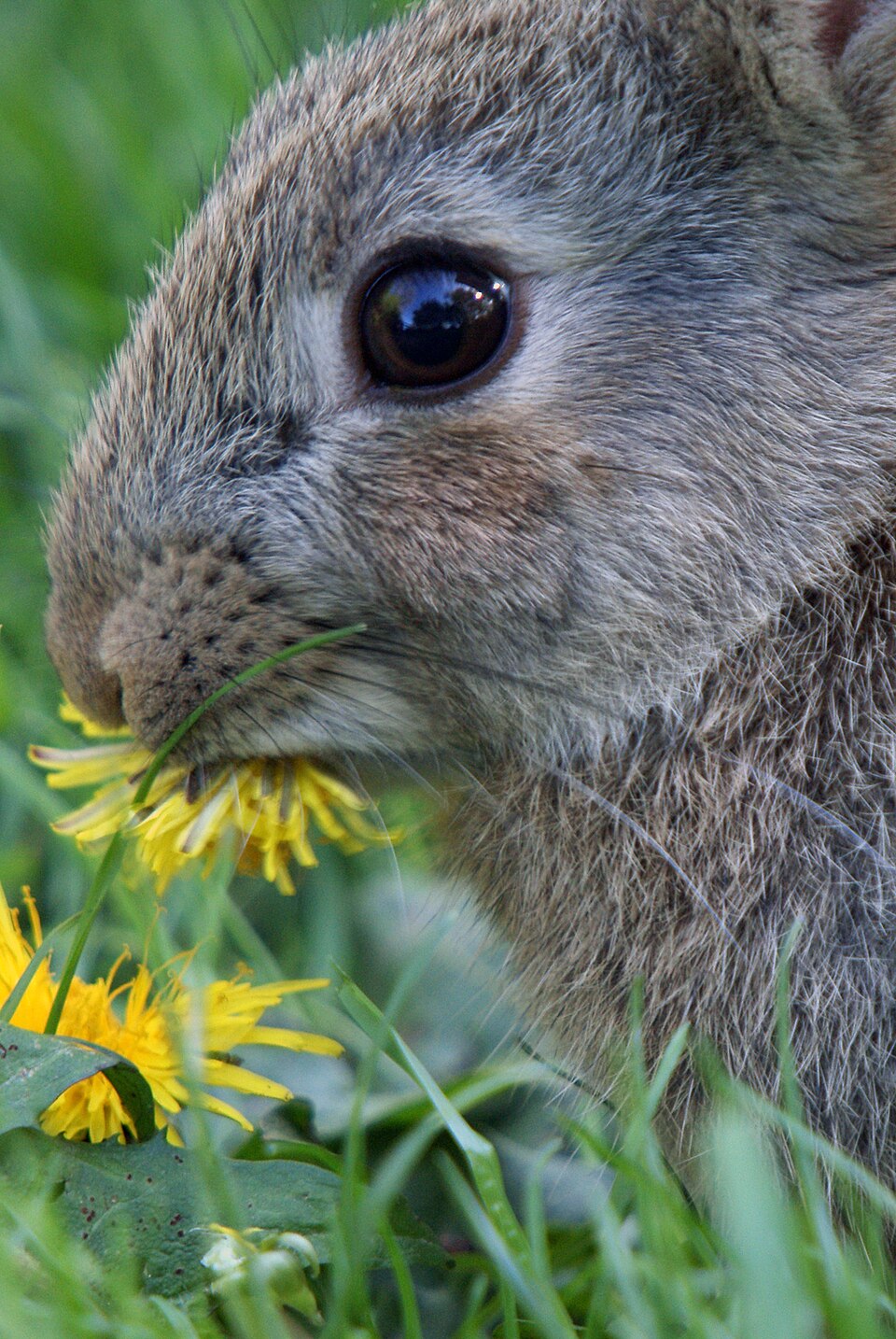
RWAF also lists wild plants: dandelions, plantain, chamomile, common mallow, yarrow, nasturtium, rose leaves and flowers, blackberry and raspberry leaves, hawthorn, hazel and willow leaves, among others. RWAF gives no separate feeding guidance for these plants.
What to avoid
RWAF's "avoid" list: eggplant (aubergine), chili peppers, potatoes and potato tops, tomato leaves and stems. The page also discourages iceberg lettuce and Swiss chard. The RSPCA notes that some plants are poisonous, naming bluebells, foxgloves, holly and tulips, and sums up the rule as "if in doubt, leave it out." PDSA says not to feed anything you can't identify or that may have been exposed to pesticides or fertilizers, and to wash all fresh food.
Introduce new foods slowly
All three organizations agree: sudden changes can upset digestion.
- One at a time: RWAF suggests introducing each new vegetable gradually, one at a time.
- Small amounts: The RSPCA suggests introducing new greens slowly, in small amounts.
- Watch: RWAF suggests watching droppings, appetite and behavior for signs of digestive upset.
- Changing the main diet: PDSA suggests spreading a diet change over 2 to 4 weeks, mixing a little of the new food into the old and increasing it gradually; slow down if problems appear.
Fruit and carrots: occasional treats
According to PDSA, fruit and carrots are sugary, so they should be given only in very small amounts and not to overweight rabbits; carrots are high in sugar and low in fiber, so only an occasional treat, and regular meals are reduced on treat days. The RSPCA likewise says carrots are high in sugar and can contribute to weight gain and digestive problems, and recommends carrot tops instead. It lists apple, banana and strawberry as examples of fruit, and says never to give the pips or seeds. RWAF counts fruit and carrot as treats only. RSPCA Australia says fruit should be given "only as a treat, if at all."
Hay is always the foundation
RWAF calls unlimited, good-quality hay the foundation of a healthy diet. According to the RSPCA, a rabbit should always have unlimited access to hay or grass; hay supports digestion, provides fiber and wears down continuously growing teeth. To turn foraging into play, see our enrichment article.
If your rabbit has stopped eating, its droppings have become smaller or stopped, its belly is swollen, or it seems lethargic, talk to your veterinarian without waiting. Tüylüm is a record-keeping tool; it doesn't diagnose.
You can add serving fresh greens and refilling hay as daily care tasks in the Today tab. If you note the day you introduce a new food in the Memory book, it's easier to tell your veterinarian when something changes; Tüylüm doesn't give food recommendations.
Frequently asked questions
How many grams of greens should I give?
The organizations give handfuls and proportions, not grams: the RSPCA says a large handful of washed greens a day, PDSA says an adult-sized handful twice a day. For your own rabbit, talk to your veterinarian.
Aren't carrots good for rabbits?
According to the RSPCA and PDSA, carrots are sugary, so only an occasional treat; the RSPCA recommends carrot tops instead.
Can I feed plants I pick in the yard?
RWAF lists wild plants, but PDSA says not to feed anything you can't identify or that may have been sprayed. If in doubt, leave it out.

Keep track of your pet's care in TüylümLog vet visits, vaccine and medication dates, and we'll remind you when it's time. Share it all with your family in Home.
Sources
- Rabbit Welfare Association & Fund · Safe vegetables and herbs for pet rabbits
- PDSA · Feeding your rabbits
- RSPCA · What do rabbits eat?
- RSPCA Australia · What should I feed my rabbits?
This article is for general information only; it is not a diagnosis or treatment advice and does not replace a visit to a veterinarian. Talk to your vet about decisions on your pet's health. By Tüylüm · Published and last checked: November 9, 2026. Spotted a mistake? Write to [email protected] and we'll fix it right away. Photos are from Wikimedia Commons, used under the license shown below each photo.