African pygmy hedgehog care: what to know before you bring one home
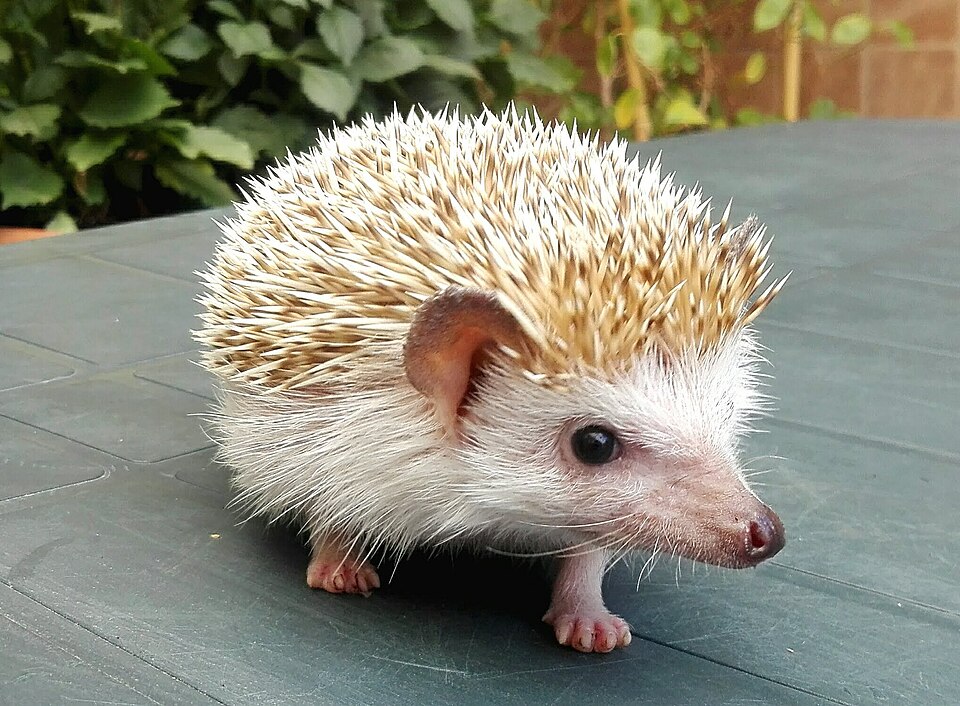
In the middle of the night, a rustle comes from the cage: a little nose pokes out from under the bedding, sniffs the air, and the wheel starts to spin. The African pygmy hedgehog (Atelerix albiventris) is a small insectivore that hides and sleeps during the day, then turns into a completely different animal as evening falls. Behind its cute looks are some very particular needs: a warm environment, plenty of space, carefully measured food and a lot of patience. In this article we've gathered how to start life with a pygmy hedgehog, based on veterinary sources.
- It lives alone: It's a species that lives alone in the wild, and at home the rule is one hedgehog, one cage.
- It's nocturnal: It sleeps during the day and becomes active in the evening and at night. The best time to spend with it is the evening.
- It needs warmth: According to the Merck Veterinary Manual, the ideal environment is 24–29 °C (75–84 °F). In the cold, or when it's too hot, it can go into a sluggish state (torpor), which is unhealthy.
- A large cage with a solid floor: Wire floors and wire wheels can trap legs and cause injuries.
- Weight control: Hedgehogs gain weight easily; give food in measured amounts and weigh your hedgehog regularly.
Meet this little insectivore
According to Merck, the African pygmy hedgehog (also called the four-toed hedgehog or the white-bellied hedgehog) is a solitary, nocturnal mammal that lives in the dry, open areas of Africa. In the wild it can travel for kilometers while looking for food. The average weights Merck gives: 400–600 g for males and 300–400 g for females. According to Merck, the average lifespan is 4–6 years.
According to Merck, hedgehogs dig, climb, swim and run with ease; their senses of smell and hearing are very sharp, but their eyesight is poor. So your hedgehog will get to know you first by your voice and your smell.
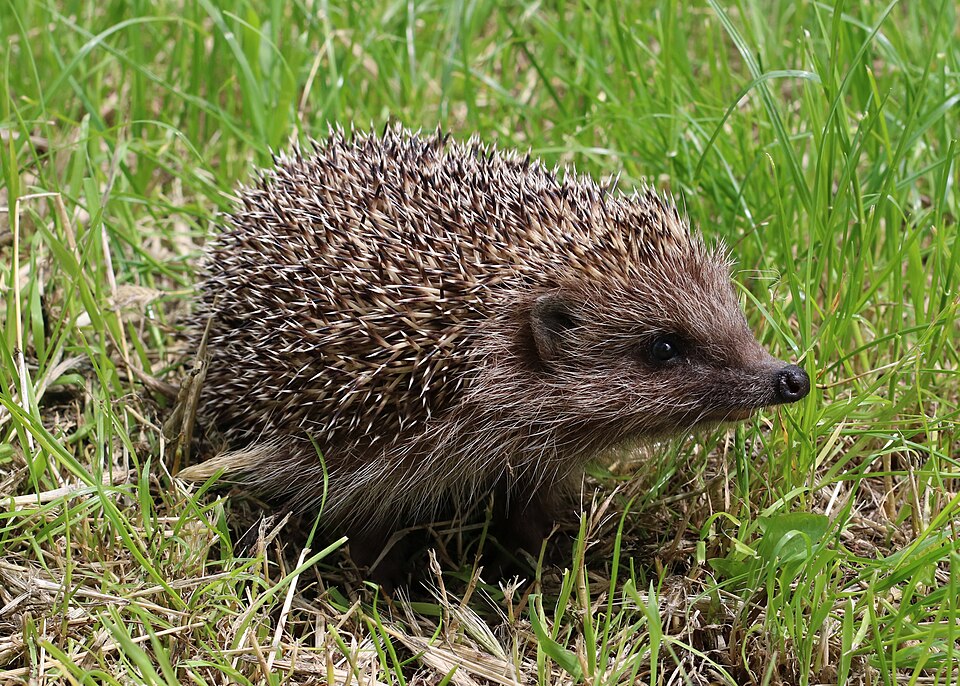
This species isn't the same as the wild hedgehogs you see in gardens or parks. Turkey's wild hedgehogs are separate species that live in nature; we wrote about them in our article on the wild hedgehog in your garden.

Think honestly before you get one
The RSPCA doesn't recommend the African pygmy hedgehog as a pet. Its reasons are worth knowing before you decide:
- It's a very active species that covers long distances in the wild; according to the RSPCA, it's often kept in small cages that aren't suitable for it.
- Because it's nocturnal, you can only spend time with it at night, and you need to let it rest during the day.
- It's a solitary species; keeping two hedgehogs together will most likely lead to fights.
- It's prone to health problems such as tumors, heart disease, "wobbly hedgehog syndrome", parasites, fungal infections and Salmonella; the RSPCA reminds owners that its care can be expensive.
When you get a hedgehog, also look for signs of good health. According to Merck, a healthy hedgehog, even if it's shy at first, will open up after a while and explore its surroundings; its nose is moist and it licks it often, its breathing makes no noise, and its droppings are dark brown and soft.
The African pygmy hedgehog comes from a warm climate and needs a constantly warm environment. If you find you can no longer care for it, never release it into the wild; ask your vet what you can do.
The cage: large, secure, with a solid floor
Merck and the University of Illinois recommend a floor area of at least 60 × 90 cm; the University of Florida prefers a larger cage, of about 120 × 60 cm. Hedgehogs are good climbers and can escape through small holes; Merck wants the cage to be secure, preferably with a lid, and well ventilated.
- No wire floors: According to the University of Florida, cages with wire floors can trap legs or tear off nails. According to Merck, fractures can happen when a leg gets caught in the cage wire or the wheel.
- A hide is a must: According to Merck, a place to hide is essential.
- Soft bedding: The University of Illinois recommends recycled paper bedding; cedar shavings and dusty materials can irritate the airways.
- A wheel with a solid surface: A leg can get trapped in a wire wheel; the running surface should be solid.
For details: hedgehog cages and wheels.
Temperature: the most critical part
The ranges the sources recommend differ slightly, but they all call for a warm environment:
| Source | Recommended room temperature |
|---|---|
| Merck Veterinary Manual | Ideal 24–29 °C (75–84 °F) (general range 22–32 °C / 72–90 °F) |
| University of Illinois | 24–29 °C (75–84 °F) |
| University of Florida | About 21–27 °C (70–81 °F) |
According to Merck, in a very cold or very hot environment a hedgehog can go into a sluggish state (torpor); this can weaken its immune system, disrupt how its organs work and lead to starvation. The University of Illinois recommends using at least two thermometers in the cage. More details: temperature for hedgehogs.
Feeding: an insectivore, but in moderation
According to Merck and the University of Illinois, the main food should be a diet made for hedgehogs or insectivores. Merck recommends insects such as gut-loaded crickets; according to the University of Florida, crickets, mealworms and earthworms are both nutritious and treats hedgehogs love. Milk, raw meat, raw eggs, avocado, nuts and seeds are among the foods the sources say shouldn't be given. Merck recommends weighing your hedgehog once a week. More details: hedgehog diet.
Getting it used to handling: patience and two cupped hands
According to the University of Florida, a newly arrived hedgehog may seem grumpy in its first days; its whole world has been turned upside down. According to Merck, hedgehogs handled every day from a young age become tame adults.
- Give it time: In the first days, let it get used to its new surroundings.
- Approach quietly and slowly: The University of Florida recommends speaking softly and not startling the hedgehog.
- Lift it from underneath, with two cupped hands: Gently lift it from below, where the fur on its belly is soft, with both hands cupped.
- If it rolls into a ball, wait: If you hold it patiently in your lap, after a while it will unroll and start sniffing around.
- Choose the evening hours: According to the University of Illinois, night is the best time to interact; make frequent, calm attempts.
We explain what rolling into a ball and hissing mean in our article on why hedgehogs raise their spines.
According to Merck, hedgehogs often carry Salmonella without showing any signs, and many cases have been reported of it spreading to people, especially young children. Wash your hands right after holding your hedgehog, don't let the hedgehog or its things come into contact with the kitchen or places where food is prepared, and keep its cage clean.
Find a vet who knows hedgehogs
According to Merck, hedgehogs tend to hide signs of illness; Merck recommends a thorough exam every 6–12 months, and the University of Illinois a checkup every six months. Decide how often to have exams together with a vet experienced with exotic animals (especially hedgehogs); it's best to find this vet before you bring the hedgehog home. According to Merck, most hedgehogs roll into a ball when held, so a complete exam usually needs sedation or anesthesia.
According to Merck, signs of illness in hedgehogs are often vague: lethargy, weakness, loss of appetite. If you notice any of these, or a change such as weight loss, losing spines or wobbling when it walks, call your vet without waiting.
In Tüylüm, the Today tab has ready-made tasks for hedgehogs: Food (evening), Water, Cage cleaning. Everyone in your Home sees the same list. You can log your hedgehog's weight with Weight tracking and add checkup dates to My vet visits.
For our other hedgehog articles: hedgehog articles.
Frequently asked questions
Can I keep two hedgehogs in the same cage?
It's not recommended. According to Merck and the RSPCA, hedgehogs are solitary animals and should be kept in separate cages at home. The University of Florida notes that males in particular can fight very fiercely when kept together.
My hedgehog sleeps all day. Is that normal?
Yes. According to the University of Florida, hedgehogs prefer to sleep during the day and become active in the late afternoon and evening. But if it's also inactive at night, isn't eating or is quieter than usual, call your vet.
Do hedgehogs bite?
According to Merck, most hedgehogs get used to being handled with patience and rarely bite. According to Merck, most hedgehogs roll into a ball when they're held, and hiss loudly when they're uneasy.

Keep track of your pet's care in TüylümLog vet visits, vaccine and medication dates, and we'll remind you when it's time. Share it all with your family in Home.
Sources
- Merck Veterinary Manual · Overview of Four-Toed (African Pygmy) Hedgehogs
- Merck Veterinary Manual · Management of Four-Toed (African Pygmy) Hedgehogs
- Merck Veterinary Manual · Diseases of Four-Toed (African Pygmy) Hedgehogs
- RSPCA · Keeping African pygmy hedgehogs as pets
- University of Florida College of Veterinary Medicine · How to care for your pet hedgehog
- University of Illinois College of Veterinary Medicine · How to Care for Your Hedgehog
By Tüylüm · Published and last checked: October 24, 2026. Spotted a mistake? Write to [email protected] and we'll fix it right away. Photos are from Wikimedia Commons, used under the license shown below each photo.