What do African pygmy hedgehogs eat? Feeding an insectivore and keeping its weight in check
When evening comes, your hedgehog comes out of its hiding place, lifts its nose into the air and walks over to its food dish. When you drop a cricket into the dish, it suddenly turns into a completely different animal: fast, determined and very happy. Hedgehogs love insects, but one of the most common problems in pet hedgehogs is excess weight. Good nutrition is about both what your hedgehog eats and how much. In this article, based on veterinary sources, we've gathered what should go in an African pygmy hedgehog's dish, and what never should.
- Main diet: A commercial diet made for hedgehogs or insectivores (Merck, University of Illinois).
- Insects: Gut-loaded insects such as crickets and mealworms are given as extras alongside the main diet.
- Measure it out: According to Merck, food should be measured, and the hedgehog should be weighed once a week.
- Don't give: Milk, raw meat and raw eggs, avocado, nuts, seeds, hard raw vegetables, grapes and dried fruit, salty or sugary snacks.
- Water: Always fresh, clean water; the University of Illinois recommends changing the water every day.
What does it eat in the wild?
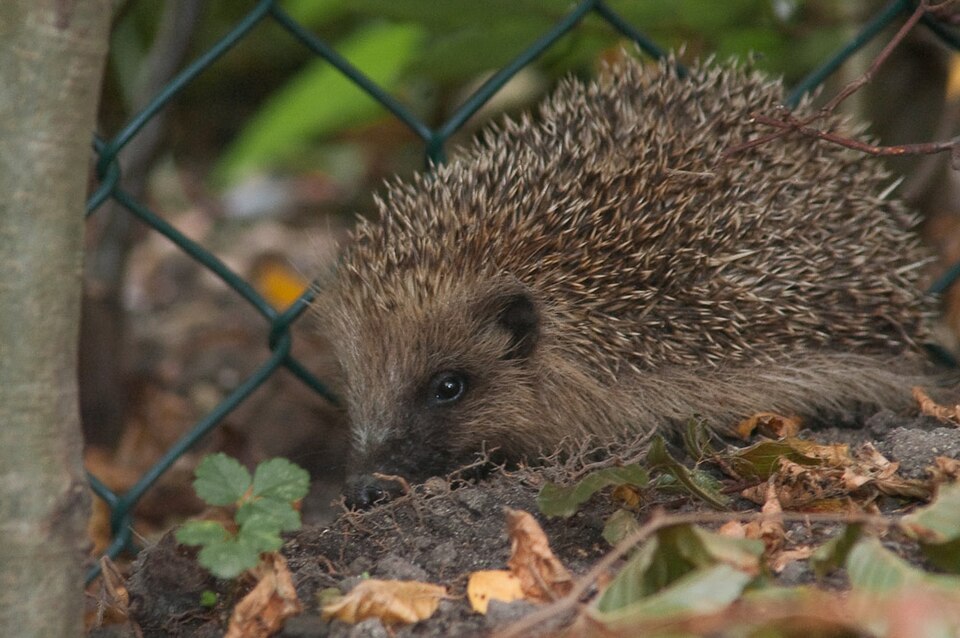
According to the Royal Veterinary College, the African pygmy hedgehog is an omnivore that eats a wide variety of insects in the wild, and occasionally slugs, snails and small vertebrates. The RSPCA also lists spiders, plants and bird eggs. According to the University of Florida, most of a hedgehog's diet is made up of insects; its digestive system has no cecum, the part of the gut that helps digest plants. Merck also describes hedgehogs as omnivores that mainly eat insects.
The main diet: a commercial food suited to hedgehogs
According to Merck, the best main diet is a commercial food made for hedgehogs or insectivores, and it should make up most of the diet. The University of Illinois also says the best diet is a hedgehog or insectivore formula. According to the Royal Veterinary College, hedgehogs are prone to dental disease, so it's important that part of the diet is dry food. The University of Florida asks you to make sure the kibble is small enough for your hedgehog to chew.
The sources disagree here. Merck mentions a good-quality cat food aimed at weight control as an alternative; the Royal Veterinary College recommends a cat food that is high in protein and low in fat. The University of Illinois, on the other hand, says cat and ferret foods are too high in protein and fat and too low in fiber for hedgehogs, and recommends not giving them. The RSPCA also points out that pet hedgehogs are often fed foods that are too fatty, which can lead to obesity. Choose your hedgehog's main diet together with your vet.
Switching to a new food: little by little
According to Merck, hedgehogs are often slow to accept new foods, so a change of diet should be made gradually. The University of Florida also recommends trying new foods one at a time, keeping the diet varied and not overdoing treats, to avoid digestive problems.
Insects: its favorite treat
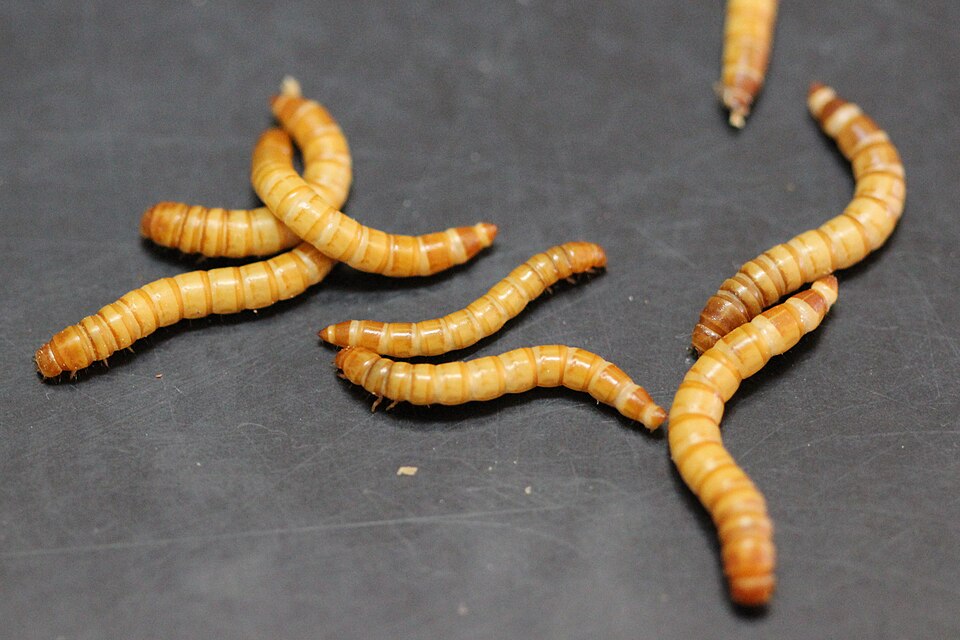
Alongside the main diet, Merck recommends gut-loaded insects such as crickets and dubia roaches. The University of Illinois wants crickets, earthworms or mealworms to be enriched with calcium. The Royal Veterinary College says insects can be given a few times a week; according to the University of Florida, insects are both very nutritious and a treat hedgehogs love.
- Why gut-loaded: According to Merck, calcium deficiency can occur in hedgehogs whose diet consists mostly of insects that haven't been gut-loaded.
- Earthworms: The University of Florida and the University of Illinois also list earthworms.
- Hide it: According to Merck, hiding insects and dry food in the bedding or scattering them around the cage encourages your hedgehog to forage and move.
- Go easy: According to Merck, fatty foods such as high-fat insect larvae, baby mice and eggs should be cut back for overweight hedgehogs.
Vegetables and fruit: small and careful amounts
The University of Illinois lists beans, cooked carrots, squash, peas and leafy greens, but wants fruit given very sparingly because it's high in sugar. Merck also mentions a small amount of a vegetable and fruit mix, such as beans, cooked carrots, squash, leafy greens and berries, alongside the main diet. According to the University of Florida, hard raw vegetables shouldn't be given; the University of Illinois and Merck also list carrots as cooked.
What not to give
| Food | Why, according to the source |
|---|---|
| Milk | Merck: can cause diarrhea |
| Raw meat and raw eggs | Merck: Salmonella risk; the University of Florida also lists raw meat |
| Avocado | University of Florida: shouldn't be given |
| Nuts and seeds | University of Florida: shouldn't be given |
| Hard, uncooked raw vegetables | University of Florida: shouldn't be given |
| Grapes, raisins, dried fruit and vegetables | University of Florida: shouldn't be given |
| Onions and onion powder, bread, honey | University of Florida: shouldn't be given |
| Salty or sugary junk food | University of Florida: shouldn't be given |
The University of Florida also recommends reading the labels on commercial foods carefully; some products may contain dried fruit or vegetables that shouldn't be given. Before giving any human food that isn't on the list, ask your vet.
Weight control: a hedgehog's biggest challenge
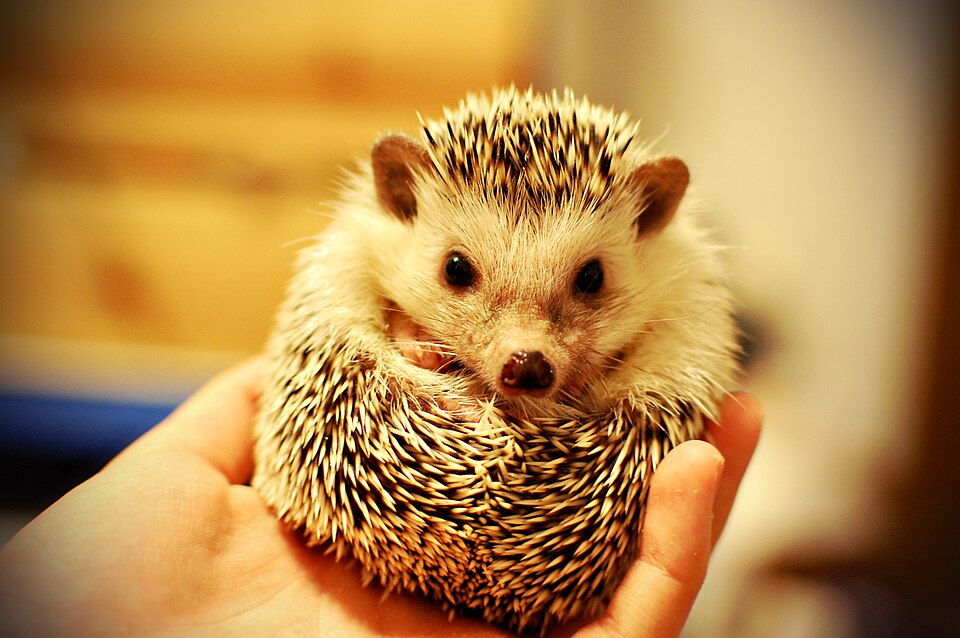
According to Merck, obesity is very common in pet hedgehogs, and obese hedgehogs often can't roll up fully because of the fat that builds up under the skin. The Royal Veterinary College also stresses that obesity is a common problem in pet hedgehogs. According to the University of Illinois, the right diet and plenty of exercise can prevent obesity and fatty liver disease.
- Feed in the evening: According to the Royal Veterinary College, giving food only at night and removing leftovers early in the morning helps prevent overeating.
- Don't keep the dish always full: For weight control, Merck recommends avoiding having food available all the time (free feeding).
- Measure it out: According to Merck, the amount should be adjusted to your hedgehog's weight and activity. Ask your vet how much to give.
- Weigh once a week: Merck recommends weighing your hedgehog once a week.
- Keep it moving: According to Merck, there should always be a running wheel in the cage; scattering food around the cage also encourages your hedgehog to move.
- Slim it down slowly: According to Merck, weight loss should be slow; losing weight quickly can trigger the fatty liver problem that is common in hedgehogs. Make a weight-loss plan with your vet.
For the wheel and cage: hedgehog cages and wheels. For rolling-up behavior: why hedgehogs raise their spines.
Water and supplements
- Always water: According to Merck, fresh water should always be available; most hedgehogs learn to drink from a bottle or a bowl. The University of Illinois wants water given in a shallow dish, changed every day, with nothing added to it.
- Bottle or bowl: According to the University of Florida, if your hedgehog chews the bottle or struggles with it, switch to a bowl heavy enough not to tip over, since chewing can damage its teeth.
- Supplements: According to Merck, a hedgehog fed a balanced commercial diet doesn't need vitamin or mineral supplements. If you're thinking about a supplement, talk to your vet.
For the other things you need to know when starting life with a hedgehog: African pygmy hedgehog care.
If you log the weekly weigh-in in Tüylüm's Weight tracking section, you can see how your hedgehog's weight is changing. Food & litter supplies also calculates when your hedgehog's food will run out and reminds you before it does.
Frequently asked questions
Can I give my hedgehog cat food?
The sources disagree on this: Merck and the Royal Veterinary College mention a good-quality, low-fat cat food as an option, while the University of Illinois says cat food is too high in fat and protein for hedgehogs. Choose the main diet together with your vet.
How much food should I give my hedgehog each day?
According to Merck, the amount should be adjusted to your hedgehog's weight and activity, and the hedgehog should be weighed once a week. Work out the right amount for your own hedgehog together with your vet.
My hedgehog won't eat the new food I bought. What should I do?
According to Merck, hedgehogs are slow to accept new foods; switch gradually by mixing a little of the new food into the old food. If your hedgehog isn't eating at all, seems lethargic or is losing weight, call your vet without waiting.

Keep track of your pet's care in TüylümLog vet visits, vaccine and medication dates, and we'll remind you when it's time. Share it all with your family in Home.
Sources
- Merck Veterinary Manual · Management of Four-Toed (African Pygmy) Hedgehogs
- Merck Veterinary Manual · Diseases of Four-Toed (African Pygmy) Hedgehogs
- University of Florida College of Veterinary Medicine · How to care for your pet hedgehog
- University of Illinois College of Veterinary Medicine · How to Care for Your Hedgehog
- Royal Veterinary College, Beaumont Sainsbury Animal Hospital · African pygmy hedgehog care (PDF)
- RSPCA · Keeping African pygmy hedgehogs as pets
By Tüylüm · Published and last checked: October 24, 2026. Spotted a mistake? Write to [email protected] and we'll fix it right away. Photos are from Wikimedia Commons, used under the license shown below each photo.