Aquarium water changes: how often, how much and how?
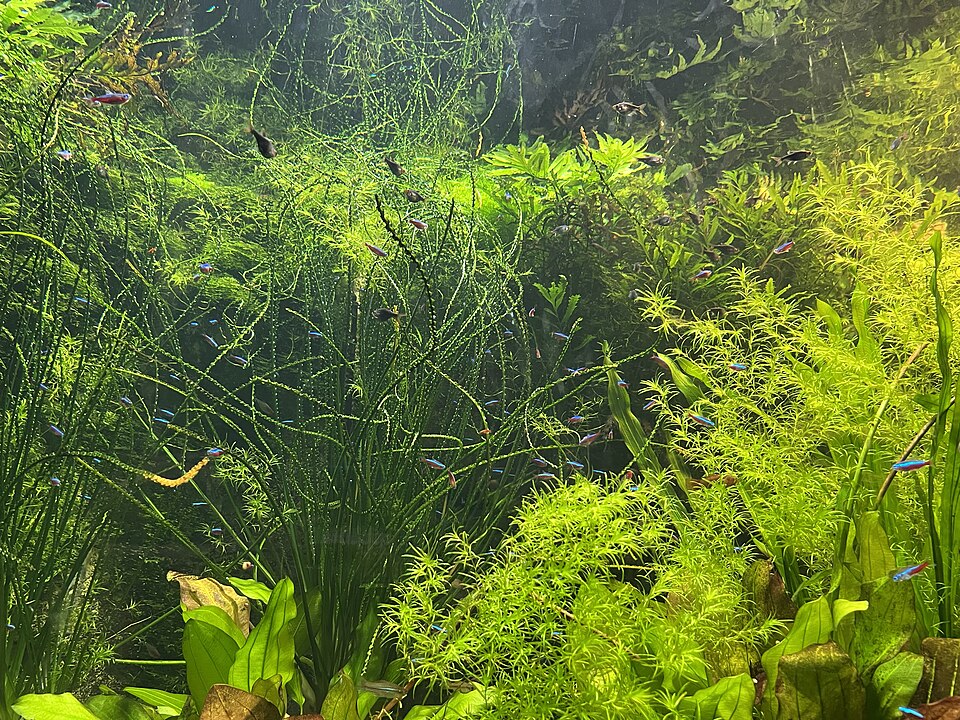
The aquarium water is crystal clear and the fish are swimming around happily. It's natural to think, "What is there to change about this water?" But as OATA points out, water that looks clear isn't necessarily good-quality water: most of the pollution that bothers fish can't be seen with the naked eye. Fish go to the toilet in the water they live in; the filter makes most of that waste harmless, but not all of it. Regular partial water changes may be the single most important habit in aquarium care. In this article we explain how often, how much and how to do them, with sources.
- Partial and regular: OATA recommends changing up to 25% of the water once a week; according to RSPCA Australia, 10–25% weekly.
- Water conditioner in the new water: The chlorine and chloramine in tap water are harmful to fish and to the beneficial bacteria.
- Match the temperature: According to the RSPCA, water at a different temperature can send fish into shock.
- Don't wash the filter under the tap: Gently swish the sponge in the water you've taken out of the tank.
- Use a kit, not your eyes: The safe level for ammonia and nitrite is zero.
Why do we change the water?
Ammonia, the waste fish produce, is converted by the beneficial bacteria in the filter first into nitrite and then into nitrate, which is far less toxic. Even once this system is established, the job isn't done: according to the RSPCA, nitrate can still cause problems for fish when it builds up to high levels, and regular water changes are needed to dilute the waste the biological filter can't break down. According to OATA, nitrate is either used up by plants or removed from the tank through partial water changes. We explained how this cycle gets established in an earlier article: setting up your first aquarium.
In summer there's one more reason: according to the RSPCA, water changes may be needed in hot weather to stop the tank from overheating.
How often, and how much?
| Source | Recommendation |
|---|---|
| OATA | Once a week, a partial change of up to 25% of the water |
| RSPCA Australia | A 10–25% partial change plus gravel cleaning once a week; more often in the first weeks of a new tank |
According to OATA, the right frequency and amount depend on the species of fish you keep, the size of the tank, the number of fish and other factors. If you're not sure, ask an experienced fishkeeper. The point the RSPCA stresses matters too: you can leave the fish in the tank during a water change; according to RSPCA Australia, this means the fish get less stressed.
Prepare the new water first
Half of a water change is getting ready the water you'll put into the tank.
- Chlorine and chloramine: According to the RSPCA, the chlorine in tap water is dangerous both to fish and to the bacteria in the filter. According to OATA, water conditioners (dechlorinators) make these chemicals harmless. RSPCA Australia reminds you to read the product label carefully and use the right amount.
- Filling a day ahead: According to RSPCA Australia, filling a bucket with tap water a day in advance lets some of the chlorine evaporate and lets the water come up to room temperature. Still, add the water conditioner before you put it in the tank.
- The same temperature: According to the RSPCA, if the new water is a different temperature from the water in the tank, the fish will go into shock; using a separate aquarium heater to warm the water before adding it is a good idea. This matters even more in a tropical tank.
- A bucket just for the aquarium: According to RSPCA Australia, because of the risk of chemical residue, don't use the bucket for any other job, and label it.
- No soap or detergent: According to RSPCA Australia, soap or detergent should never be used when cleaning an aquarium.
Water change, step by step
- Prepare your hands. According to OATA, rinse your hands so no soap residue is left, or wear long aquarium gloves; if you have an open wound, cover it, and wash your hands as soon as you're finished.
- Leave the fish in the tank. According to RSPCA Australia, move slowly so you don't startle the fish.
- Start the siphon. According to RSPCA Australia, you gently shake the siphon in the tank so the water starts flowing into the bucket below. Never start a siphon with your mouth; according to OATA, aquarium water can contain bacteria that could be harmful if swallowed.
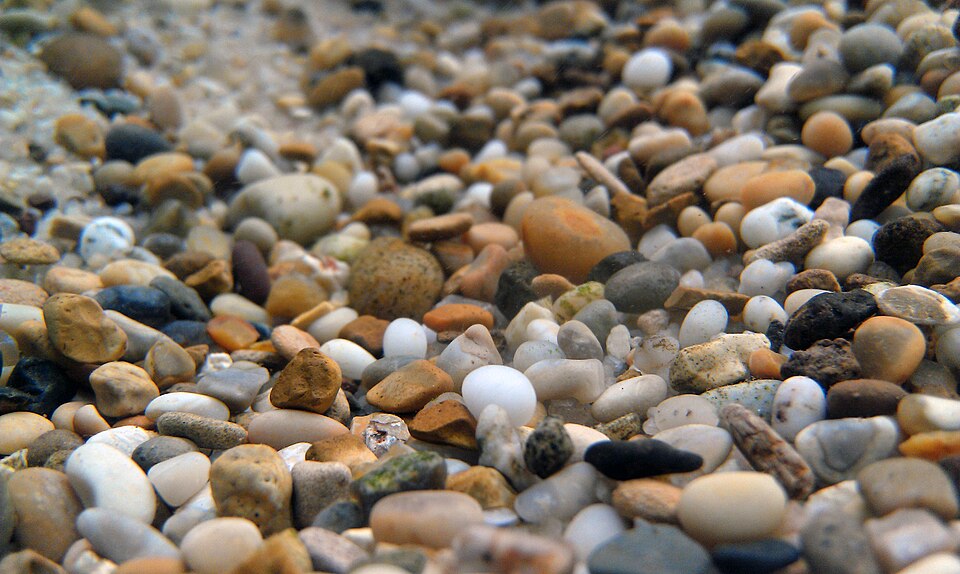
- Clean the bottom. Move the end of the siphon over the gravel; according to RSPCA Australia, this also pulls out droppings and uneaten food.
- Take out as much water as you planned. For your weekly routine, stay within the range the sources recommend.
- Clean the filter if it needs it. Swish the sponge in the water you've taken out of the tank (see below).
- Wipe the glass. According to RSPCA Australia, algae on the inside of the glass can be gently wiped off with a clean, aquarium-safe sponge or a magnetic glass cleaner.
- Add the water you prepared. It should have water conditioner in it and be the same temperature as the tank.
- Put the old water to use. A small tip from RSPCA Australia: the water you take out of the tank makes a good fertilizer for potted plants.
Cleaning the filter the right way
The filter is home to the beneficial bacteria. Trying to clean it too well is actually one of the mistakes that does an aquarium the most harm.
- When? According to RSPCA Australia, when the filter starts to clog or once a month, whichever comes first.
- How? According to the RSPCA and OATA, gently swish the filter sponge or media in the water you've taken out of the tank during a water change. This removes the built-up dirt but leaves most of the bacteria in place.
- Too much does harm: According to RSPCA Australia, over-cleaning the filter media wipes out the beneficial bacteria.
- Don't forget the impeller: According to the RSPCA, for the filter to work properly, its impeller also needs to be taken out and cleaned.
The RSPCA, OATA and RSPCA Australia all give the same warning: the chlorine or chloramine in tap water kills the beneficial bacteria in the filter. According to RSPCA Australia, without these bacteria the ammonia in fish waste can't be turned into less harmful substances, and the fish can die.
Water testing: use a kit, not your eyes
According to the RSPCA, you can't tell water quality by looking; ammonia and nitrite test kits aren't an optional extra but a must. The safe level for ammonia and nitrite is zero.
- How often? OATA recommends testing at least once a week, the RSPCA at least every two weeks. According to OATA, it's a good idea to test more often when you've just set up the tank and when you add new fish; test, too, if your fish are behaving unusually.
- Where do you take the sample from? According to OATA, take the water from the main part of the tank, not from the filter.
- Keep a record: OATA recommends writing down the results so you notice changes quickly.
According to the RSPCA, if ammonia or nitrite is above zero, you should change half the water every day and keep testing until things improve; if the levels don't come down over time, get help from an experienced fishkeeper. According to UF/IFAS, the first thing to do when there's ammonia in the water is to cut back on food or stop feeding for a short time; overfeeding is one of the main causes of high ammonia. More detail: overfeeding fish. If you see signs of illness in your fish, talk to a vet who treats fish.
In Tüylüm's Today tab there are ready-made tasks for fish: Water change (weekly), Water test (weekly) and Filter cleaning (monthly). Everyone in your Home sees the same list, so there's no confusion about who changed the water this week.
Frequently asked questions
Wouldn't the tank be cleaner if I changed all the water at once?
All the sources recommend partial water changes. According to OATA, the aim of aquarium care is to provide a stable environment and avoid sudden changes that could harm the fish. The beneficial bacteria also live on the surfaces in the tank and in the filter; the way to reduce waste without upsetting that balance is regular, partial changes.
Should I move the fish to another container during a water change?
No. The RSPCA recommends siphoning the water out while leaving the fish in the tank; according to RSPCA Australia, this means the fish get less stressed. Just move slowly.
Which test kits do I need?
According to the RSPCA, ammonia and nitrite kits are essential. OATA also recommends testing nitrate and pH, and there are kits for phosphate and water hardness as well. According to OATA, liquid, tablet and strip kits all work the same way: they change color, and you compare the result against a color chart.

Keep track of your pet's care in TüylümLog vet visits, vaccine and medication dates, and we'll remind you when it's time. Share it all with your family in Home.
Sources
- RSPCA · Choosing an aquarium for pet fish
- OATA · How to set up and look after a freshwater tank / aquarium
- OATA · How to test water quality in your freshwater tank / aquarium
- RSPCA Australia · Why is water quality important when setting up a fish aquarium?
- RSPCA · Help exotic pets stay cool in summer
- UF/IFAS Extension · Ammonia in Aquatic Systems (FA16)
By Tüylüm · Published and last checked: October 24, 2026. Spotted a mistake? Write to [email protected] and we'll fix it right away. Photos are from Wikimedia Commons, used under the license shown below each photo.