Adding new fish to your aquarium: a safe move from bag to tank
You're holding a clear plastic bag with your new fish swimming inside. The moment you get home, it's very tempting to open the bag and tip it into the tank. But according to OATA, fish get stressed easily by bright light, extreme temperatures, noise and movement; for a fish that has just come off a journey, a sudden change in temperature adds to all of that. On top of this, according to OATA, some diseases can be carried even by fish that show no signs at all. In this article we explain, step by step, how to add a new fish while protecting both it and the tank's existing residents.
- Get the tank ready first: According to OATA, ammonia and nitrite should be at zero before you add new fish.
- Research compatibility: The species, adult size, behavior and water temperature of the new fish should suit your existing fish.
- Quarantine: UF/IFAS and Singapore's Animal & Veterinary Service (AVS) recommend quarantining new fish before they go into the main tank.
- Float the bag: According to the RSPCA, leave the sealed bag in the tank water for half an hour with the lights off; then catch the fish with a net, and don't pour the bag water into the tank.
- A few at a time: According to OATA, adding fish too quickly can lead to "new tank syndrome".
Before you buy: what does a healthy fish look like?
According to the RSPCA, buy your fish only from places that sell healthy animals. In the shop, look for the following:
- The tanks: According to the RSPCA, they should be clean and well kept, with no dead fish and no cloudy water.
- Swimming: The fish should swim without struggling.
- Eyes, fins, scales: According to OATA, a healthy fish has clear, bright eyes, undamaged fins and a full set of scales; there are no wounds or swellings on its body, and its breathing is regular.
- Warning signs: The RSPCA asks you to watch out for torn fins, white spots, open sores and thin fish with sunken bellies.
- The other fish in the same tank: According to OATA, if there are sick-looking fish in the same tank, don't buy from that tank, even if the fish you want looks healthy.
The RSPCA also recommends asking the seller where the fish came from. According to the RSPCA, fish use up oxygen quickly and produce waste, so they can't survive long in transport containers. That's why, according to the RSPCA, fish should never be sent by post or courier.
Choosing compatible species
According to Singapore's AVS, keeping fish that don't get along together can lead to stress, bullying and even fish eating each other. AVS recommends thinking about species, size, natural habitat and typical behavior before you buy. According to OATA, species can prefer different water types, currents and temperature ranges.
The RSPCA's important warnings:
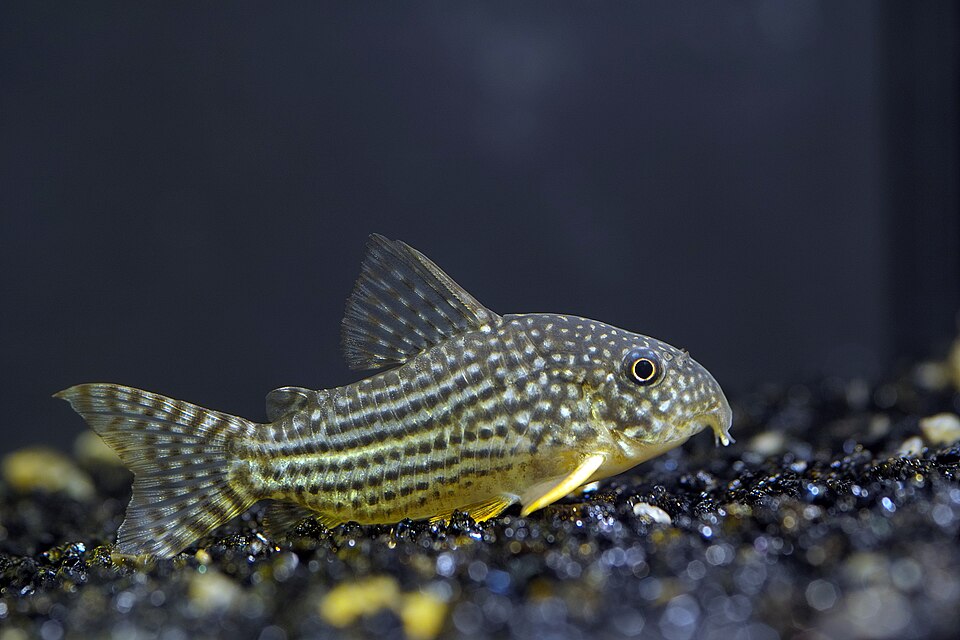
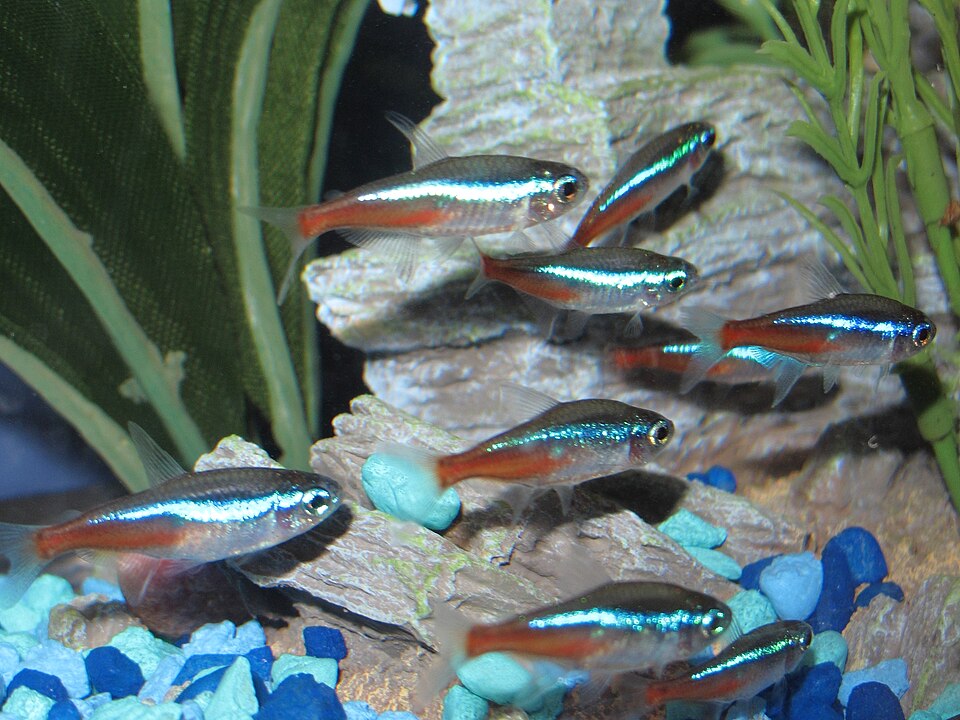
- Shoaling fish: Zebra danios, tetras, rainbowfish, rasboras and many catfish are shoaling fish; according to the RSPCA, they should be kept in groups of six or more, or they can become stressed.
- Aggressive species: Some tropical fish fight with their own kind (male bettas, for example) or with other species. If you're thinking about a betta: betta fish care.
- Goldfish: Fast single-tailed varieties and slow twin-tailed varieties shouldn't be kept together; the slow ones don't get their share of the food. More detail: why can't a goldfish live in a bowl?
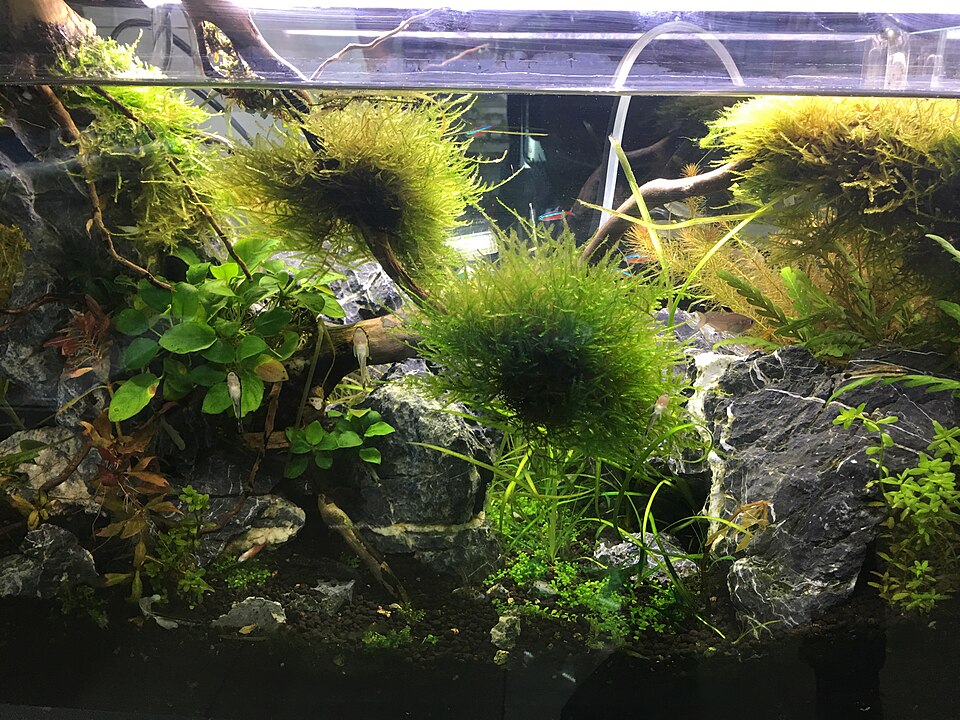
- Different layers: To make good use of the space, the RSPCA recommends choosing species that like to live at different depths of the tank.
- Do your research: According to the RSPCA, you should research each species' natural habitat, preferred water hardness, special needs and compatibility with other fish in advance.
A quarantine tank
According to the University of Florida's (UF/IFAS) publication on responsible fishkeeping, all new animals and plants should be quarantined before they go into an established aquarium, to prevent the spread of disease. Singapore's AVS also recommends quarantining new fish first so diseases aren't passed on to the fish already in the tank. Quarantine means keeping the new fish apart from the main tank for a while, so you can watch it separately from your existing fish. According to UF/IFAS, good water quality, cleanliness and proper feeding are also basic ways to prevent disease.
Our sources don't give details on how long quarantine should last or how it should be set up. Ask a vet or an experienced fishkeeper about this for your fish's species. If a fish in quarantine or in the main tank looks sick, don't pick a medication on your own. According to OATA, if you're worried about your fish's health, test the water first, then go to a vet who treats fish.
The journey home
The RSPCA's tips for transport:
- Room for air in the bag: The bag should hold more air than water; ideally two-thirds air and one-third water. The bag shouldn't be crowded.
- In cold weather: To guard against a sudden drop in temperature, you can ask the seller to wrap the bag in paper.
- The shortest route: Go home by the quickest way. OATA also says fish shouldn't stay in the bag for long.
Acclimatizing with the bag
- Turn off the lights. According to the RSPCA and OATA, the aquarium lights should be off while you're acclimatizing fish to the tank.
- Take the bag out carefully. According to OATA, shield the bag from bright light as you take it out of its outer packaging.
- Float the bag. Float the sealed bag on the surface of the aquarium water. According to the RSPCA, waiting about half an hour lets the water in the bag come up to the tank's temperature; OATA says at least 10 minutes.
- Mix in a little at a time. OATA recommends adding small amounts of tank water to the bag over up to 20 minutes while it floats; some sensitive species need longer.
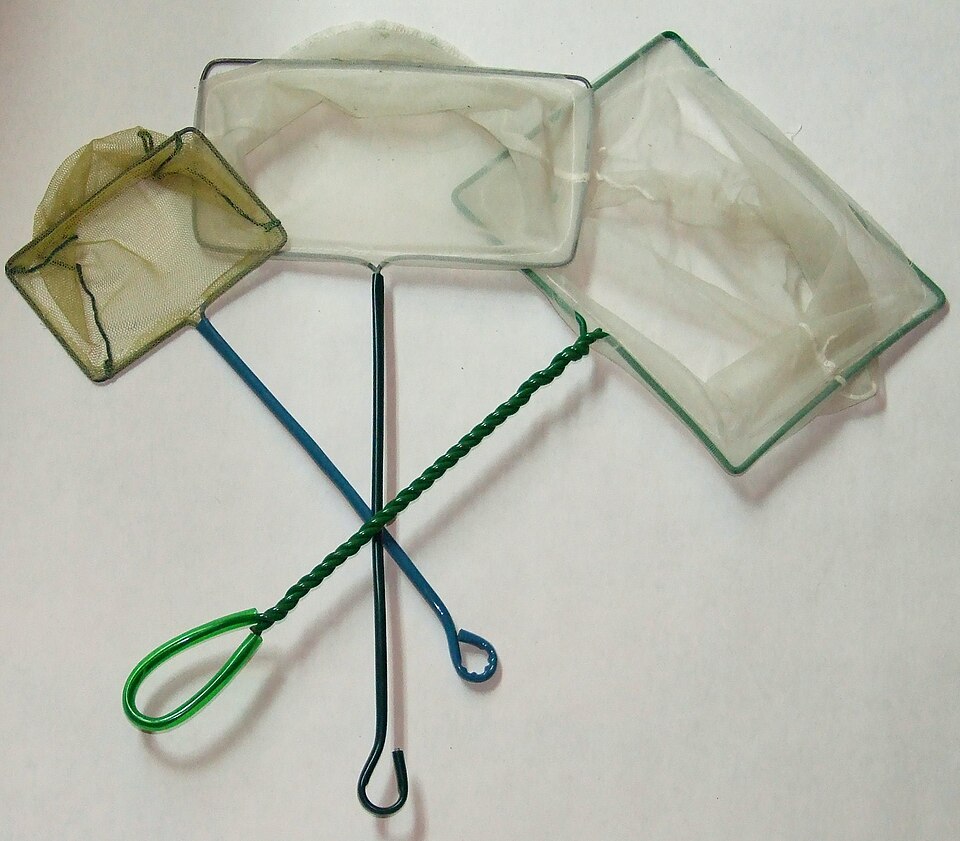
- Move the fish with a net. According to the RSPCA, catch the fish with a net, put it into the tank and throw away the water in the bag; don't pour the bag water into the tank. OATA also asks you to dispose of the bag and the leftover water properly once you're done.
- Keep the lights off. According to the RSPCA, leave the lights off for the rest of the day so the fish can rest and explore their surroundings at their own pace. The next morning, turn the lights on and check on your fish.
- Watch closely for the first week. According to OATA, keep a careful eye on the new fish and the water quality during the first week.
OATA also mentions drip acclimatization: using special kits, tank water is dripped little by little into the container holding the new fish, and you wait until the water conditions even out. According to OATA, this method is especially suitable for sensitive species, or when the tank water is very different from the water the fish came from; depending on the species, it can take from one to several hours.
A few at a time, slowly
The beneficial bacteria in the tank have multiplied to match the waste of the fish already living there. According to OATA, every new fish and every increase in food starts another small cycling process in the filter; it takes time for the bacteria to multiply enough to handle the new load. Adding too many fish, or adding them too quickly, can lead to "new tank syndrome": ammonia and nitrite rise to unhealthy levels, and fish can get sick or die. Singapore's AVS also recommends not adding too many fish at once.
One more warning from OATA: thanks to their experience and powerful filters, retailers can keep far more fish in their tanks than you can in a home aquarium, so don't try to stock your tank as heavily as theirs. When new fish arrive, don't overdo the food either: overfeeding fish.
If your tank is newly set up, wait for the filter to cycle first: setting up your first aquarium.
According to UF/IFAS, releasing aquarium fish into the wild or flushing them down the toilet harms both the environment and the animal. OATA also says aquarium animals and plants must never be released into the wild, and that used substrate, ornaments and excess water should be disposed of in a way that keeps non-native organisms out of natural waters.
Frequently asked questions
Can I put my new fish in the tank the same day I buy it?
If your tank is cycled and tests show zero ammonia and nitrite, the new fish can go into the tank after being acclimatized to the temperature in its bag. However, UF/IFAS and Singapore's AVS recommend quarantining new fish first. Ask a vet or an experienced fishkeeper how long quarantine should last and how to set it up.
How many neon tetras should I get?
Tetras are shoaling fish. According to the RSPCA, shoaling fish should be kept in groups of six or more; they're more relaxed in a group and come out of hiding more easily. Make sure your tank is big enough to hold that group.
My new fish is hiding and not eating. Is that normal?
According to the RSPCA, newly arrived fish want to rest and get to know their surroundings on the first day, which is why keeping the lights off that day is recommended. OATA recommends watching new fish and the water quality closely during the first week. If the hiding and loss of appetite continue, or you see other signs, test the water and talk to a vet who treats fish.

Keep track of your pet's care in TüylümLog vet visits, vaccine and medication dates, and we'll remind you when it's time. Share it all with your family in Home.
Sources
- OATA · How to set up and look after a freshwater tank / aquarium
- RSPCA · Choosing an aquarium for pet fish
- RSPCA · Keeping fish together
- RSPCA · Keeping freshwater fish as pets
- UF/IFAS Extension · The Ornamental Fish Trade (FA124)
- Animal & Veterinary Service (Singapore) · Caring for a fish
By Tüylüm · Published and last checked: October 24, 2026. Spotted a mistake? Write to [email protected] and we'll fix it right away. Photos are from Wikimedia Commons, used under the license shown below each photo.