Overfeeding fish: how a loving pinch of food spoils the water
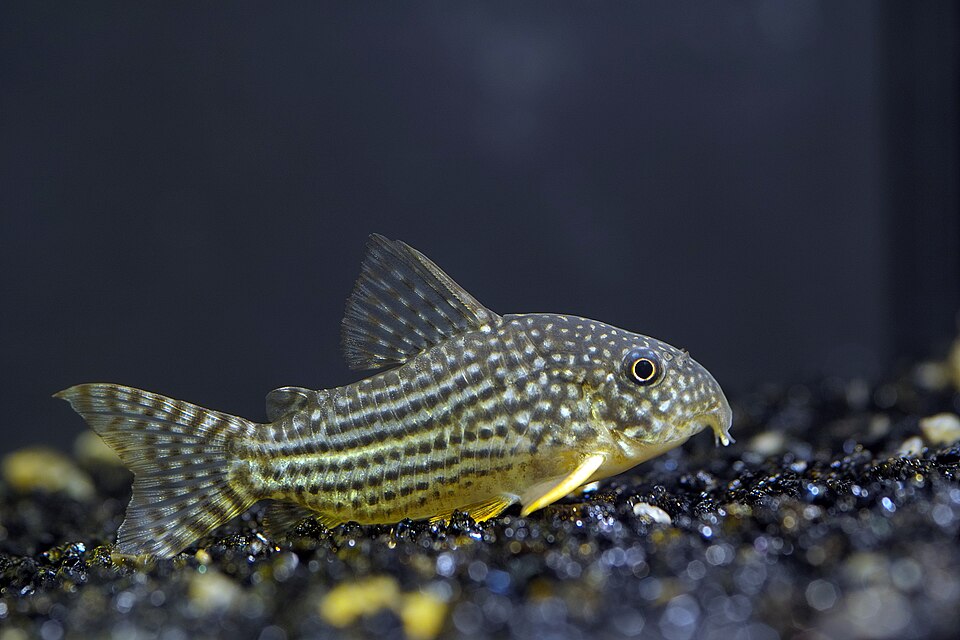
The moment you walk up to the tank, the fish gather at the front of the glass and watch you, opening and closing their mouths. It's hard to resist, so you drop in one more pinch of food. According to the RSPCA, fish learn their feeding times; if you feed them at the same times every day, you'll see them waiting for you at those times. According to OATA, some fish, such as goldfish, never seem to feel full and are always looking for food. But all this attention doesn't mean they're hungry. As the RSPCA points out, fish are more sensitive to poor water quality than to a lack of food, so feeding too little is better than feeding too much.
- A few minutes' worth of food: According to the RSPCA, give your fish as much food as they can eat in 2–5 minutes.
- Leftover food turns toxic: According to OATA, uneaten food builds up, rots and releases toxic waste into the water.
- More food, more ammonia: According to UF/IFAS, overfeeding is one of the main causes of high ammonia.
- Obesity: According to RSPCA Australia, the most common problem in fish is overfeeding and the obesity that comes with it.
- No food blocks on vacation: The RSPCA doesn't recommend the food blocks sold for vacations.
What does too much food do to the water?
According to a University of Florida (UF/IFAS) publication, the main source of ammonia in aquariums is the digestion of the food fish eat: the more a fish eats, the more ammonia it produces. Uneaten food also adds to the ammonia as it rots. According to UF/IFAS, even low levels of ammonia stress fish and damage their gills, and higher levels kill them.
Here's what happens, in order:
| What's happening? | The result |
|---|---|
| The fish can't finish all the food | Leftover food sinks to the bottom and gets into the gravel |
| The leftover food rots | According to OATA, it releases toxic waste into the water |
| There's more waste than the filter can handle | Ammonia and nitrite rise; water quality gets worse |
| The fish eat more than they need | According to RSPCA Australia, obesity and other health problems |
The University of Illinois College of Veterinary Medicine gives the same warning for bettas: uneaten food sinks to the bottom of the tank and spoils the water quality. We explained why water quality matters so much in an earlier article: setting up your first aquarium.
How much, and how often?
On the amount, the sources agree: as much as the fish can eat in a few minutes, with nothing left over. On frequency, the recommendations differ.
| Source | How much? | How often? |
|---|---|---|
| RSPCA (UK) | As much as they can eat in 2–5 minutes | Two or three small meals a day instead of one |
| OATA (goldfish) | As much as they can eat in a few minutes | Once a day |
| RSPCA Australia | As much as they can eat in less than 2 minutes | Once a day |
Whichever routine you choose, keep the total amount small. The RSPCA's recommendations:
- Set a routine: Feed your fish at the same times every day.
- Adjust the amount: Base the amount of food on the size and number of fish in the tank.
- Don't overfeed: If you're unsure, go with less; according to the RSPCA, fish are affected more by poor water than by too little food.
RSPCA Australia has a practical tip too: if there's more than one fish in the tank, put the food in two or more different spots so all the fish get their share and the fastest one doesn't grab everything.
The right food, in the right place
The wrong food is as much of a problem as too much food. According to the RSPCA, you should buy food that suits your fish's species: don't give goldfish tropical fish food, for example, because its nutritional content is different.
- Variety: According to the RSPCA, supplementing flake food with other foods gives a balanced diet and enrichment. Goldfish love chopped vegetables such as peas and spinach.
- Protein balance: According to the RSPCA, water fleas (daphnia) and brine shrimp are a good supplement for tropical fish, but because they're high in protein, goldfish should get only a little.
- Bottom and midwater fish: According to the RSPCA, species that live in the middle of the water column and on the bottom need fast-sinking foods or compressed food tablets.
- Nocturnal fish: According to the RSPCA, species that become active at night, such as some catfish, should be fed last thing in the evening.
- Fancy goldfish: According to RSPCA Australia, short-bodied fancy goldfish should be given sinking pellets rather than floating flakes or pellets; swallowing air while feeding at the surface can upset their buoyancy.
- No meat: According to RSPCA Australia, mammal fats (such as beef heart, meat and offal) aren't digested well by fish and shouldn't be fed.
- Treats in moderation: According to the University of Illinois, protein-rich treats for bettas, such as bloodworms, should also be given in moderation.
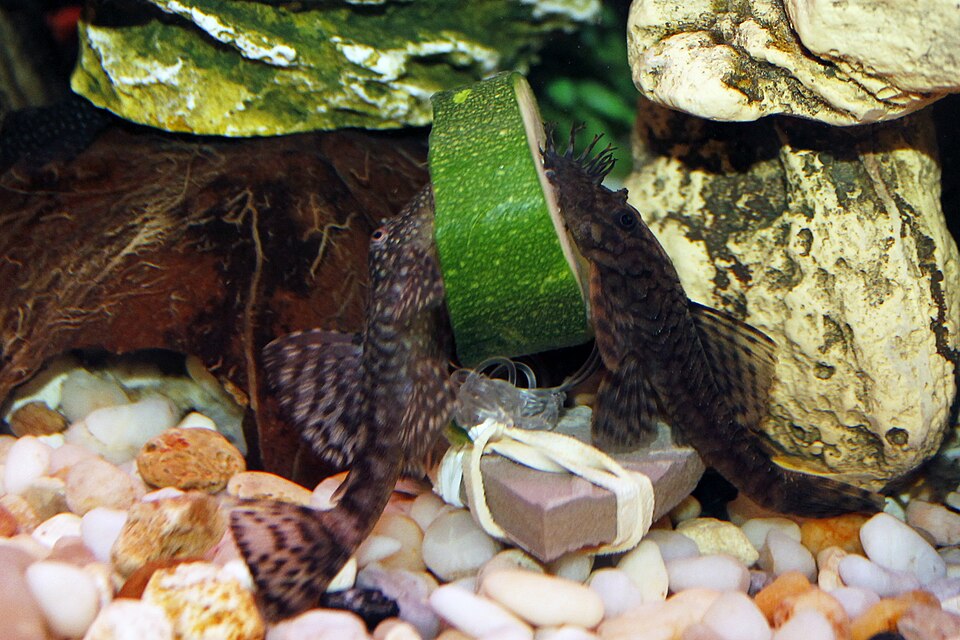
Removing uneaten food
If there's still food on the surface or the bottom after a few minutes, do two things: take that food out of the tank, and feed less next time.
- Siphon: According to RSPCA Australia, during the weekly partial water change, a gravel siphon pulls out uneaten food along with the droppings on the bottom. How to do it: aquarium water changes.
- Leave nothing behind: For bettas, the University of Illinois recommends feeding every day as much as they can eat in 3–5 minutes without leaving anything behind.
- Storing food: According to RSPCA Australia, food should be stored in a cool place, and any food not used up within a year of opening should be thrown away.
- In cold water: According to RSPCA Australia, goldfish should be fed less when the water temperature drops below 8 °C (46 °F); their metabolism slows down and they digest food with more difficulty.
According to UF/IFAS, when there's ammonia in the water, the first thing to do is cut back on food or stop feeding for a short time. Fish under ammonia stress may not eat anyway, and uneaten food makes things even worse. According to UF/IFAS, cutting back or stopping feeding for a short time (around 1–3 days) generally has no negative effect on fish, except for fry. If you see signs of illness in your fish, talk to a vet who treats fish.
Before you go on vacation
Vacations are one of the times overfeeding happens most often. According to the RSPCA, before you go away you should find a responsible person who will check on the fish and the equipment every day:
- Tropical fish need to be fed every day.
- Leave instructions: Write down how to feed them and how to avoid overfeeding.
- Prepare the meals in advance: That way your sitter gives only the amount you've prepared each day.
- Automatic feeder: It releases a measured amount of food every day, but according to the RSPCA it should still be checked daily to make sure it's working properly.
- Vacation food blocks: The RSPCA doesn't recommend them; they release too much food into the water in a short time, and much of it can rot.
Detailed vacation prep: your aquarium while you're on vacation.
In Tüylüm's Today tab there's a ready-made Food task for fish. Everyone in your Home sees the same list; if you check it off when you feed, the others in your household see it too, so the same fish don't get fed twice. The Food & litter supplies section also calculates when your food container will run out and reminds you before it does.
Frequently asked questions
My fish are always begging for food. Are they hungry?
Not always. According to the RSPCA, fish learn their feeding times and wait for you at those times; according to OATA, some species, such as goldfish, never seem to feel full and are always looking for food. Give them as much as they can finish in a few minutes; the fact that they keep asking doesn't mean you need to give more.
I forgot to feed my fish for a day. Will they be harmed?
According to the RSPCA, feeding too little is better than feeding too much, because fish are more sensitive to poor water quality than to a lack of food. UF/IFAS also writes that, when there are water quality problems, stopping feeding for 1–3 days generally does no harm except to fry. Still, according to the RSPCA, tropical fish should be fed every day; go back to your routine, and don't give extra food to make up for the missed meal.
Can I give my goldfish bread or human food?
According to the RSPCA, you should use food that suits your fish's species; goldfish love chopped vegetables such as peas and spinach. According to RSPCA Australia, mammal fats such as meat and offal aren't digested well by fish and shouldn't be fed. If you're unsure about any other food, ask an experienced fishkeeper or a vet before giving it.

Keep track of your pet's care in TüylümLog vet visits, vaccine and medication dates, and we'll remind you when it's time. Share it all with your family in Home.
Sources
- RSPCA · What to feed your pet fish
- UF/IFAS Extension · Ammonia in Aquatic Systems (FA16)
- OATA · How to look after goldfish in an aquarium / fish tank
- RSPCA Australia · How should I care for my tropical fish?
- RSPCA Australia · How should I care for my goldfish?
- University of Illinois College of Veterinary Medicine · Your betta needs more than a bowl
By Tüylüm · Published and last checked: October 24, 2026. Spotted a mistake? Write to [email protected] and we'll fix it right away. Photos are from Wikimedia Commons, used under the license shown below each photo.