Setting up your first aquarium: get the water ready before the fish arrive
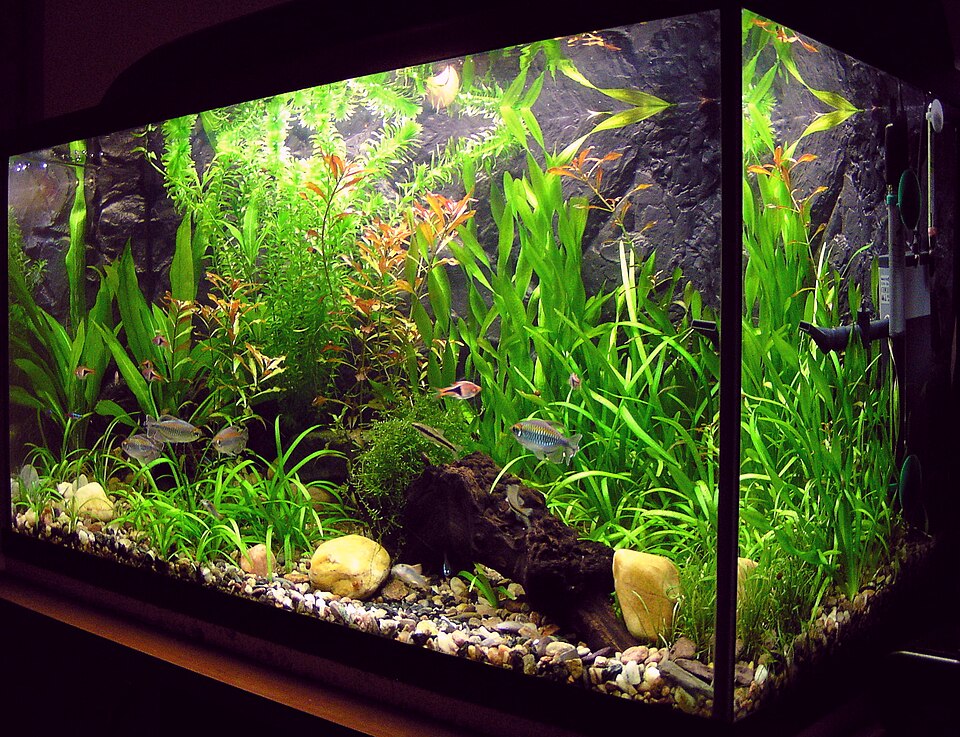
You've brought the aquarium home, spread the gravel, filled it with water and put the plants in place. The water sparkles; it looks like the only thing missing is the fish. But the most important residents haven't actually arrived yet: the beneficial bacteria you can't see. According to RSPCA Australia, the number one cause of fish deaths in aquariums, especially newly set up ones, is the lack of a well-functioning biological filter, and the buildup of toxic waste, especially ammonia, that results. In this article we've gathered the steps for turning your first aquarium into a safe home for fish.
- A big tank is easier: According to the RSPCA, temperature and water quality stay more stable in a large volume of water; the RSPCA doesn't recommend a tank smaller than 45 x 30 x 30 cm (about 40 liters).
- Cycle it first: The RSPCA recommends fishless cycling; add fish no earlier than two weeks later, and only after tests show ammonia and nitrite have risen and dropped back to zero.
- A filter is a must: According to the RSPCA, no fish should be kept without a well-established, well-maintained filter.
- Water conditioner: The chlorine in tap water is harmful both to fish and to the beneficial bacteria in the filter.
- Slowly: According to OATA, adding fish all at once can lead to "new tank syndrome".
The nitrogen cycle: the aquarium's invisible cleaners
Fish go to the toilet in the water too. According to a University of Florida (UF/IFAS) publication, the main waste product of fish is ammonia, and most of it passes into the water through the gills. According to RSPCA Australia, droppings, uneaten food and decaying plants also eventually turn into ammonia. UF/IFAS gives an important warning: ammonia is colorless and odorless, even at levels that harm fish; the only way to know it's there is to test the water.
The good news is that two groups of bacteria living in the water and the filter make this waste harmless step by step. This is called the nitrogen cycle.
| Substance | Where does it come from? | How harmful is it? |
|---|---|---|
| Ammonia | Fish gills, droppings, leftover food | Very toxic |
| Nitrite | The first group of bacteria converting ammonia | Also toxic |
| Nitrate | The second group of bacteria converting nitrite | Far less toxic; still a problem if it builds up |
According to the RSPCA, nitrate can still cause problems for fish when it reaches high levels, which is why regular partial water changes are needed. According to OATA, live plants also take some of the nitrate out of the water. We explained how to do a water change in a separate article: aquarium water changes.
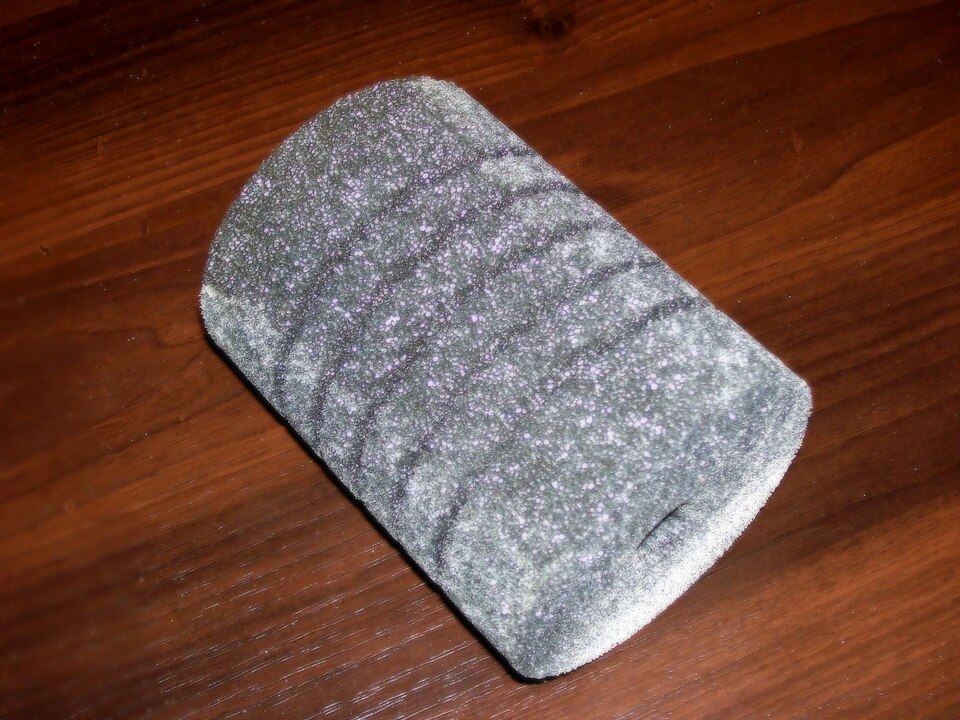
These bacteria need oxygen. According to RSPCA Australia, they live on every surface in the tank, but they gather mostly in the filter sponge and filter media, which have a large surface area. In a new filter, though, they aren't there yet.
Fishless cycling: get the tank ready before the fish
It takes time for the bacteria in a new tank to multiply. The RSPCA strongly recommends fishless cycling for beginners: the filter is run for a while before the fish arrive. At the start, the tank is "seeded" with a product that speeds up bacterial growth; according to the RSPCA, another way is to add filter media taken from a mature, disease-free aquarium to your own filter. According to OATA, in the fishless method a measured source of ammonia is added over several weeks, following the product's instructions.
OATA also mentions fish-in cycling: a small number of hardy fish are put in the tank. But OATA says this method should only be used very carefully and with expert guidance. According to the RSPCA, the biggest advantage of the fishless method is that the ammonia and nitrite peak doesn't harm any fish; on top of that, this period is a good chance to practice aquarium maintenance without disturbing any fish.
- Position the tank and fill it. According to the RSPCA, wash the substrate (sand or gravel) thoroughly before using it.
- Dechlorinate the water. According to OATA, you can either let the water stand for 24 hours or use a water conditioner (dechlorinator) sold for aquariums.
- Run the equipment and wait. OATA recommends letting the tank "settle" for 24 to 48 hours; this lets a tropical tank reach the right temperature and shows you that the equipment is working properly.
- Start the bacteria. Use the bacteria starter or ammonia source product according to the instructions on the package.
- Test often. The RSPCA recommends testing the water every other day during cycling.
- Wait for zero. Ammonia and nitrite first rise, then fall. According to OATA, once both have dropped to zero and stay at zero, the filter is cycled.
- Add fish a few at a time. Keep testing once the first fish arrive, too.
So how long does it take? There's no fixed rule. The RSPCA says at least two weeks; according to RSPCA Australia, the process usually takes 4–6 weeks, and according to UF/IFAS, it can take 6–8 weeks for a new biological filter to build up enough bacteria. Go by your test results, not the calendar. The RSPCA also points out that reputable sellers may ask you for a water sample to check whether your tank is ready.
The equipment you need
- A tank and a sturdy stand: OATA wants a level surface that can permanently bear the weight of the full tank. According to the RSPCA, a tank of the size needed is surprisingly heavy once filled.
- Filter: According to the RSPCA, a filter both traps particles floating in the water (mechanical filtration) and provides a home for beneficial bacteria (biological filtration).
- Air stone: According to the RSPCA, oxygen enters the water at the surface; an air stone that moves the surface increases the oxygen in the water. For the same reason, a wide tank is better than a tall, narrow one.
- Heater (for tropical fish): According to the RSPCA, a heater is a must in a tropical tank and should be set to the right temperature for the species. All heaters should be controlled by a thermostat.
- Thermometer: According to the RSPCA, heaters and thermostats can fail too; check the temperature every day with a digital thermometer.
- Water conditioner (dechlorinator): According to the RSPCA, the chlorine in tap water is harmful to fish and bacteria.
- Test kits: According to the RSPCA, ammonia and nitrite kits aren't an optional extra but a must. OATA adds nitrate and pH tests to the list.
- A siphon and a bucket used only for the aquarium: For water changes.
- Lid: According to the RSPCA, a tank with a lid keeps some airborne pollutants from getting into the water.
- Lighting: According to the RSPCA, 8–10 hours of light a day is enough for most species; the light should be off at night.
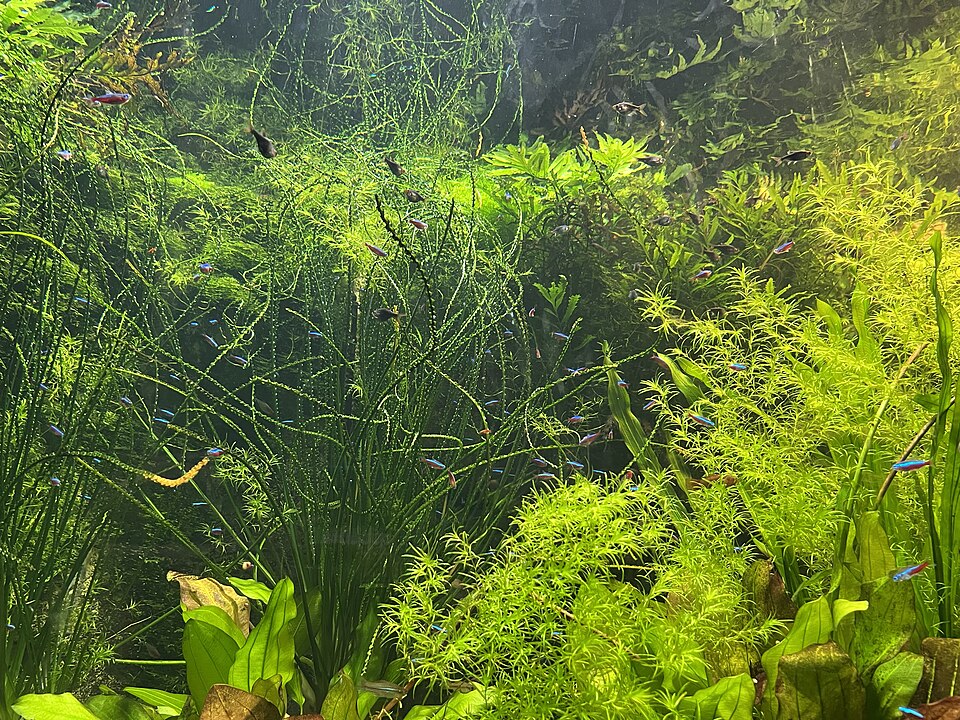
- Plants and hiding places: According to the RSPCA, plants, branches and stable rocks give fish shade and shelter; this is important for fish to feel safe.
Where should you put the tank?
Where the tank sits also decides how stable the water inside it stays. The RSPCA's and OATA's recommendations:
- No direct sunlight or heat sources: Not next to a radiator and not in a sunny spot. According to the RSPCA, a spot in front of a window can heat the water to dangerous levels.
- No drafts: OATA wants the tank kept away from drafts.
- A quiet corner: According to OATA, loud noise, vibration and sudden movements bother fish.
- Clean air: According to the RSPCA, cigarette smoke and spray products can be toxic to fish.
- A sturdy, level surface: A full tank is very heavy, and moving it later is difficult.
How many fish, and which ones?
According to the RSPCA, when choosing a tank you should think about the fish's adult size; some species grow too big for a home aquarium. Too many fish pollute the water, and there isn't enough oxygen left for everyone.
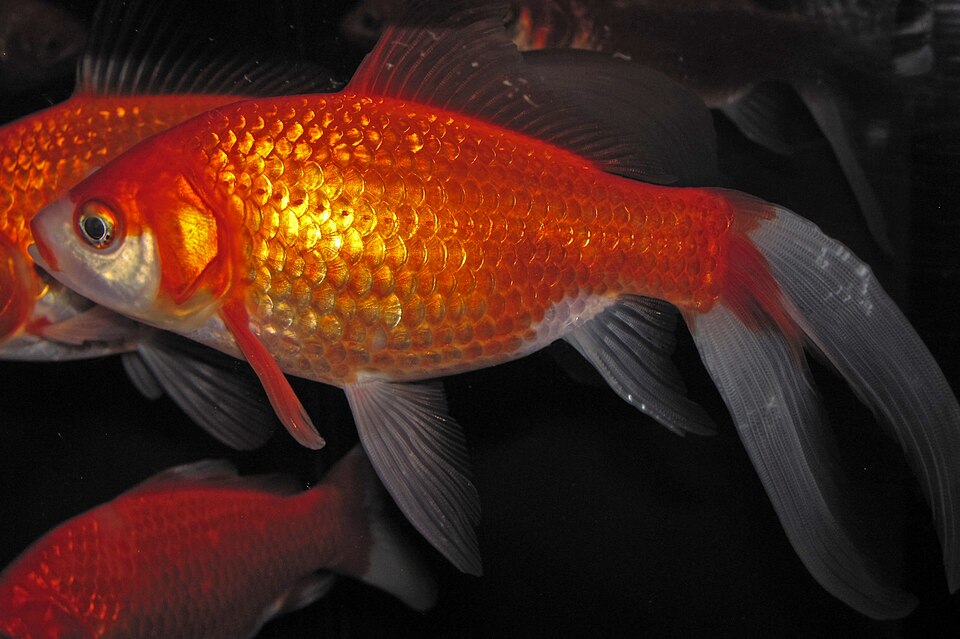
The RSPCA has a rough guide: for tropical fish, 1.5–2 liters of water for every 1 cm of fish length, not counting the tail. Goldfish need much more space. The RSPCA also stresses that these numbers are only a guide, and that water quality depends on many things, such as temperature, filter capacity and maintenance. To work out your tank's volume: length (cm) x depth (cm) x height (cm) / 1000. For example, a 60 x 30 x 30 cm tank comes to 54 liters.
According to OATA, the best choice for beginners is hardy species that can live together. The examples OATA lists: tetras, guppies, mollies, platies, swordtails, corydoras and gouramis. Some species want to live in a shoal, while others guard their own territory and don't live peacefully with other fish. So research each species separately before you buy; if you're thinking about goldfish, read this first: why can't a goldfish live in a bowl?
According to OATA, thanks to their experience and powerful filtration systems, retailers can keep far more fish in their tanks than you can in a home aquarium. Don't try to stock your home tank as heavily as a shop tank.
Add fish slowly
The filter is cycled and the tests show zero. Now it may be tempting to buy all the fish at once. According to OATA, this can lead to what's called "new tank syndrome": there aren't enough bacteria for the extra waste, ammonia and nitrite rise, and fish can get sick or die. Every new fish and every increase in food starts another small cycling process in the filter; the bacteria need time to multiply too. RSPCA Australia also recommends adding fish slowly rather than many at once.
We explained step by step how to acclimatize new fish to the tank: adding new fish to your aquarium.
According to the RSPCA, you can't tell water quality by looking; clear water isn't always healthy water. The safe level for ammonia and nitrite is zero. Keep testing regularly after setup, too, and don't overdo the food: overfeeding fish.
In Tüylüm's Today tab there are ready-made tasks for fish: Food, Water change (weekly), Water test (weekly) and Filter cleaning (monthly). Everyone in your Home sees the same list, so there's no confusion about who did what.
Frequently asked questions
Can I put fish in the tank the day I set it up?
No. According to the RSPCA, you should add fish no earlier than two weeks after the tank has been running, and only when tests show ammonia and nitrite have risen and dropped back to zero. It often takes longer than that; go by your test results, not the calendar.
Is it enough to let tap water stand for a day?
The RSPCA and OATA list letting the water stand for 24 hours or using a water conditioner as options. RSPCA Australia, however, recommends adding water conditioner before you put the water in, even if you filled it a day in advance, because tap water can contain chloramine as well as chlorine. The safest way is to use a water conditioner at the dose on the package.
Which fish are suitable for a first aquarium?
OATA recommends starting with hardy species that get along with each other; as examples it lists tetras, guppies, mollies, platies, swordtails, corydoras and gouramis. Before choosing, research each species' adult size, whether it lives in a shoal and what temperature it needs; if you're not sure, ask an experienced fishkeeper.

Keep track of your pet's care in TüylümLog vet visits, vaccine and medication dates, and we'll remind you when it's time. Share it all with your family in Home.
Sources
- RSPCA · Choosing an aquarium for pet fish
- RSPCA · Keeping freshwater fish as pets
- OATA · How to set up and look after a freshwater tank / aquarium
- RSPCA Australia · Why is water quality important when setting up a fish aquarium?
- UF/IFAS Extension · Ammonia in Aquatic Systems (FA16)
- RSPCA · Understanding pet fish behaviour
By Tüylüm · Published and last checked: October 24, 2026. Spotted a mistake? Write to [email protected] and we'll fix it right away. Photos are from Wikimedia Commons, used under the license shown below each photo.