Baby hedgehogs: breeding season, leaving the nest alone, and what to do about a hoglet that seems to be on its own
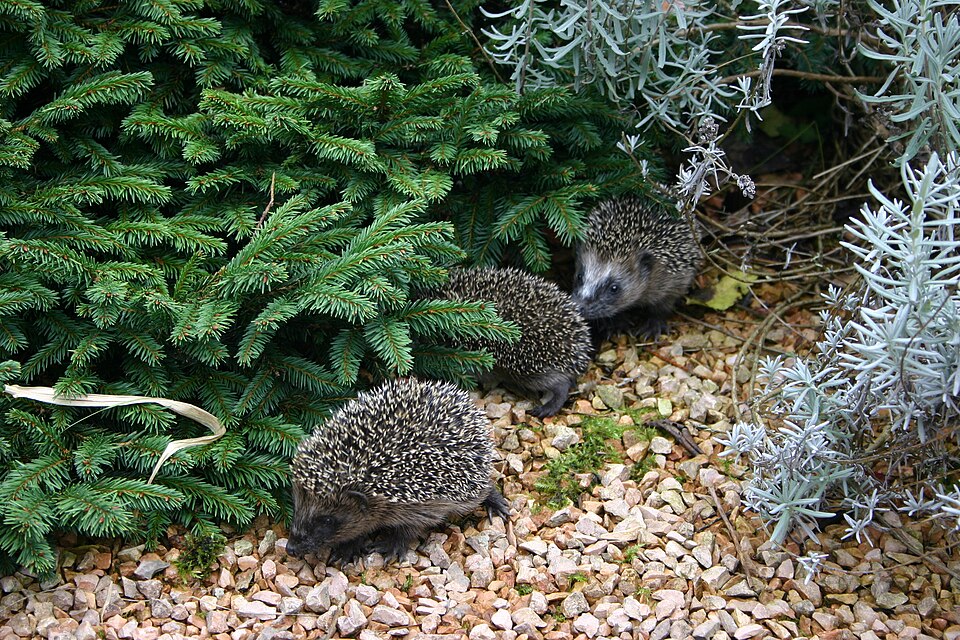
In summer there may be a hedgehog nest in your yard that you never notice. A female hedgehog raises her young in a hidden nest, often in a pile of leaves, logs or compost. Baby hedgehogs are called hoglets. In this article we put together what Hedgehog Street, the British Hedgehog Preservation Society (BHPS) and the RSPCA say about the breeding season, leaving nests undisturbed and what to do if you find a hoglet. The dates come from sources about the European hedgehog in Britain. We didn't find a source with a calendar for Türkiye, so don't treat the dates as exact.
- Season: According to Hedgehog Street, hedgehogs breed between April and September, and hoglets are usually born in June and July; after a mild winter the hoglet season can start in early spring and run into autumn.
- Leave the nest alone: A disturbed mother may desert the nest, or even harm her young. Don't open a nest to check on it.
- Nesting spots: Piles of logs, leaves or compost, and the space under sheds. Check before mowing, turning compost or dismantling a shed.
- If a hoglet seems alone: Often the mother is nearby. If it isn't in danger, squeaking or ill, watch from a distance for a few hours; if it is in danger, contact an expert.
- No feeding or warming it yourself: A hoglet's survival depends on expert care; don't try feeding or treating it.
When is the breeding season?
According to Hedgehog Street, hedgehogs become sexually mature in their second year and breed between April and September, with a peak in May and June in Britain. Hoglets are usually born in June and July. The charity says that after a mild winter the hoglet season can start in early spring and run until autumn. The BHPS says litters are generally born between May and September. Both point to the same general period.
How many hoglets are in a litter? According to Hedgehog Street, the average is four or five, up to seven, and usually only two or three are weaned successfully. According to the BHPS, a litter averages 2 to 6 young. There is a small difference between the sources; we name both charities.
Hedgehog Street says a second litter is possible in late September or October, but those young are less likely to survive winter.
When do the hoglets leave the nest?
The charities differ a little here:
| Charity | When do hoglets leave the nest? |
|---|---|
| Hedgehog Street (hoglets page) | At about 3-4 weeks; they forage with their mother and after roughly ten days wander off on their own |
| Hedgehog Street (sick or injured page) | They start leaving the nest with their mother at about 4 weeks |
| BHPS | They go off on their own at about 6-8 weeks, weighing about 250 g |
The sources don't explain the difference. Either way, hoglets that have left the nest spend some time moving around with their mother.
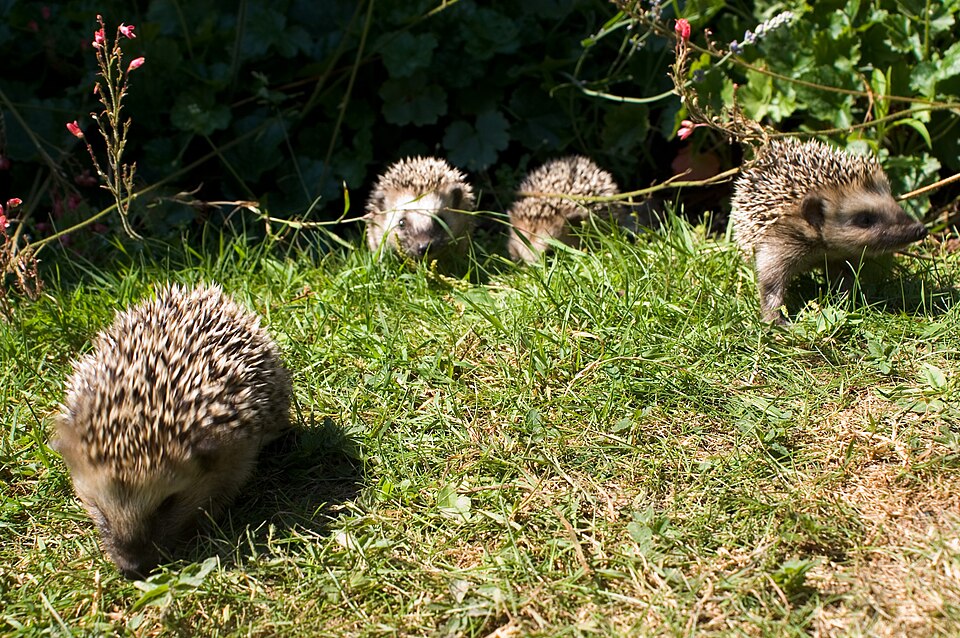
Leave the nest alone
According to Hedgehog Street, a mother hedgehog may desert her young, or even harm them, if she's disturbed; she may also carry them in her mouth to a new location. Its summer FAQ says if you accidentally disturb a nest, carefully cover it back over and watch from a safe distance to see if the mother returns. If hoglets emerge, or the mother was injured, the charity says to contact an expert urgently.
- Don't approach the nest: Don't open it to look, and don't let children or visitors peek.
- If you disturbed it by accident: Carefully cover it back over and watch from a distance (Hedgehog Street).
- If the mother doesn't return or the hoglets have come out: Contact an expert right away.
- Cleaning a hedgehog house: According to Hedgehog Street, if cleaning is needed, only do it in April or October; first lay a twig or flower across the entrance to see if anyone is inside. If it's in use, don't clean it.
Check before yard work
According to the RSPCA, hedgehogs may nest in piles of logs, leaves or compost, or in a purpose-built hedgehog house; undisturbed brambles and wild areas also help.
- Before mowing: According to the RSPCA, check the area before cutting and use strimmers and mowers as little as possible under hedges and in undergrowth where hedgehogs may rest during the day. The BHPS FAQ has the same warning for hoglets: the nest you strim could be a nursery nest.
- Before turning compost: The RSPCA asks you to check for nesting hedgehogs before forking or turning a heap.
- Sheds: According to the RSPCA, if you usually leave shed doors open, keep them that way, as hedgehogs may nest inside. Before dismantling a shed, check carefully underneath the floor.
- Bonfires: The RSPCA says to move the pile by hand right before lighting it, because hedgehogs may be hiding inside.
We covered more yard hazards in hidden hazards for hedgehogs in the garden.
A hoglet that seems to be on its own: what to do
According to the RSPCA, a litter usually has four or five hoglets; if you've seen one, others may be nearby and all may need help. The RSPCA's first step is observation: if a hoglet is alone during the day, especially in colder months, watch it from a distance for a couple of hours to see if its mother returns.
According to the RSPCA, step in and get expert help in these situations:
- It's squeaking with its eyes shut, or huddled in the open with no adult nearby.
- It's next to a dead adult.
- It's smaller than an apple (under 300 g) with no adult nearby.
- It's out in the day in very cold weather.
- It's sick, injured or covered in flies.
Hedgehog Street also writes that a hoglet out in the daytime, squeaking, or with flies around it needs to be rescued quickly, because maggots can develop. According to its summer FAQ, a mother with hoglets sometimes forages by day; if she looks well and walks with purpose, taking her into care could separate her from her young.
According to the RSPCA, the best option for a visibly sick or injured hoglet is a vet. We explained how to box a hedgehog in the hedgehog that needs help.
A hoglet is very fragile; decisions about feeding and warming belong to an expert. Contact your regional General Directorate of Nature Conservation and National Parks (DKMP) office, a wildlife rehabilitation center or a veterinarian. Don't catch a healthy hoglet and take it home.
Tüylüm is for pets at home; it doesn't keep records for wild hedgehogs. But if you have a young pet at home, the Memory book keeps its first months and Weight tracking keeps its growth in one place.
Frequently asked questions
What should I do if I find a hoglet nest?
Don't open the nest to look, and don't let children peek. According to Hedgehog Street, if you disturbed it by accident, carefully cover it back over and watch from a distance; a disturbed mother may desert it. If the hoglets have come out or the mother was injured, contact an expert.
Can I give a baby hedgehog milk?
No. Hedgehog Street, the RSPCA and the BHPS say hedgehogs can't digest lactose and that milk makes them ill. Don't try to feed a hoglet that looks orphaned yourself; ask an expert.
Could I be separating a hoglet from its mother?
It's possible. According to Hedgehog Street, a mother foraging by day may be away from her young; watch from a distance first. If the hoglet is squeaking, ill or in danger, contact an expert.

Keep track of your pet's care in TüylümLog vet visits, vaccine and medication dates, and we'll remind you when it's time. Share it all with your family in Home.
Sources
- Hedgehog Street (PTES and BHPS) · Breeding, babies, hoglets
- Hedgehog Street · Summer FAQ
- Hedgehog Street · Found a sick or injured hedgehog?
- RSPCA · Found a sick or injured hedgehog?
- RSPCA · Hedgehogs in the garden
- British Hedgehog Preservation Society · How well do you know your hedgehog?
- British Hedgehog Preservation Society · Hedgehog FAQ
This article is for general information only; it is not a diagnosis or treatment advice and does not replace a visit to a veterinarian. Talk to your vet about decisions on your pet's health. By Tüylüm · Published and last checked: November 9, 2026. Spotted a mistake? Write to [email protected] and we'll fix it right away. Photos are from Wikimedia Commons, used under the license shown below each photo.