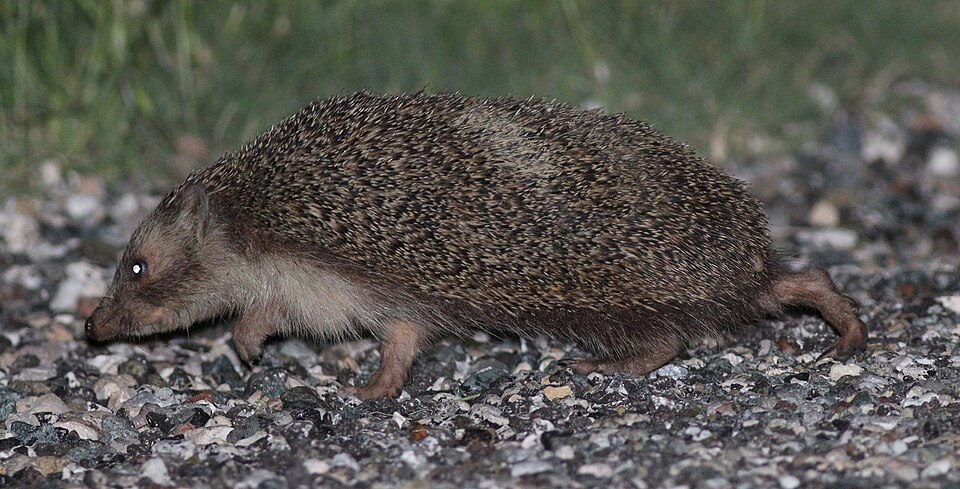
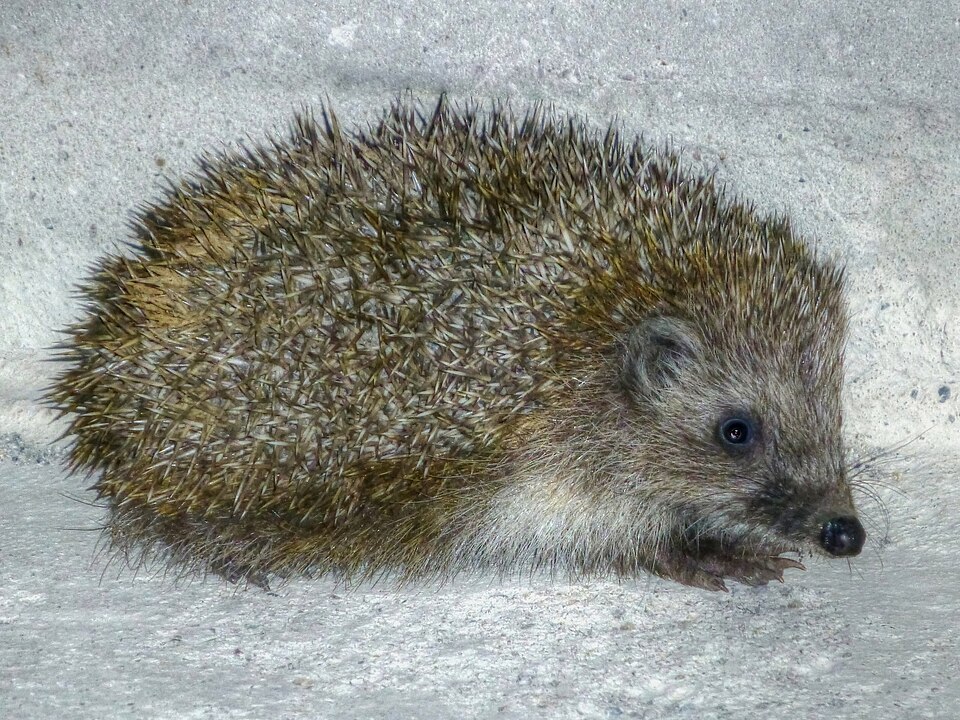
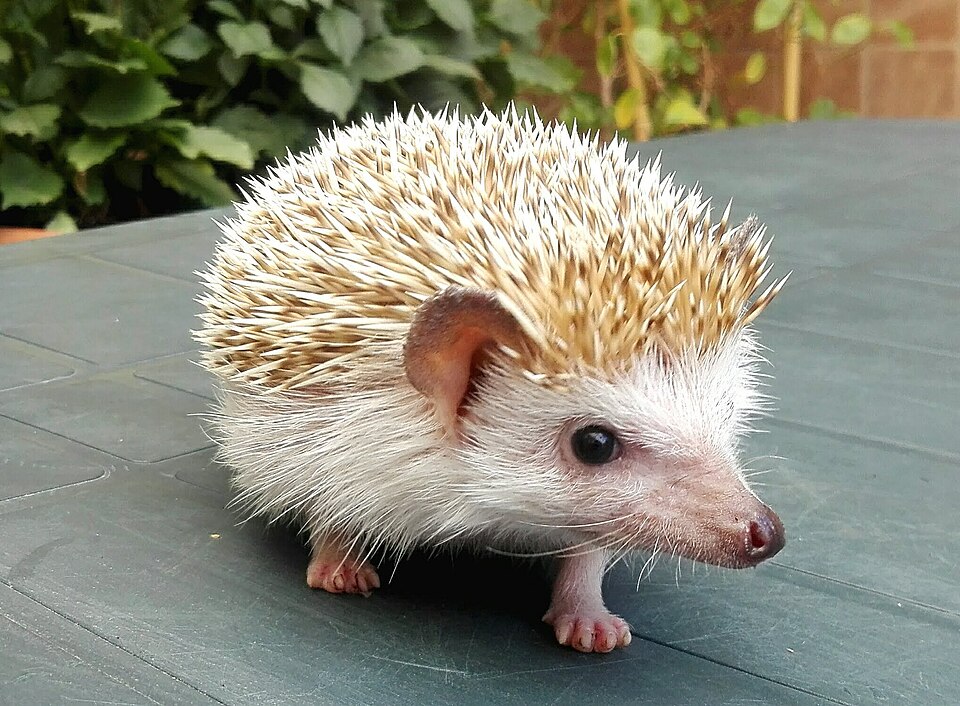
Hidden garden dangers for hedgehogs: compost heaps, sheds, holes, litter and dogs
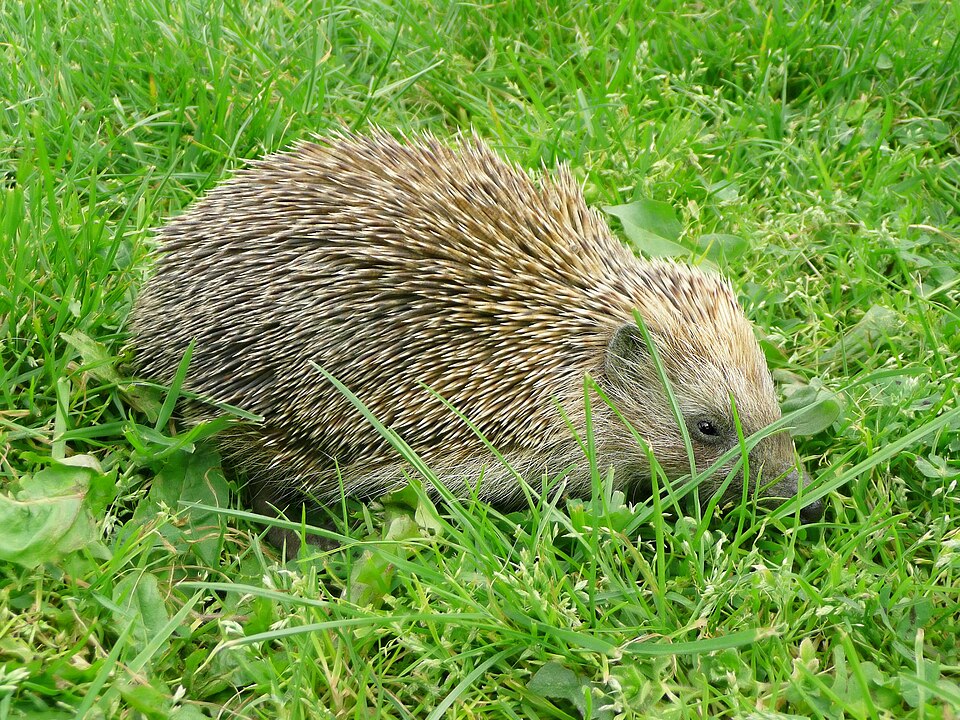
If hedgehogs visit your garden, you may already know how dangerous lawn mowers, bonfire piles, steep-sided ponds, netting and poisons can be for them. We covered those in our articles on the wild hedgehog in your garden and hibernation. But hedgehogs love hidden corners: the inside of a compost heap, the space under a shed, a trash bag left on the ground. On their night-time rounds, they can also fall into an open drain or get their head stuck in a yogurt cup. In this article, we've gathered advice from hedgehog charities in the UK on these lesser-known hazards. The European hedgehog that lives there belongs to the same genus (Erinaceus) as the southern white-breasted hedgehog and the northern white-breasted (Balkan) hedgehog found in Turkey.
- Compost: According to the BHPS, a single thrust of a garden fork can kill more than one baby hedgehog. Check gently before you turn the heap.
- Sheds and bags: Don't suddenly close a shed door that has been open for weeks; trash bags left on the ground look like a nest site to a hedgehog.
- Holes and water: Keep drain covers on; check open holes and swimming pools every day, and empty kiddie pools that fill up with rainwater.
- Litter and netting: Cut plastic loops, rinse containers, and store netting you aren't using at least 30 cm (1 ft) off the ground.
- Your dog: Turn on the outside light before letting your dog out in the evening, and do the last trip of the night on a leash or with you by its side.
The compost heap: check gently first
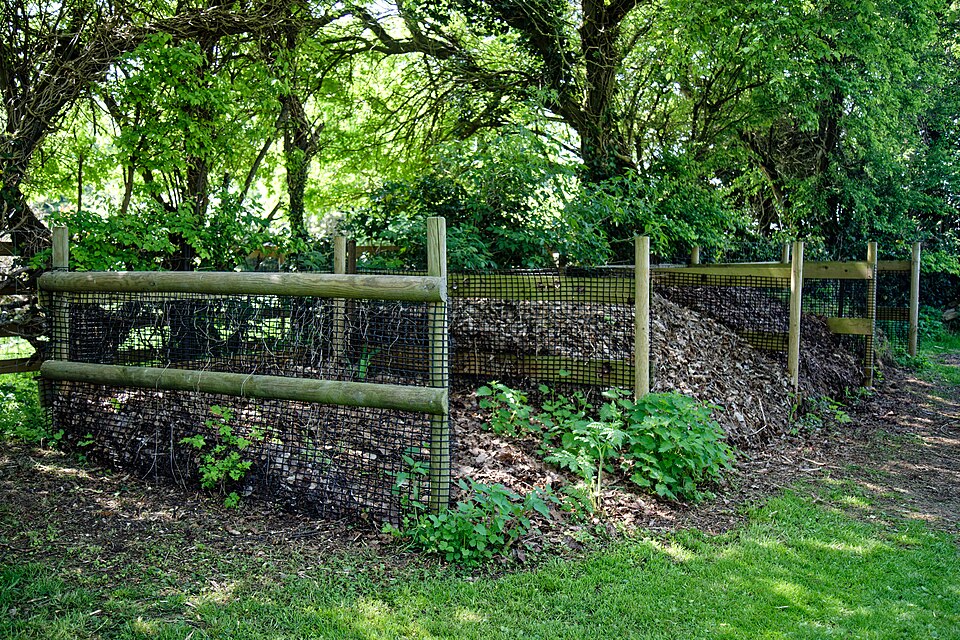
According to the BHPS (British Hedgehog Preservation Society), a compost heap is an ideal place for a hedgehog to build a nest and raise its young. That calls for care when you turn it: according to the BHPS, a single thrust of a fork can kill more than one baby hedgehog.
- Check first: The RSPCA asks you to check for hedgehogs or other animals before forking or turning over a compost heap.
- Pick your time: According to the BHPS, the safest time to spread the heap is probably October–November: most of the young have left their mother, and the adults haven't started hibernating yet.
- Check half-used bags too: According to the BHPS, partly used bags of compost that a hedgehog could get into may also have a nest inside.
Sheds, storage and trash bags
- Don't suddenly shut the door: According to the BHPS and the RSPCA, don't close a shed door you've been leaving open for weeks without first making sure no hedgehog has nested inside.
- Look underneath before you take it down: Every summer the BHPS gets many calls from people taking down sheds who find a mother hedgehog with babies underneath. The RSPCA asks you to check carefully under the floor. If possible, the BHPS suggests leaving the job until October, when the young have left the nest and hibernation is unlikely to have started.
- Keep chemicals up high: Keep chemicals, oil and tools in sheds and garages out of a hedgehog's reach (BHPS, RSPCA).
- Don't leave trash bags on the ground: According to the BHPS, trash bags left at ground level attract hedgehogs; a hedgehog that tries to nest in one can end up going out with the garbage.
Drains, holes and trenches
According to the RSPCA, drains and open holes frequently trap unwary hedgehogs, which can starve if they aren't rescued.
- Keep covers in good shape: Keep drain covers in good condition and cover any open holes (RSPCA). According to the BHPS, a covered drain stops leaves from blocking it and hedgehogs from falling in.
- Check every day: The BHPS asks you to check uncovered drains, trenches dug in vegetable beds, holes dug for building foundations and garage service pits every day.
- Add a way out: If you can't cover a hole, the BHPS suggests putting in a plank with small battens nailed across it as a ramp.
Water you might overlook: swimming pools, kiddie pools, flowerpots
We covered putting a ramp in steep-sided garden ponds in our article on the wild hedgehog in your garden. But there's other water in a garden:
- Swimming pools: According to the RSPCA, a pool should have shallow steps so a hedgehog that falls in can climb out easily, and a tight-fitting cover on it overnight. Check the pool every day (RSPCA, Hedgehog Street).
- Kiddie pools and sandboxes: According to the BHPS, children's paddling pools and sandboxes become dangerous for hedgehogs when they fill up with rainwater.
- Flowerpots and buckets: The BHPS suggests keeping pots that might fill with water upside down.
- Water level: According to the BHPS, keep garden ponds topped up, especially in hot weather, so hedgehogs are less likely to topple in while drinking.
Litter, netting and barbed wire
According to the RSPCA, hedgehogs often get their heads stuck in cans, plastic bags, the plastic rings from multipacks of drinks, yogurt cups and rubber bands.
- Throw away trash safely: Cut plastic loops, rinse out food containers, flatten cans, and make sure there's no litter in your garden (RSPCA).
- Put netting away: Roll up netting you aren't using and store it at least 30 cm (1 ft) off the ground. Keep fruit nets taut, or replace them with rigid wire mesh if you can (RSPCA).
- Barbed wire: Don't leave it trailing on the ground or carelessly thrown away (BHPS, RSPCA).
Wood preservatives, log-roll edging and long grass
- Fresh paint and preservatives: According to Hedgehog Street, hedgehogs will often lick freshly treated fences. Use a water-based, environmentally friendly product on sheds and fences.
- Log-roll edging: According to the BHPS, hedgehogs are very occasionally found with a leg trapped between the gaps in log rolls used to edge flower beds; check them regularly.
- Long grass and pampas grass: According to the BHPS, long, untidy patches are ideal places for a hedgehog's nest. Check before mowing long grass, cut it down to about 30 cm (1 ft) first, and check again before cutting any lower. Don't trim or burn pampas grass until you're sure no hedgehog is nesting in it.
Your dog and your cat
According to Hedgehog Street, dogs often detect hedgehogs by smell before we do, and some dogs can harm or even kill hedgehogs when their hunting instinct kicks in. According to the RSPCA, adult hedgehogs can often protect themselves with their spines, but sick or young hedgehogs are vulnerable. According to Hedgehog Street, an encounter like this can leave both animals hurt.
- Turn on the light first: Turn on an outside light a minute or so before letting your dog out, giving the hedgehog a chance to move off (BHPS, Hedgehog Street).
- Supervise the last trip: Put your dog on a leash or stay with it for the last garden trip of the evening (Hedgehog Street, RSPCA). The BHPS also mentions a muzzle as an option, and says these precautions are only needed at night.
- Learn the hedgehog's schedule: Hedgehogs often show up at the same time, from the same spot. Keep your dog inside at those times (BHPS, RSPCA).
Cats, on the other hand, aren't usually a threat to hedgehogs, according to the RSPCA and Hedgehog Street; most leave a hedgehog alone after investigating it. According to the RSPCA, the real problem is that they eat the meaty food you leave out for the hedgehog. The BHPS's solution is a simple feeding station: cut a 13 × 13 cm (5 × 5 in) hole in one short side of a plastic storage box, place the box over the food like a tunnel, and put a brick on top. A second brick about 13 cm in front of the entrance stops a cat from lying down and scooping the food out with its paw. According to the RSPCA, a station like this also keeps the food out of the rain. We covered what to put in it in our article on the wild hedgehog in your garden.
If a relative or a pet sitter sometimes looks after your dog, send them the rule "Turn on the outside light before letting the dog out in the evening, and do the last trip on a leash" in a single message with Tüylüm's Pet sitter note.
If you accidentally disturb a nest
According to Hedgehog Street, hedgehogs usually give birth in June and July; a mother that is disturbed may desert or even eat her young. The BHPS's advice:
- If there's a single adult inside: Put the nesting material back. The hedgehog will either repair its nest or build a new one somewhere else.
- If a hibernating hedgehog wakes up: Leave out a dish of food and some water every night until it goes back into hibernation.
- If there are babies: Put the nesting material back, handling it as little as possible so you don't leave your scent on it, and watch from a distance to see whether the mother comes back. Don't let anyone, not even children, uncover the nest "for a peek"; a mother who is disturbed again may abandon or harm her young.
If you see an injured hedgehog, or the mother doesn't come back, don't try to care for them yourself. Without delay, contact a vet or, if you live in Turkey, your province's office of the General Directorate of Nature Conservation and National Parks (DKMP); you'll find more details in our article on the wild hedgehog in your garden.
Time your garden chores around hedgehogs
| When | What to watch for | Source |
|---|---|---|
| June–July | Most babies are born. Check twice before touching nest sites such as compost, the space under sheds and long grass | Hedgehog Street |
| October | A good month to take down a shed | BHPS |
| October–November | The safest time to spread compost | BHPS |
These months are for the UK. The BHPS's reasoning is this: the young should have left the nest, and the adults shouldn't have started hibernating yet. Where you live, that window may fall in different months.
Frequently asked questions
My dog caught a hedgehog in the garden. What should I do?
Get your dog away right away, and don't try to treat the hedgehog yourself. If the hedgehog looks injured, contact a vet or, if you live in Turkey, your province's DKMP office. If you notice a wound in your dog's mouth, nose or eye, talk to your dog's vet without delay.
Will a hedgehog give my dog or cat fleas?
According to the RSPCA and Hedgehog Street, no. Hedgehog fleas (Archaeopsylla erinacei) are specific to hedgehogs; they can't survive for long on any other species, whether pets or people.
Can I bring a hedgehog from somewhere else and release it in my garden?
The BHPS is against this: the hedgehog you move may have dependent young in a nest, and babies left without their mother can die; the new place may not suit it either. Hedgehogs are also protected in Turkey (wild hedgehog in your garden). The best thing to do is make your garden safe and let nearby hedgehogs find their own way in: hedgehog highways.

Keep track of your pet's care in TüylümLog vet visits, vaccine and medication dates, and we'll remind you when it's time. Share it all with your family in Home.
Sources
- British Hedgehog Preservation Society · Gardening 'with' Hedgehogs (PDF)
- British Hedgehog Preservation Society · I would like a hedgehog for my garden (PDF)
- RSPCA · Hedgehogs in the garden
- Hedgehog Street (PTES and BHPS) · Garden hazards for hedgehogs
- Hedgehog Street · Pets and hedgehogs
- Hedgehog Street · Hedgehog breeding and babies
By Tüylüm · Published and last checked: October 28, 2026. Spotted a mistake? Write to [email protected] and we'll fix it right away. Photos are from Wikimedia Commons, used under the license shown below each photo.