Do African pygmy hedgehogs live alone? The risks of housing two together, and how to keep one company
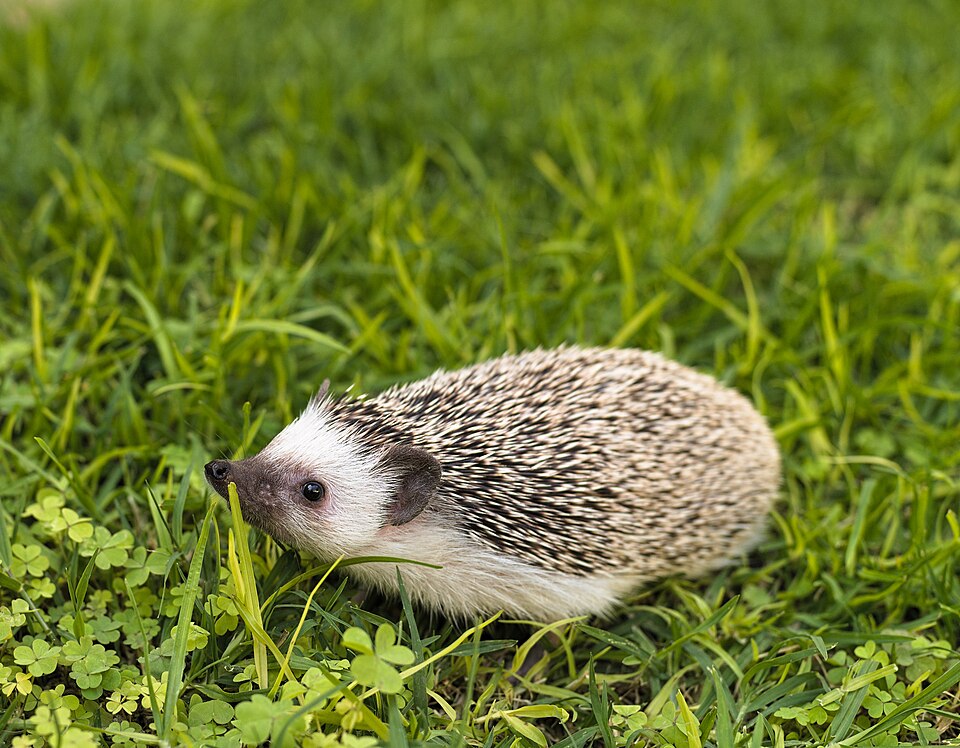
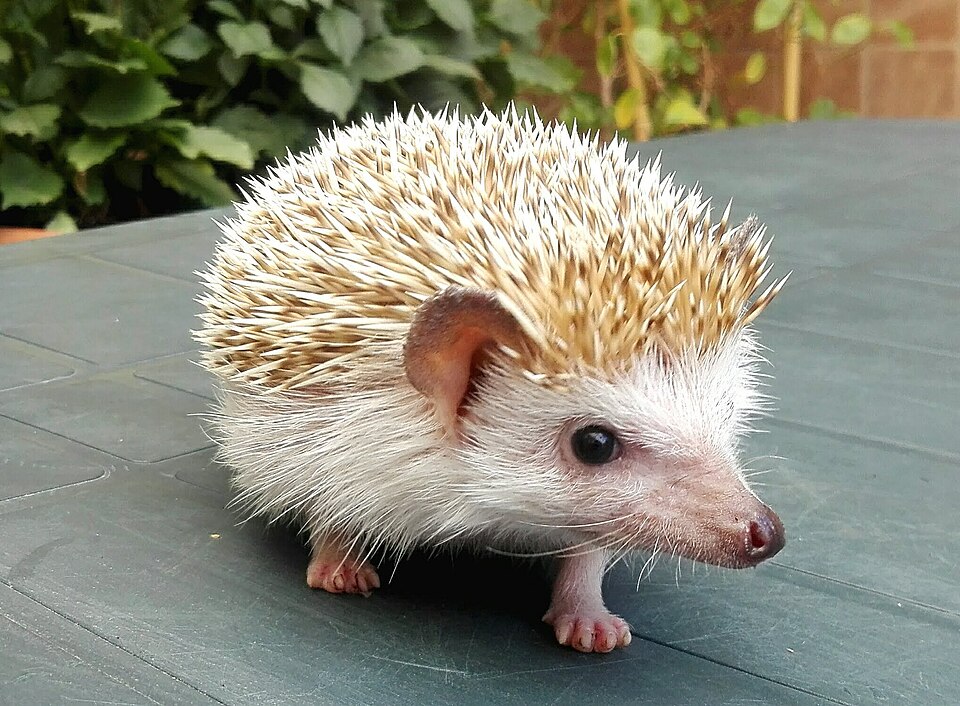
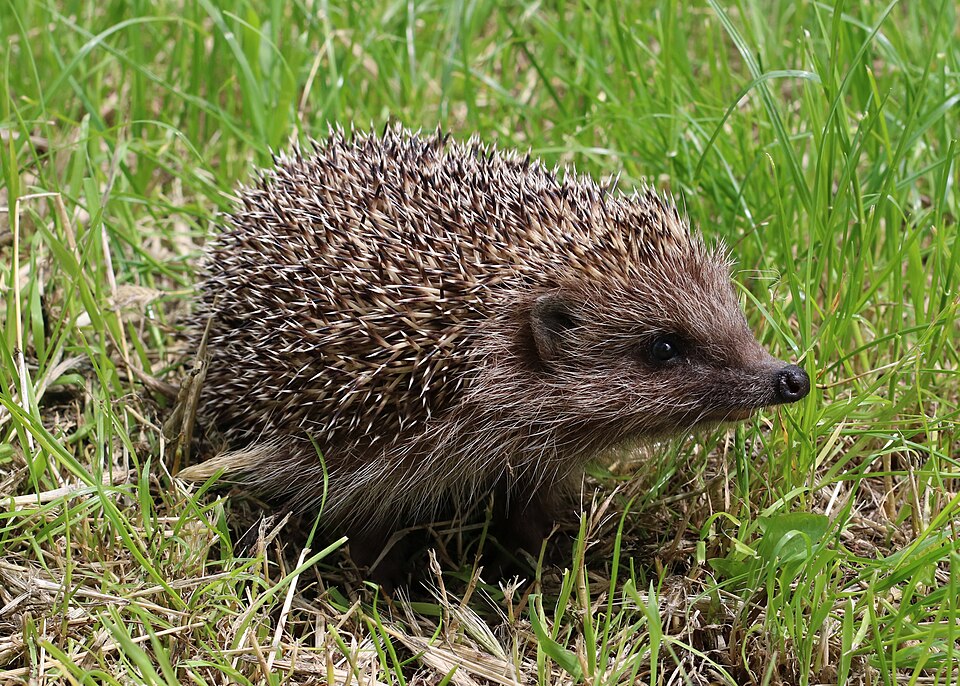
Seeing a small hedgehog by itself in an enclosure, many of us wonder the same thing: isn't it lonely, should we get it a friend? For the African pygmy hedgehog, the vet and animal welfare sources we read all give the same answer: each hedgehog should live in its own enclosure. In this article we put together what the RSPCA, the Merck Veterinary Manual, the veterinary colleges at the universities of Illinois and Florida, and London's Royal Veterinary College (RVC) say. For the enclosure, temperature and diet, see African pygmy hedgehog care; this article is only about "alone or together?" and spending time with your hedgehog.
- The sources agree: African pygmy hedgehogs live alone in the wild; at home, each hedgehog gets its own enclosure.
- The risk of housing together: Fighting. According to the University of Florida, males in particular can fight to the death.
- Be its company yourself: Calm, patient evening sessions; a few hands-off days for a new arrival.
- Enrichment: A solid-bottom wheel, a hiding place, food hidden in the bedding, and supervised time outside the enclosure.
- The RSPCA's reservation: The RSPCA says pet hedgehogs have complex needs that are hard to meet at home.
What do the sources say?
| Source | What it says |
|---|---|
| Royal Veterinary College | Solitary animals; should be housed individually |
| University of Illinois (vet college) | Very solitary and should be housed separately; each hedgehog needs its own enclosure |
| University of Florida (vet college) | Solitary and need to be housed alone; males housed together can fight to the death |
| RSPCA | Solitary by nature; if you housed two together, it's likely that they would fight |
| Merck Veterinary Manual | Solitary in the wild; pet hedgehogs are usually housed in individual cages |
According to the University of Illinois, in the wild hedgehogs are only social during the breeding season. The same source notes that their solitary nature can make them slow to warm up to people. None of the sources we read recommends adding a second hedgehog.
The risks of housing two together
- Fighting: The RSPCA says housing two hedgehogs together would likely lead to fighting. The University of Florida writes that males in particular can fight to the death when housed together.
- Mixed sexes: According to Merck, hedgehogs aren't usually housed in mixed-gender groups. That's why we don't cover breeding here; that takes expertise.
- One enclosure each: The universities of Illinois and Florida say one hedgehog per enclosure, with a floor of at least 2 × 3 feet (about 60 × 90 cm).
Merck's notes for breeders also recommend strict privacy for a female due to give birth, starting a week before delivery and continuing 1-2 weeks after, away from other hedgehogs and people.
Spending time with a hedgehog that lives alone
A hedgehog lives alone but can be open to getting to know people. According to the University of Illinois, give a new hedgehog a few "hands off" days; then start at night, when it's awake, by getting it used to the scent of your hands. A startled hedgehog may bite, so socializing should be slow. The same source says getting a hedgehog from a breeder at a young age is the best way to get it used to handling, though there are exceptions.
- Evening hours: Hedgehogs sleep by day and are active at night. Illinois says their waking hours often overlap with your evening, and the time before bed is a good chance to interact. Florida also notes that hedgehogs are active at dusk and in the evening.
- Regular interaction: According to Illinois, regular interaction is mentally stimulating and helps the hedgehog get comfortable with you and with handling.
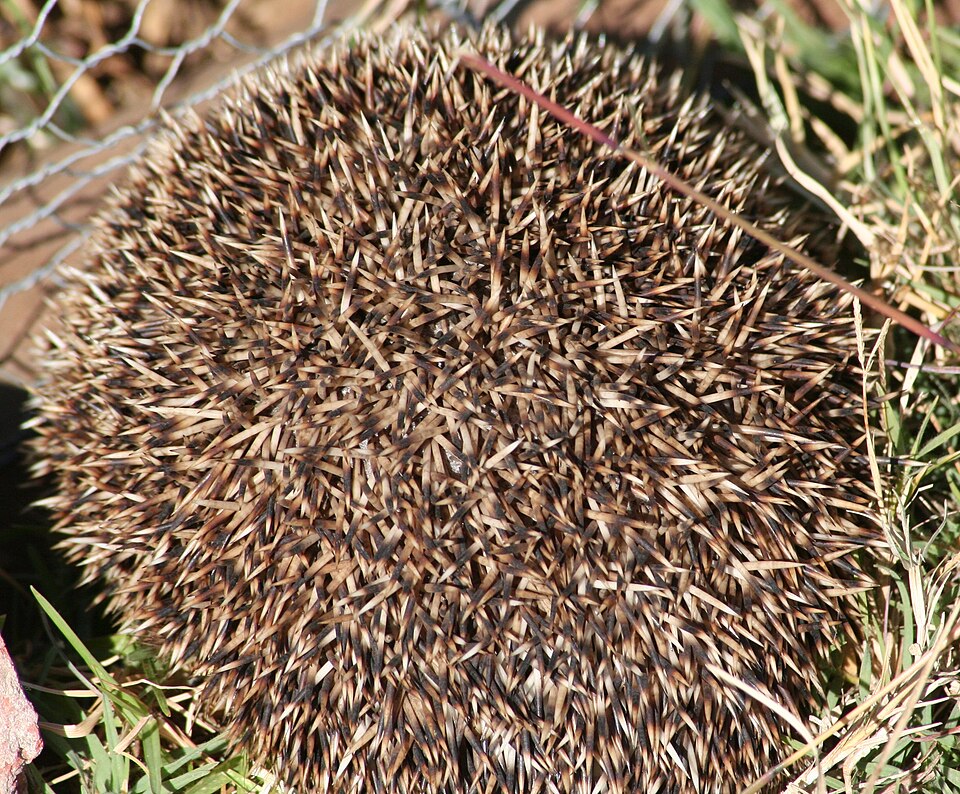
- Hold it gently: Florida suggests picking the hedgehog up with two cupped hands from underneath where the fur is soft, approaching slowly and quietly. If it rolls into a ball, be patient; it will typically unroll and sniff around.
- Wash your hands: According to Illinois, hedgehogs can carry salmonella without showing symptoms; wash your hands after handling.
For a step-by-step plan, see getting your hedgehog used to hands. The RSPCA stresses that hedgehogs must be left alone during the daytime, so interaction is only possible at night.
Enrichment: a life of its own
A hedgehog that lives alone fills its day with what you provide. What the sources suggest:
- Solid-bottom wheel: Merck strongly recommends exercise wheels, but the running surface should be solid metal or plastic; legs can become trapped in wire wheels. Florida and Illinois also recommend a solid bottom.
- A hiding place: Florida suggests a sleeping pouch or igloo; Illinois lists a box, a hut or a length of PVC pipe, with no sharp edges and an entry large enough that the hedgehog can't get stuck.
- Encourage foraging: According to Merck, hiding insects and dry food in the bedding encourages foraging.
- Tubes, hay and safe climbing: Merck suggests plastic or paper tubes, hay and safe climbing structures.
- Toys: Florida says cat or small dog toys can amuse a hedgehog, but avoid toys with small spaces where feet, nails or noses could get caught.
- Supervised time out: Merck and Illinois both recommend supervised time outside the enclosure; Illinois says a few hours each week.
For more, see hedgehog enrichment, enclosure and wheel and your hedgehog's night life.
If your hedgehog has become quiet, isn't eating or is behaving differently, don't write it off as "loneliness"; talk to a vet who knows hedgehogs. The RSPCA says hedgehogs are prone to tumors, heart disease, "wobbly hedgehog" syndrome, parasites and ringworm.
The RSPCA's reservation
The RSPCA's page on pet African pygmy hedgehogs says it doesn't consider them suitable pets: their needs are complex, hard to meet in a typical home, they keep wild-animal traits, and small cages don't suit an animal that travels long distances in the wild. The Illinois and Florida vet colleges explain how to care for them; Illinois's page describes the animal as "cute but challenging" in its title. This isn't advice on whether to get a hedgehog; we wanted to put the sources' different views side by side.
In Tüylüm you can note your hedgehog's evening sessions in the Memory book, follow its daily care tasks on the Today tab and track its weight with Weight tracking. According to the RVC, obesity is common in pet hedgehogs.
Frequently asked questions
Can I keep two female hedgehogs together?
None of the sources we read recommend housing two hedgehogs together. The RVC, Illinois and Florida say separate enclosures; the RSPCA says they would likely fight. So plan a separate enclosure for each hedgehog.
Will a single hedgehog be unhappy?
All the sources say the pygmy hedgehog is a solitary species by nature, and none recommends adding a second hedgehog. If you notice a change in behavior, talk to your vet.
How long should I play with it each evening?
The sources don't give a set time. Illinois and Florida recommend regular interaction, especially in the evenings; Illinois puts out-of-enclosure time at a few hours each week.

Keep track of your pet's care in TüylümLog vet visits, vaccine and medication dates, and we'll remind you when it's time. Share it all with your family in Home.
Sources
- RSPCA · Keeping African pygmy hedgehogs as pets
- Merck Veterinary Manual · Management of Four-Toed (African Pygmy) Hedgehogs
- University of Illinois College of Veterinary Medicine · Hedgehogs Make Cute but Challenging Pets
- University of Illinois College of Veterinary Medicine · How to Care for Your Hedgehog
- University of Florida College of Veterinary Medicine · How to care for your pet hedgehog
- Royal Veterinary College, Beaumont Sainsbury Animal Hospital · African pygmy hedgehog care (PDF)
This article is for general information only; it is not a diagnosis or treatment advice and does not replace a visit to a veterinarian. Talk to your vet about decisions on your pet's health. By Tüylüm · Published and last checked: November 9, 2026. Spotted a mistake? Write to [email protected] and we'll fix it right away. Photos are from Wikimedia Commons, used under the license shown below each photo.