Budgie care: cage, companions, diet and daily flying
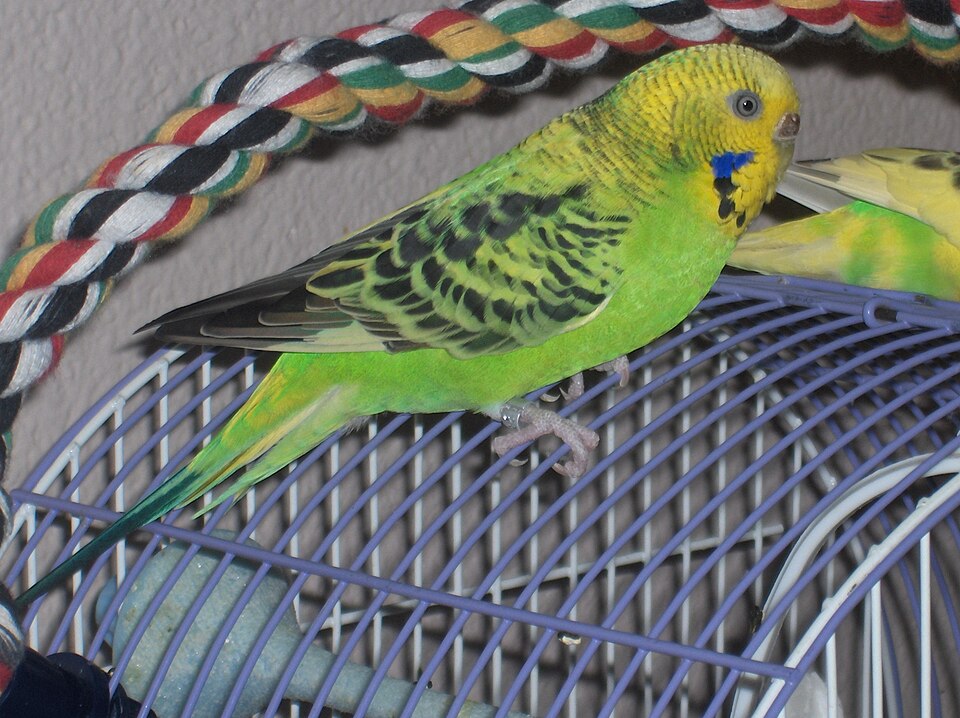
The budgie is one of the most popular pet birds in Turkey. It's colorful, chirpy and bonds easily with people. But the idea that "it'll live happily in a small cage with a handful of birdseed" is the wrong way to start. In the wild, budgies live in flocks and spend their lives flying; at home, they need companions, space and flight too.
- Not alone: According to the RSPCA, most birds do better in the company of other birds, and budgies are among the species that can live together.
- Cage: If your bird spends most of its time in the cage, the cage's height, width and depth should be at least twice its wingspan.
- Flying: The RSPCA recommends that birds can fly freely in a safe area every day.
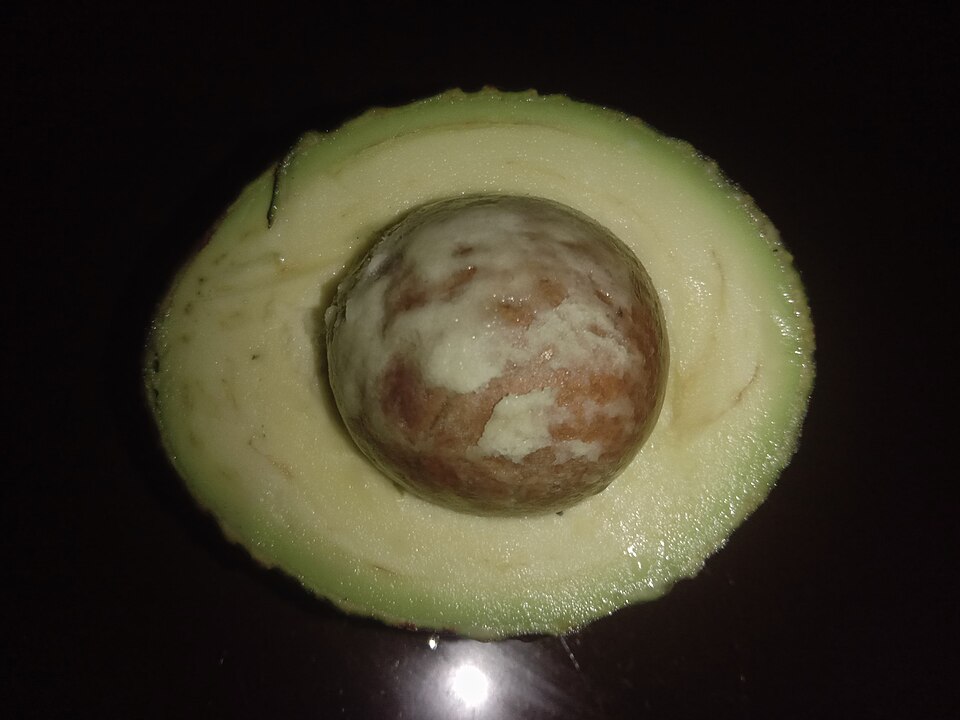
- Diet: According to the RSPCA, seeds should make up no more than a tenth of the diet; the rest is pellets, vegetables and fruit. Never avocado.
- Vet: Take your bird to a vet experienced with birds soon after you get it.
A budgie shouldn't live alone
According to the RSPCA, most birds are social animals and do better in the company of other birds. The RSPCA lists budgies among the species that breed in colonies in the wild and can therefore live together in groups. However much time it spends with people, a person can't fully take the place of another budgie.
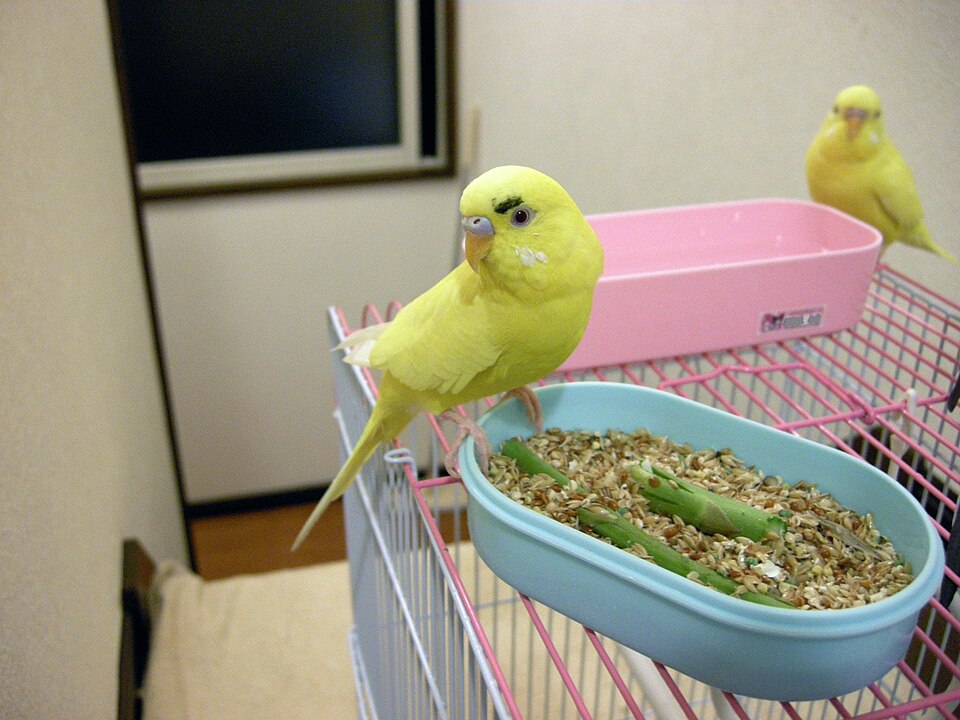
Don't rush when introducing a new bird to the one you already have; it can take time for birds to get used to each other. Ask your vet for advice about keeping the new bird separate for a while and having it checked by a vet.
The right cage
Size: based on wingspan
The RSPCA bases cage size on the bird's wingspan. A bird's wingspan is usually more than twice its body length.
| Where does your bird spend its time? | Cage height, width and depth |
|---|---|
| Mostly in the cage | At least 2 times its wingspan |
| Mostly out of the cage | At least 1.5 times its wingspan |
If there are more than two small birds (under 50 grams) in the cage, the RSPCA recommends making the cage 5 percent bigger for each bird beyond the first two. There should be an open space where your bird can flap its wings as much and as hard as it likes.
Shape and fittings
- Perches: The RSPCA recommends natural wood perches of different thicknesses; they should feel smooth, and there should be enough for every bird. Place perches where droppings won't fall onto the food and water dishes.
- Toys: The RSPCA recommends adding toys such as foraging toys with food hidden inside. For toy ideas: toys and enrichment for birds.
Where the cage stands in your home matters a lot too: where should a bird cage go?
Flying every day
According to the RSPCA, birds need to be able to fly freely every day. The best option is a large aviary; if you don't have one, you need a large space indoors where your bird can fly safely. The RSPCA recommends that birds spend at least six hours a day out of the cage.
According to the RSPCA, before letting your bird fly, close the windows and doors, and if you have a ceiling fan, always turn it off. Check the room for other dangers beforehand too. Details: household dangers for birds.
The RSPCA is against wing clipping: clipping doesn't stop a bird flying completely, but it does stop it flying upward indoors; a bird that leaps by reflex after a sudden fright can fall and be seriously injured.
Diet: pellets instead of seeds
In many homes, budgies are fed only on birdseed (a seed mix). According to the RSPCA, ready-made seed mixes are high in fat and energy but low in calcium and many vitamins; a seed-only diet can lead to problems such as obesity, fatty liver, and vitamin A and calcium deficiency. The Merck Veterinary Manual also says that a diet made up only of seeds isn't adequate for parrots.
- The foundation: pellets. According to the RSPCA, small parrots such as budgies need a little seed every day, but seeds should make up no more than a tenth of the diet; the rest is pellets, vegetables and fruit.
- Vegetables and fruit: The RSPCA recommends thoroughly washed vegetables and fruit such as carrots, broccoli, peas, apple with the seeds removed and blueberries.
- No need for grit: According to the Merck Veterinary Manual, grit helps digestion in some birds that swallow seeds whole; parrots such as budgies, which husk their seeds before eating them, don't need grit.
Switching from seeds to pellets
Switching a bird that's used to seeds over to pellets takes time; according to the RSPCA, a change in diet should be made gradually, over weeks or even months. Before you start, talk to a vet experienced with birds to make sure your bird is healthy. The RSPCA recommends:
- Throughout the switch, weigh your bird every day on sensitive digital scales and keep an eye on its droppings.
- Mix the new food half and half with a food your bird is used to.
- With budgies, scattering the new food on a mirror or a sheet of white paper can catch their interest.
According to the RSPCA, avocado is extremely toxic to parrots; never give it to your budgie. Chocolate, caffeinated drinks (coffee, tea, cola), alcohol, very salty snacks, onions and garlic are also dangerous for birds. The full list, with the reasons and sources: foods that are harmful to birds.
Light and temperature
For birds that live indoors, the RSPCA recommends flicker-free artificial lights that provide UVA and UVB; there shouldn't be glass or plastic between the bird and the lamp, because they block the rays. The lamp should be renewed at the intervals the manufacturer recommends to keep its light output up. There should also be shaded spots where your bird can move out from under the light. For birds of tropical origin, the temperature range the RSPCA recommends is 12–26 °C (54–79 °F).
Frequently asked questions
What if I get just one budgie and give it lots of attention?
According to the RSPCA, most birds do better in the company of other birds, and budgies are a species that can live in groups. However much attention you give it, you can't be with it all day long; a companion makes its life much richer.
Should I put sand on the cage floor? Does my bird need to eat grit?
According to the Merck Veterinary Manual, parrots such as budgies husk their seeds before eating them, so they don't need grit (sand, gravel); grit is for some birds that swallow seeds whole.
When should I take my budgie to the vet?
Take your bird to a vet experienced with birds soon after you get it, and talk to them about how often to have regular checkups. If its behavior, voice or appetite changes, talk to your vet without waiting.

Keep track of your pet's care in TüylümLog vet visits, vaccine and medication dates, and we'll remind you when it's time. Share it all with your family in Home.
Sources
- RSPCA · Housing and environments for pet birds
- RSPCA · How to fly pet birds safely
- RSPCA · Keeping pet birds together
- RSPCA · Diet: the right food for your bird
- Merck Veterinary Manual · Nutrition in Psittacines
By Tüylüm · Published and last checked: October 24, 2026. Spotted a mistake? Write to [email protected] and we'll fix it right away. Photos are from Wikimedia Commons, used under the license shown below each photo.