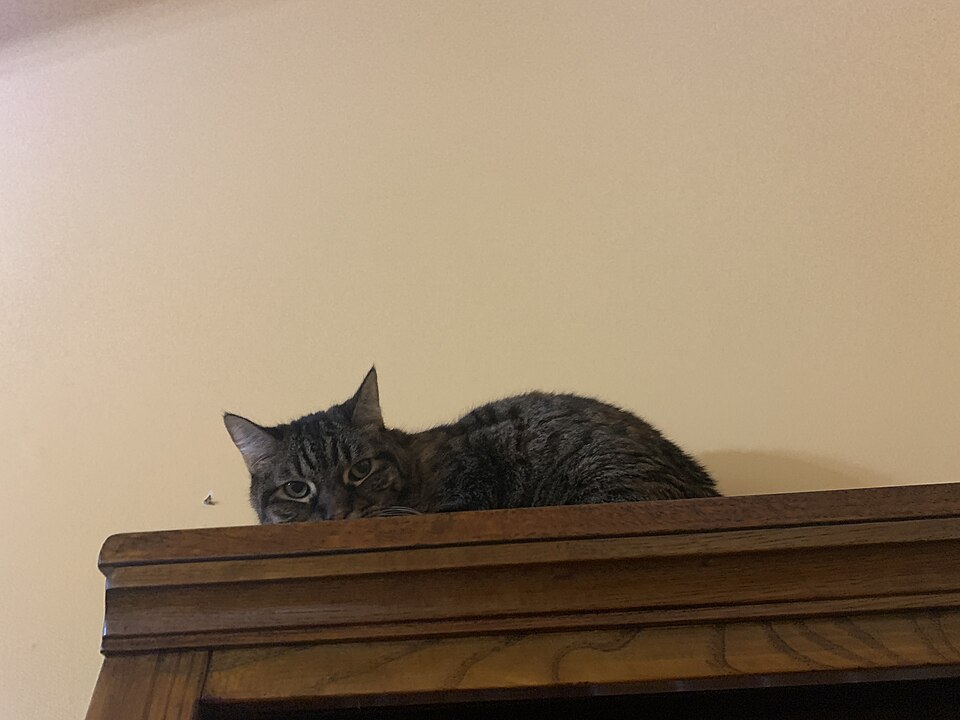
Cat grooming: how often to brush, does your cat need a bath, and how to make brushing enjoyable?
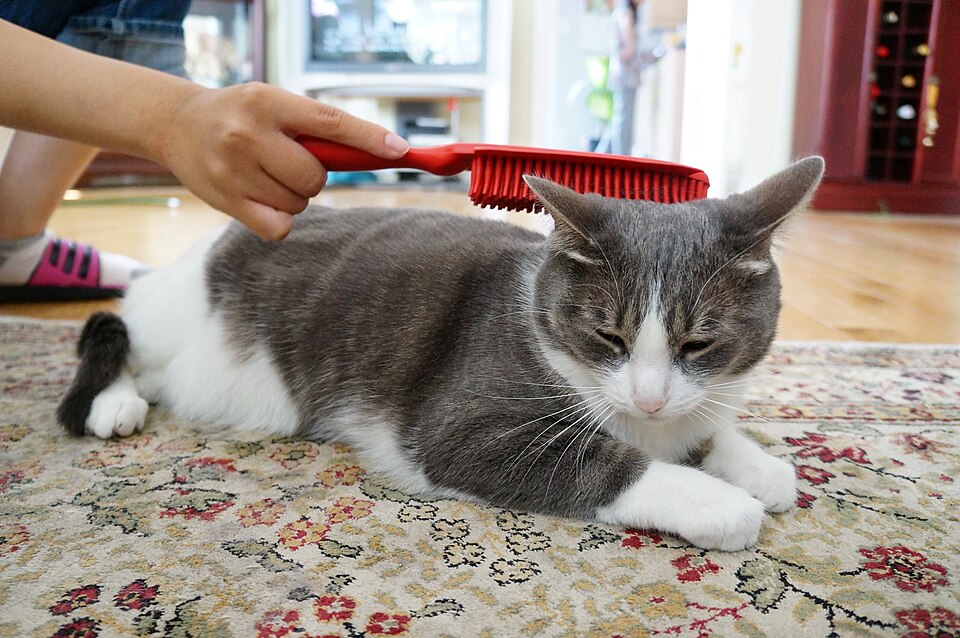
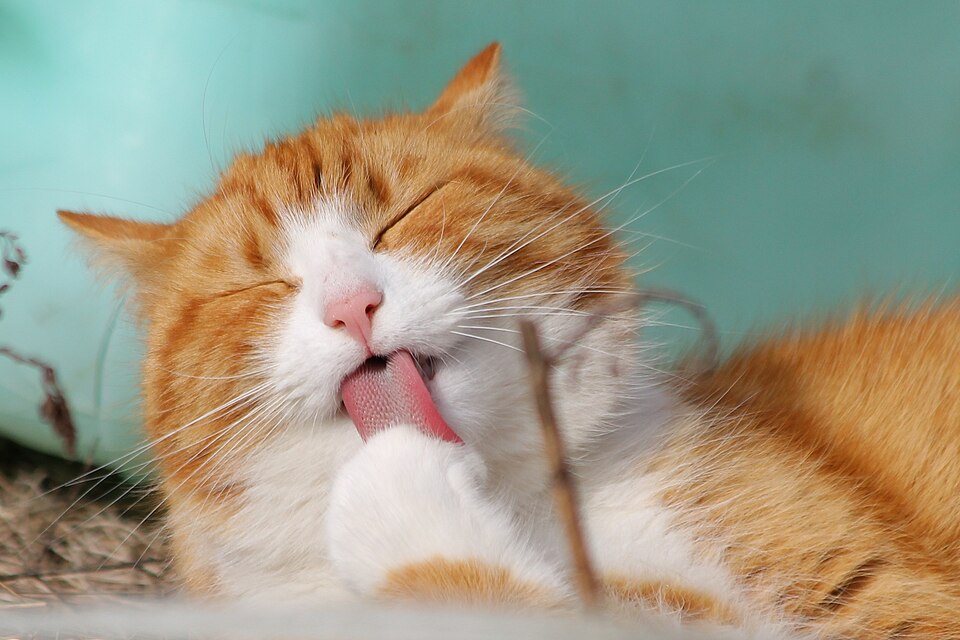
Cats spend a big part of their day grooming themselves. According to International Cat Care, their flexible bodies can reach everywhere, and their tongues, covered in tiny backward-facing spines, are perfectly designed for picking up loose hair and dirt. So why should you pick up a comb? Because cats shed to some degree all year round; some of the hair they swallow passes through their digestive system, and some comes back up as a hairball. And a long-haired cat's coat is often more than it can manage on its own. In this article, we cover grooming by coat type, the right tools, and how to help your cat enjoy being brushed.
- Long-haired: Brush at least once a day. The armpits, the area between the back legs and the belly are the most prone to matting.
- Short-haired: Anywhere from once a week to a few times a week; more often in shedding season (spring and fall).
- Mats: Gently work small knots apart with your fingers. Don't tackle mats close to the skin yourself; never use scissors.
- Bath: A healthy cat almost never needs one. Most dirt comes off with a soft cloth soaked in warm water.
- Getting used to it: Short sessions, no forcing, with rewards. Stop when your cat shows signs of discomfort.
Why does brushing help?
According to International Cat Care, a cat's own grooming does many things: it removes loose hair and smooths the coat so the body is better insulated, saliva spread on the coat evaporates and cools the cat down in hot weather, and it spreads the cat's own scent over its body. For cats that groom each other, it's also a behavior that strengthens social bonds.
Your brushing adds to this. According to International Cat Care, brushing every day, especially during shedding periods, removes most of the hair your cat would otherwise swallow and helps prevent or reduce hairballs. It's also a chance to take a close look at your cat's ears, eyes and mouth. A brushing session that goes well is a pleasant moment for both of you and strengthens your bond.
How often should you brush?
The organizations' advice points in the same direction, with small differences: the longer the coat, the more often you brush.
| Coat type | How often? | Notes from the sources |
|---|---|---|
| Long-haired (e.g. Persian, Birman, Ragdoll) | At least once a day | According to Cats Protection, daily brushing is even more important for long-haired cats that go outdoors. According to PDSA, the armpits, legs, belly and tail are "danger zones" for matting. |
| Short- and medium-haired (e.g. Siamese, British Shorthair) | From once a week (International Cat Care, Cats Protection) to a few times a week (PDSA) | According to Cats Protection, twice a week may be needed during heavy shedding in spring and fall. According to PDSA, you may need to brush more often as your cat gets older. |
| Hairless and semi-hairless (e.g. Sphynx) | Its own routine | These cats have different grooming needs and may need regular baths. Talk to your vet about how often. |
Cats Protection recommends brushing a long-haired cat at around the same time every day; cats are creatures of habit. Pick a time when your cat is calm and relaxed; in the charity's words, avoid the post-mealtime "zoomies."
If you tend to forget brushing, add a "Brushing" task to your cat's Today tab in Tüylüm. You can set it to your own routine: every day for a long-haired cat, once a week for a short-haired one.
Which tools?
According to Cats Protection, brushing is all most cats need; what you use depends partly on your cat's coat and preferences.
- Short-haired cat: International Cat Care recommends a fine-toothed comb, a bristle brush and a rubber grooming mitt or pad. According to Cats Protection, some cats love the mitt because it feels like you're just stroking them.
- Long-haired cat: According to International Cat Care, a wide-toothed comb and a rubber mitt or pad. Cats Protection also says combs are ideal for long hair.
There are other tools on the market for long hair too. International Cat Care suggests finding out, by trying, which one causes the least stress for both you and your cat.
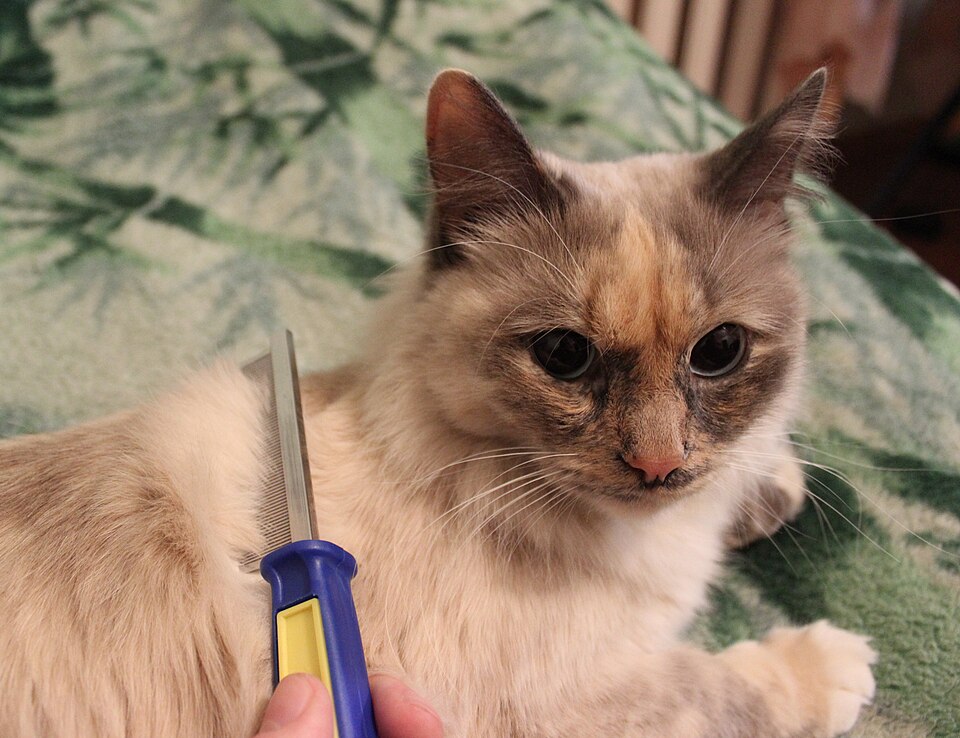
Brushing step by step
- Choose the right moment: Start when your cat is calm and happy.
- Brush with the lie of the coat: According to International Cat Care, gently, from head to tail, in the direction the hair grows.
- Slow down in sensitive areas: In long-haired cats, the armpits and the area between the back legs have very thin, sensitive skin, and because of friction they're also where mats form most often. Check between the toes and paw pads too.
- Finish early: The session should end before your cat shows any sign of discomfort. International Cat Care recommends ending every session on a positive note, with treats and praise.
- Clean up: According to Cats Protection, the loose hair you brush out can get tangled back into the coat and form mats; vacuum up the hair after brushing.
What to do about mats
According to International Cat Care, a cat that's brushed every day shouldn't get matted. But if you notice a knot, patiently work it apart with your fingers, slowly, from the root toward the tip of the hair.
According to International Cat Care, once the fur is badly matted it's very hard to see where the skin ends and the hair begins; you could cut your cat with scissors. Cats Protection also says not to try brushing out mats close to the skin yourself, as this can tear the skin, and that trying to cut them out with scissors is especially dangerous. Take your cat to the vet for matted fur.
How to help your cat enjoy brushing
Some cats love being brushed; others can't stand it. According to International Cat Care, you need to get a cat used to being brushed and handled gradually; a cat should never be groomed by force and should always be able to get away if it's uncomfortable.
- Start early: Cats Protection recommends introducing combs and brushes while your cat is young, if you can.
- Go a little at a time: Don't try to do it all at once; according to Cats Protection, do a little each time and build up gradually.
- Brush without holding: According to Cats Protection, the less you restrain your cat, the less stressful it is for both of you.
- Reward: PDSA recommends turning brushing into a positive experience with treats and praise.
- If it's a struggle, set smaller goals: International Cat Care recommends stopping a session that's become a struggle, trying again when your cat is relaxed, and setting small goals for each session that your cat can easily accept.
If your cat shows any of these signs, stop and try again another day. International Cat Care's list: skin rippling or twitching, tail swishing or twitching at the tip, sharply turning its head toward the brush, suddenly freezing, ears rotating backward, licking its lips, shaking its head, a quick, brief burst of grooming, growling or hissing. For more on these signals, see our article on cat body language.
According to Cats Protection, a change in a cat's own grooming habits can be a sign of a problem. If your cat has suddenly started grooming itself much more or much less than usual, talk to your vet without delay.
Does your cat need a bath?
Usually not. According to International Cat Care, there's no reason to bathe a healthy cat, and most cats don't tolerate it well. According to Cats Protection, too, it's very unlikely your cat will ever need a bath: as long as it grooms itself, it stays clean; most dirt comes off with a soft cloth soaked in warm water.
According to Cats Protection, regular bathing can strip the natural oils from the coat and is stressful for most cats; the charity advises bathing your cat only if your vet recommends it. Its other important warnings:
- If something potentially toxic gets on its fur: Call your vet before bathing.
- Kittens under eight weeks old: Shouldn't be bathed because of the risk of drowning; if needed, wipe them with a damp cloth.
- Don't use dog or human shampoo: Cats have different skin; some dog shampoos contain ingredients that are toxic to cats.
- Alternatives: Try a brush first, then a damp cloth. If that still doesn't work, talk to your vet.
Frequently asked questions
Do I need to brush my short-haired cat too?
Yes, but less often. International Cat Care recommends at least once a week, PDSA a few times a week. According to Cats Protection, twice a week may be needed during heavy shedding in spring and fall.
Can't I just cut the mat out of my cat's fur?
No. International Cat Care and Cats Protection warn that trying to cut mats out with scissors can injure your cat. Gently work small knots apart with your fingers; for mats close to the skin, talk to your vet.
My cat hates being brushed. What should I do?
Set smaller goals. International Cat Care recommends never brushing a cat by force and progressing gradually with short, rewarding sessions. According to Cats Protection, for a cat that has had bad experiences with grooming in the past, getting support from a qualified behaviorist can help.

Keep track of your pet's care in TüylümLog vet visits, vaccine and medication dates, and we'll remind you when it's time. Share it all with your family in Home.
Sources
- International Cat Care · Grooming your cat
- Cats Protection · Grooming your cat
- Cats Protection · Tips for grooming long-haired cats
- Cats Protection · Should I bathe my cat?
- PDSA · How often should you groom your pet?
By Tüylüm · Published and last checked: October 26, 2026. Spotted a mistake? Write to [email protected] and we'll fix it right away. Photos are from Wikimedia Commons, used under the license shown below each photo.