Cat-proofing your home: a checklist for windows, balconies, cables and washing machines
Cats are curious animals. According to Cats Protection, most cats live happy lives free from danger, but that curiosity can sometimes put them at risk. An open window, a hair tie forgotten on the floor, a dryer left with its door open... Things that are ordinary to us can be an adventure for a cat, and sometimes a danger. In this article, we go through the ways to make your home safe for your cat, one by one, with advice from Cats Protection and International Cat Care.
- Windows and balconies: Cats can fall from heights. Fit wire mesh to windows you open, and enclose the balcony from ceiling to floor.
- Tilt windows: Windows that open inward from the top can trap a cat.
- Cables: They look like toys to cats. Use cable tidies and clips to keep them out of reach.
- String, thread, rubber bands: If swallowed, they can get stuck in the gut and cause life-threatening problems. Don't leave them lying around.
- Washing machines and dryers: Keep the doors closed; check inside before you turn them on.
- Cupboards and small spaces: Make sure there's no cat inside before you close them.
Windows and balconies: falls
According to Cats Protection, cats can fall from upstairs windows and balconies, and every year a number of cats are injured or killed after falling from a height. The charity says any cat can fall, but young cats, especially those under two years old, are more likely to jump because they lack the fear of heights. According to the charity, an open window or balcony can tempt a cat to go exploring.
Windows
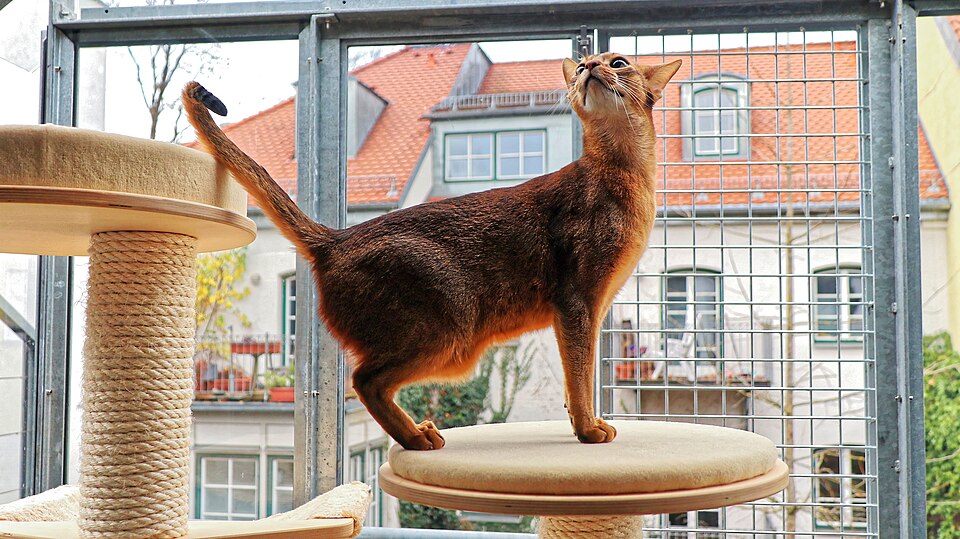
International Cat Care recommends covering windows you open for fresh air with grills or mesh if you don't want your cat to go outside. Cats Protection also recommends screening windows with wire mesh, especially for cats kept indoors.
Watch out for a type of window found in many homes in Türkiye: according to Cats Protection, tilt windows that open from the top can trap cats; a cat trying to squeeze through can get stuck and hurt itself. The charity recommends keeping windows locked or not opened wide enough for a cat to fit through.
Balcony
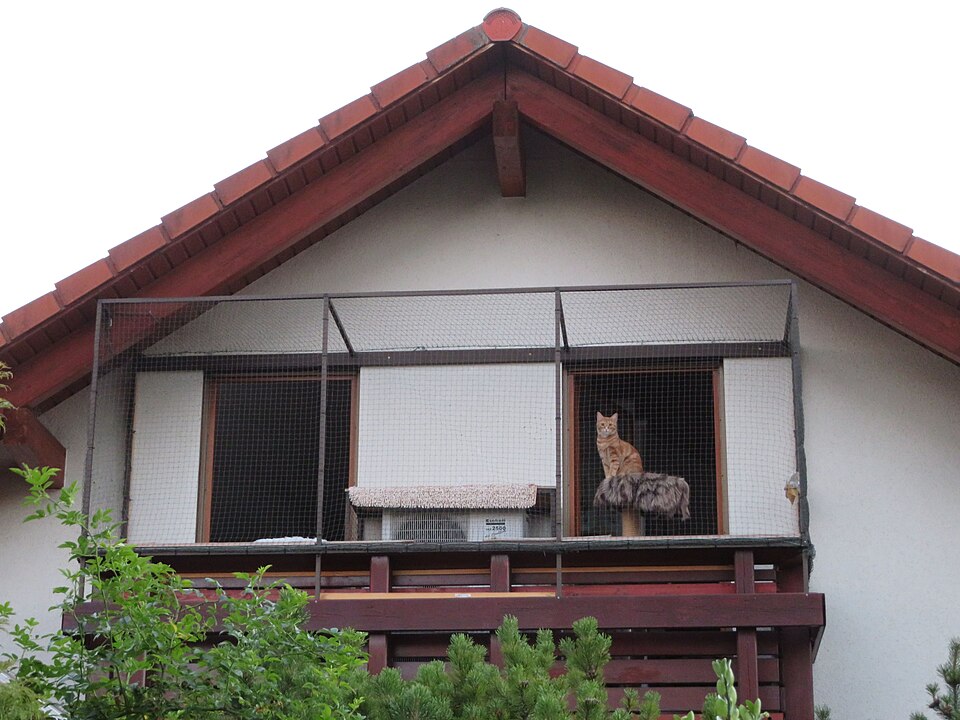
Cats Protection's clearest advice is not to let your cat onto an unprotected balcony. If you want to open the balcony to your cat:
- Enclose it from ceiling to floor: Fit wire mesh or netting across the whole balcony, or install a sturdy screen designed for cats.
- Leave no gaps: According to Cats Protection, a cat can get tangled in netting that isn't properly secured, or escape through gaps.
- Remove hazards: Bring poisonous plants and other dangerous items on the balcony inside.
- Keep the way back open: Your cat should be able to get back inside easily whenever it wants.
- Keep an eye on it: The charity recommends always supervising your cat while it's on the balcony. If your cat tries to escape or seems frustrated, close off the balcony.
Cats love being up high and watching their surroundings from above. For ideas on offering a safe window perch and shelves indoors, take a look at our indoor cat play guide.
Cables and heaters
According to Cats Protection, cables look like fun toys to cats; sharp teeth and claws can get through the casing and hurt your cat. Use cable tidies and clips to keep cables out of your cat's reach. The charity also recommends not leaving electric heaters where your cat could knock them over, and putting a guard in front of open fires, such as a fireplace.
String, thread, rubber bands and small objects
According to International Cat Care, cats swallowing foreign objects is more common than you might think. The risk is higher in young cats, because they're curious, and in indoor cats that don't have enough to keep them busy. Some of the things most often swallowed:
| What? | Examples |
|---|---|
| String-like items | Needle and thread, wool, string from around meat, tinsel, ribbon, dental floss, blind cords |
| Bands | Hair ties, rubber bands |
| Small round objects | Coins, buttons, earplugs, fruit pits, bottle caps |
| Other | Stuffing from inside toys, carpet fibers, cooked chicken bones |
According to International Cat Care, string-like objects that are swallowed can cause the intestines to bunch up and make a cat very ill, usually requiring surgery. Cats Protection also says that the thread attached to sewing needles attracts cats, and that swallowing the needle or thread can cause serious internal injuries.
- Keep sewing and knitting supplies in a closed box. Pins are small enough to be swallowed too.
- Don't leave hair ties and rubber bands lying around.
- Put string toys away after play. Cats Protection recommends not leaving your cat alone with toys it could shred and eat or get tangled in, and replacing toys as they wear out.
- Take care at Christmas: According to Cats Protection, dangling decorations, strings of lights and tinsel can get tangled around a cat's neck or legs, or be swallowed.
- Keep the trash can lid closed: Cooked chicken bones are sharp and can get stuck in the intestines.
According to International Cat Care, if your cat has swallowed something it shouldn't have, don't wait for it to "pass through"; it often doesn't. Talk to your vet without delay.
For choosing safe toys, see the warnings in our indoor cat play guide too.
Washing machines, dryers and cupboards
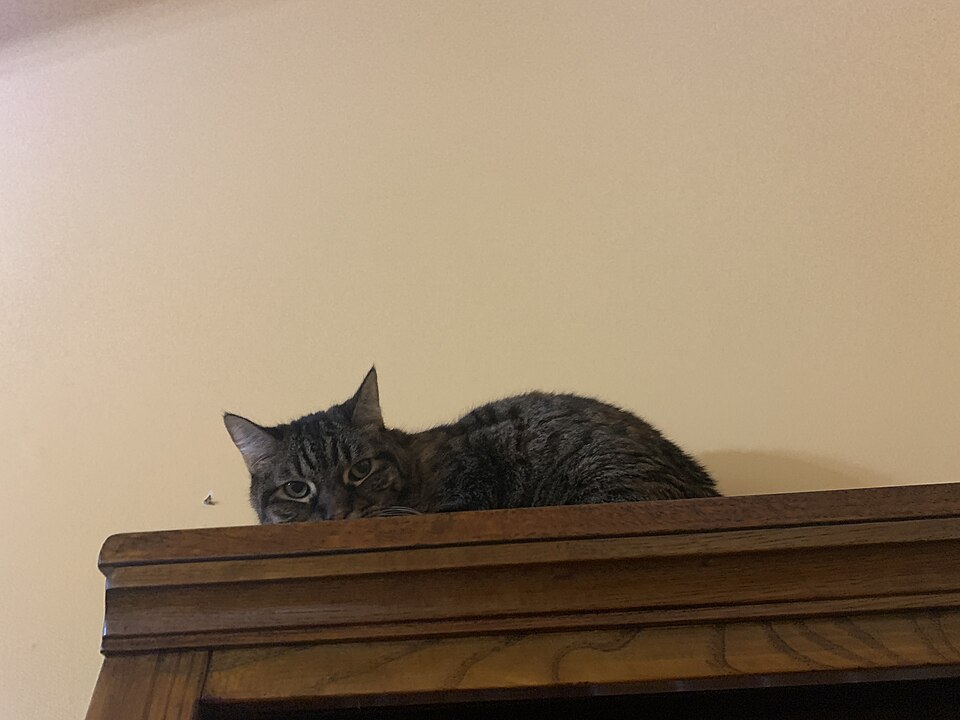
Cats love tight, tucked-away spots. According to Cats Protection, cats hide when they feel anxious or simply want a peaceful rest, which is why small spaces are so attractive to them.
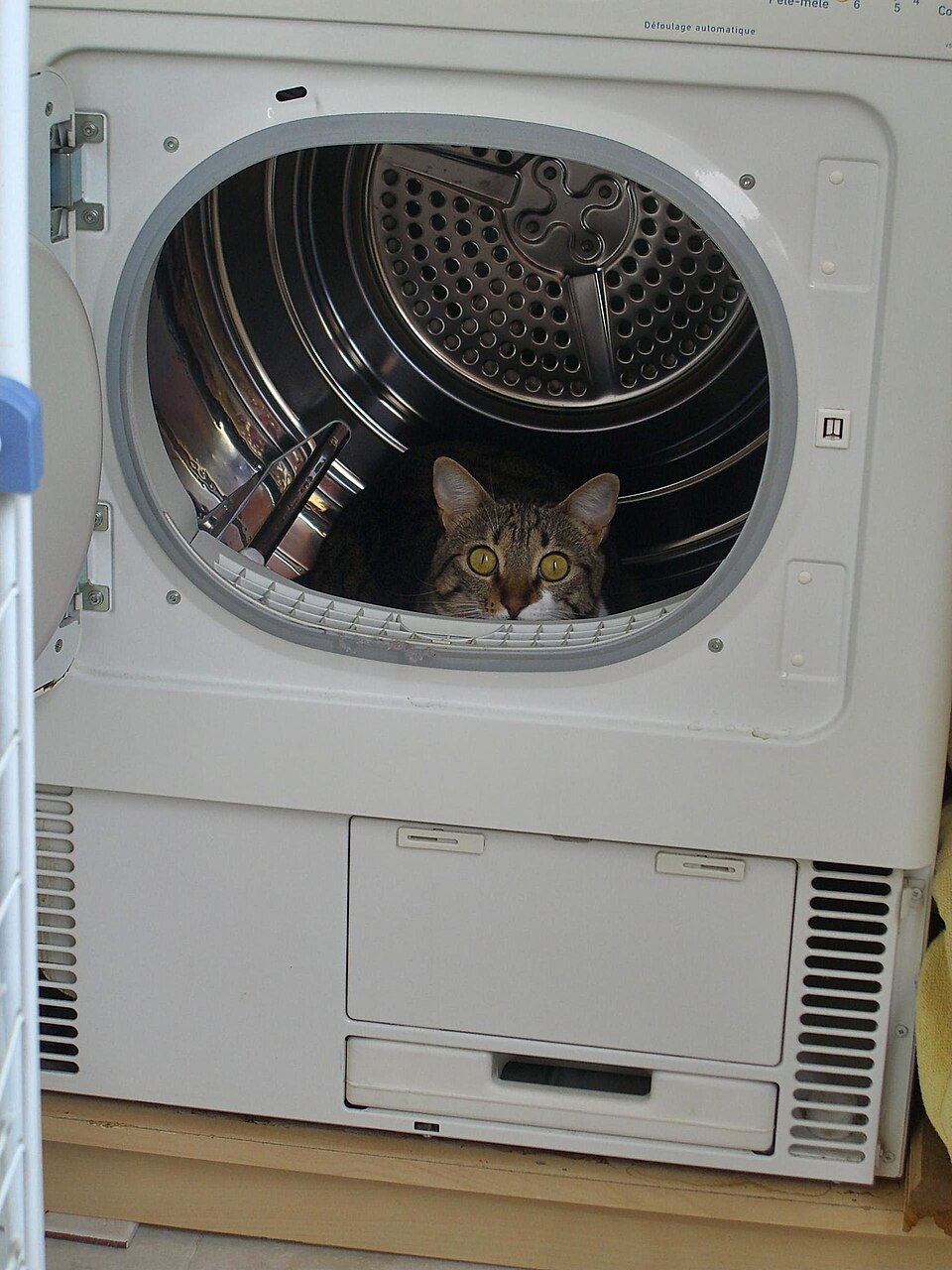
- Keep appliance doors closed: Cats Protection recommends keeping the doors of washing machines and dryers firmly shut and double-checking for any feline visitors before you turn them on.
- Block off spaces where it could get stuck: Block off places where your cat could become trapped, such as behind the fridge or oven.
- Look before you close a cupboard: Glance inside wardrobes, cupboards and drawers before closing them. According to Cats Protection, missing cats often turn out to have been accidentally locked in sheds, garages and bins.
- Watch out for recliners: Cats Protection recommends checking underneath a reclining chair before you push it back in.
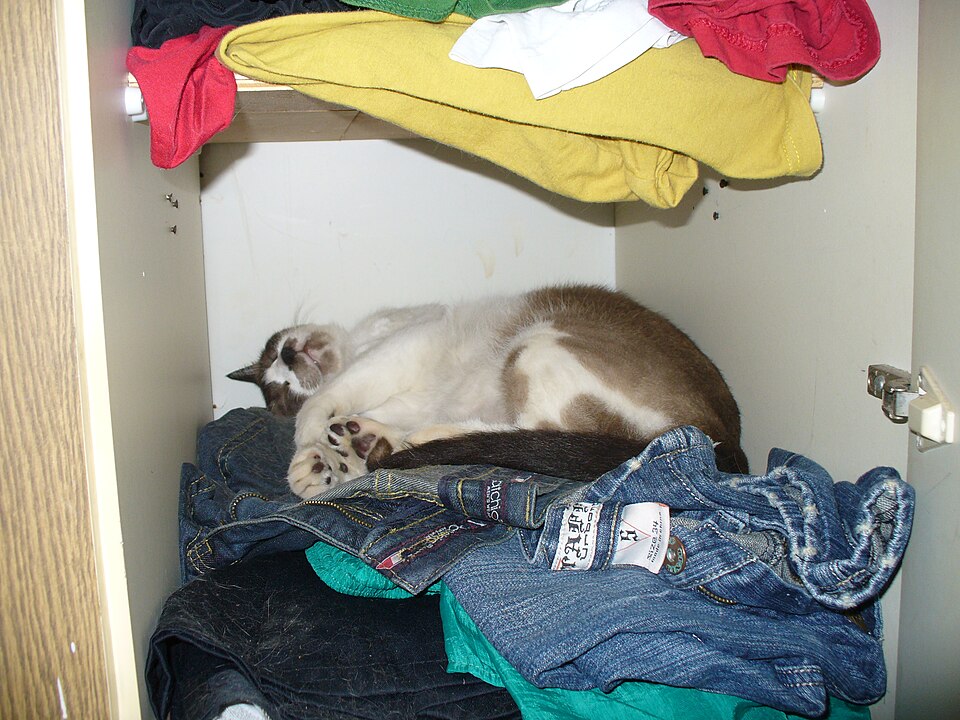
International Cat Care says cats need private hideaways of their own at home and shouldn't be disturbed while using them. The goal isn't to stop your cat from hiding; it's to give it safe hiding places, like under the bed, behind the sofa or an open cupboard, and to be careful with doors and lids that close.
Bathroom and kitchen
According to Cats Protection:
- Keep the toilet lid down. Cats can be attracted to the water in the toilet; there's a risk of drowning and of exposure to cleaning products.
- Don't leave your cat alone while running a bath. If the water is hot, keep your cat out of the bathroom.
- Keep it away from the stove and hot liquids.
Chemicals, medicines and plants
According to Cats Protection, anything that gets on your cat's paws or fur is likely to be licked off and swallowed when it grooms itself. So:
- Store cleaning products in a closed cupboard. If you've poured a strong cleaner down a sink or toilet, close the door to the room; after using strong-smelling products, ventilate the room and keep your cat out until the smell has gone.
- Some disinfectants that turn cloudy in water are very toxic to cats.
- Keep human medicines, creams and gels in a cupboard your cat can't get into; don't let your cat lick them off your skin. Cats Protection stresses that many medicines used by people are poisonous to cats.
- Antifreeze is lethal for cats; clean up any spills right away.
- Essential oils can harm cats. If you use them, use them in well-ventilated areas and wipe up spills immediately.
- Plants: According to Cats Protection, every part of a lily, even the water in the vase, is very toxic to cats. We explained which plants are dangerous in our article on houseplants that are toxic to cats.
According to Cats Protection, if you think your cat may have eaten something poisonous, call your vet without delay, even if it seems fine; a delay of just a few minutes can put its life at risk.
Don't lose time hunting for a phone number in an emergency: save your clinic's details in Tüylüm's My vet section, and when you need to, call your vet with a single tap. If your cat gets out, you can quickly create a poster with its photo using Lost pet poster.
Frequently asked questions
My cat has never jumped out of a window. Should I still fit a screen?
According to Cats Protection, any cat can fall; cats under two in particular are at higher risk because they lack the fear of heights. The charity recommends screening the windows you open for fresh air with wire mesh.
Should I never let my cat out on the balcony?
Cats Protection recommends not letting your cat onto an unprotected balcony. According to the charity, some indoor cats can benefit from a balcony, as long as it's enclosed from ceiling to floor with sturdy wire mesh and you stay with your cat while it's out there.
My cat swallowed a rubber band but seems perfectly fine. Can I wait?
No. According to International Cat Care, you shouldn't assume swallowed things will "pass through" on their own, because they often don't. The organization also points out that cats hide illness well and may just seem to sleep a bit more. Talk to your vet without delay.

Keep track of your pet's care in TüylümLog vet visits, vaccine and medication dates, and we'll remind you when it's time. Share it all with your family in Home.
Sources
- Cats Protection · Keeping your cat safe in the home
- Cats Protection · Keeping your cat safe (guide, PDF)
- Cats Protection · Our guide to indoor cats
- International Cat Care · Cats and foreign bodies
- International Cat Care · Making your home cat friendly
By Tüylüm · Published and last checked: October 26, 2026. Spotted a mistake? Write to [email protected] and we'll fix it right away. Photos are from Wikimedia Commons, used under the license shown below each photo.