Why do cats love high places? Shelves, cat trees and high resting spots at home
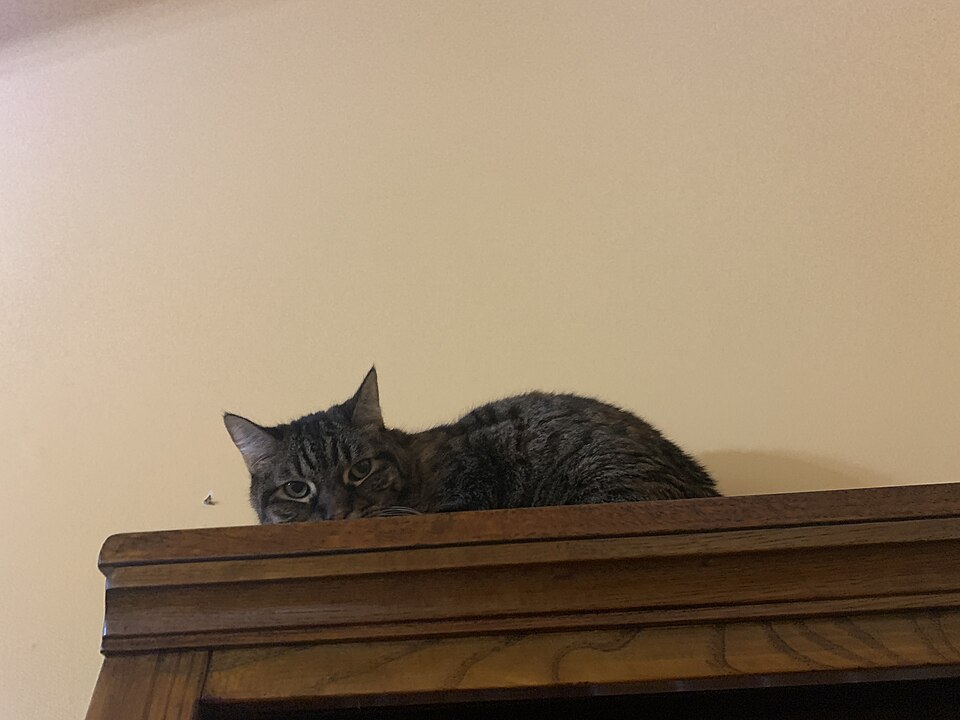
Where does your cat spend most of its time at home? Probably not on the floor: on the top shelf of the bookcase, on top of the wardrobe or on the windowsill. This isn't a quirk or stubbornness. According to International Cat Care, cats are natural climbers and feel safest in places where they can watch their surroundings from above. The RSPCA also says cats often feel safest when they're high up. In this article, we explain how to add safe high resting spots to your home. We covered play and toys separately in our indoor cat play guide.
- Why high? Cats feel safe up high and watch their surroundings from there.
- Vertical space means new space: Shelves and climbing spots open up new routes for your cat without making your home any bigger.
- Options: A cat tree, shelves just for your cat, the tops of cupboards and wardrobes, a high spot near the window.
- Safe setup: A non-slip surface, a bed your cat can stretch out on, an easy way down and, if needed, a halfway step.
- Multi-cat homes: One high spot per cat plus one extra; if possible, each one reachable from two sides.
- Older cats: Shallow steps or a gently sloping ramp.
Why do cats love high places?
According to International Cat Care, resting up high and watching its surroundings from there isn't a luxury for a cat; it's a need. The organization also says cats prefer high places when they feel threatened. A cat up high can watch its surroundings without drawing anyone's attention.
There's also the question of space. In its guide to gardens, International Cat Care says cats view their environment three-dimensionally, and that adding areas at different heights instantly creates more space for a cat. The same goes for your home: even in a small home, the walls can become a new floor for your cat. Cats Protection also recommends giving indoor cats plenty of shelves and things to climb, so they can explore just as they would outside.
According to International Cat Care, minimalist, open-plan homes with little furniture are far removed from a cat's natural habitat. A slightly more cluttered home, on the other hand, offers high places to sit and corners to disappear into. According to the organization, even pulling furniture a little away from the walls gives a cat places to hide.
Which high spots work at home?
International Cat Care recommends giving your cat different options for resting up high:
| Option | What to watch for |
|---|---|
| Cat tree or tower | The beds on it should be big enough for your cat to stretch out comfortably; if they're too small, your cat may not use them |
| Tops of cupboards and wardrobes | A large place to rest and hide; a piece of furniture placed next to it works as a halfway step |
| Shelves just for your cat | Wooden shelves can be very slippery; add a non-slip surface on top |
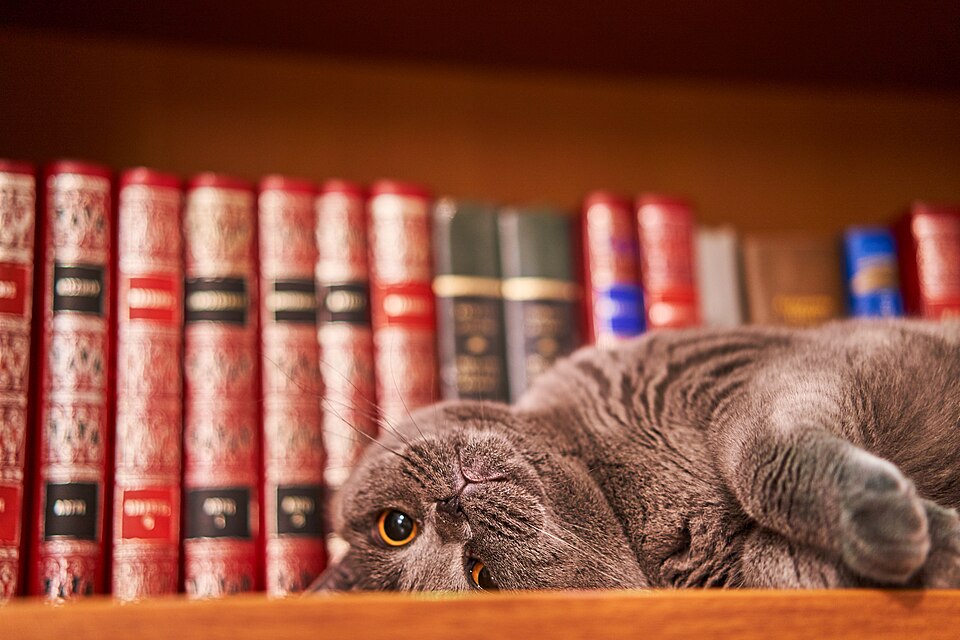
| Bookcase | Clearing a small area on one shelf gives your cat a sanctuary |
| Radiator bed | Warm and close to the floor; but offer a higher option next to it too |
The windowsill
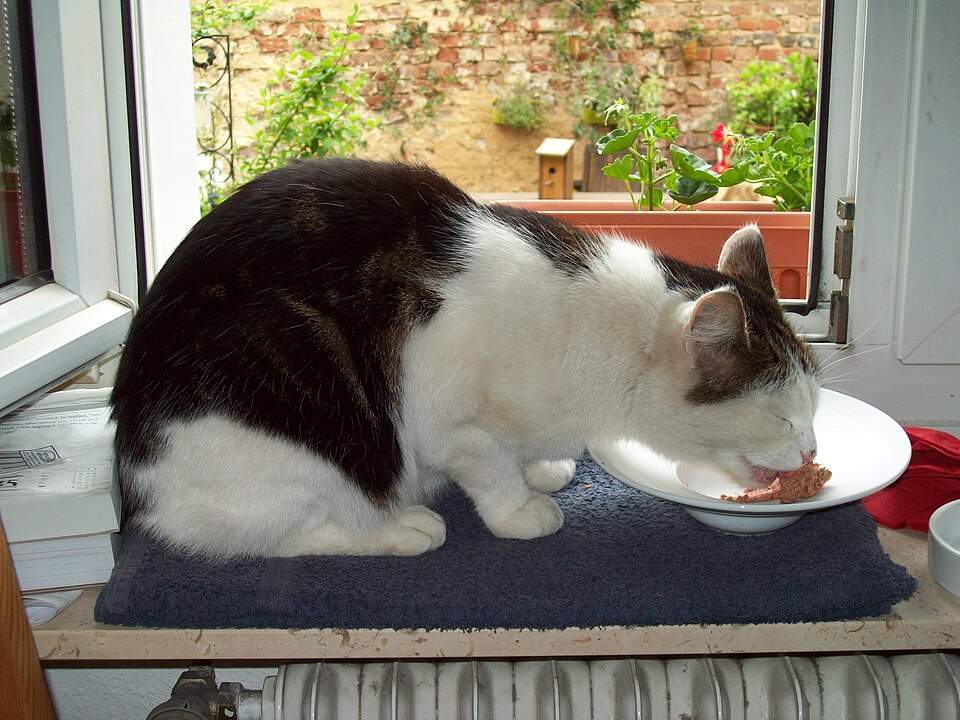
Cats love to look outside. But according to International Cat Care, large windows can confuse some cats: a cat sees the dangers in the yard or street but doesn't understand that it's safe indoors. Full-length glass also leaves nowhere to hide. In this case, the organization recommends placing a high perch near the window, where your cat can watch the outdoors from a safe position. A sheet of decorative film on the lower part of full-length glass also looks like a more solid defense to your cat.
Be careful with windows that open: International Cat Care recommends covering windows you open for fresh air with grilles if you don't want your cat to go outside. According to Cats Protection, any cat can fall; young cats, especially those under two, are at greater risk because they aren't afraid of jumping from heights. We covered window and balcony safety in our article on cat-proofing your home.
Things to keep in mind when setting up
- Think about the way down: According to International Cat Care, your cat should be able to get down easily from wherever it climbs; this matters especially for older cats with limited mobility.
- A halfway step: If a tall cupboard is hard to reach, put a lower piece of furniture next to it; your cat can then get up and down in two steps.
- Non-slip surface: Add a non-slip surface on top of shelves.
- Raise the bed: According to International Cat Care, many cats feel vulnerable sleeping on the floor; put your cat's bed in a raised spot.
- Different places: The organization also recommends spreading beds around different spots, such as warm, sunny, quiet and family areas.
- Encourage movement: Cats Protection says you can hide a small treat on the shelves to encourage your cat to move around more.
Height in multi-cat homes
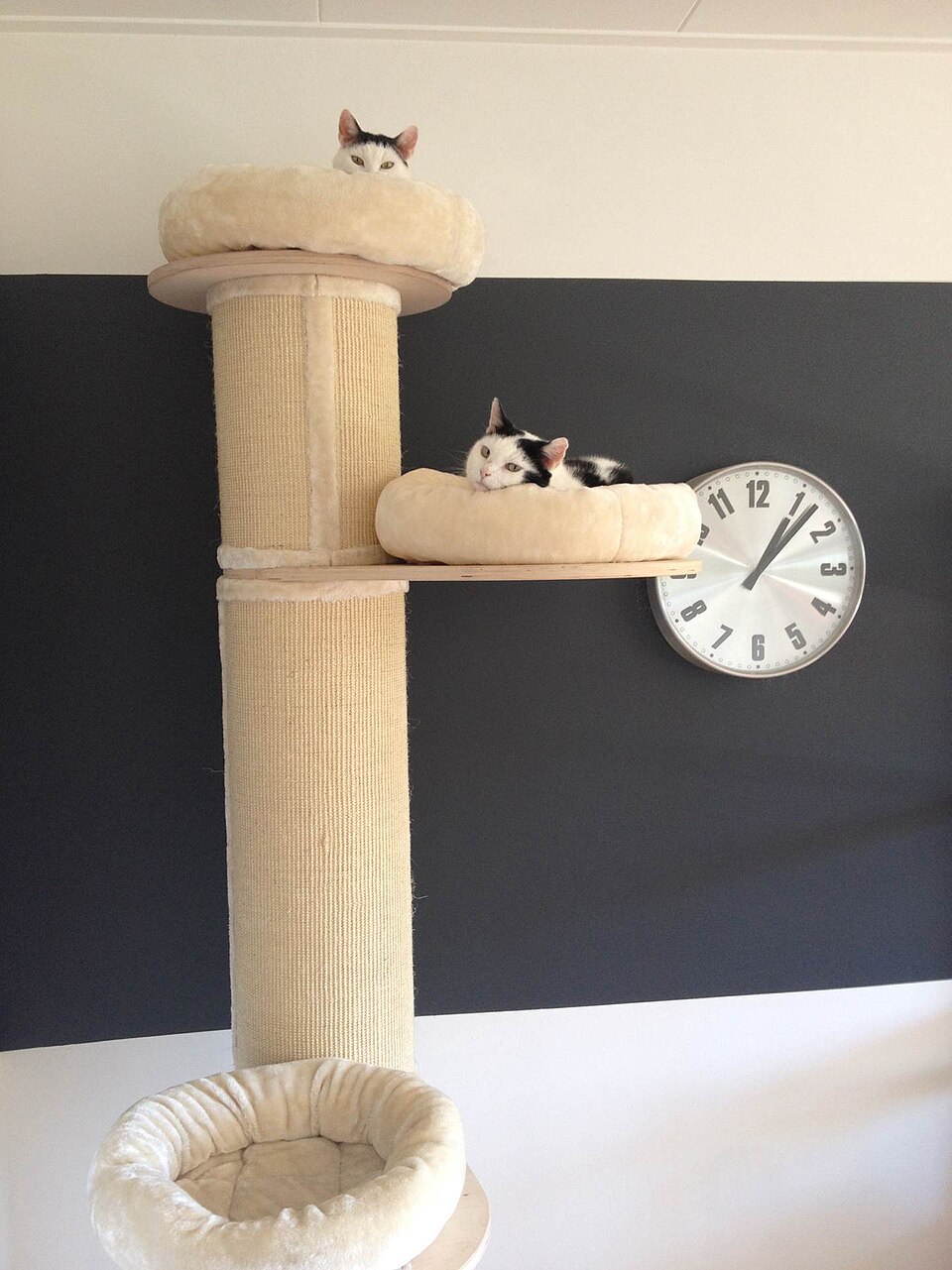
According to International Cat Care, cats don't share key resources with cats outside their own social group, and high resting places are one of those resources. The same formula used for food bowls, litter boxes and beds applies here too: one per cat, plus one extra, spread out around the home. So a home with three cats needs four separate high spots.
- Spread them around the home: Tall modular cat towers, wardrobes, cupboards, shelves and bookcases.
- Two ways in and out: If possible, make each high spot reachable from two sides, so one cat can't trap another up there.
- Discreet spots: Choose places where your cat can watch its surroundings without drawing attention to itself.
- If play gets rough: According to International Cat Care, high places help stop play fighting between cats from turning into a real fight; boxes and tunnels also give cats something to play around.
- Beds with more than one exit: The organization recommends beds with more than one way in and out, so cats don't block each other, and a mix of covered and open resting spots.
If you're introducing two cats, take a look at our article on introducing a second cat too.
Steps and ramps for older cats
According to International Cat Care, older cats also love looking outside and sleeping up high; but jumping can get harder. The organization's advice:
- Steps or a ramp: Put shallow steps or a gently sloping ramp up to your cat's favorite windowsill or sofa. The organization gives a homemade, carpeted ramp as an example.
- Soften the landing: For cats losing their balance and agility, put soft things under high spots; always pad the space under narrow windowsills.
- A wider surface: Where possible, encourage your cat to sleep on wider, more secure surfaces.
- Slippery floors: Put mats and runners on laminate, tile or wood floors.
- One floor: If stairs have become hard, gather all of your cat's things (food and water bowls, bed, litter box, scratching post, toys) on the floor where it spends the most time.
If your cat no longer jumps up to places it used to reach easily, is limping or moving stiffly, talk to your vet without delay. International Cat Care lists these among the signs that should be checked by a vet.
Leave a cat up high in peace
A high spot is your cat's sanctuary. International Cat Care recommends trying not to engage with your cat while it's up high; it should be able to watch its surroundings there unnoticed. The organization says the same about hiding places: unless you suspect your cat is unwell, don't disturb it where it has taken refuge.
Where does your cat hide at home, and which high spot is its favorite? Write these down in Tüylüm's Pet sitter note, so whoever looks after your cat while you're away knows where to look for it.
Frequently asked questions
A cat tree or shelves?
Either works. International Cat Care recommends offering different options: cat trees, shelves just for your cat, and the tops of cupboards and wardrobes. Start with whatever suits your home, and see which one your cat uses.
My cat climbs on top of the wardrobe. Should I stop it?
There's no need. International Cat Care counts the tops of cupboards and wardrobes among suitable high resting places. You can put a halfway step next to it so your cat can get up and down easily.
I only have one cat. Does it still need more than one high spot?
International Cat Care recommends giving a single cat different options for resting up high too. The organization also recommends spreading beds around the home; that way, your cat always has a choice.

Keep track of your pet's care in TüylümLog vet visits, vaccine and medication dates, and we'll remind you when it's time. Share it all with your family in Home.
Sources
- International Cat Care · Making your home cat friendly
- International Cat Care · Multi-cat households
- International Cat Care · Special considerations for senior cats
- International Cat Care · Making your garden cat friendly
- Cats Protection · Our guide to indoor cats
- RSPCA · Creating a good home for cats
By Tüylüm · Published and last checked: October 28, 2026. Spotted a mistake? Write to [email protected] and we'll fix it right away. Photos are from Wikimedia Commons, used under the license shown below each photo.