Choosing bird perches: different thicknesses, natural branches and the right spot
Birds spend most of the day on their feet, which means on a perch. Putting one straight dowel in the cage is easy and common, but according to the RSPCA, a good perch setup is more than that: perches of different thicknesses and natural materials, in different places. In this article we gather what the RSPCA, RSPCA Victoria and the RSPCA's guidance for zebra finches say about perches. If you see anything wrong with your bird's feet (redness, swelling, sores), talk to your vet instead of trying something yourself.
- Variety: According to the RSPCA, use natural wooden perches of different sizes and thicknesses, with smooth surfaces.
- Enough of them: There should be enough perches for every bird in the cage to perch at the same time.
- Angles and heights: Fix perches at different angles and heights to encourage flying and climbing.
- Position: Perches shouldn't sit over food or water containers, so droppings can't fall in.
- Too many is a problem too: Too many perches restrict flight.
Why isn't one perch enough?
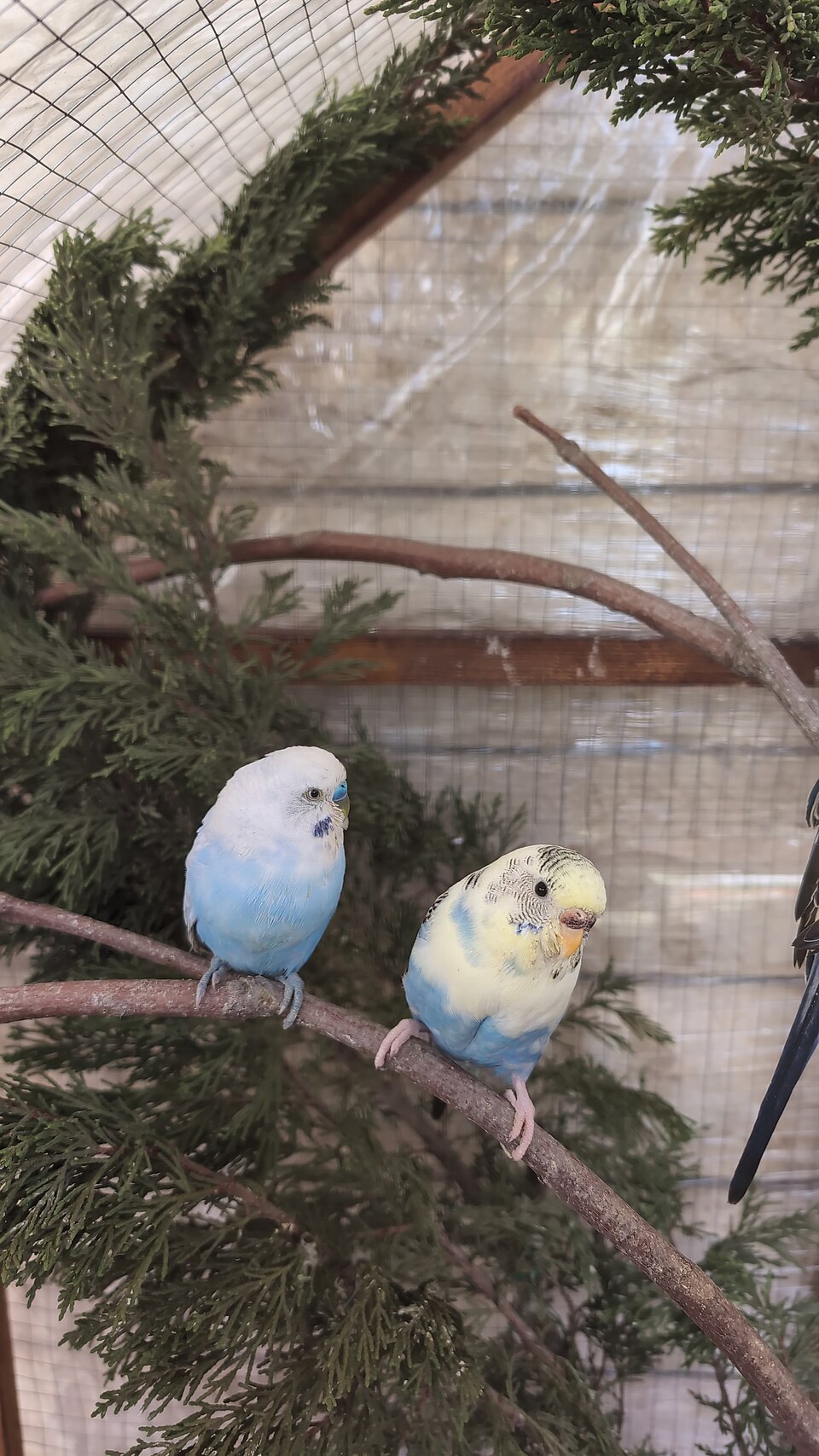
According to the RSPCA's environment page, a cage should have natural wooden perches of different sizes and thicknesses, with smooth surfaces. The charity also wants all birds in the cage to be able to perch at once and perches to be fixed at different angles, so birds can climb and are encouraged to fly.
RSPCA Victoria likewise recommends, for budgies, perches of different sizes, movable perches, ladders and similar items. The same page ends with a warning: too many accessories can entangle the bird.
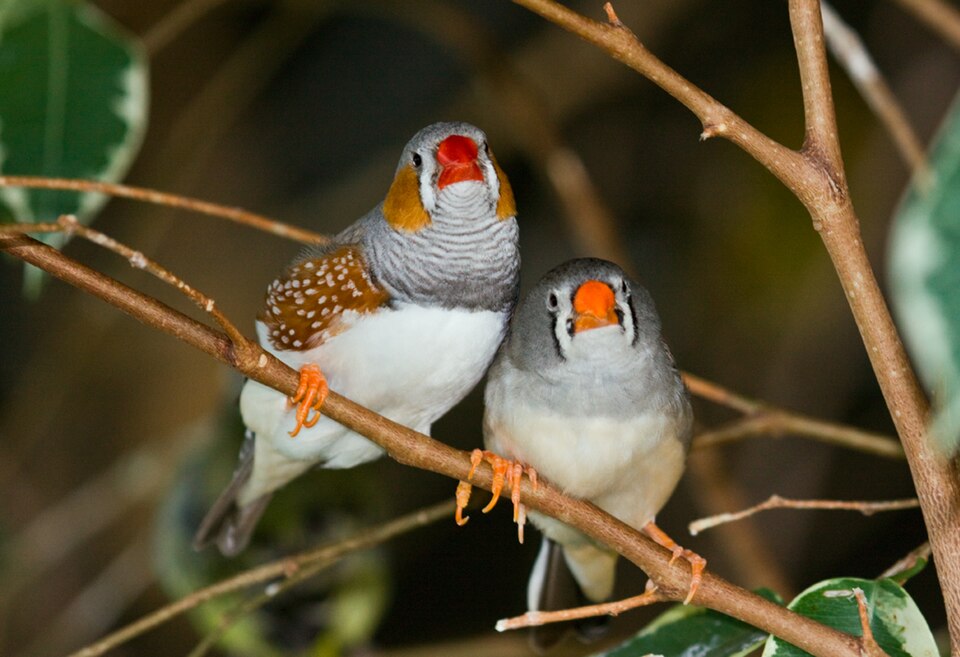
Our sources don't give a perch diameter for budgies or parrots. In the RSPCA's guidance written only for zebra finches, wooden dowelling 0.5 cm thick or, where possible, natural branches are suggested. Ask your vet which diameter fits your own bird's feet.
Natural branch or ready-made perch?
The RSPCA's enrichment page says perches can be made from unsprayed, bird-safe branches, and lists pine, elder and willow as examples. The same page says twigs from safe fruit or nut trees, with bark and leaves left on, work as both perches and toys.
What to watch for:
- Unsprayed branches: The RSPCA says "unsprayed." If you don't know whether a branch from the roadside or a garden was sprayed, don't use it.
- Know the tree: Pine, elder and willow are the RSPCA's examples. Because our sources disagree about other trees, we don't want to list species here; if you're unsure about a branch, don't give it to your bird, and ask a vet who sees birds.
- Smooth surface: The RSPCA recommends smooth perch surfaces.
- Replace the branch: Swap out natural branches that get chewed or dirty. For cleaning the cage, see bird cage cleaning.
Sandpaper perches and perch covers are common in pet stores. The sources we use in this article (the RSPCA and RSPCA Victoria) don't say anything about sandpaper perches, so we have no recommendation on them. If you notice redness, swelling or sores on your bird's feet, talk to your vet instead of trying something yourself.
Where should perches go?
The RSPCA makes the same point in both its environment page and its zebra finch guidance: don't put perches over food or water containers, because droppings will fall in. RSPCA Victoria also says food and water shouldn't sit under perches and that perches should be easy to take out for cleaning.
The RSPCA's zebra finch guidance adds some details. They're written for small finches, but the reasoning helps when thinking about other small birds too:
| What | According to the RSPCA's zebra finch guidance |
|---|---|
| Height variety | Perches should be at different heights; finches prefer to approach feeders or the ground by moving to progressively closer perches |
| A high perch | Some perches should be around 15 cm from the roof, for roosting |
| Some give | Perches attached at one end only, so they're slightly springy, give the birds exercise |
| Too many | Too many perches inhibit free flight |
| Material | 0.5 cm dowelling rods or natural branches where possible |
Perches outside the cage
The RSPCA says birds need enrichment outside the cage too; its page suggests climbing nets, ropes and ladders. For perches and play areas outside the cage, take a look at toys and enrichment for birds. We cover flying and safety outside the cage in safe out-of-cage time for birds.
If you see redness, swelling, sores or limping on your bird's feet, or it struggles to stay on the perch, talk to your veterinarian rather than trying anything yourself. This article doesn't describe foot conditions.
You can mark perch changes and cage cleaning as daily or weekly care tasks on the Today tab. If you notice something about your bird's feet, jot it down with the date in the Complaint log, add a photo, and show it to your vet with Show the vet.
Frequently asked questions
How many perches should I put in the cage?
The sources don't give a number. The RSPCA wants enough perches for every bird in the cage to perch at once, but too many perches also restrict free flight.
How thick should a perch be?
The RSPCA recommends perches of different sizes and thicknesses but gives no general measurement. Only for zebra finches does it describe 0.5 cm wooden dowelling or natural branches.
Can I cut a branch from the garden?
The RSPCA describes unsprayed branches from bird-safe trees and gives pine, elder and willow as examples. If you're not sure of the tree or whether it was sprayed, don't use it and ask your vet.

Keep track of your pet's care in TüylümLog vet visits, vaccine and medication dates, and we'll remind you when it's time. Share it all with your family in Home.
Sources
- RSPCA · Environment (pet birds)
- RSPCA · Enrichment (pet birds)
- RSPCA Research Animals Department · Zebra finches: Good practice for housing and care (2011)
- RSPCA Victoria · Birds
This article is for general information only; it is not a diagnosis or treatment advice and does not replace a visit to a veterinarian. Talk to your vet about decisions on your pet's health. By Tüylüm · Published and last checked: November 9, 2026. Spotted a mistake? Write to [email protected] and we'll fix it right away. Photos are from Wikimedia Commons, used under the license shown below each photo.