Zebra finch care: never alone, room to fly, and a bird to watch rather than handle
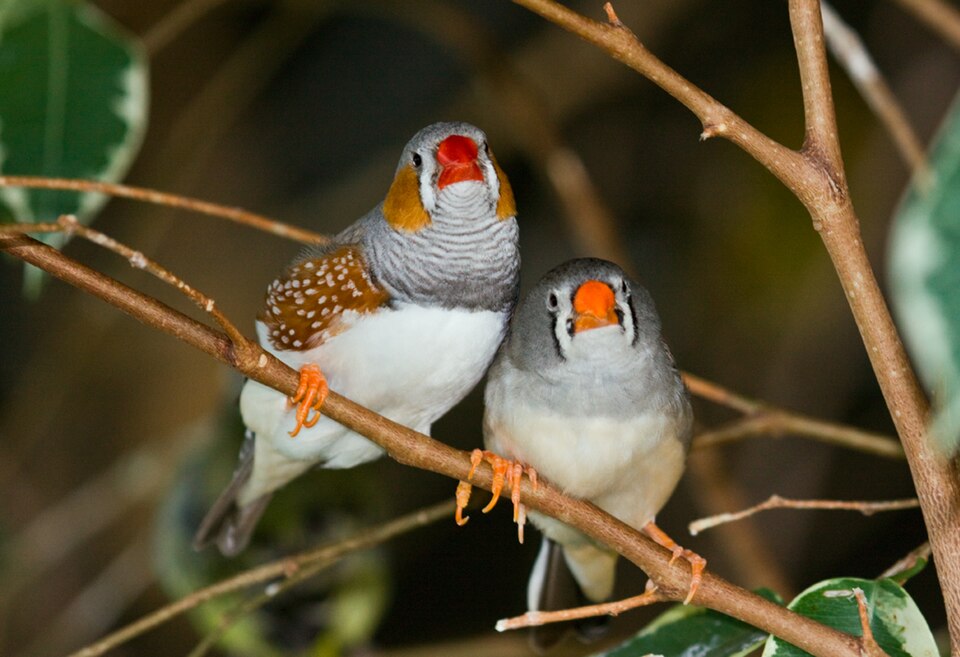
The zebra finch is one of the most popular cage birds, thanks to its small size and cheerful voice. But small doesn't mean "one cage is enough." According to guidance on zebra finches from the RSPCA's Research Animals Department, these birds are extremely social and live in flocks. We built this article on that guidance and on the RSPCA's pages on company, diet and enrichment for birds. The guidance was written mainly for birds kept in research, so we've only used the parts that carry over to a home. Talk to your vet about decisions on your bird's health and diet.
- Never alone: According to the RSPCA, the zebra finch is extremely social and gregarious, and shouldn't be housed singly without compelling scientific or veterinary justification.
- Plenty of space: A communal aviary is ideal; if space is limited, compromise on width but keep height and length so the birds can fly.
- Perches: At different heights, and not over food or water containers.
- Bathing: A water bath at least once a week.
- Floor: A solid floor with litter material; finches feed on the ground too.
- Sensitive to cold: According to the RSPCA, finches are sensitive to low temperatures.
A social bird
According to the RSPCA's guidance, zebra finches are found across most of Australia. In the wild they live in flocks of a few dozen to many hundreds, often mixed with other small birds. They are monogamous and form long-term pair bonds, kept up through behaviors such as mutual preening.
The RSPCA's page on company lists the zebra finch, like the budgie, among colony-living species: they can live in social groups with compatible birds in a large aviary or a large cage suited to the species. Each bird needs room to fly and to move away from the others.
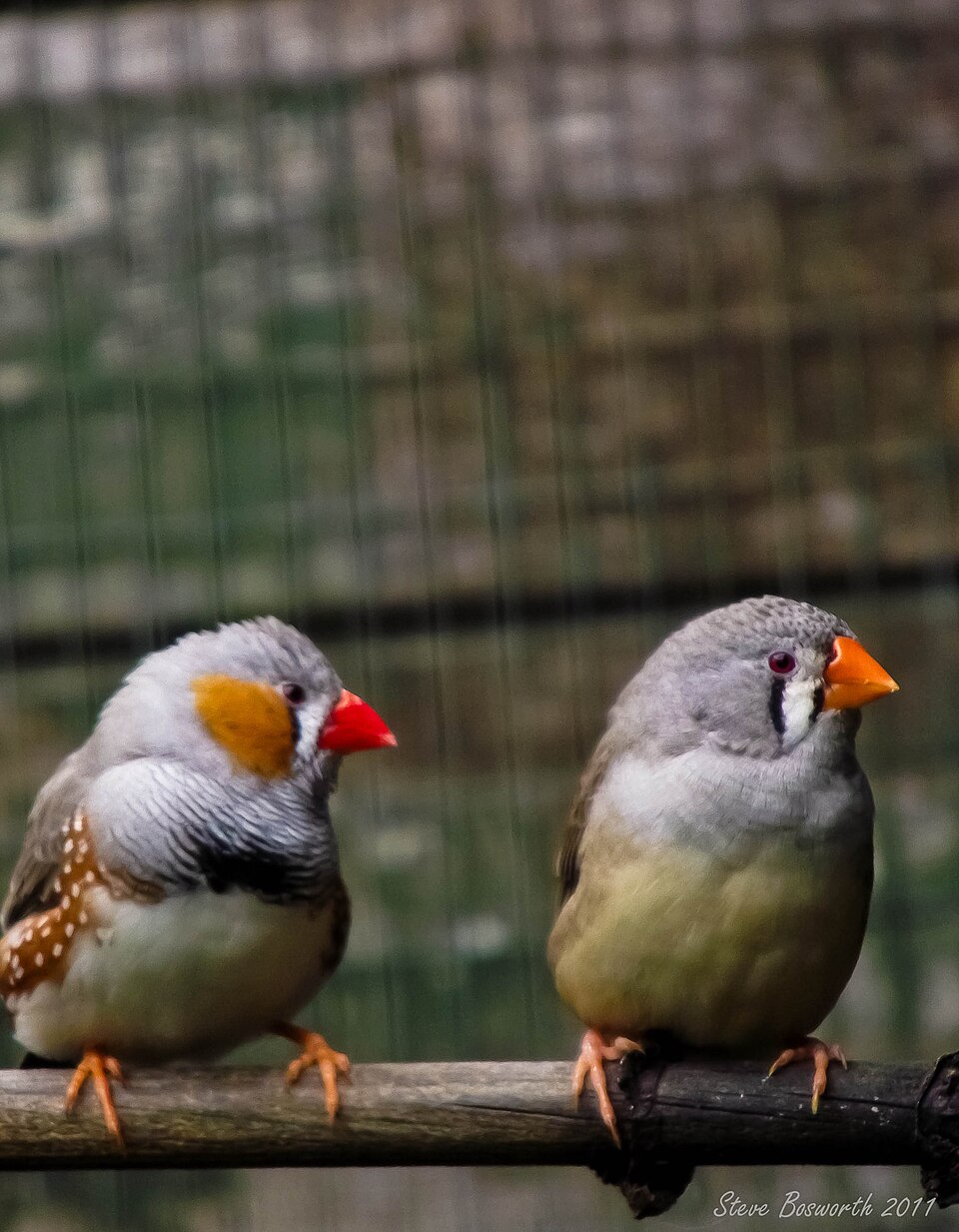
The RSPCA's guidance says plainly that a zebra finch shouldn't be housed singly. So "I'll get just one, and it will get used to me" isn't a good starting point for these birds. Keeping more than one also brings up breeding: the RSPCA notes that finches are prolific breeders and that rehoming unwanted birds may be necessary.
Cage or aviary
The guidance describes a communal aviary as the ideal way to house finches, since it ensures plenty of perching space at all times. If space is limited, it's usually best to compromise width but maintain height and length, because the birds need to be able to fly freely. Outdoor access is also good where possible, but birds housed in entirely outdoor aviaries need shelter and extra heating in winter.
Our source doesn't give a minimum cage size in centimeters, so we don't give a number either. What the guidance says is this: there should be enough space for the birds to fly, perch side by side and move away from each other.
For the floor, the guidance recommends solid flooring with litter material, because finches feed on the ground regularly. Suitable materials include bark chips, wood shavings or sand.
| Need | According to the RSPCA guidance |
|---|---|
| Social life | Never alone; groups or pairs |
| Flight | Even if width is compromised, keep height and length so birds can fly |
| Floor | Solid floor; litter such as bark chips, shavings or sand |
| Perches | At different heights; too many perches inhibit flight |
| Bathing | A water bath at least once a week |
| Outdoors | Outdoor access where possible, but shelter and extra heating in winter are needed |
Perches
Perches make zebra finches feel secure and give them exercise. According to the guidance they should be at different heights, because the birds prefer to approach feeders or the ground by moving to progressively closer perches. Some can sit around 15 cm from the roof for roosting. Too many perches make free flight harder, and perches shouldn't be placed over food or water containers. The charity suggests 0.5 cm wooden dowelling rods or, where possible, natural branches; perches attached at one end and slightly springy also give exercise. For more, see choosing bird perches.
Diet
According to the guidance, the diet of wild zebra finches is almost exclusively dried grass seeds, but captive birds do best on a varied diet. The RSPCA's mix includes foreign finch seed mix, a few live insects, mealworms and panicum millet sprays, offered in feeders and scattered on the floor.
There's a difference between our two sources: the finch guidance says fresh greens and soaked or sprouted seeds encourage birds to breed, so they shouldn't be supplied unless breeding is wanted. The RSPCA's general diet page, on the other hand, says canaries and finches benefit from good-quality pellets and fresh, washed greens such as dandelion or chickweed. Because of this difference, ask your vet which foods suit your bird and whether they might trigger breeding. For general information on diet, you can also see diet for budgies and small parrots; finches may need a different routine.
Bathing and enrichment
According to the guidance, zebra finches make good use of water baths, and these should be provided at least once a week. The RSPCA's enrichment page describes lightly misting birds every few days in the morning with plain, room-temperature water from a plant sprayer, which encourages preening. For bathing habits, see bird baths. Commercial swings, toys and other items designed for companion birds can add interest too.
A bird to watch, not to handle
The RSPCA guidance doesn't describe the zebra finch as a bird to be hand-tamed. All its care advice rests on how the birds relate to each other and to their surroundings: flock, pair bond, mutual preening, space to fly and feed. The guidance notes that disturbances such as catching and procedures can cause stress, which can be reduced by rewarding the birds with a treat like lettuce immediately afterward; if birds need to be caught regularly, reducing the amount of cover in the cage may help.
If you are looking for a bird that is hand-tame and rides on your finger, see our budgie care and bonding with your bird guides too.
Possible problems
According to the RSPCA's guidance, feather pecking in breeding birds may be caused by a lack of nesting material or by overcrowding, and overcrowding is easy to prevent. The guidance also says finches are sensitive to low temperatures and that hypothermia is a concern; birds kept outdoors need adequate shelter and heating.
If your bird is losing feathers, isn't eating, can't hold on to a perch or its behavior has changed, talk to your veterinarian rather than trying anything yourself. This article doesn't describe diseases.
If you have several finches, you can open a profile for each and mark daily care tasks like a water bath, refilling feeders and fresh water on the Today tab. If breeding happens, you can record the dates with Incubation.
Frequently asked questions
Can I keep just one zebra finch?
According to the RSPCA's guidance, zebra finches shouldn't be housed singly, because they're very social. Unless there's a compelling scientific or veterinary reason, there should be at least one companion.
How big should the cage be?
Our source doesn't give a measurement in centimeters. The RSPCA describes a communal aviary as ideal; if space is limited, compromise on width but keep height and length so the birds can fly.
Will it get used to my hand?
The RSPCA's guidance doesn't describe hand-taming; all its advice rests on how the birds relate to each other. Think of this bird mainly as one to enjoy watching.

Keep track of your pet's care in TüylümLog vet visits, vaccine and medication dates, and we'll remind you when it's time. Share it all with your family in Home.
Sources
- RSPCA Research Animals Department · Zebra finches: Good practice for housing and care (2011)
- RSPCA · Company (pet birds)
- RSPCA · Diet (pet birds)
- RSPCA · Enrichment (pet birds)
This article is for general information only; it is not a diagnosis or treatment advice and does not replace a visit to a veterinarian. Talk to your vet about decisions on your pet's health. By Tüylüm · Published and last checked: November 9, 2026. Spotted a mistake? Write to [email protected] and we'll fix it right away. Photos are from Wikimedia Commons, used under the license shown below each photo.