Dogs in cold weather: coats, staying visible in the dark, frozen lakes and antifreeze
The evenings get dark early; the after-work walk now happens in pitch darkness. Some mornings the sidewalks are icy; in some cities, snow covers everything. Winter doesn't look as frightening as summer heat, but it brings its own dangers: a dog a driver can't see, a hole hidden under the snow, a pond whose ice gives way, a puddle of spilled antifreeze in the garage. In this article, we've brought together winter advice from Dogs Trust, PDSA and the RSPCA.
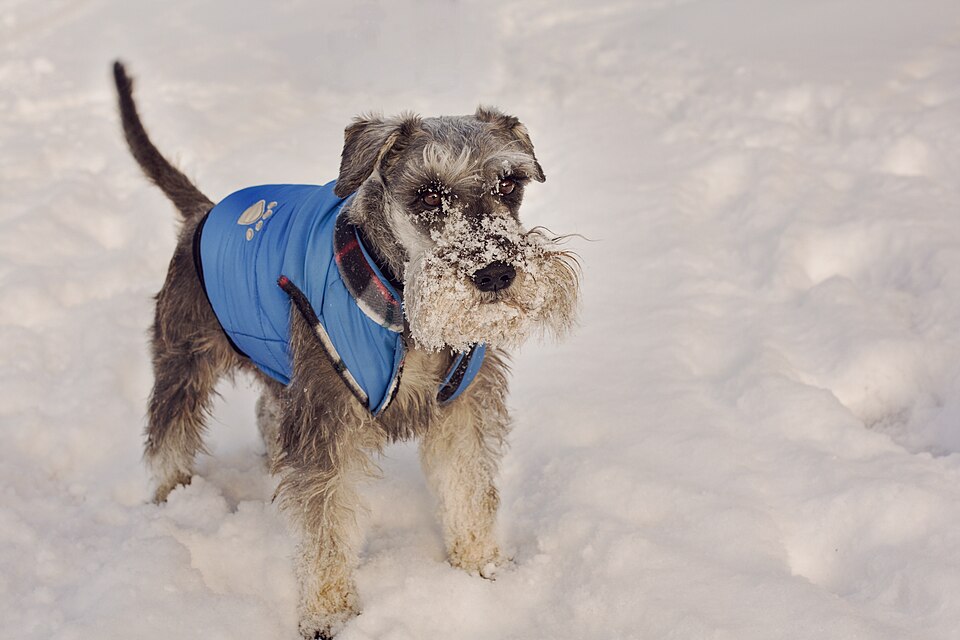
- Coats: Thick-coated dogs cope well with the cold; short-haired dogs, puppies and older dogs may benefit from a coat. Introduce the coat gradually, with treats.
- Be visible: In the dark, a reflective coat, a light-up collar, a reflective leash and a flashlight. Make sure you're visible too.
- On leash in snow and near water: Snow can hide holes; ice may not hold your dog's weight.
- Antifreeze: Highly poisonous to dogs. Store it out of reach and clean up spills right away. If you suspect your dog has licked some, don't wait for symptoms; call your vet immediately.
- Don't leave your dog in the car: In cold weather too. Don't leave your dog waiting in a cold car after a walk.
Which dogs feel the cold?
According to Dogs Trust and PDSA, some dogs have a thick coat all year round and cope well with the cold. Dogs Trust says letting these dogs' fur grow a little longer in winter can give them extra protection. But not every dog is so lucky. Dogs that may be more affected by the cold:
- Short-haired breeds (Dogs Trust, PDSA)
- Puppies and older dogs (PDSA)
- Sighthounds: According to PDSA, breeds like greyhounds, lurchers and whippets particularly enjoy an extra layer.
According to PDSA's hypothermia page, very young, old, small, skinny or unwell animals find it harder to keep their body temperature up. A dog who stays wet also gets cold faster. That's why PDSA recommends taking a towel on walks, so you can dry your dog off straight away if they get wet.
Getting your dog to like a coat
A coat is a new experience for many dogs. Dogs Trust recommends getting them used to it with treats, without forcing it:
- Put it on the floor. Lay the coat on the floor with a few treats on it, and let your dog sniff it. Praise any interest.
- Head first. Lift the coat and offer a treat through the neck opening. Gradually move your hand back so your dog pushes their nose and mouth through the opening.
- Then the body. Once they're comfortable putting their head through, place the coat on their back, keeping up the treats and praise. If your dog pulls away, take the coat off, still give the treat, and try again another time, going back a step if needed.
- Let them wear it around. While the coat is on, scatter treats on the floor. This helps your dog get used to how the coat feels and moves.
According to Dogs Trust, if you repeat this each time the coat goes on, your dog may start looking forward to wearing it.
Be visible in the dark
On winter evenings, much of your walk may happen in the dark. Dogs Trust wants your dog to be visible to both drivers and other dog walkers.
- For your dog: A coat with reflective strips, a flashing (LED) collar or a small light that clips onto the collar (Dogs Trust, PDSA). The RSPCA also says that in the dark countryside, a reflective collar or coat helps drivers, wildlife and other dog walkers see you.
- The leash: PDSA recommends hi-vis leashes.
- For you: A flashlight (PDSA), a good coat and suitable shoes (Dogs Trust). You need to be just as visible as your dog.
- Equipment checks: According to Dogs Trust, wet weather can rust metal clips; check leashes, collars, harnesses and clips from time to time. Cold fingers get clumsy, so clip the leash on before you leave the house.
- Is it comfortable? Whatever you choose, make sure it suits your dog and doesn't bother them.
Snow and ice: think before unclipping the leash
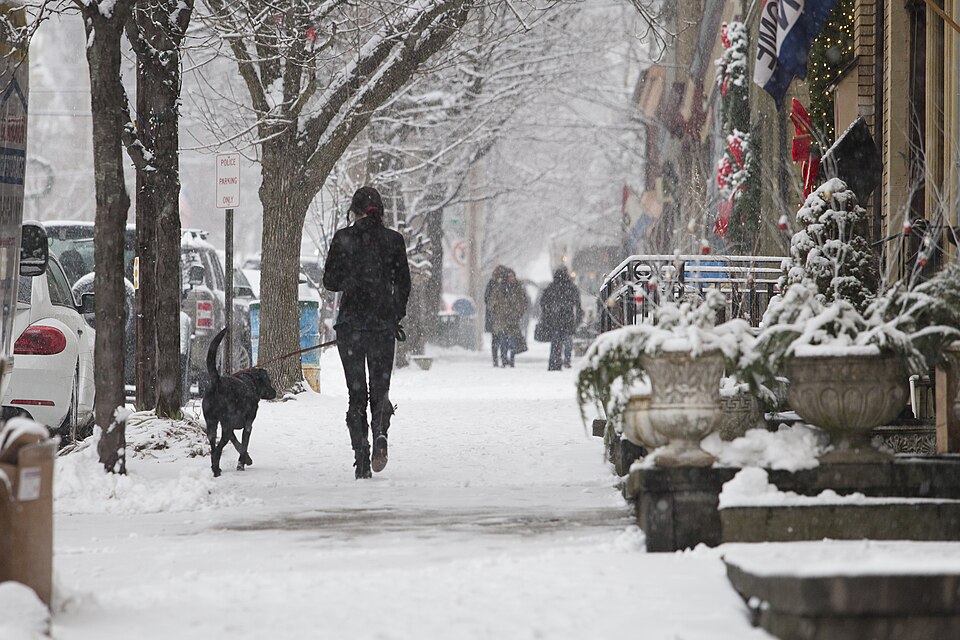
- Snow hides the ground. Dogs Trust recommends keeping your dog on a leash in the snow: it can hide unsafe ground, deep drifts and holes.
- Ice is slippery. According to PDSA, icy ground is as slippery for dogs as it is for us. Watch your step.
- ID. Dogs Trust recommends that your dog wears a collar with an ID tag and that their microchip record is up to date: PETVET registration and microchips.
- Indoors on the harshest nights. PDSA recommends keeping dogs indoors on very wintry nights.
Frozen lakes and ponds
A frozen lake can look to a dog like a track to run on. According to Dogs Trust, the ice may not be thick enough to hold your dog's weight. PDSA also recommends keeping your dog on a leash near frozen water.
Dogs Trust's warning is clear: if your dog breaks through the ice and falls into the water, don't go in after them. If possible, call your dog so they swim back toward you, and call the emergency services (112 in Turkey).
Antifreeze, road salt and winter hazards at home
Antifreeze is winter's sneakiest danger. According to Dogs Trust and PDSA, it's highly poisonous to dogs; PDSA says it can be fatal if swallowed. Store antifreeze and other chemicals out of your dog's reach, and clean up spills quickly and thoroughly.
According to PDSA, if you suspect your dog has licked antifreeze, don't wait for symptoms to appear; call your vet right away and take your dog in.
- Road salt and grit: According to Dogs Trust, the grit spread on roads and the damp can irritate your dog's skin; wipe their legs, paws and belly after walks. For more on paw care: dog grooming and paw care.
- Holiday plants: According to PDSA, holly, ivy and poinsettia are toxic if eaten. Keep these plants out of your dog's reach.
Staying active in winter
When evenings get dark early and parks close at dusk, walks can get boring. Dogs Trust suggests:
- New streets: Different routes give your dog new sights, sounds and smells.
- Turn walks into training: Ask for a trick they know on each street and reward it, lay trails of treats to sniff out, and use treats to guide them around benches and lampposts. Do all of this on the leash.
- Games at home: Hide and seek and "find it" games are good mental exercise: sniffing games.
- Bad-weather days: Long-lasting chews, rubber toys you can fill with food, and enrichment games.
PDSA has a reminder: if bad weather means your dog is moving less, they should eat less too. Talk to your vet about how much to cut back.
When you get home
- Dry them off. Towel-dry your dog if they got wet (PDSA).
- A warm bed. PDSA recommends a comfy bed in a draft-free spot, extra blankets, and raising the bed off the floor to keep out cold drafts.
- Don't lock them outside. According to PDSA, your dog should always be able to come inside and warm up.
- Don't leave them in the car. According to Dogs Trust, never leave your dog in a car, whether it's hot or cold outside. After a walk, PDSA recommends dropping your dog off at home rather than leaving them in a cold car.
According to PDSA, a dog who is very cold may show shivering (which can stop as the cold gets worse), drowsiness, confusion, clumsiness, pale gums or collapse. If you see these signs, move your dog somewhere warm, dry them if they're wet, wrap them in a blanket and call your vet without delay. PDSA recommends having your dog checked even if they seem to recover.
If you save your clinic's details in Tüylüm's My vet section, you can call your vet with one tap in an emergency. If winter walks are getting shorter, you can keep an eye on your dog's weight with Weight tracking.
Frequently asked questions
My dog has a very thick coat. Do they still need a coat?
Every dog's needs are different. According to Dogs Trust and PDSA, thick-coated dogs cope well with the cold; coats help most for short-haired dogs, puppies and older dogs. For thick-coated dogs, Dogs Trust suggests letting their fur grow a little longer in winter. To be visible in the dark, though, something reflective helps every dog.
Should I feed my dog less in winter?
According to PDSA, if your dog is moving less because of the weather, they should eat less too. How much depends on your dog; talk it over with your vet.
What should I do if my dog falls into a frozen pond?
According to Dogs Trust, don't go into the water or onto the ice after them. If possible, call your dog so they swim toward you, and call the emergency services (112 in Turkey). Best of all is never getting to that point: keep your dog on a leash near frozen water.

Keep track of your pet's care in TüylümLog vet visits, vaccine and medication dates, and we'll remind you when it's time. Share it all with your family in Home.
Sources
- Dogs Trust · How to keep your dog safe and warm in cold weather
- Dogs Trust · How to get your dog used to wearing a coat
- PDSA · PDSA's winter advice to keep your pet safe through the cold season
- PDSA · Hypothermia in pets
- RSPCA · How to walk your dog safely and responsibly
By Tüylüm · Published and last checked: October 28, 2026. Spotted a mistake? Write to [email protected] and we'll fix it right away. Photos are from Wikimedia Commons, used under the license shown below each photo.