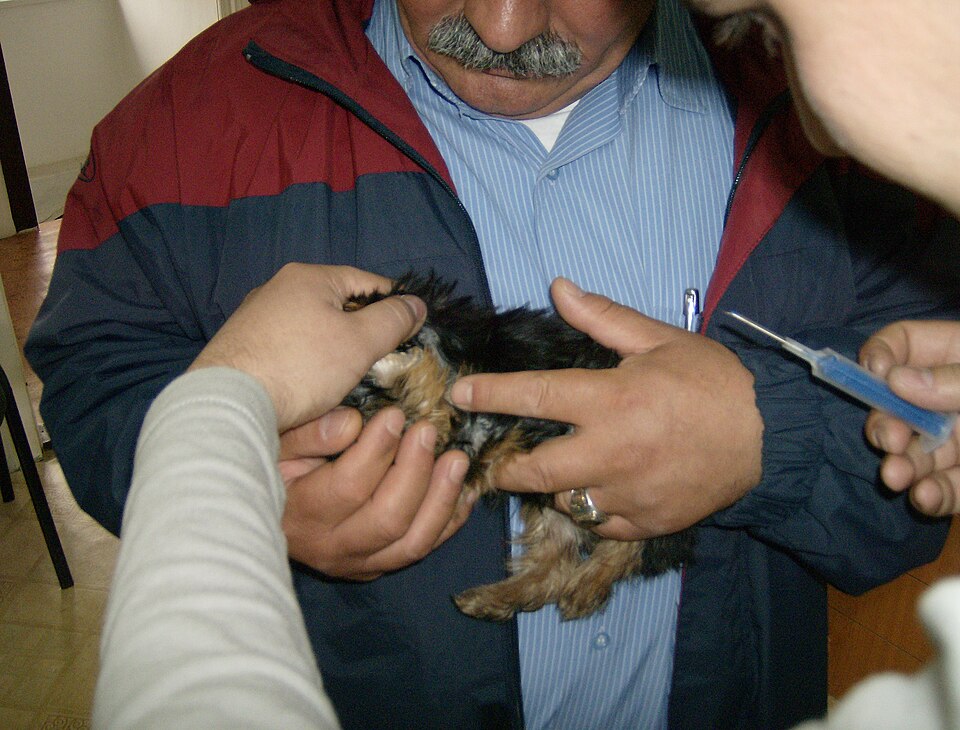
Why is your dog barking? Finding the cause and calming things down without punishment
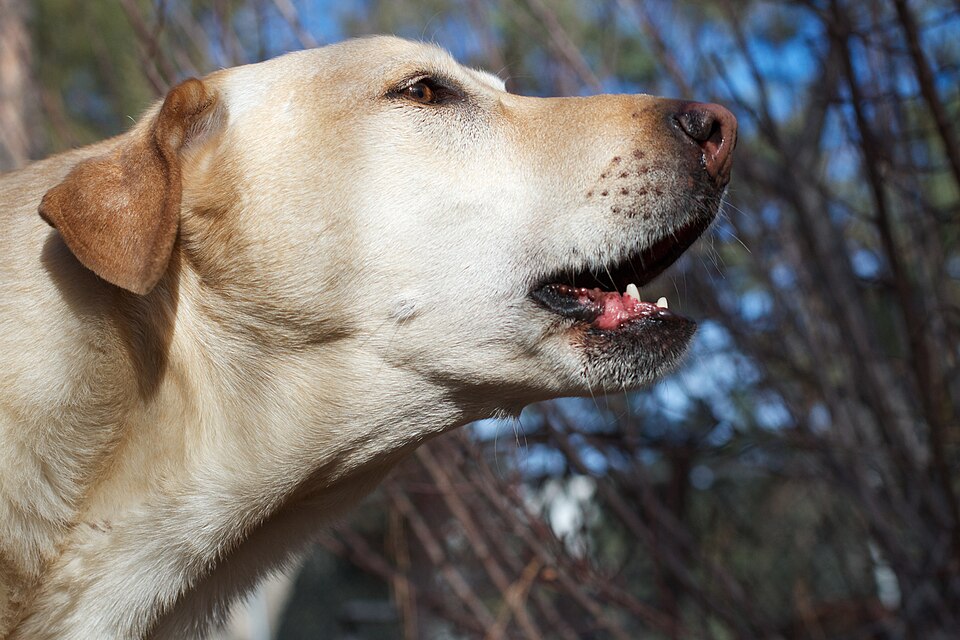
The doorbell rings and your dog rushes to the door. The barking doesn't stop until the delivery driver is back down the stairs. Or you're on the phone and your dog goes "woof!" right next to your ear. Barking can be tiring, and sometimes annoying enough to sour things with the neighbors. But as the RSPCA points out, barking is a form of communication and completely normal for dogs. The real question isn't "how do I make it stop" but "what is my dog telling me."
- Barking is normal: According to the RSPCA, dogs bark to express excitement, frustration, boredom or fear. According to PDSA, expecting a dog never to make a sound isn't realistic.
- Cause first: Dogs Trust recommends a barking diary where you note when, where and what was happening when your dog barked.
- Reduce triggers, reward calm: Block the view, distract your dog before barking starts, and reward quiet moments.
- No punishment: Telling off and anti-bark collars don't solve the problem; they can increase anxiety.
- New or sudden barking: Talk to your vet first.
Why do dogs bark?
According to Dogs Trust, dogs mostly bark for one of two reasons: to make something good happen or to make something bad stop. Breed history, personality, past experiences, genetics and health all play a part too.
An example: the delivery driver was going to drop off the package and leave anyway. But from your dog's point of view, the barking chased them off. According to Dogs Trust, alert barking often comes from anxiety, and each time the "threat" leaves, the habit gets a little stronger. Attention barking works in a similar way: if barking gets a reaction, even a telling-off, your dog keeps barking.
The main causes listed by Dogs Trust and PDSA:
| Barking | Usually when? | What can you do? |
|---|---|---|
| Alert / territorial | People passing the window, the door, deliveries | Block the view, reward calm |
| Attention-seeking | Mealtimes, when you're busy | Don't react while they bark; give attention once they're quiet |
| When left alone | When you leave the house | Teach time alone step by step, get support |
| Fear / stress | Other dogs, strangers | Don't force them to face it; get expert support |
| Excitement / play | During play, high-pitched | Usually harmless, but it can escalate; keep an eye on it |
| Pain / health | Barking that's new or sudden | Talk to your vet |
If your dog has suddenly started barking when they didn't before, if their barking has clearly increased, or if they've suddenly become sensitive to sounds, talk to your vet without delay. According to the RSPCA and Dogs Trust, health problems such as hearing or sight loss, or pain, can be behind barking.
Less barking, step by step
Dogs Trust's approach has seven steps:
- Learn your dog's body language. Noticing that your dog is getting tense before they bark makes everything much easier: dog body language.
- Find the triggers. Keep a barking diary: when, where, what was happening? After a few days, you'll start to see a pattern.
- Reduce the triggers. Change the environment and the daily routine: curtains, where the furniture is, walk times.
- Reduce stress and meet their needs. Enough physical and mental exercise. According to Dogs Trust, after a stressful day a dog may bark more easily at every trigger for 24–48 hours; on those days, avoid triggers and give plenty of rest and fun activities.
- Reward calm. Catch quiet, calm moments and reward them. Distract your dog with a toy, a game or a treat before barking starts.
- Teach something else instead. Behaviors like sniffing out treats, sit, down, stay, go to bed and settle can take the place of barking.
- Get expert support. Especially if fear is involved. Dogs Trust says forcing a dog to "face their fear" can make things worse.
The RSPCA says a regular day helps too: when mealtimes, playtimes and exercise times are predictable, your dog may bark less at other times. Dogs need exercise, activities and company; according to the RSPCA, a bored dog may bark more. PDSA recommends at least two good walks a day; some breeds may need around two hours of exercise a day.
Common situations at home
The window
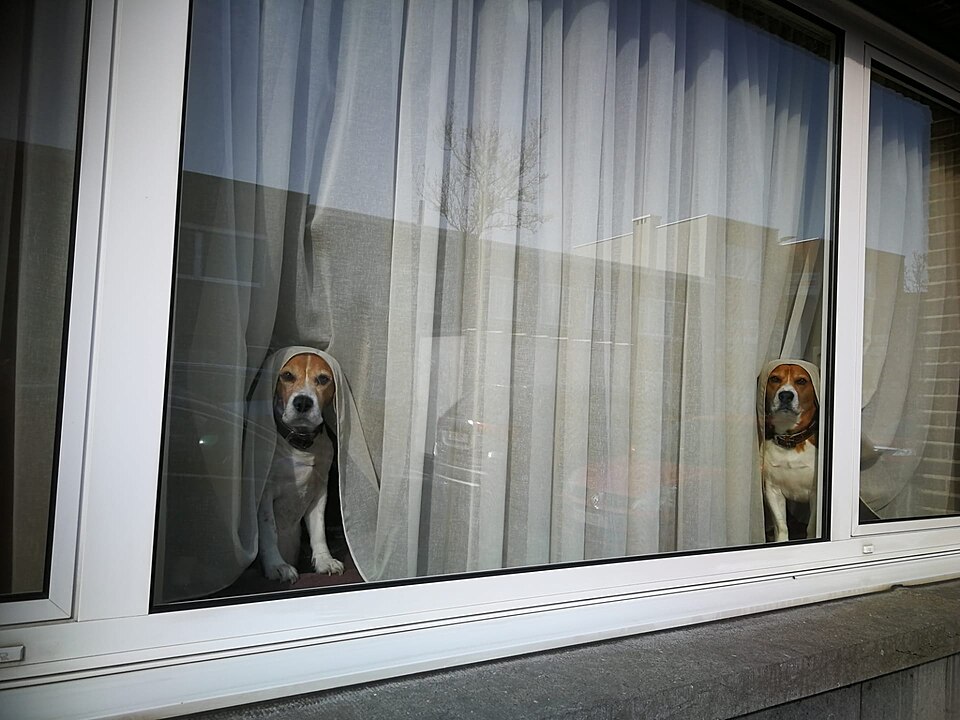
- Block the view. Dogs Trust recommends closing the curtains or putting frosted film on the glass. The RSPCA also recommends limiting your dog's access to windows and the yard so they see fewer passers-by.
- Block access to the window. Use a baby gate or a playpen, and move the furniture.
- Plan ahead. Be ready for predictable triggers, like the time the garbage truck comes by; mask outside noise with a radio.
The doorbell and deliveries
Dogs Trust suggests:
- Note delivery times and use parcel tracking; if possible, send packages to a pickup point.
- Ask visitors to call you instead of ringing the bell or knocking.
- Give your dog a safe spot they can retreat to.
- Stay calm yourself. According to Dogs Trust, your energy affects how your dog reacts.
The yard
Tell your neighbors your dog is in training. Block the view with screens or plants, choose quieter times, and cut back yard time after stressful days. Dogs Trust recommends supervising your dog in the yard and bringing them inside if they look on high alert.
Nighttime
Dogs Trust recommends a consistent bedtime routine, a toilet trip before bed, white noise or a radio, and a comfortable bed. If nighttime barking is new, talk to your vet.
When left alone
According to Dogs Trust, don't just leave a dog who barks when alone in the hope that they'll stop. Teach time alone gradually, and get support from your vet and an expert. For a step-by-step method: separation anxiety.
Why doesn't punishment work?
According to Dogs Trust, telling your dog off can make them think you're joining in with the barking, or make them afraid of you. PDSA also says attention, even negative attention, can reinforce barking: if your dog is barking for attention, don't look at them, speak to them or react; and don't get angry.
But ignoring isn't the answer to every kind of barking. According to Dogs Trust, if your dog is barking for a reason other than attention, ignoring it can make the barking more intense at first. In those cases, deal with the cause and reward calm.
Dogs Trust recommends avoiding anti-bark collars: they often punish the wrong behavior, can increase anxiety and don't change the emotion behind the barking. Shock collars can cause burns and injuries. A muzzle isn't the answer either: a dog wearing a correctly fitted muzzle can still bark, and the reason for the barking doesn't go away.
When should you get support?
PDSA recommends acting early: the longer a dog goes without help, the harder the problem becomes to solve. According to PDSA, the order is:
- Your vet first: Especially if the barking started suddenly or is getting worse, to rule out health causes.
- An accredited trainer: If you're struggling to train your dog on your own.
- An accredited behaviorist: If your dog has suddenly started reacting to lots of things, or struggles to be left alone.
The RSPCA also says that, when needed, a clinical animal behaviorist can put together a plan tailored to you and your dog.
For the regular day the RSPCA recommends, you can track daily care tasks like meals and walks on Tüylüm's Today tab. If more than one person looks after your dog at home, My home lets everyone see whether the walk has been done.
Frequently asked questions
My dog won't stop barking when the doorbell rings. What can I do?
Dogs Trust suggests: ask visitors to call instead of ringing the bell, keep track of delivery times in advance, give your dog a safe spot to retreat to, and stay calm yourself. Reward the moments when your dog stays calm.
Does ignoring the barking work?
Only if your dog is barking for attention. Dogs Trust recommends ignoring attention barking and giving attention once your dog is quiet. But if your dog is barking because they're scared, left alone or for another reason, ignoring it can make the barking worse at first; then, deal with the cause.
My neighbor's dog barks all the time. What should I do?
The RSPCA recommends talking to the dog's owner first; they may not know. Dogs Trust also recommends keeping the conversation calm, friendly and informative. According to the RSPCA, if talking doesn't work, you can contact your local council.

Keep track of your pet's care in TüylümLog vet visits, vaccine and medication dates, and we'll remind you when it's time. Share it all with your family in Home.
Sources
- Dogs Trust · Barking: causes, triggers and how to help
- RSPCA · How to stop your dog barking too much
- PDSA · Vet Q&A: Why does my dog keep barking?
By Tüylüm · Published and last checked: October 28, 2026. Spotted a mistake? Write to [email protected] and we'll fix it right away. Photos are from Wikimedia Commons, used under the license shown below each photo.