Ferret-proofing your home: tiny holes, washing machines and recliner mechanisms
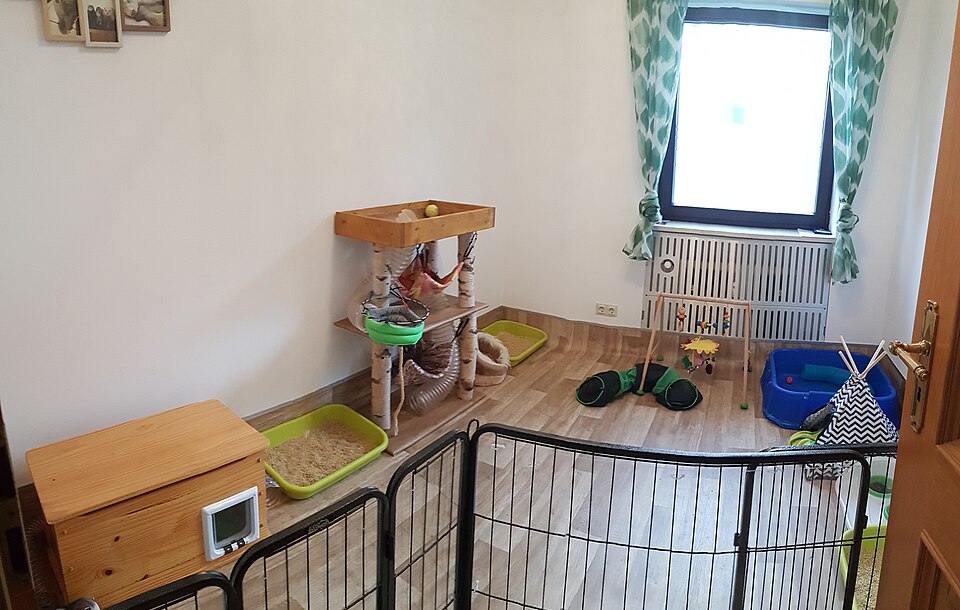
On its very first day in a new home, a ferret maps the place better than you ever could. It finds the torn lining under the couch, the gap behind the fridge, the space under the door. The Merck Veterinary Manual describes ferrets as "extremely curious, almost fearless and very persistent," and adds that they can open zippers and unscrew bottle caps. The American Ferret Association (AFA), meanwhile, says ferret-proofing your home is as important as childproofing it. The good news: most of the dangers can be spotted in advance.
- Seal the holes: Merck recommends sealing holes larger than about 2.5 cm in walls, floors, vents and appliances.
- Check before you run a machine: Ferrets can fall asleep in the laundry and end up in the washer or dryer.
- Recliners and sofa beds: According to the AFA, a deadly hazard. Don't operate the mechanism unless you know where your ferret is.
- No rubber or foam: Items like erasers, rubber bands, foam and balloons can cause intestinal blockage if swallowed.
- Supervision: Whenever you can't keep an eye on your ferret, put it in its safe area.
Why so much preparation?
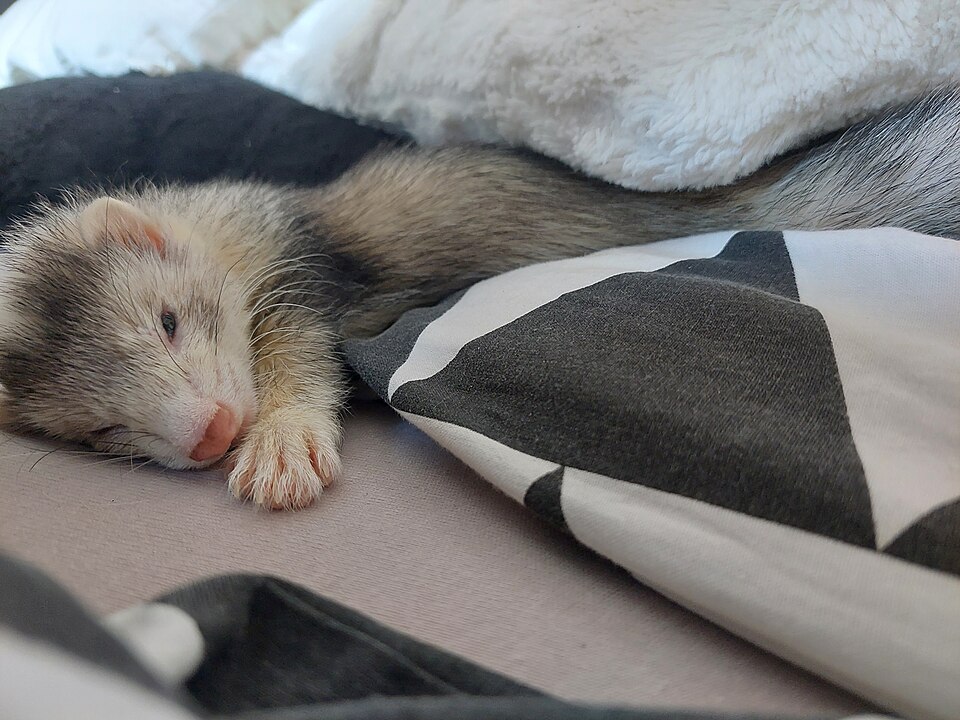
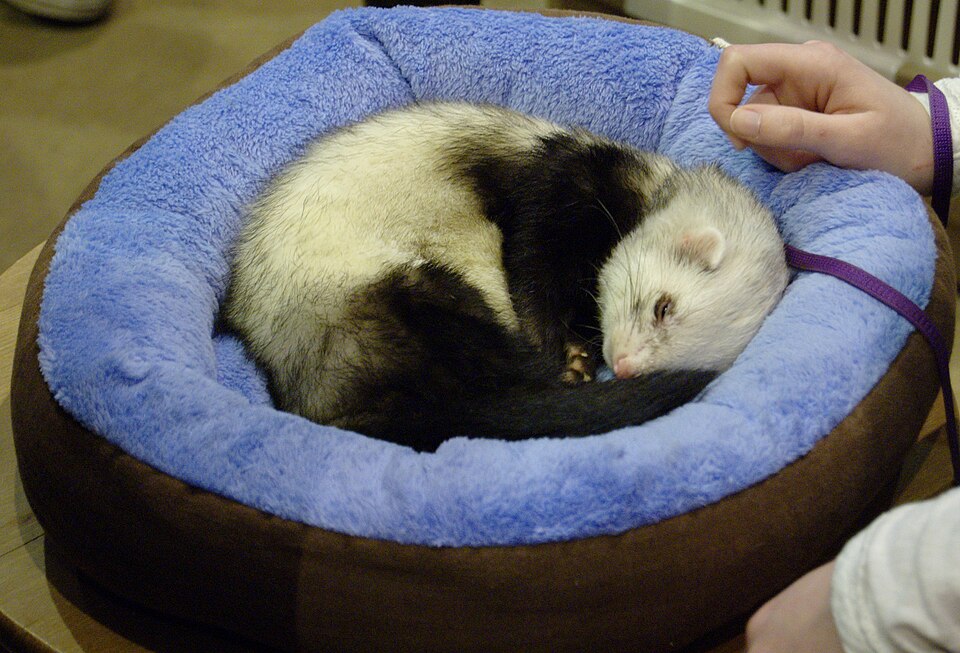
According to RSPCA Australia, ferrets explore every corner of the home, pick up the items they find and often swallow them, chew anything that fits in their mouths and sleep in the most unlikely places. Merck also says these traits can lead to serious injury, and even death.
According to the AFA, the job is never done in one go: ferrets pick up new skills over time, and just when you think you've covered everything, they find a new way. The AFA suggests introducing your ferret to a new room for the first time while watching closely; grab a book, get comfortable and watch it explore.
- See it through your ferret's eyes: Merck suggests getting down low and looking around from a ferret's eye level.
- Find the narrow gaps: Behind furniture, around radiators and pipes, and especially gaps that gradually narrow; a ferret can disappear or get stuck in these.
- Seal the holes: Cover holes larger than about 2.5 cm with wire mesh; according to Merck, ferrets can pull off tape.
- Lock the cupboards: Put locks on drawers and cupboard doors. According to Merck, even childproof locks aren't always enough.
- Decide on off-limits rooms: According to the AFA, the laundry room and the garage aren't suitable for ferrets; it's perfectly normal to keep some rooms closed off completely.
Doors, windows and escape routes
- Doors: Merck suggests checking where your ferret is before you open a door, and fitting a door sweep or strip to gaps under doors. The AFA also says small ferrets can squeeze under doors, and that the gap can be closed with a thin strip of wood.
- Windows: According to Merck, ferrets can tear window screens, so keeping windows closed is safest. According to the AFA, metal screens are sturdier than plastic ones; but if your ferret is alone in the room, the window should be closed.
- Hidden holes: The AFA recommends that vent covers in the floor and low on the walls be screwed in place. The ring where the pipe enters the wall behind the toilet often hides a bigger hole, too; a ferret can get inside the wall through it.
- Stairs and balconies: RSPCA Australia lists open-railed staircases and balconies among the hazards and recommends keeping ferrets away from them.
We've explained why sealing off escape routes matters so much, and how a microchip protects against getting lost, in before getting a ferret.
Washing machines, dryers and the kitchen
According to Merck, ferrets are known to fall asleep in laundry and end up in washing machines or dryers, and to crawl into an open fridge or oven and get trapped. The AFA considers laundry rooms unsuitable for ferrets because of the machines, the dryer vent hoses and the cleaning products.
- Check laundry piece by piece before putting it in the machine. According to the AFA, ferrets love sleeping in laundry baskets; don't empty the basket straight into the machine.
- Look inside the dishwasher, fridge and oven before closing or running them (Merck, AFA).
- Check the drawer under an electric oven too; according to the AFA, a ferret looking for a warm spot may curl up there.
- Check trash bags before throwing them out (AFA).
According to the AFA, the kitchen is full of unsuitable foods, sharp tools and large appliances. Your ferret shouldn't be able to get under the oven, dishwasher or fridge, or open cupboards and drawers even a crack. RSPCA Australia, for its part, recommends keeping ferrets out of the kitchen entirely. Don't leave food on the table or counter; for what not to give your ferret, see ferret nutrition.
Couches, beds and rugs
According to the AFA, recliners and sofa beds are a deadly hazard for ferrets: the mechanism can easily cause serious injury or death. If you can't find your ferret, don't operate the mechanism at all. Merck also recommends removing these chairs from the home or making them stationary.
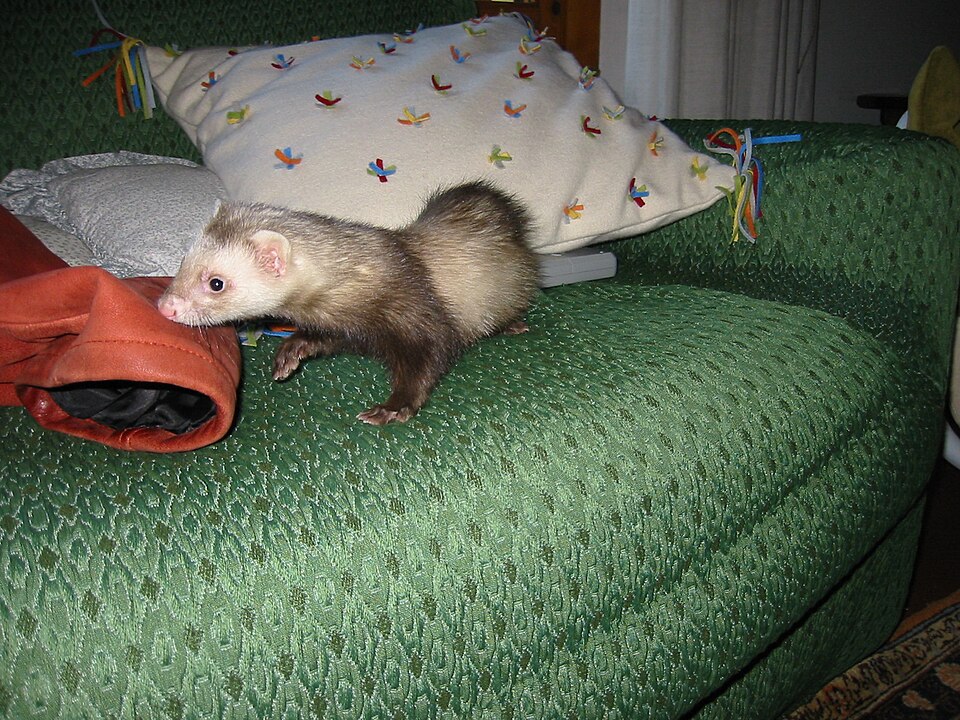
- Couches and armchairs: According to the AFA, ferrets can claw through the lining on the underside of chairs and climb in among the springs. Merck reminds you that a ferret can get sat on and recommends checking the cushions before you sit. The AFA suggests removing the bottom lining and fastening a piece of oilcloth or thin plywood cut to size in its place.
- Rocking chairs: The AFA asks that they be used with great care.
- Beds: According to the AFA, ferrets can easily tear the fabric under a box spring; Merck also reminds you that a ferret can be crushed when someone lies down on the bed. Both recommend covering the underside of the bed base with tightly stretched fabric.
- Rugs: According to Merck, ferrets love tunneling under rugs and can get stepped on; walk carefully on rugs.
- Guests: The AFA suggests warning guests about your ferret, and especially about recliners.
Cables, outlets and hot things
The RSPCA wants a ferret's living space to be free of electrical cables it could chew. Merck and RSPCA Australia recommend plastic cable protectors for cords. According to the AFA, bitter-tasting sprays can discourage chewing; but only spray when the cord is unplugged and your ferret isn't nearby.
- Outlets: The AFA recommends the outlet covers sold for childproofing.
- Plug-in air fresheners: According to the RSPCA and the AFA, they're both an electrical hazard and potentially toxic if swallowed; keep them out of your ferret's reach.
- Candles and incense: According to the AFA, they can cause serious burns; don't burn them anywhere your ferret can reach.
- Fans: The AFA asks you to make sure little paws can't reach the blades.
Small items that can be swallowed
According to Merck, ferrets love to chew soft or plastic items such as foam, erasers, rubber bands and buttons. These items can cause choking or intestinal blockage; an intestinal blockage can be fatal and usually needs emergency surgery. According to the AFA, anything made of rubber is strictly off-limits.
| Remove | Why? |
|---|---|
| Erasers, rubber bands, balloons, foam, buttons | Can be chewed and swallowed (Merck) |
| Remote controls, shoes, the rubber tip of a door stopper | Rubber and leather pieces can be swallowed (AFA, Merck) |
| Children's toys, pacifiers, teething rings, Lego | Rubber and small parts (AFA) |
| Jewelry | The AFA recommends keeping it in a box out of reach |
| Trash can | According to RSPCA Australia, ferrets are skilled at opening trash cans |
If you suspect your ferret has swallowed an object or a piece of one, call your vet without waiting. According to Merck, an intestinal blockage can be fatal.
The same rule applies to ferret toys: for safe toy ideas, see ferret sleep and play.
Bathroom, medicines, cleaning products and plants
- Medicines: According to the RSPCA, painkillers like ibuprofen can be extremely toxic to ferrets even in very small amounts. Birth control pills can also come in packaging that ferrets can open. Keep all medicines in a locked cabinet.
- Toilet: The RSPCA and the AFA recommend always keeping the toilet lid down; toilet fresheners and cleaners that hang in the bowl aren't safe.
- Cleaning products: According to the RSPCA, bleach, detergents and bathroom cleaners can be very toxic to ferrets. The AFA recommends putting locks on the cabinets under sinks.
- Essential oils: According to the AFA, ferrets can't process some substances in essential oils the way we can; tea tree oil is especially toxic. Don't use these oils near your ferret.
- Toothpaste, shampoo and lotions: According to the AFA and the RSPCA, their ingredients can be toxic if swallowed.
- Plants: Some of the plants the RSPCA considers highly toxic: aloe vera, azalea, begonia, chrysanthemum, cyclamen, daffodil, tulip, ivy, all types of lily, oleander, poinsettia and devil's ivy (pothos). The RSPCA recommends keeping all potted plants and cut flowers out of your ferret's reach, even ones that aren't on the list, and picking up fallen leaves.
According to the RSPCA, stay calm, move your ferret away from the source of the poison and call your vet immediately; don't tell yourself "I'll wait a bit." If possible, take the packaging, the plant or the substance with you. Don't give your ferret any medicine on your own, and don't try to make it vomit.
Climbing and falling
According to the AFA, ferrets can climb cages, furniture, shelves, curtains and even blinds; because their depth perception is limited, they can jump or fall from stair railings. They can climb up hanging clothes onto the top shelf of a closet; the way back down usually ends in a fall. For homes with more than one floor, the AFA recommends child or pet gates to keep your ferret on one level. Also put heavy items at a height where your ferret can't push them off.
If you're leaving your ferret with someone, the Pet sitter note on Tüylüm's Today screen gathers daily tasks, medications and vet details into one message and lets you share it via WhatsApp. When you send it, remind your sitter of your home's ferret rules too: find the ferret before opening the recliner or sofa bed, and check the laundry before it goes in the machine.
Frequently asked questions
Can I let my ferret roam the whole house?
Only while you're keeping watch. According to RSPCA Australia, the best way to keep ferrets safe is to always supervise them when they're outside their cage or room. Merck also recommends keeping your ferret in a safe area when you can't watch it. According to the AFA, it's also perfectly normal to make places like the laundry room and the garage completely off-limits.
Does spraying bitter spray on cables work?
According to the AFA, bitter-tasting sprays can discourage some ferrets from chewing; but only spray when the cord is unplugged and your ferret isn't nearby. Merck and RSPCA Australia also recommend plastic cable protectors.
What should I watch out for when guests come over?
The AFA reminds you that guests don't know the rules of a ferret household: warn them especially about recliners and sofa beds, and ask them to be careful when opening and closing doors. Merck also recommends checking where your ferret is before you open a door.

Keep track of your pet's care in TüylümLog vet visits, vaccine and medication dates, and we'll remind you when it's time. Share it all with your family in Home.
Sources
- Merck Veterinary Manual · Special Considerations for Ferrets
- American Ferret Association · Is your home ready for these tenacious weasels? (ferret-proofing guide, PDF)
- American Ferret Association · Common Household Poisons and Dangers for Ferrets (PDF)
- RSPCA Australia · How can I keep my ferrets safe from household hazards?
- RSPCA · Poisoning in ferrets: common ferret poisons
- RSPCA · Creating a good home for your ferrets
By Tüylüm · Published and last checked: October 24, 2026. Spotted a mistake? Write to [email protected] and we'll fix it right away. Photos are from Wikimedia Commons, used under the license shown below each photo.