Ferret nutrition: what belongs in an obligate carnivore's bowl?
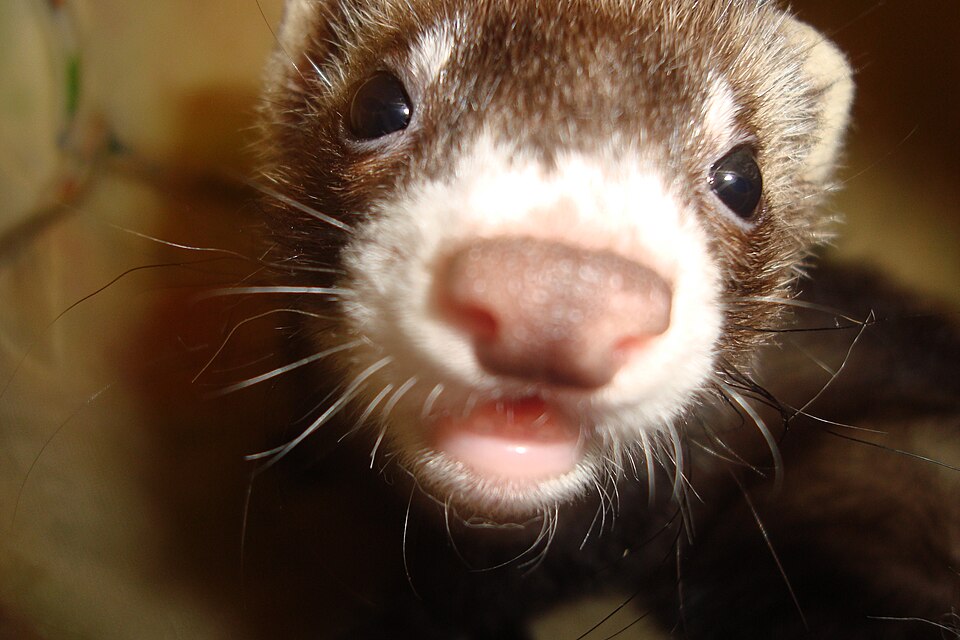
A ferret's intestine is only a little more than half as long as that of a cat of the same size. According to RSPCA Australia, food sometimes makes it all the way through this short tract in just 3 hours. Add a fast metabolism, and the result is clear: a ferret has to eat for as long as it's awake; it eats 8–10 small meals a day. This short, fast digestive system also decides what a ferret can eat: meat, yes; fruit, bread and sugar, no.
- Obligate carnivore: Ferrets have to eat meat; according to the RSPCA, they can't be vegetarian.
- High protein, very little carbohydrate and fiber: Bread, grains, fruit, vegetables and sugary foods aren't suitable.
- Food and water all day: Their digestion is very fast; food and clean water should always be within reach.
- Never give: Chocolate, sugar-free products containing xylitol, grapes and raisins; dairy products and salty, processed meats aren't suitable either.
- Change slowly: The AFA recommends switching to a new food over about a week.
What does obligate carnivore mean?
According to the RSPCA, ferrets are strict carnivores: they need a balanced, meat-based diet to stay healthy and can't be vegetarian. The RSPCA says ferrets are thought to be unable to digest large amounts of fiber or complex carbohydrates (starches) such as bread and grains.
According to RSPCA Australia, ferrets need more protein than most animals, and their main source of energy should be fat. Plant foods, and plant proteins in particular, aren't used well by ferrets. The PDSA also recommends a diet high in protein and fat and low in carbohydrate and fiber. According to the AFA, ferrets need a diet based on easily digested animal protein, with very little or no carbohydrate.
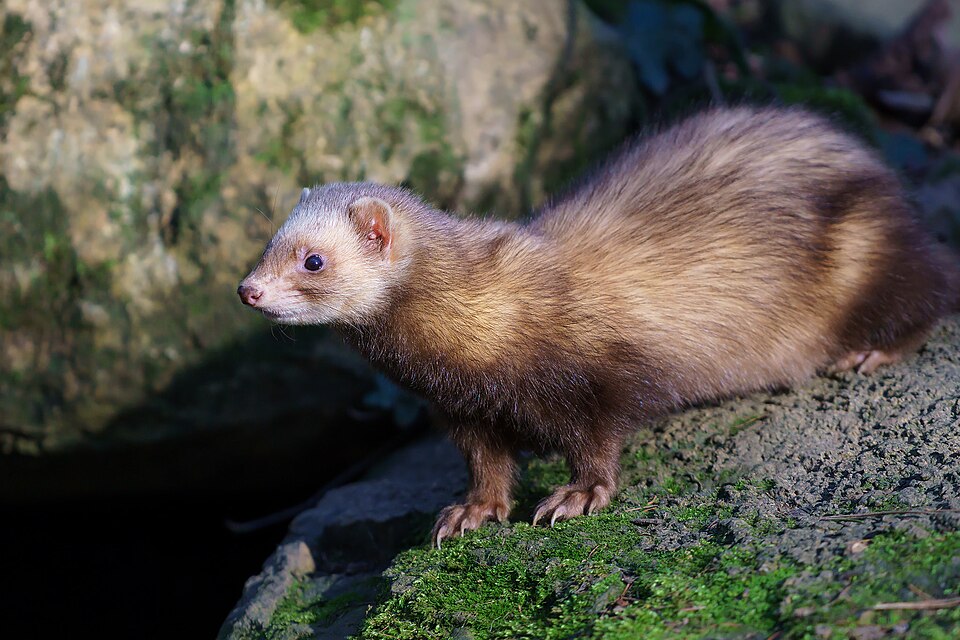
Choosing the right food
According to the PDSA, dog and cat food (wet or dry) isn't suitable for ferrets; the best choice is a ferret-specific food. According to the PDSA, a good-quality dry ferret food contains all the nutrients a ferret needs and, compared with wet food, also helps reduce plaque buildup on the teeth. The RSPCA recommends choosing a commercial food suited to your ferret's age, health and activity level together with your vet.
- Look at the first ingredients: According to RSPCA Australia, the first 3–5 ingredients on the label should be animal-based, not plant-based. Ingredients are listed starting with the one used in the largest amount.
- The meat should be named: According to the AFA, the label should list a clearly named protein source such as chicken, lamb, turkey or duck; vague terms like "meat meal" or "animal fat" on their own aren't recommended.
- Nutritional values: For an adult, neutered ferret, RSPCA Australia recommends a food with 30–40% good-quality animal protein, 15–20% fat and low fiber.
- Don't stick to one brand: The AFA recommends feeding a mix of several good-quality foods; if one brand becomes unavailable, your ferret won't be stuck.
- Chicken or fish? According to RSPCA Australia, ferrets aren't very keen on fish-based foods and prefer chicken ones.
Sources don't agree on this. The PDSA and RSPCA Australia don't recommend dog or cat food for ferrets; RSPCA Australia says a good-quality kitten food can be used only as a stopgap for a few days until you find a proper ferret food. The AFA, on the other hand, includes good-quality, high-protein cat foods among the options. The safest choice is a ferret-specific food; make the choice with your vet. Dog food, however, isn't suitable for ferrets.
How much, and how often?
According to the RSPCA, ferrets have a fast metabolism and need to eat little and often, so food should always be within reach. The PDSA also recommends leaving dry food in the bowl throughout the day, but weighing out the daily portion so your ferret doesn't put on weight. The RSPCA asks you to follow the feeding instructions on the food packaging and to make sure each ferret is eating enough, especially if it lives with other ferrets.
- Several food bowls: According to RSPCA Australia, in a group some ferrets may eat more than their share and others less. Put out several bowls so every ferret can eat without competing, and keep an eye on their body condition.
- Foraging: The RSPCA recommends hiding food or using food toys. If you weigh out the daily portion as the PDSA suggests, take the food you use in games out of that portion too. For play ideas: ferret sleep and play.
- Winter weight: According to the PDSA, it's normal for ferrets to gain weight heading into winter, and they shouldn't be put on a diet during this time; the weight should come off by itself in spring. RSPCA Australia also says they eat more in winter and lose weight in spring. If the weight doesn't come off in spring, the PDSA recommends cutting back on treats and talking to your vet.
According to the RSPCA, if your ferret's eating or drinking habits change, talk to your vet; it could be a sign of illness. Because ferrets need to eat so often, don't brush off a loss of appetite; call without waiting.
Water: always available, clean and fresh
According to the RSPCA, ferrets must have constant access to clean drinking water; without water, they become seriously ill. The RSPCA recommends checking the water twice a day. The PDSA recommends a metal-spouted water bottle and/or a heavy bowl your ferret can't tip over.
What not to give
| Food | Why? |
|---|---|
| Chocolate, especially dark chocolate, and cocoa | Contains theobromine; according to the RSPCA, it can cause vomiting, diarrhea, tremors and heart rhythm problems |
| Xylitol: sugar-free gum, candy, some peanut butters | According to the RSPCA, it can drop blood sugar to dangerous levels |
| Grapes, raisins and currants | According to the RSPCA, any amount can be toxic; cooking doesn't reduce the risk |
| Fruit, vegetables, grains, rice, corn, bread | A carnivore's digestive system can't process them (AFA, RSPCA) |
| Sugary foods, ice cream, desserts | According to RSPCA Australia, they can cause unhealthy swings in blood sugar and digestive problems |
| Milk and dairy products | On the AFA's "do not feed" list |
| Processed meats such as sausage, salami and cured beef | According to the PDSA, too salty; the AFA also considers salt-cured meats unsuitable |
| Table scraps | According to the AFA, not a suitable treat |
According to RSPCA Australia, ferrets may like the taste of sugary foods such as fruit, and may even prefer them to healthy foods. So don't think "just a little taste won't hurt." Don't leave food your ferret can reach on the table, the counter or in the trash: ferret-proofing your home.
According to the RSPCA, if you suspect poisoning, stay calm and call your vet immediately; don't tell yourself "I'll wait and see." If possible, bring the packaging with you. Don't try to treat your ferret yourself or make it vomit.
Treats
According to the RSPCA, treats should be given in small amounts; small pieces of meat, or ferret and cat treats, are suitable. The PDSA recommends high-protein, low-carbohydrate treats such as boiled egg or cooked chicken. The AFA reminds you that most treats sold in stores aren't healthy, even if they say "for ferrets"; meat-based treats are best.
According to RSPCA Australia, a ferret fed a healthy, good-quality food doesn't need treats or supplements for nutrition. If you're thinking about vitamins or any other supplement, talk to your vet first.
Sources differ on raw meat. The PDSA doesn't recommend raw meat; it says it increases the risk of intestinal blockage and of infections such as salmonella in both ferrets and people. RSPCA Australia and the AFA, on the other hand, think raw meat can be part of the diet; RSPCA Australia recommends strict hygiene rules for it. Talk to your vet before changing your ferret's diet.
Changing food: slowly does it
According to the AFA, ferrets have natural bacteria that help with digestion, and a sudden change of food can upset this balance, leading to diarrhea, vomiting and even lethargy. The RSPCA and RSPCA Australia also say changes should be made slowly, and that sudden changes can upset digestion or lead a ferret to refuse the new food. According to the AFA, ferrets get used to the food they eat in their first year of life; RSPCA Australia also says ferrets that get to know different tastes and textures when young switch to new foods more easily later on.
- Start by mixing: Add a small amount of the new food to the old food.
- Spread it over a week: According to the AFA, reduce the old food and increase the new over about 7 days.
- Offer a taste by hand: The AFA suggests offering a few pieces of the new food from your hand; your ferret gets used to the taste, and you spend time together.
- Ask first if there's a health problem: According to the AFA, if your ferret has a health problem, talk to your vet before you start changing its food.
- Keep watch: If your ferret stops eating, or you see diarrhea or vomiting, call your vet.
You can follow your ferret's winter and spring weight with Tüylüm's Weight tracking; seeing the change over time makes it easier to recognize what's normal. Food & litter supplies also reminds you before your ferret's food runs out, so you won't be forced to switch its food suddenly.
Frequently asked questions
Can ferrets eat cat food?
Sources differ on this; the PDSA and RSPCA Australia don't recommend dog or cat food for ferrets. The safest choice is a ferret-specific food with animal ingredients at the top of the label. Choose the food together with your vet.
Can I give my ferret fruit?
No. The AFA and RSPCA Australia list fruit among the things ferrets shouldn't be given. And according to the RSPCA, raisins and grapes can be toxic.
Does my ferret need a vitamin supplement?
According to RSPCA Australia, a ferret fed a healthy, good-quality food doesn't need supplements. If you're thinking about one, talk to your vet first.

Keep track of your pet's care in TüylümLog vet visits, vaccine and medication dates, and we'll remind you when it's time. Share it all with your family in Home.
Sources
- RSPCA · What to feed your ferrets
- RSPCA · Poisoning in ferrets: common ferret poisons
- PDSA · Ferrets as pets
- RSPCA Australia · What should I feed my ferrets?
- American Ferret Association · Frequently Asked Questions
- American Ferret Association · Switching Kibbles for Your Ferret (PDF)
By Tüylüm · Published and last checked: October 24, 2026. Spotted a mistake? Write to [email protected] and we'll fix it right away. Photos are from Wikimedia Commons, used under the license shown below each photo.