Before you get a ferret: is this curious little hunter right for you?
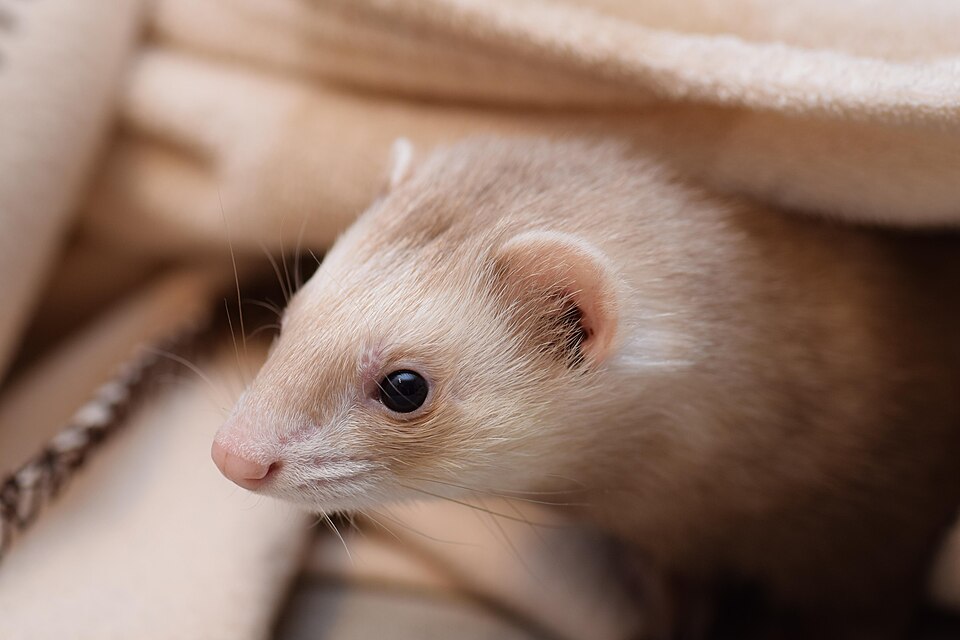
Everyone who watches a ferret for the first time says the same thing: "It never stops!" With its long, flexible body, it gets into every hole and sniffs everything, then suddenly curls up and drops into a deep sleep. According to the RSPCA, its scientific name, Mustela putorius furo, roughly translates as "smelly, angry thief." The name is a little unfair; but there's some truth in it. A ferret is an animal whose needs are very different from a cat's or a dog's. In this article, we've gathered what you need to know before you decide.
- Shouldn't live alone: According to the PDSA, ferrets are very social; when kept alone, they can suffer loneliness and stress. Plan on at least two ferrets.
- A long commitment: A ferret usually lives 6–10 years.
- Needs your time: It may sleep up to 20 hours a day; but when it's awake, it should play outside the cage, under supervision, for several hours every day.
- Eats meat: Ferrets are carnivores; they need ferret-specific food. According to the PDSA, dog and cat food aren't suitable.
- Find a vet in advance: According to Merck, finding a vet experienced with ferrets can be hard; look into this before you get one.
What kind of animal is a ferret?
According to the RSPCA, ferrets are domesticated animals, and their closest ancestor is the European polecat. Ferrets belong to the mustelid family; along with polecats, this family also includes wild weasels and badgers. The American Ferret Association (AFA) also points out a common mistake: a ferret isn't a rodent, it's a carnivore.
Knowing a few of a ferret's traits in advance makes living with one easier:
- Explores with its mouth: According to the RSPCA, ferrets are very curious and try out most things they come across with their mouths.
- Has poor eyesight: Ferrets rely on their senses of smell, taste and hearing.
- Is flexible: Their long, slim bodies let them squeeze into tight spaces and turn around in narrow tunnels.
- Is chatty: An excited ferret makes a "dook dook" sound that's a bit like a chuckle.
- Can catch the flu: According to the RSPCA, people can pass the flu to ferrets, and ferrets can pass it to people.
Not one, but at least two
According to the PDSA, ferrets are very social animals and need the company of other ferrets. They enjoy human attention too; but according to the PDSA, that attention doesn't replace the companionship of another ferret.
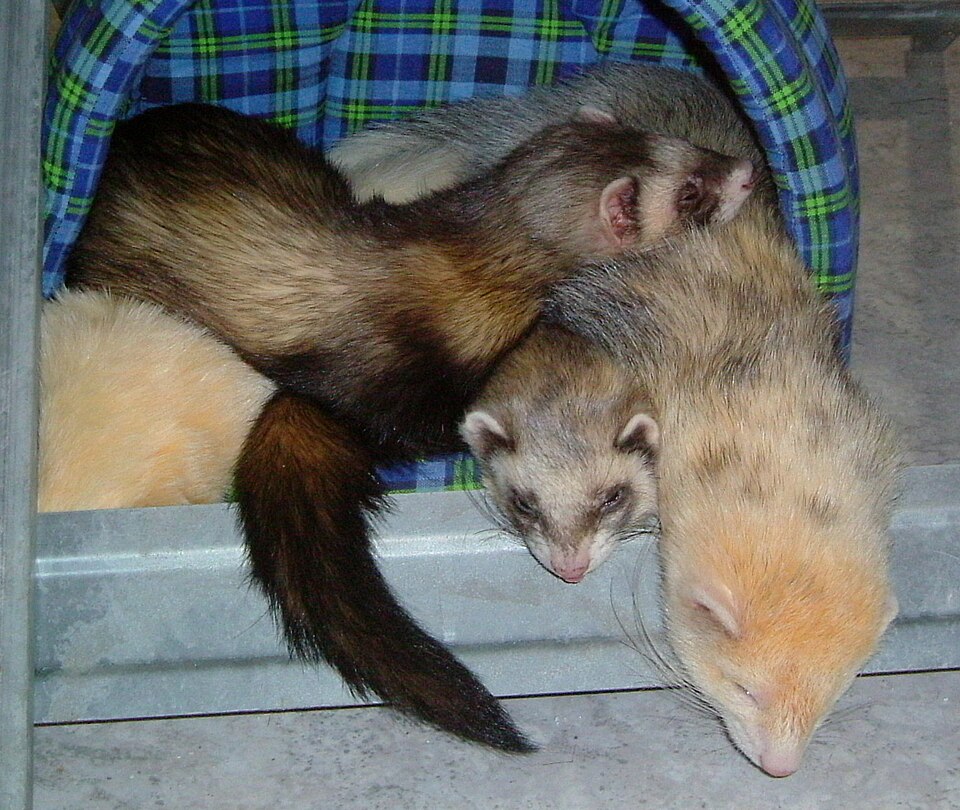
The RSPCA's recommendations:
- If you're thinking of getting a ferret, plan to get more than one.
- Ideally, no more than four ferrets together; if possible, siblings from the same litter.
- All the ferrets in the group should be neutered; unneutered males can be more aggressive.
- There should be enough shelter, food, water and hiding places for every ferret; social as they are, they still need a space of their own.
We've explained step by step how to introduce a new ferret to the one you already have in ferrets and other pets at home.
Time: sleep, play and supervision
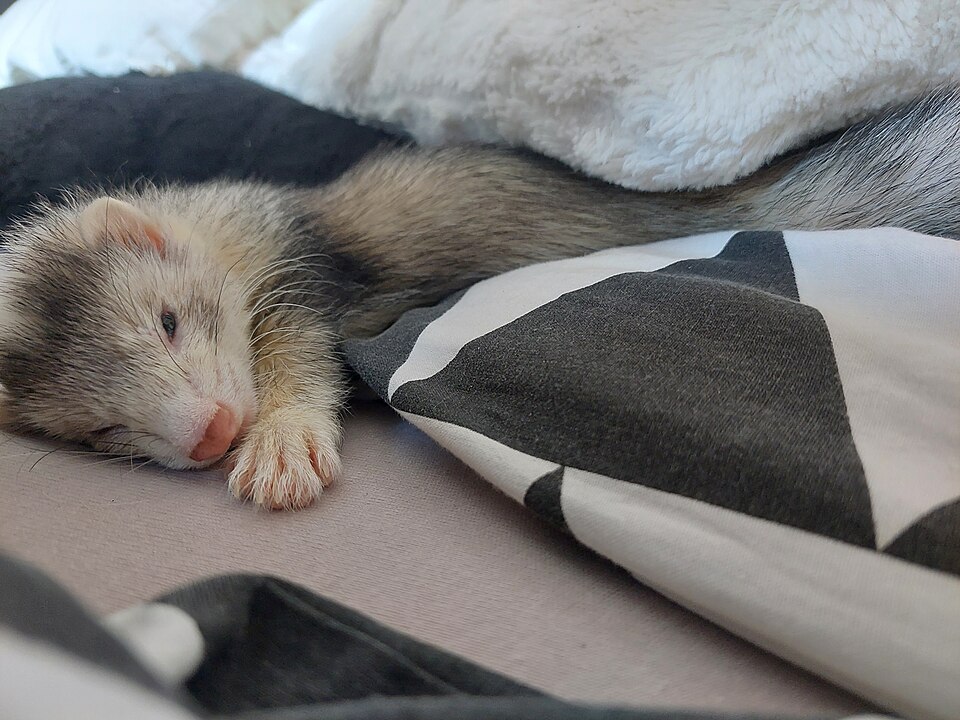
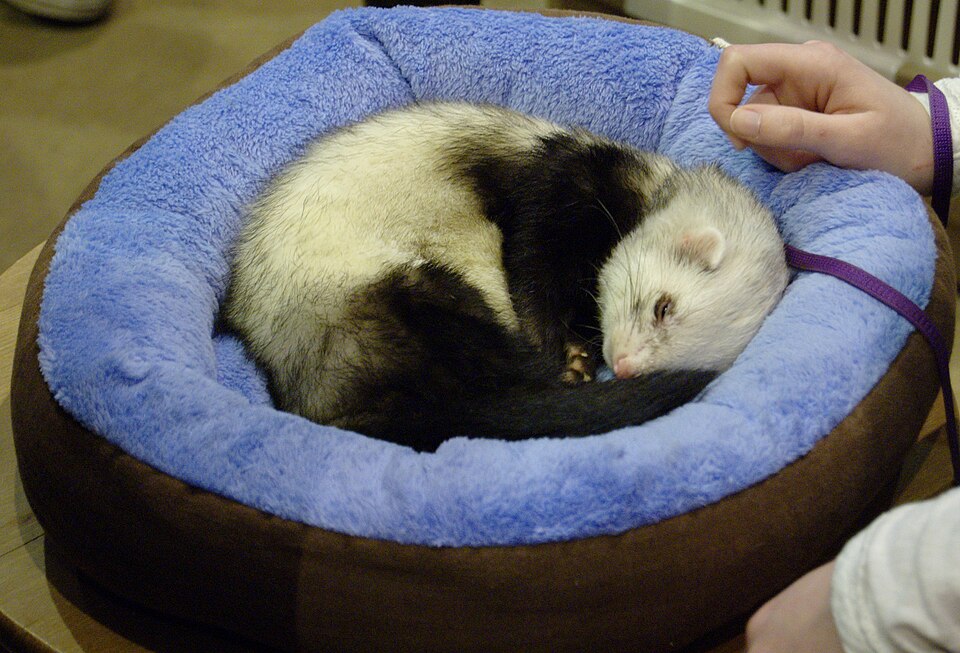
According to the RSPCA, a healthy ferret can sleep 18 to 20 hours a day. That doesn't mean a ferret needs little of your time. According to the PDSA, ferrets quickly learn their daily routine and want to play in the mornings and evenings. And during the hours they're awake, they don't sit still.
- Time out of the cage: The PDSA recommends several hours of playtime outside the cage every day; the AFA puts this at at least 4 hours a day.
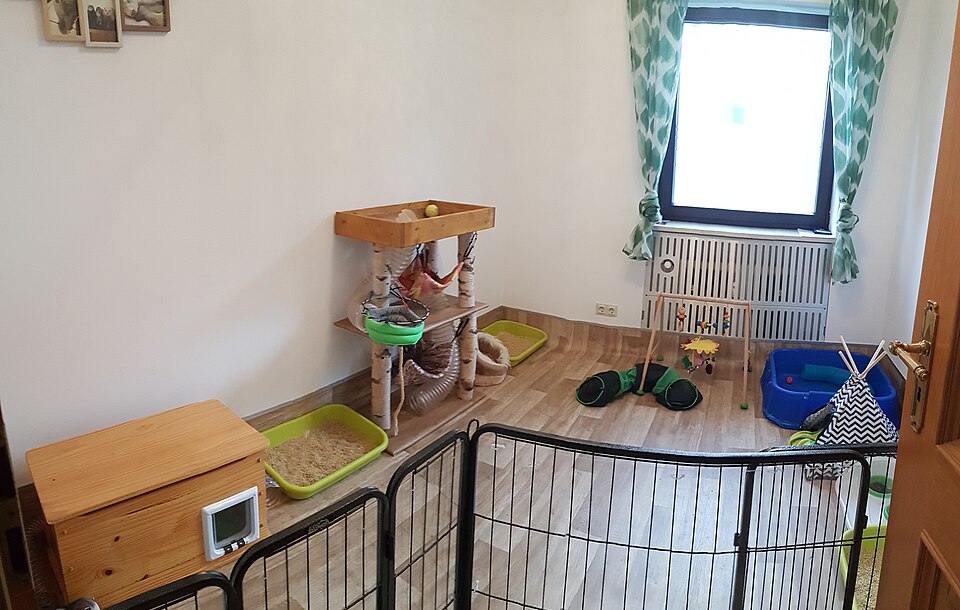
- Plenty of space: According to the PDSA, a pair of ferrets needs at least 10 m² of floor space; that's roughly the size of a small bedroom.
- Daily chores: The AFA reminds you that, besides play and attention, you also need to set aside time for training, grooming and cleaning the litter box.
| Daily task | Why it matters |
|---|---|
| Play outside the cage, several hours every day | Their need to move and explore (PDSA, AFA) |
| Cleaning the litter box, every day | For both hygiene and smell (PDSA) |
| Fresh water and food | Must be available all day (PDSA) |
| Washing beds and hammocks, every week | The bedding is usually the real source of the smell (PDSA) |
| Watching your ferrets, every day | To spot signs of stress, fear or fighting early (RSPCA) |
We've covered sleep and play routines in detail in ferret sleep and play.
Smell, heat and your home
According to the PDSA, ferrets have a distinctive musky smell that some people don't like; it's particularly strong in unneutered males. According to the AFA, frequent bathing doesn't reduce the smell and can actually make it stronger. What reduces the smell most is clean bedding: ferret smell and cleaning.
Ferrets also don't cope well with heat. According to the PDSA, because they can't sweat, they're at risk of heatstroke in hot weather; it recommends keeping their environment between 15 and 24 °C (59–75 °F) and protecting them from direct sunlight.
Then there's the home itself. The AFA suggests asking yourself before you get a ferret: "Can my home be made safe for a ferret?" Ferrets squeeze into the smallest holes, chew anything soft and can fall asleep in the laundry basket. For a preparation checklist: ferret-proofing your home.
According to the AFA, a pet ferret that escapes outdoors rarely survives more than a few days. A ferret isn't a wild animal; it can't live on its own outside. If you're no longer able to care for it, never release it into the wild; talk to a vet or an animal shelter.
Diet: meat, meat and more meat
According to the PDSA, ferrets have to eat meat to stay healthy. They need a diet high in protein and fat and low in carbohydrate and fiber. The PDSA says dog and cat food (wet or dry) isn't suitable for ferrets, and that a ferret-specific food is the best choice. Water should always be within reach: a metal-spouted water bottle or a heavy bowl that won't tip over.
We've explained which food to choose and what should never be given in ferret nutrition.
Costs and the vet
The AFA's list shows that the costs don't end with the first shopping trip:
- Getting started: A cage or a safe area, a water bottle, food bowls, beds, hammocks, toys and litter boxes.
- Every month: Good-quality food, treats and litter.
- Vet: Neutering, vaccinations, parasite prevention and surgery if needed.
According to the Merck Veterinary Manual, finding a vet experienced with ferrets can be hard. That's why it recommends doing your research before you get a ferret.
- Ask in advance: Merck suggests asking ferret clubs and veterinary professional organizations for recommendations.
- Close to home: It's important that your vet knows ferrets and is close to where you live.
- What about nights? If the clinic isn't open 24 hours, find out in advance about an overnight emergency clinic that treats ferrets (Merck).
- Regular checkups: Merck recommends a yearly checkup and vaccination; the PDSA wants your ferret to have a general checkup every 6–12 months.
Talk to your vet about your ferret's vaccination schedule and breeding control at the first visit. According to the PDSA, female ferrets that don't mate during the breeding season can develop a life-threatening condition. Decide together with your vet which method is right for your ferret.
Where should you get one?
The AFA recommends looking at shelters first, or else at a reputable breeder where you can see the ferrets beforehand and spend time with them. It particularly stresses not buying a ferret on a snap decision after seeing one in a pet store window.
In Turkey, ferrets fall under the same regulation on microchip identification and registration as cats and dogs. For microchips, PETVET (Turkey's national pet registration system) and what to do if your ferret gets lost: PETVET registration and microchips.
Tüylüm's Today tab has ready-made tasks for ferrets: Food, Water, Play / out of cage and Toilet cleaning. Everyone in your Home sees the same list, so it's clear who did what. You can also save your vet's details in the My vet section.
Frequently asked questions
Can I keep just one ferret?
The RSPCA and the PDSA recommend that ferrets live with other ferrets. According to the RSPCA, a ferret living alone needs to spend plenty of time with you every day; according to the PDSA, though, even human attention doesn't replace a ferret companion.
Is a ferret a rodent?
No. According to the AFA, a ferret is a carnivore and a member of the mustelid family. That's why it isn't safe for a ferret to share space with a hamster, guinea pig or rabbit: ferrets and other pets at home.
Is a ferret a good fit for a home with children?
According to the PDSA, ferrets can bite hard when they're frightened. It recommends that young children meet a ferret while sitting on the floor with a treat in their lap. The AFA also reminds you that young children should never be left unsupervised with any animal. An adult should always be responsible for the ferret's care.

Keep track of your pet's care in TüylümLog vet visits, vaccine and medication dates, and we'll remind you when it's time. Share it all with your family in Home.
Sources
- RSPCA · Ferrets (ferret fact sheet)
- RSPCA · Keeping ferrets together
- PDSA · Ferrets as pets
- Merck Veterinary Manual · Routine Health Care for Ferrets
- American Ferret Association · Are you ready to be a ferret owner?
- American Ferret Association · Frequently Asked Questions
By Tüylüm · Published and last checked: October 24, 2026. Spotted a mistake? Write to [email protected] and we'll fix it right away. Photos are from Wikimedia Commons, used under the license shown below each photo.