Fireflies: how they make light, why they're declining, and how to make your yard firefly-friendly
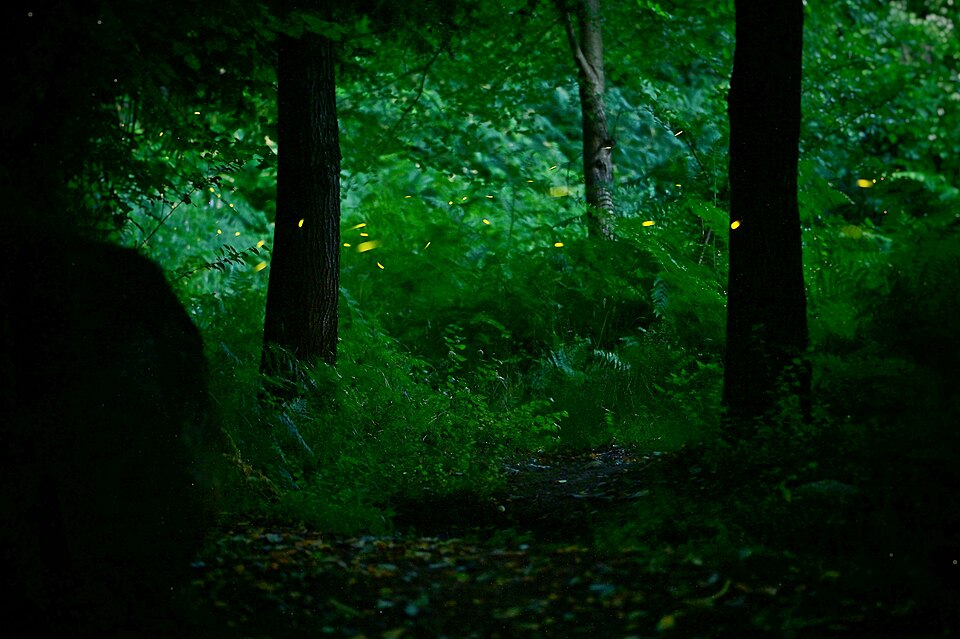
Little lights blinking above the grass on a summer night are among nature's most loved sights. But the animals behind them are neither fire nor flies. According to University of Illinois Extension, fireflies, or lightning bugs, are beetles in the family Lampyridae. This article explains how they make their light, where they live and why their numbers are falling. The sources are from the US and the UK; for the species found in Türkiye, ask a local university or a nature society.
- A beetle: Not a fly, but a beetle.
- Cold light: They make light in a chemical reaction in an organ in the abdomen; almost no heat comes off.
- Larvae glow too: According to Illinois Extension, all larvae and many eggs glow; adults don't always.
- Main threats: Habitat loss, light pollution and pesticides.
- In your yard: Turn off unneeded lights at night, leave leaves and logs, and skip insect and slug killers.
How is the light made?
According to Marc Branham, an entomologist at the University of Florida speaking to Scientific American, a firefly makes light through bioluminescence, a chemical reaction inside a living animal. The reaction happens in the light organ in the abdomen: oxygen, ATP and a substance called luciferin combine, with the help of the enzyme luciferase.
The magazine calls this "cold light": an organ as hot as a light bulb's filament would kill the beetle. What switches the light on and off is oxygen. The oxygen reaching the cells of the light organ through the insect's tiny breathing tubes is controlled by a gas called nitric oxide. While the gas is present, oxygen gets through and the light is on; when the gas breaks down, the oxygen is blocked and the light goes out.
The light has several jobs, according to Scientific American:
| For whom | What it does |
|---|---|
| Larvae | A warning that they taste bad; the defensive chemicals larvae make taste unpleasant to predators |
| Adults | Finding a mate with a species-specific flash pattern; females tend to prefer males with faster or brighter flashes |
| Some species | They don't glow at all and find mates by scent (pheromones) |
Illinois Extension also notes that each species has its own flash pattern and that females answer from the ground or from a plant.
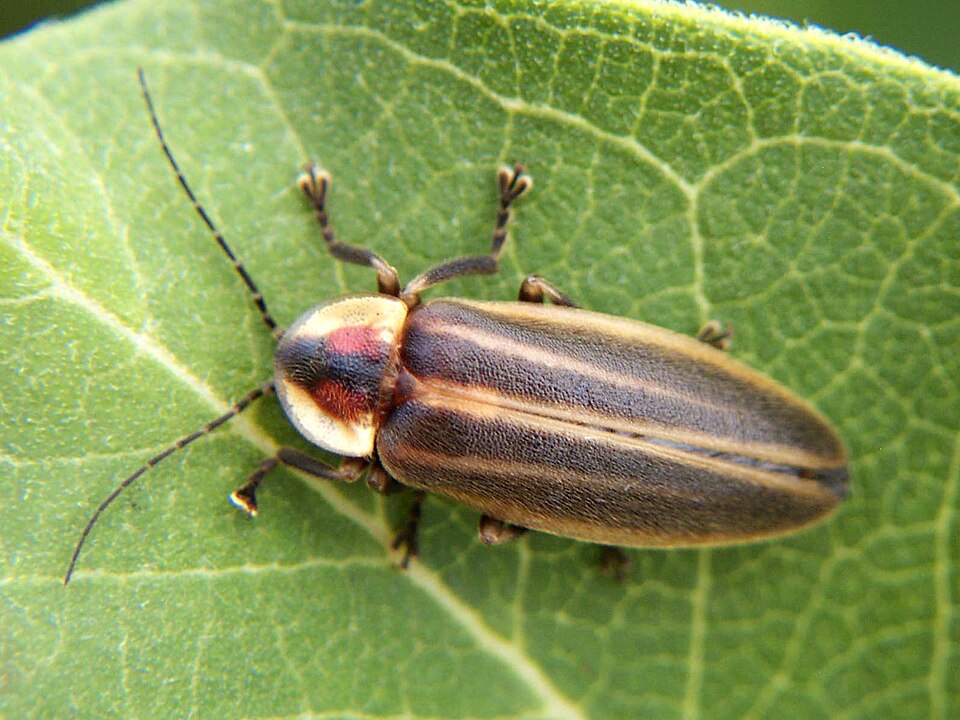
The life cycle: most of life is on the ground
According to Illinois Extension, a firefly's life cycle is complete: egg, larva, pupa, adult. Females lay their eggs in moist places such as soil and leaf litter. The larvae hatch within 2-3 weeks and feed on invertebrates such as worms, snails and slugs. They spend winter in the soil, keep feeding in spring, then pupate and emerge as adults. Most larvae live in leaf litter, decaying wood and wet, marshy areas, spending much of their time at the soil surface.
For the common glow-worm in the UK (Lampyris noctiluca), Discover Wildlife says the larvae feed for about two years, while the adults have no mouthparts and don't eat at all. According to the same source, the females can't fly; they climb grass stems and glow to call the males.
English-language sources use different names, such as "firefly," "lightning bug" and "glow-worm." In the UK glow-worm, according to Discover Wildlife, the females can't fly and glow on the ground. These sources don't say which species live in Türkiye.
Why are they declining?
Illinois Extension says populations appear to be declining, probably from several causes together. It names three main ones:
- Habitat loss: Overly tidy yards remove leaf litter and damp corners, which is exactly where the larvae live.
- Light pollution: Streetlights, homes and parking lots. According to Firefly Research & Conservation, fireflies find mates with light, and artificial light can interfere with those signals. The same organization says blue-rich light in particular drowns out the signals.
- Pesticides: Mosquito sprays and foggers; also slug and snail killers, which remove the larvae's food.
Firefly Research & Conservation notes that these effects haven't been fully studied yet. Based on observations, it says fireflies are seen less on very bright nights, such as full moon evenings.
Making your yard firefly-friendly
Illinois Extension recommends:
- Dim the lights: Turn off or dim unneeded outdoor lighting. Use shielded fixtures that point light downward, and close the shades indoors.
- Leave logs and leaves: Leave leaf litter and logs in place and don't disturb those areas.
- Skip insecticides and foggers: Avoid insecticides and mosquito foggers on the lawn and in the garden. For mosquitoes, use fans and empty standing water.
- Avoid slug and snail killers: Don't wipe out the snails and slugs that larvae eat.
Firefly Research & Conservation goes into more detail:
- Timers and motion sensors: Set lights to switch off around dusk or within about two hours after.
- Decorative lights: Use them only outside the breeding season, or remove them.
- Red light if needed: If you can't avoid light, choose red-spectrum light rather than bluish-white LEDs.
- Talk to your neighbors: Fireflies move across shared landscapes, so changes made together work better.
For glow-worms, Discover Wildlife recommends leaving trees, shrubs, long grass and logs in the garden. Mowing the lawn too often or completely is also a problem; part of it should stay uncut.
If your pet spends time in the yard, read the label of any pesticide, fogger or slug bait before using it, and ask your veterinarian about use.
Frequently asked questions
Does every firefly glow?
No. According to Illinois Extension, all larvae and many eggs glow, but not every adult does; some adults fly by day. According to Scientific American, some species don't glow at all and find mates by scent.
Can I catch a firefly and keep it in a jar?
Our sources don't give advice on this. Firefly Research & Conservation says species find mates by light, which is why the dark of night matters to them.
Where and when can I see them?
For the UK glow-worm, Discover Wildlife gives June and July, sometimes early August, as the best viewing time. It suggests visiting woodland edges on a new moon and not using a flashlight. These sources don't cover Türkiye.
You can record the night you see a firefly in the Memory book, with the date. Comparing the year, the season and the part of the yard where you saw them over time makes a nice garden journal.

Keep track of your pet's care in TüylümLog vet visits, vaccine and medication dates, and we'll remind you when it's time. Share it all with your family in Home.
Sources
- University of Illinois Extension · Shedding light on lightning bugs
- Scientific American · How and why do fireflies light up?
- Firefly Research & Conservation · Light Pollution
- Discover Wildlife · Glow-worms in the garden
This article is for general information only; it is not a diagnosis or treatment advice and does not replace a visit to a veterinarian. Talk to your vet about decisions on your pet's health. By Tüylüm · Published and last checked: November 9, 2026. Spotted a mistake? Write to [email protected] and we'll fix it right away. Photos are from Wikimedia Commons, used under the license shown below each photo.