Tüylüm
Blog › Invertebrates
Invertebrates
InvertebratesSnails, shrimp, spiders and more.

Photo: Guanting886 · CC BY-SA 4.0 · Wikimedia Commons

Articles
SPECIES GUIDEInvertebrates
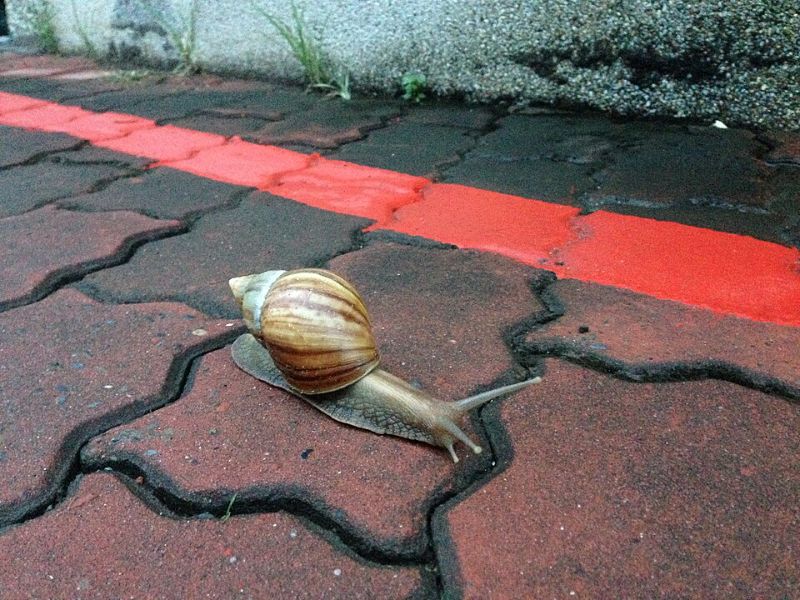
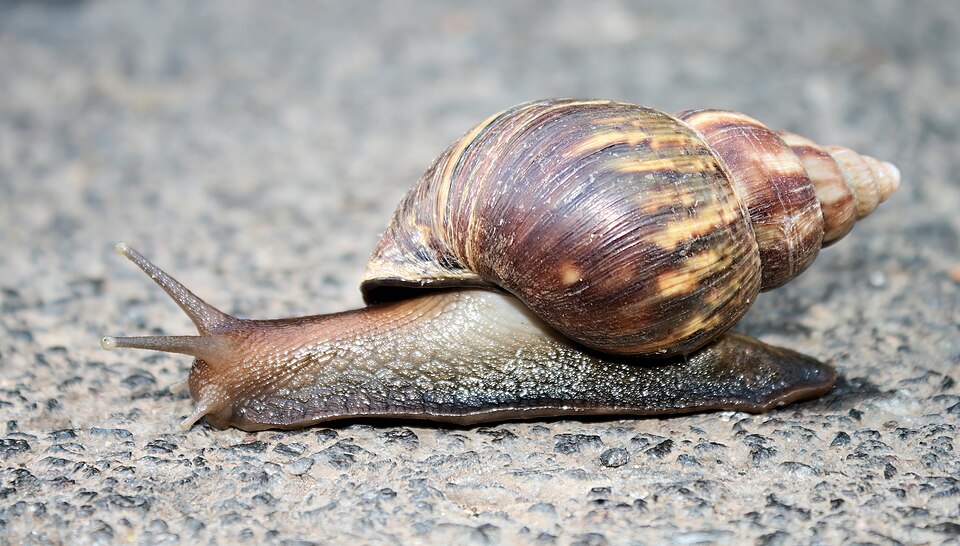
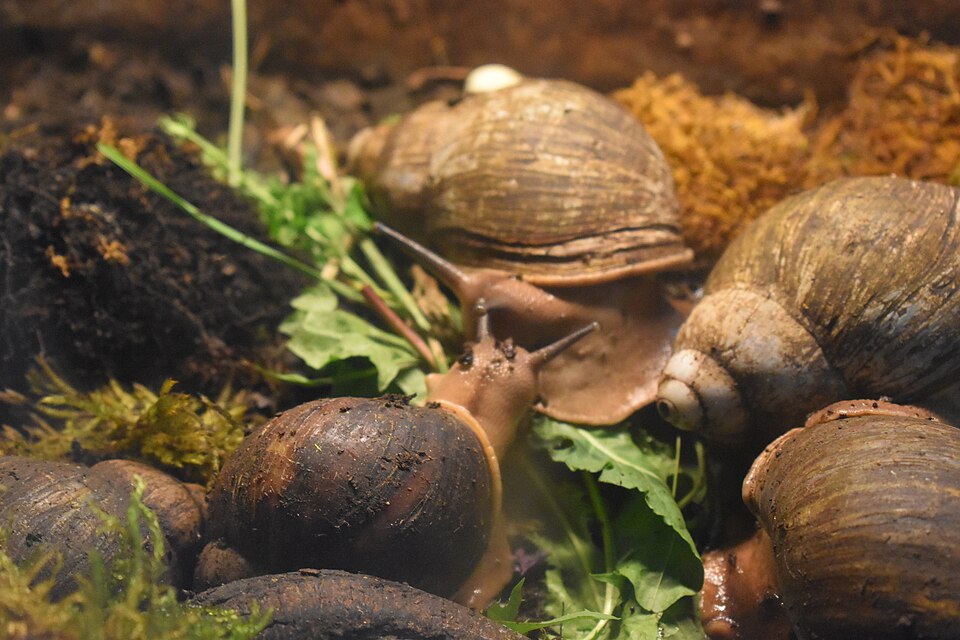
Giant African land snail care: a calm pet, but watch out for the eggsThe giant African land snail seems quiet and easy, but it needs a humid terrarium, a steady temperature, calcium at all times and a responsible plan for its eggs. A beginner's guide based on the RSPCA, the Royal Veterinary College and the AES.10 min read · Last checked: October 24, 2026Read →
SPECIES GUIDEInvertebrates
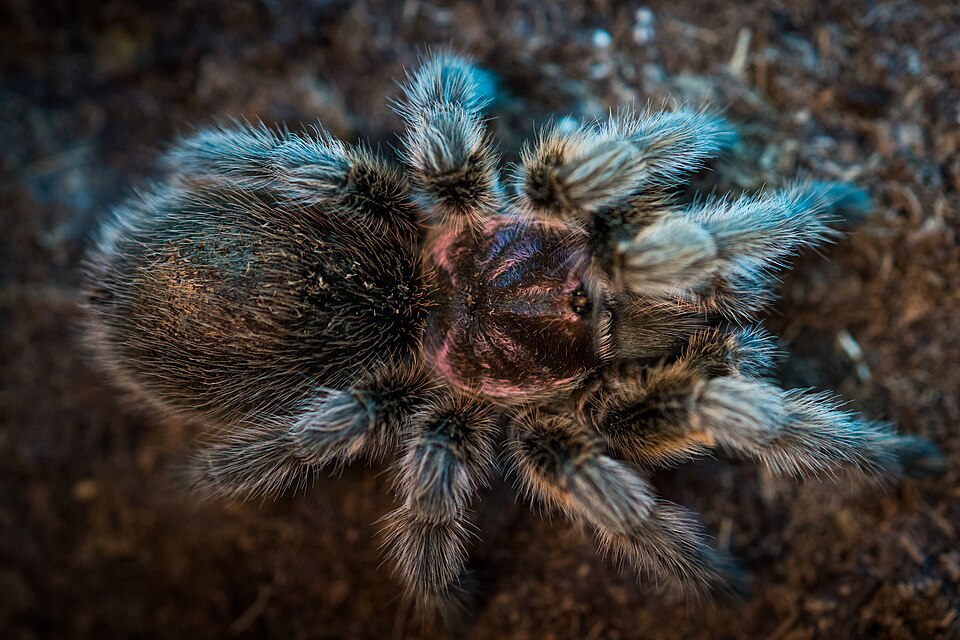
Tarantula care: a pet that likes being alone and doesn't like being touchedA tarantula may look like a quiet, low-maintenance pet, but it needs a tank it can't escape from, a water dish, a steady temperature and to be left alone while it molts. A beginner's guide based on the Royal Veterinary College, the AES and university sources.9 min read · Last checked: October 24, 2026Read →
SPECIES GUIDEInvertebratesFish
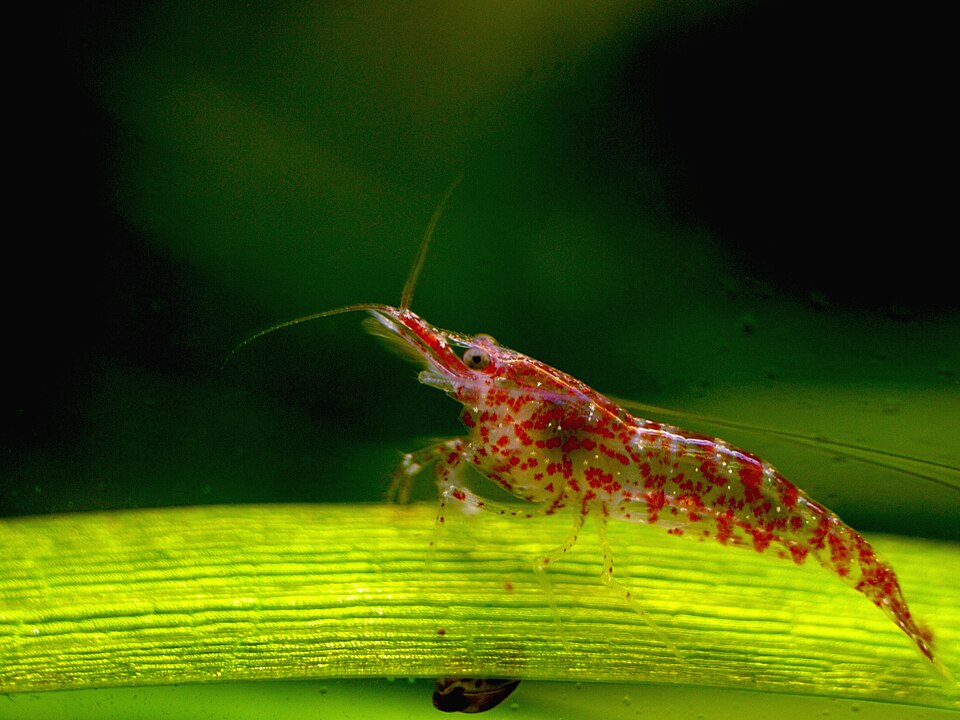
A shrimp aquarium: mature water, patience and a copper-free home for cherry shrimpCherry shrimp (Neocaridina davidi) are small, colorful and lively, but sensitive to their water. Why do a mature aquarium, slow acclimation, regular partial water changes and keeping copper away matter so much?8 min read · Last checked: October 24, 2026Read →
SPECIES GUIDEInvertebrates
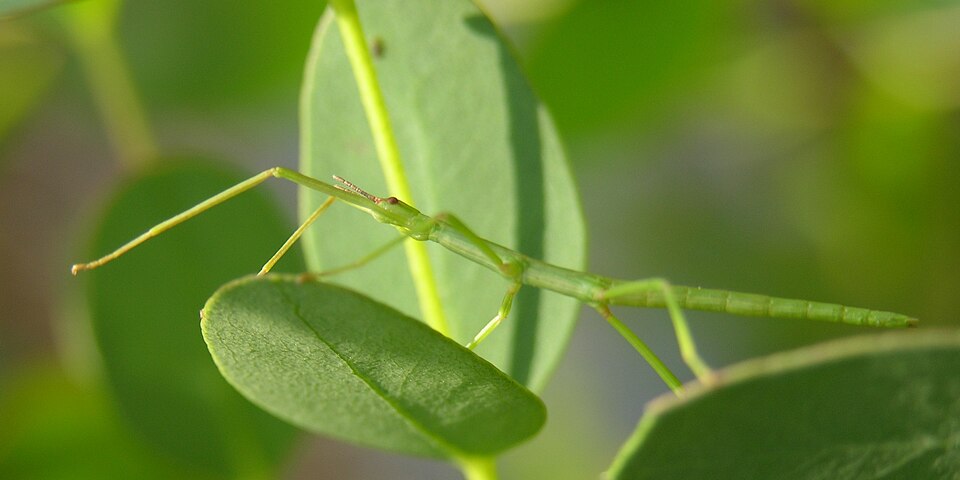
Stick insect care: the quiet pet that looks like a twig and lives on leavesThe Indian stick insect (Carausius morosus) needs a tall enclosure, leaves that are always fresh and pesticide-free, regular misting and gentle hands. Females lay eggs without mating, so you also need a plan for the eggs and the cage waste.8 min read · Last checked: October 24, 2026Read →
CAREInvertebrates
Snail shells and calcium: what a pet that carries its home on its back needs mostA snail's shell isn't a lifeless casing: it grows along with the snail and is attached to its body by a muscle. What is the shell made of, how does it grow, which calcium sources can you use, and what should you do about a broken shell?7 min read · Last checked: October 24, 2026Read →
SPECIES GUIDEInvertebrates
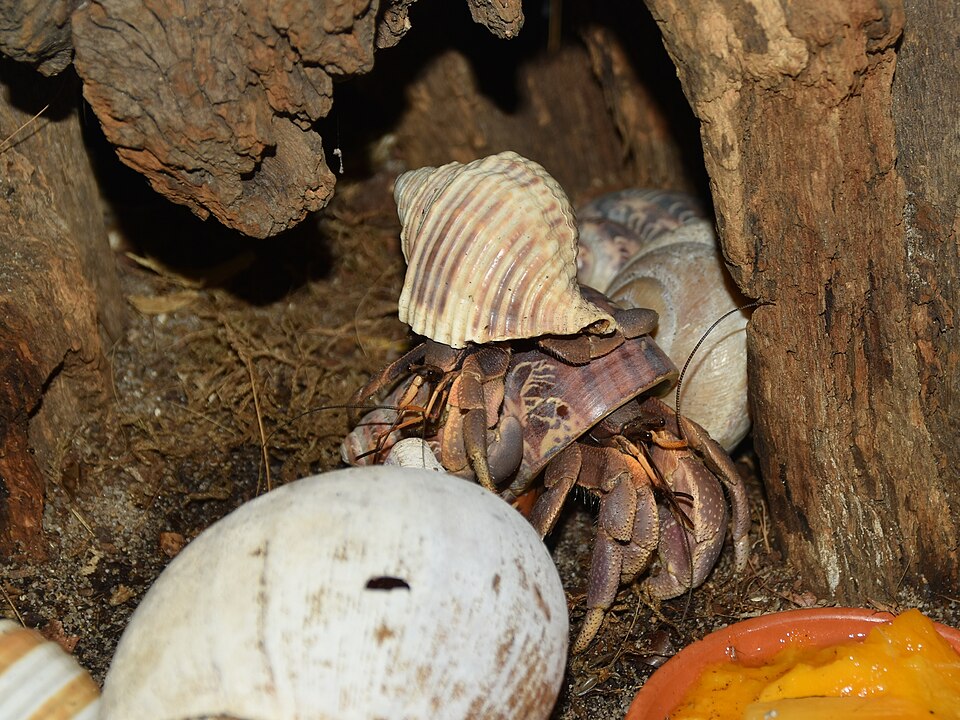
Land hermit crabs: called hermits, but these little nomads love companyLand hermit crabs need to live in groups, a very humid environment, fresh and salt water, empty shells they can move into and to be left alone while they molt. What to know before you take on this long-lived pet.10 min read · Last checked: October 24, 2026Read →
CAREInvertebrates
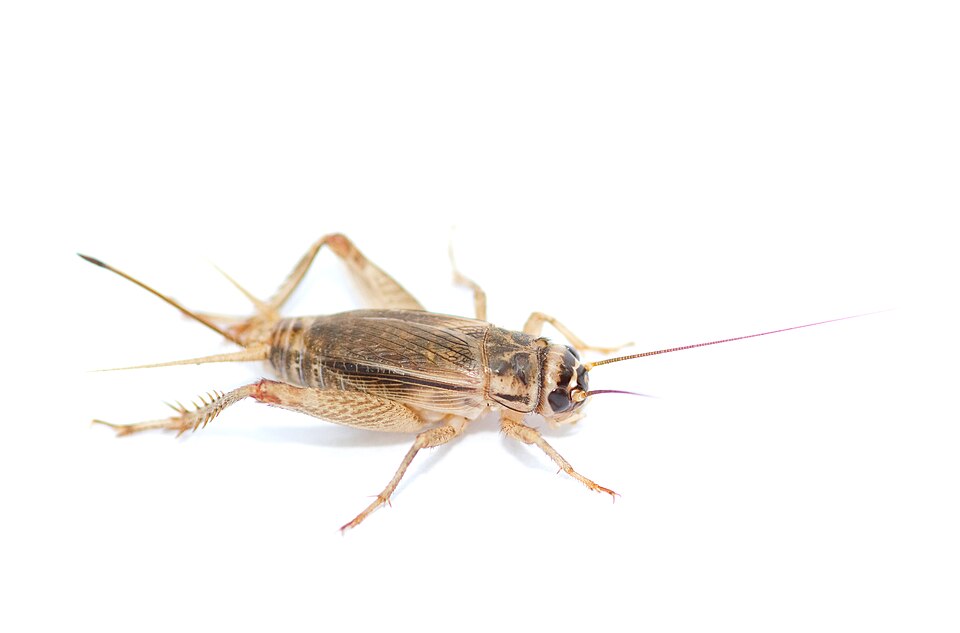
Live food safety: what to know when feeding tarantulas and praying mantisesA cricket dropped into the tank can be dangerous for your predatory pet: it can nibble a molting spider or chew a praying mantis's leg. Choosing the right food, offering the right size, removing what isn't eaten and taking good care of your feeder insects.7 min read · Last checked: October 24, 2026Read →
SPECIES GUIDEInvertebrates
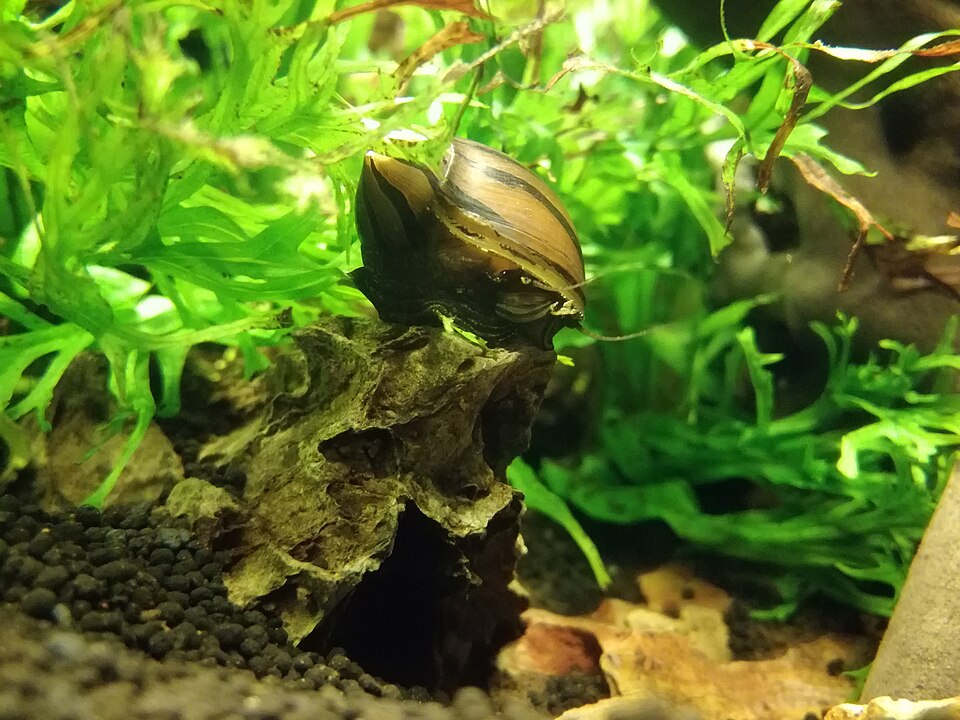
Snails in the aquarium: nerites, apple snails and populations that get out of handSnails clean algae off the glass and the rocks; but some sneak in on a plant, and some lay hundreds of eggs every couple of weeks. The right water, a copper-free tank, knowing the eggs when you see them, and never releasing snails into the wild.7 min read · Last checked: October 26, 2026Read →
WILDLIFEInvertebrates
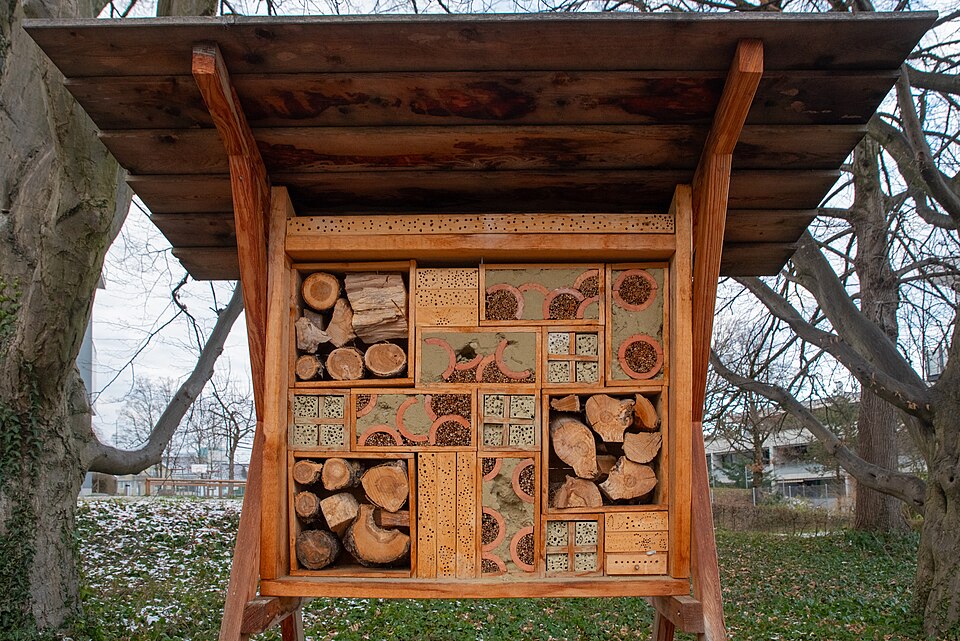
Building a bug hotel: a home for little visitors in your garden or on your balconyUse old pallets, bricks, dry sticks and hollow stems to build a bug hotel that gives solitary bees, ladybugs and pill bugs somewhere to live. Where to put it, what to fill it with, a small bee hotel for a balcony, and once-a-year upkeep.6 min read · Last checked: October 26, 2026Read →
WILDLIFEInvertebrates
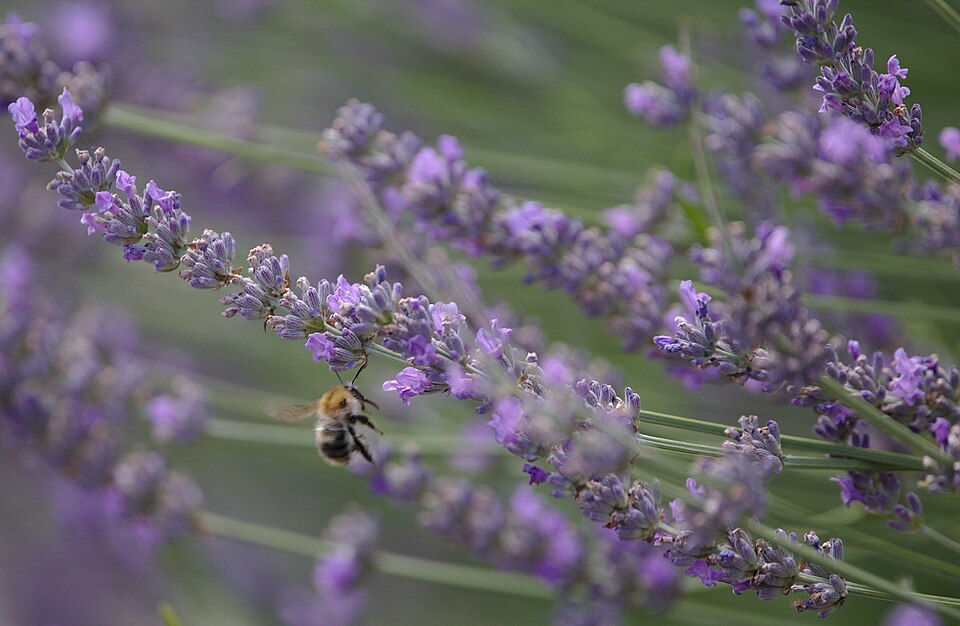
A bee-friendly balcony: the right flowers in pots, a dish of water and no pesticidesEven a small balcony can be a stopover for bees and other pollinators. Single flowers, a flowering calendar that runs from spring to fall, a shallow dish of water with pebbles, and no pesticides. With advice from the RHS and The Wildlife Trusts.6 min read · Last checked: October 26, 2026Read →
WILDLIFEInvertebrates
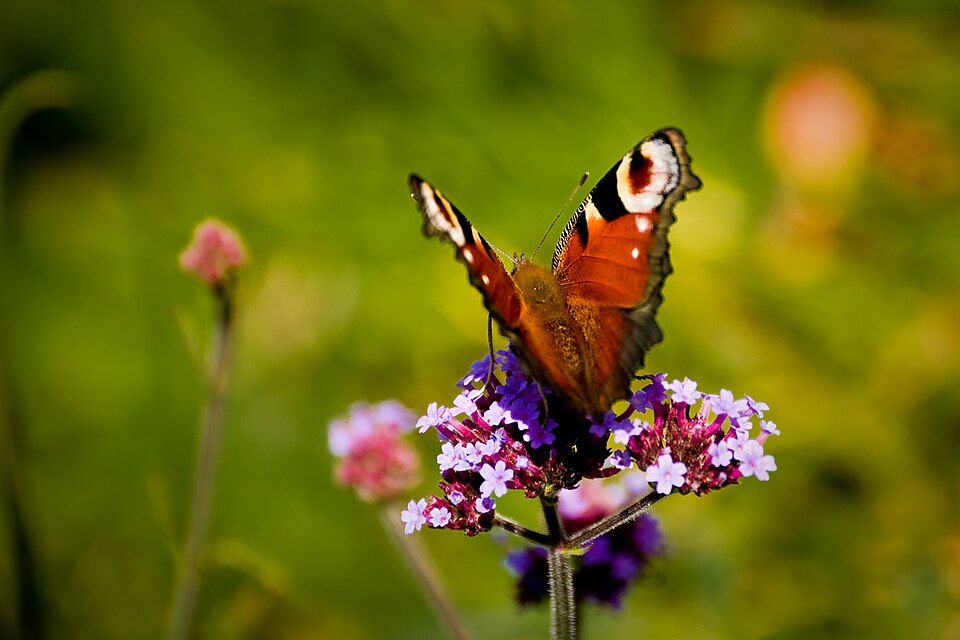
A butterfly garden: not just flowers, but leaves for caterpillars and a corner for winterNectar-rich flowers alone won't bring butterflies to your garden or balcony; you also need plants for caterpillars to eat, stones to bask on and a messy corner to spend the winter in. With advice from Butterfly Conservation and The Wildlife Trusts.6 min read · Last checked: October 26, 2026Read →
SPECIES GUIDEInvertebrates
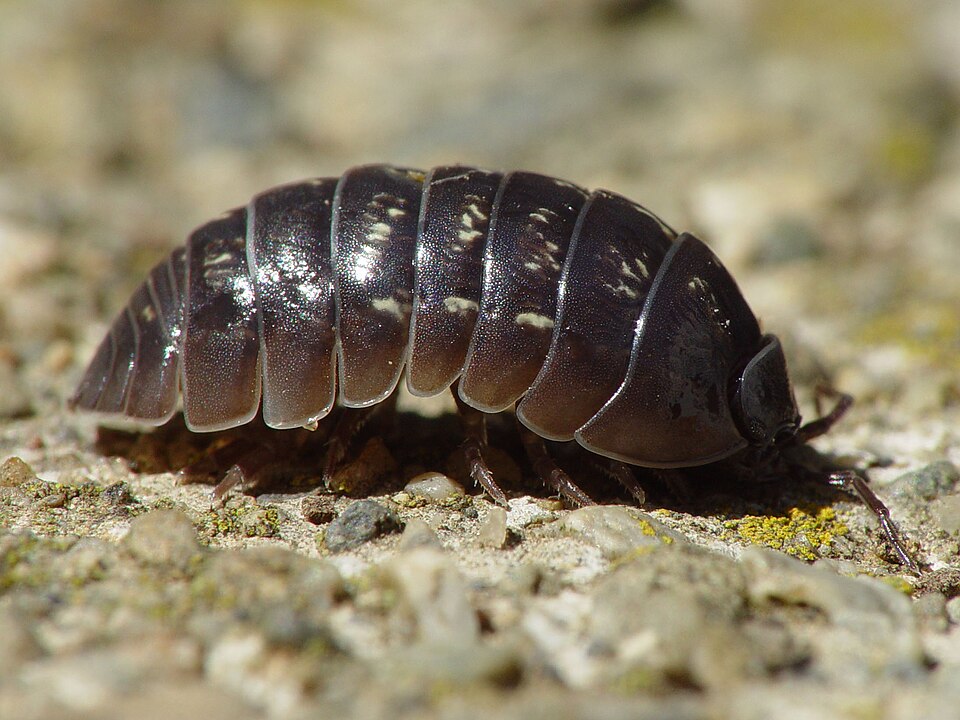
Pill bugs: get to know the little crustacean that rolls into a ball, and make room for it in your gardenThe pill bug isn't actually a bug; it's a land-dwelling relative of crabs and lobsters. Where it lives, what it eats, how it breeds, why it rolls up, how to help it in your garden, and what to keep in mind if you want to watch it at home.6 min read · Last checked: October 26, 2026Read →
WILDLIFEInvertebrates
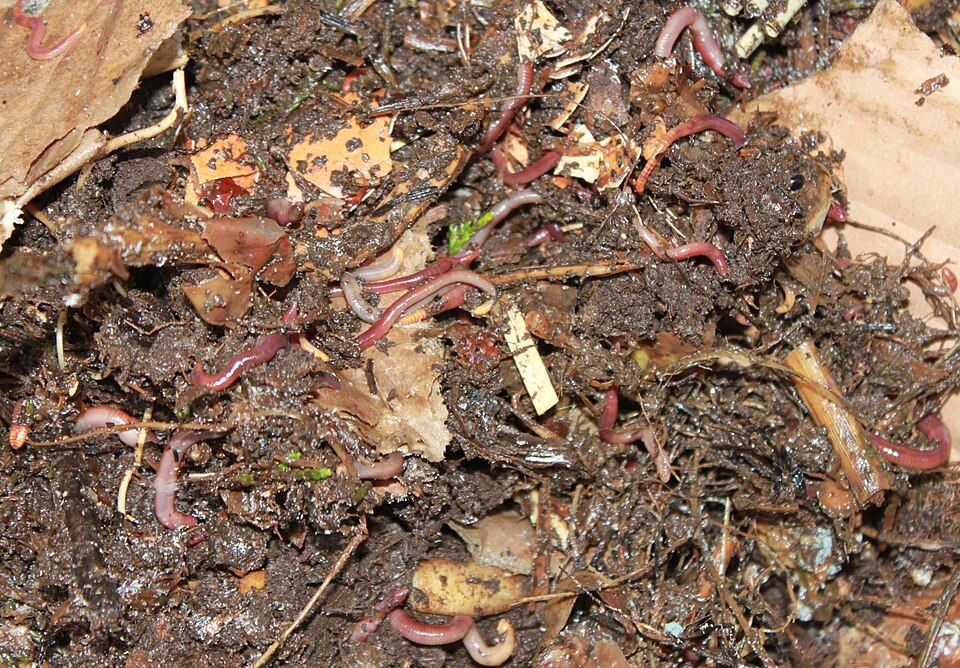
Worm composting: a small crew that turns kitchen scraps into fertilizer on your balconyComposting worms turn vegetable peels, tea leaves and eggshells into dark compost and a liquid fertilizer. All it takes is the right worms, a shallow box with holes, small and frequent feedings, and balanced moisture. With advice from the RHS, the Natural History Museum, Garden Organic and Penn State.7 min read · Last checked: October 28, 2026Read →
WILDLIFEInvertebrates
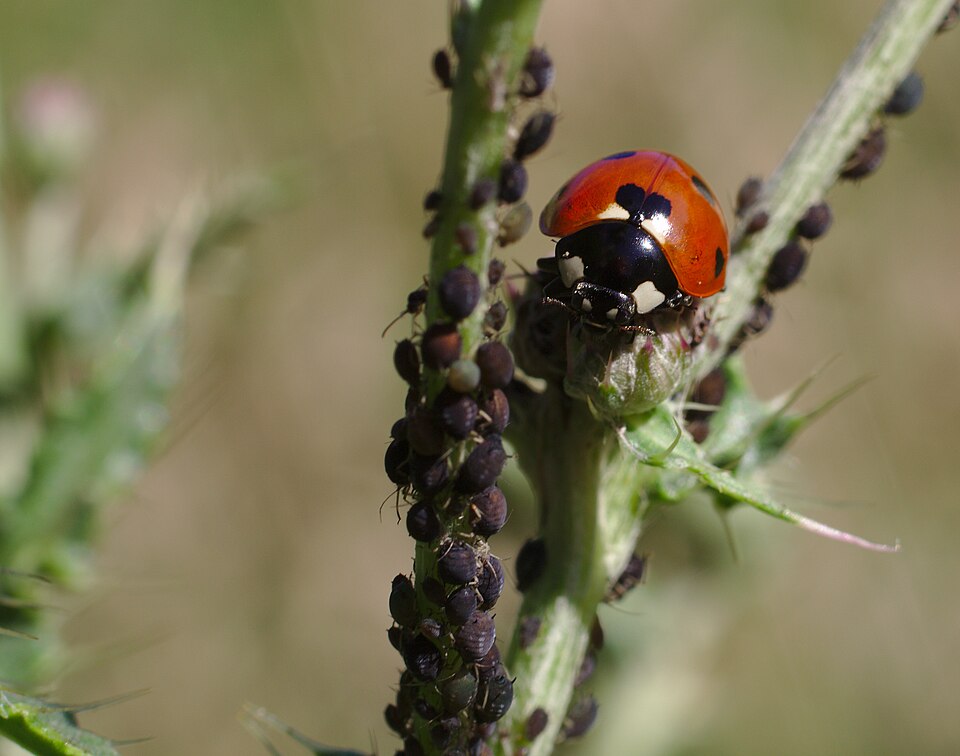
Bring ladybugs to your garden: know the larva, put up with a few aphids, and leave their winter shelter aloneLadybugs and their little-known larvae are aphid hunters. To draw them to your garden or balcony, all you need is a pesticide-free garden, a little patience and a messy corner where they can spend the winter. With advice from the RHS, The Wildlife Trusts and the Natural History Museum.7 min read · Last checked: October 28, 2026Read →
SPECIES GUIDEInvertebrates
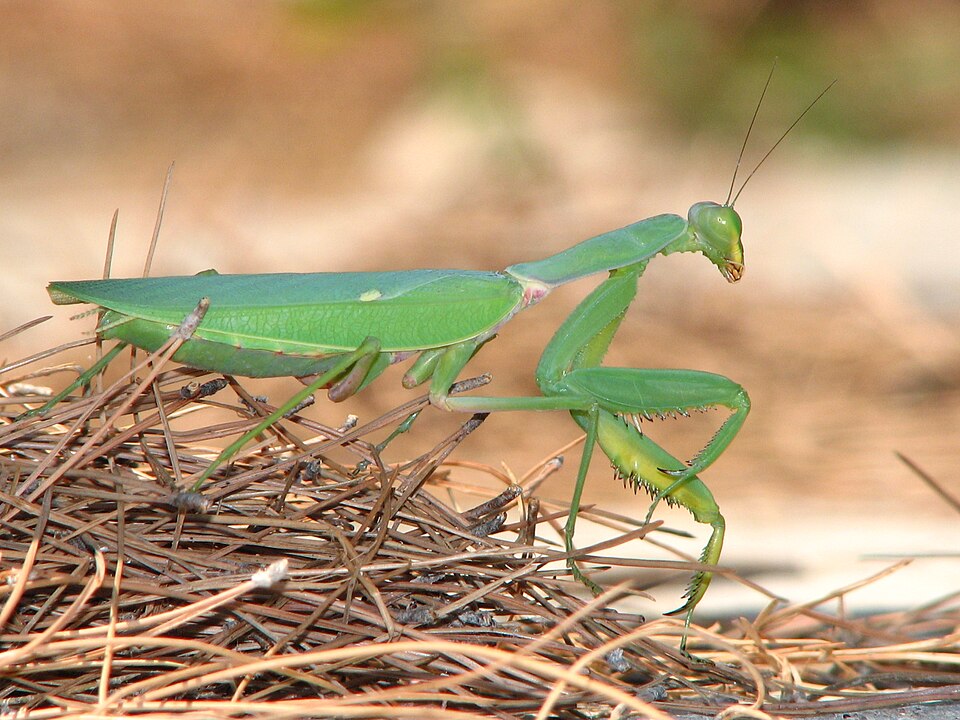
Praying mantis care: a tall enclosure, a daily misting and patience during moltingA praying mantis lives alone; it needs a tall branch to hang from, a steady temperature and a misting every day. Molting is its most delicate time, and the egg case is a responsibility of its own. A beginner's guide based on the Amateur Entomologists' Society and the University of Kentucky.7 min read · Last checked: October 28, 2026Read →
What would you like to read?

If there's something you're curious about, write to us and we'll add it to the list: [email protected]

Other pets
CatsDogsBirdsRabbitsRodentsFishReptilesFerretsHedgehogsAmphibians

Articles are for general information and are not a substitute for diagnosis or treatment. Ask your vet about any decision for your pet.