Spiders in your home: why most are harmless, what they do for you, and how to move them outside without killing them
A spider in the bathtub or a quiet web in the ceiling corner: for many of us the first thought is "I'll get rid of it." But London's Natural History Museum (NHM) calls the spiders in our homes our "lodgers" and suggests getting to know them. This article looks at what the NHM, Surrey Wildlife Trust (a nature conservation charity) and University of Missouri Extension have written. An important caveat: these sources cover the UK and the US state of Missouri. They don't say which spiders are medically important in Türkiye; for that, ask a doctor or a university biology department.
- Bites are rare: According to the NHM, only about 12 of the UK's 650 spider species have been recorded biting people, and those are larger spiders.
- Hard to live indoors: Most spiders can't comfortably live in a modern heated home; they belong in garages and gardens.
- They're useful: The NHM says they help control unwanted household insects.
- Autumn: Males roam looking for mates, so you see more of them.
- Moving one: The NHM says most spiders would prefer to be helped back outside.
Why is there a spider in my home?
According to the NHM, almost all of us have seen spiders at home: crossing the living room floor, stuck in the bath, or sitting in a ceiling corner. Some species stay year-round; others come in through open windows or gaps under doors. But the NHM says few spiders can comfortably live in modern centrally heated homes; most prefer garages, sheds, the clutter around the outside of houses, and gardens.
So why do we see more at certain times of year? According to Surrey Wildlife Trust, male spiders mature in early autumn and roam indoors looking for mates. Homes are warm and dry, and windows are often still open while the weather is mild, so more spiders come in. Some species live indoors all year; they're just easier to notice at this time.
Bites: what is actually known
The NHM puts it plainly: all spiders can bite, because that's how most subdue their prey, but very few have fangs strong enough to pierce human skin. Bites are rare, and seeing spiders at home is generally no cause for concern. Of the 650 species in the UK, only about 12 have been recorded biting people, and those are larger spiders. Of those, only two or three have given a significant or unpleasant bite; symptoms are usually local pain and swelling. For anything more severe, the NHM advises seeking medical attention.
Surrey Wildlife Trust also writes that very few spiders in the UK can bite a person at all, and that those that can usually do so only when handled roughly; they're not aggressive. According to University of Missouri Extension, spiders usually run and hide when disturbed; most accidental bites happen when a spider is squashed in clothing or shoes, and they typically cause only temporary redness and itching.
The Missouri source says only two species in that state are medically significant (the brown recluse and the female black widow). The NHM also writes that non-UK spiders sometimes found in imported fruit such as grapes or bananas can be more seriously venomous, and that you should seek advice in that case. The two sources name different species, so check a local source for the ones in your own region. If you have a severe reaction after a bite, or you're unsure, seek emergency medical care.
Common spiders in homes
The NHM has put together identification pages for species commonly found in UK homes. They're an example of what to look out for where you live:
| Group | What the NHM says |
|---|---|
| House spider (Tegenaria) | A group often found in UK homes |
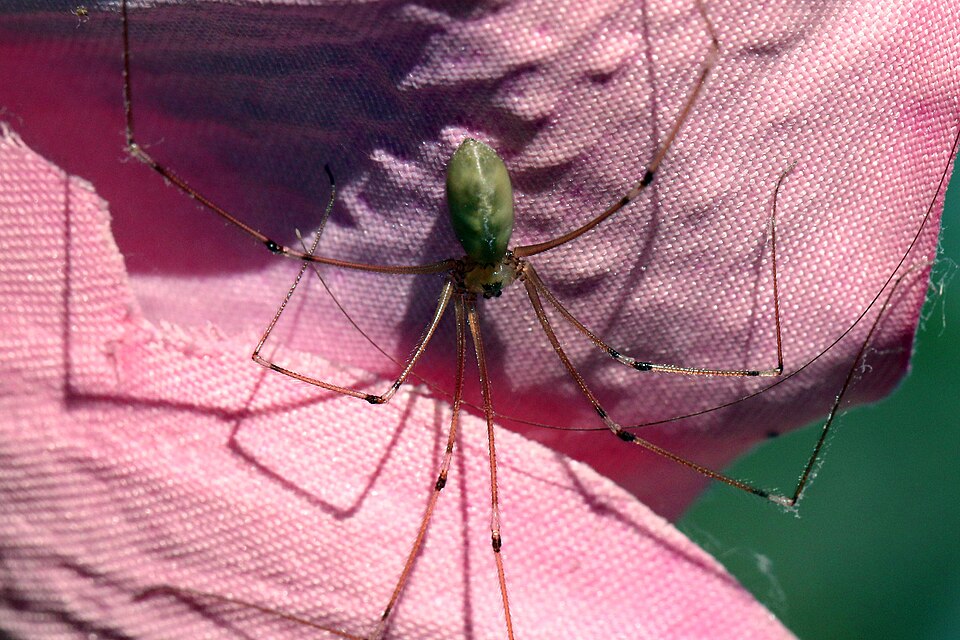
| Daddy long legs spider | A common indoor species |
| Lace-web spider | Three species are common, and they sometimes come indoors |
| Missing sector orb web spider | A harmless species that may appear indoors in autumn |
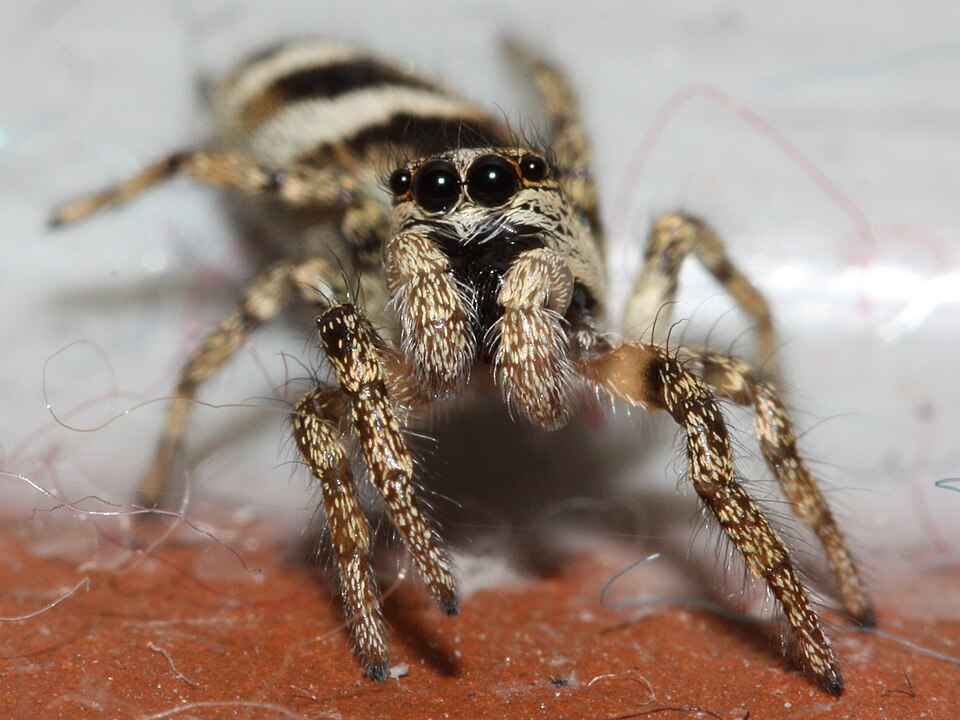
| Zebra jumping spider | Often comes into homes |
| False widow spider | Four common species are found in homes |
Sizes vary a lot, too: according to the NHM, males of the cardinal spider (Tegenaria parietina), the UK's largest, can reach a 12-centimeter leg span, while the smallest "money spiders" are barely more than two millimeters across.
Their place in the ecosystem
The NHM writes that spiders are very important in the urban environment and help keep many nuisance household insects in check, which makes them useful, eco-friendly pest controllers. According to University of Missouri Extension, spiders eat aphids, caterpillars, mosquitoes and flies; house spiders hunt flies, crickets, woodlice and other household pests. The same source says that without spiders, pest numbers would rise rapidly.
Moving a spider outside without killing it
According to the NHM, most spiders would prefer to be helped back outside. Its advice:
- Help it out: Getting a spider outside is a better option than killing it.
- Be gentle: The NHM says that if you pick one up, remember it's delicate and handle it with care.
- Identify it: The NHM's site has pages on the species commonly seen in homes; knowing which spider you're looking at takes away some of the fear.
- Shake out shoes and clothes: According to the Missouri source, most accidental bites happen when a spider is in clothing or shoes.
Frequently asked questions
Why are there more spiders in my home in autumn?
According to Surrey Wildlife Trust, males mature in early autumn and roam looking for mates; homes are warm and dry and windows are often open. Some species live indoors all year.
Is a "daddy long legs" really a spider?
According to University of Missouri Extension, harvestmen, known as daddy longlegs, are not true spiders: they have no venom, no fangs and can't make silk. The NHM, on the other hand, presents a different species called the "daddy long legs spider," which is a true spider; the names can get mixed up.
What should I do if I think I have a dangerous spider?
If you're unsure of its identity, the NHM suggests having it identified (its own service accepts photographs). For species in Türkiye, you can ask a university biology department. If symptoms after a bite are severe, seek medical care.
If you keep a tarantula or another spider at home, you can keep a molt record in Tüylüm; see our tarantula care guide for details. You can follow daily care tasks in the Today tab and collect photos in the Memory book.

Keep track of your pet's care in TüylümLog vet visits, vaccine and medication dates, and we'll remind you when it's time. Share it all with your family in Home.
Sources
- Natural History Museum · Spiders in your home
- Surrey Wildlife Trust · So why do we see more spiders in our houses come late summer and early autumn?
- University of Missouri Extension (IPM) · Taking an environmentally sensitive approach to pest management: Spiders
This article is for general information only; it is not a diagnosis or treatment advice and does not replace a visit to a veterinarian. Talk to your vet about decisions on your pet's health. By Tüylüm · Published and last checked: November 9, 2026. Spotted a mistake? Write to [email protected] and we'll fix it right away. Photos are from Wikimedia Commons, used under the license shown below each photo.