How do insects survive winter? Egg, larva, pupa and adult hiding places
When November comes, the garden goes quiet. Bees, butterflies and ladybirds seem to disappear. So where do they go? According to University of Maryland Extension, publishing an article by the Xerces Society, most insects stay where they spent the summer; they're just hidden, and often in a different life stage. This article covers the ways insects get through winter, then how to leave your yard welcoming to these small guests in autumn. Most of the sources are from the UK and the US, and the butterfly species are theirs. How insects overwinter may differ with Türkiye's climate.
- Same place, different stage: According to the Xerces Society, most insects overwinter where they spent the summer, hidden.
- Four stages: As an egg, a larva (caterpillar), a pupa or an adult. Each species overwinters in its own stage.
- Leaves insulate: Leaf litter, bark and hollow stems are the winter homes of many predatory insects.
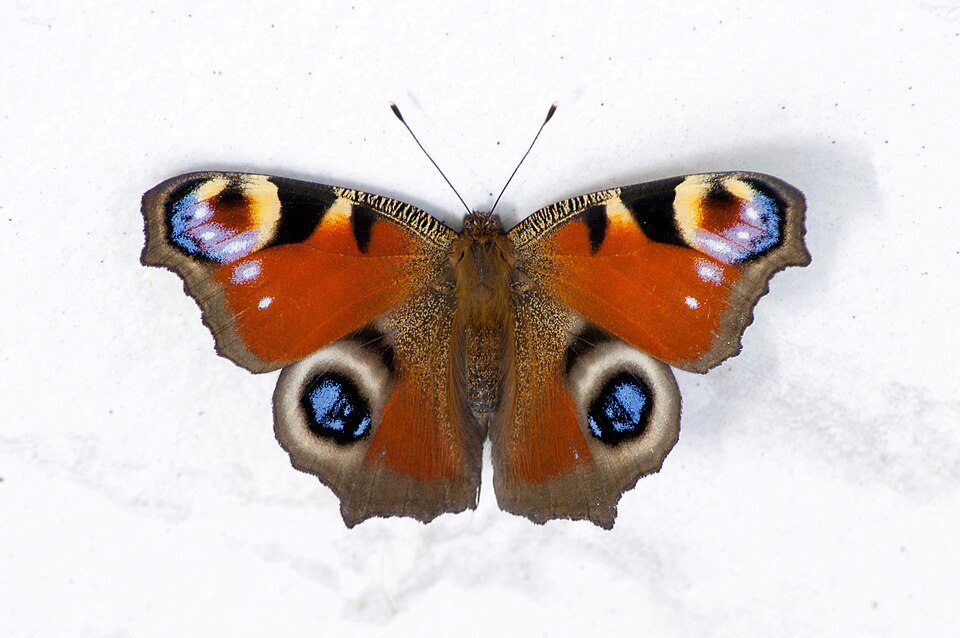
- Indoors: Some species, such as the peacock and small tortoiseshell butterflies, move into homes.
- Cleanup: You don't have to leave everything; the Xerces Society recommends tidying in some cases.
Four ways: egg, larva, pupa, adult
Yorkshire Wildlife Trust's breakdown for butterflies is a good framework for insects in general. Each species spends winter in a different stage:
| Stage | Examples (Yorkshire Wildlife Trust) |
|---|---|
| Larva (caterpillar) | Most species overwinter as caterpillars; some hide in leaf litter or grass tufts, the large skipper spins grass blades into a silk tube, and the large blue overwinters in ant nests |
| Pupa (chrysalis) | Development pauses inside the chrysalis and resumes in spring; large white pupae attach to plant stems, leaf litter and sometimes house walls |
| Egg | The black hairstreak overwinters as a fully formed larva inside its egg on shrub twigs |
| Adult | The peacock, small tortoiseshell, comma, red admiral and brimstone shelter as adults in caves, tree hollows, dense ivy, sheds and garages |
The same source adds that the painted lady avoids winter altogether by migrating south in autumn.
Leaf litter as a winter home
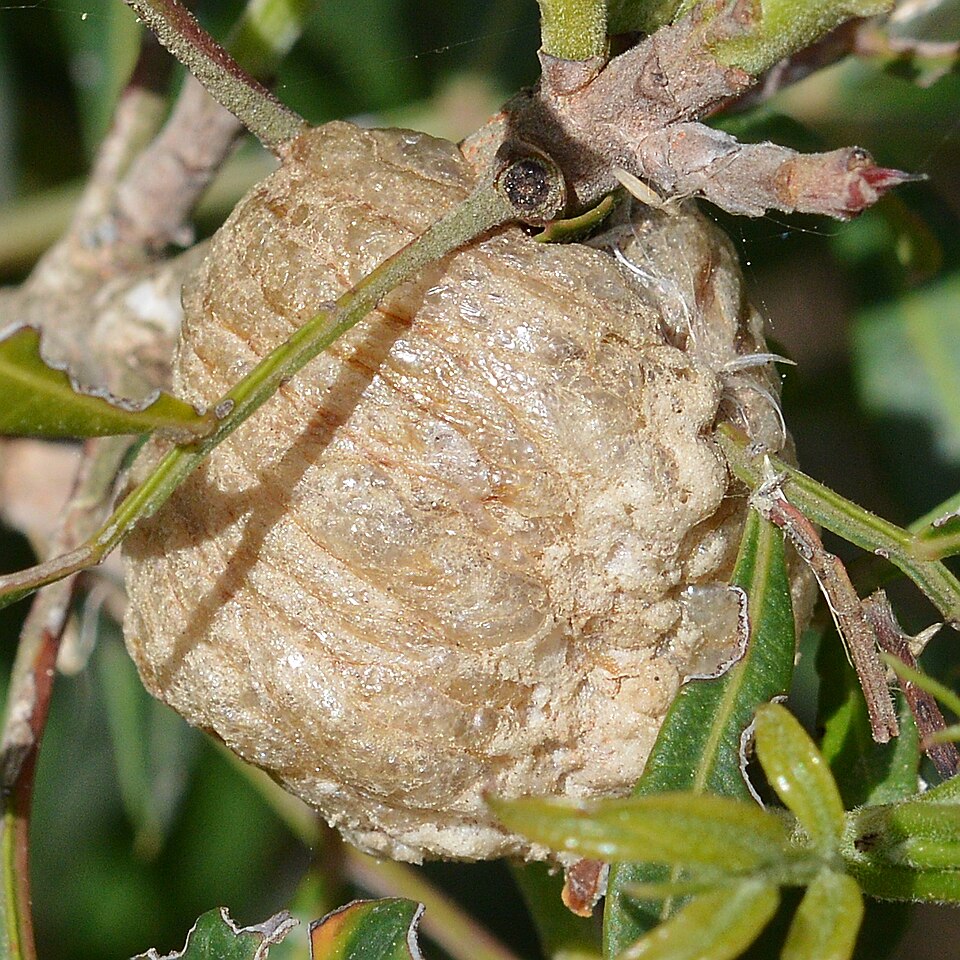
According to University of Maryland Extension, the predatory insects that help your garden also spend winter under leaves. It lists assassin bugs, minute pirate bugs, lady beetles and syrphid flies, which overwinter under leaf litter, under bark or in other sheltered places. Praying mantises overwinter as eggs attached to stems. Parasitoid wasps overwinter either inside their hosts or under leaves and bark.
The same article says only about 2% of described insect species are considered pests, while the other 98% serve roles like pollination, pest control and decomposition. Leaving the leaves means keeping predators in your yard for chemical-free pest control in spring.
An interesting example from University of Illinois Extension: firefly larvae overwinter in the soil, resume feeding in spring, then pupate. We covered the firefly life cycle in our fireflies article.
Overwintering indoors
Some insects spend winter in the place they chose, which happens to be our home.
Butterflies. According to Butterfly Conservation, only the small tortoiseshell and the peacock regularly overwinter in houses; they move in in late summer or early autumn, when homes offer cool, dry, sheltered spaces. If you find one indoors, Butterfly Conservation suggests:
- Put it in a box: Place the butterfly in a cardboard box or similar container and keep it somewhere cool for about 30 minutes so it settles.
- Move it somewhere unheated: Take it to a sheltered, unheated place such as a shed, porch, garage or outbuilding, where it can rest until spring; make sure it can leave when it wakes in early spring.
- If you have no place: Keep the butterfly cool to limit its activity, then release it outdoors during a mild spell.
The same source says indoor heating at Christmas can wake these butterflies too early, when conditions outside may be harsh and gardens often have little nectar.
Ladybirds. According to the NHM, harlequin ladybirds come indoors to prepare for hibernation; their natural winter shelters are caves and hollow trees. They hibernate in large groups, so they cluster around window frames and get in through small gaps around loose-fitting windows. The NHM's advice is not to kill them: they're harmless, and squashing them can leave yellow stains and a smell on walls. The best options are gently helping them back outside, or sealing gaps around doors and windows to keep them out.
Fall cleanup: what stays, what goes?
According to Yorkshire Wildlife Trust, gardeners can leave leaf litter and grass clumps undisturbed, since many caterpillars and pupae shelter there. Dense evergreens like ivy are also hiding places for adult butterflies. University of Illinois Extension also recommends leaving logs and leaf litter in place and not disturbing those areas. For a bigger "bug mansion," see our bug hotel article, for ladybirds our ladybirds article, and for butterflies' winter shelter our butterfly garden article.
But University of Maryland Extension also says you don't have to leave everything. It suggests:
- If you're in tick country: Rake leaves away from places people and pets frequent. If your yard borders a forest, putting leaves deeper in the woods may reduce tick encounters.
- Pick up fallen fruit: That way pest insects don't develop in the fruit and overwinter in your yard.
- Remove diseased plants: Take leaves and stems infected by fungi or other pathogens out of the yard. A home compost pile may not get hot enough to kill plant diseases; the trash bin is safer. Sanitize any tools you use.
- Pull invasive plants: In fall, some invasive plants are easy to spot; don't worry about habitat there, it's better to remove them. Replant with native plants.
University of Maryland Extension suggests keeping leaves away from where pets go in tick regions. Plan your dog's or cat's tick and parasite protection only by asking your veterinarian.
Frequently asked questions
Do insects die in winter?
According to University of Maryland Extension, most insects overwinter where they spent the summer, hidden, often in a different life stage. So winter isn't the end for every insect; for many it's part of the life cycle.
What should I do with a butterfly I find indoors?
For a small tortoiseshell or peacock, Butterfly Conservation suggests putting it in a box somewhere cool for 30 minutes, then moving it to an unheated shed or garage. Keeping it in a heated room can wake it too early.
Is it a problem to leave all the leaves in the yard?
University of Maryland Extension considers leaving them the right move in most cases, but recommends tidying in tick regions, for diseased plants and for fallen fruit. You can leave part of the yard and keep the rest tidy.
You can record the place and date where you find an overwintering butterfly or a cluster of ladybirds in the Memory book, with a photo; returning to the same spot in spring to compare makes a nice nature journal. For your dog's or cat's tick and parasite reminders, you can keep them as parasite reminders; enter the date and the product as your veterinarian tells you.

Keep track of your pet's care in TüylümLog vet visits, vaccine and medication dates, and we'll remind you when it's time. Share it all with your family in Home.
Sources
- University of Maryland Extension (Xerces Society, A. Anderson) · Leave the Leaves for Natural Pest Control
- Yorkshire Wildlife Trust · Where do butterflies go in winter?
- Butterfly Conservation · I found a butterfly in my house, what should I do?
- Natural History Museum · Why harlequin ladybirds are invading our homes
- University of Illinois Extension · Shedding light on lightning bugs
This article is for general information only; it is not a diagnosis or treatment advice and does not replace a visit to a veterinarian. Talk to your vet about decisions on your pet's health. By Tüylüm · Published and last checked: November 9, 2026. Spotted a mistake? Write to [email protected] and we'll fix it right away. Photos are from Wikimedia Commons, used under the license shown below each photo.