Hedgehog highways: cut a 13 cm gap in your fence and link up your gardens
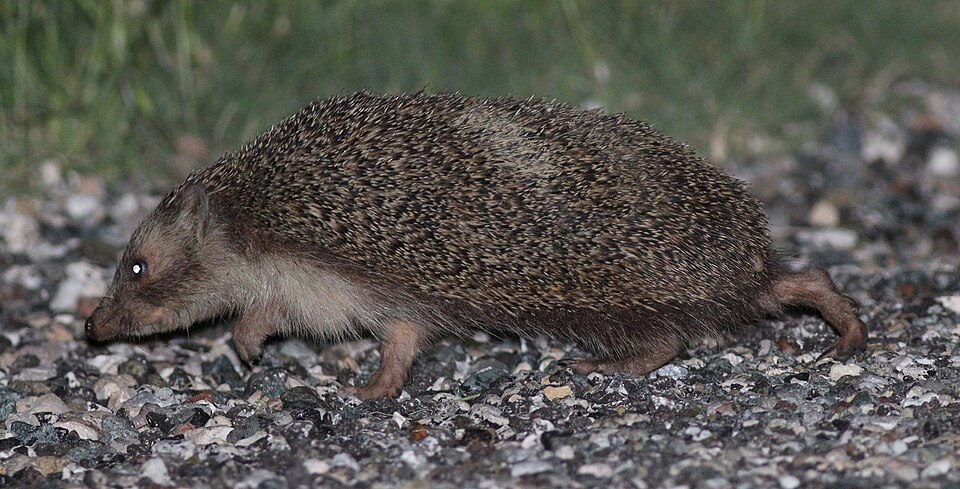
At night, a hedgehog moves from garden to garden looking for food and a mate. Every tall wall and gap-free fence in its way makes its world a little smaller. The fix is surprisingly small: a hole about the size of your palm at the bottom of the fence. In the UK, these gaps are called "hedgehog highways." We touched on the idea briefly in our article on the wild hedgehog in your garden. In this article, we walk you step by step through how to make the gap depending on your type of fence, how to talk to your neighbors, and how to keep the gap open.
- Size: According to Hedgehog Street, a 13 × 13 cm (5 × 5 in) square hole is big enough for any hedgehog and too small for nearly all pets.
- Why: According to The Wildlife Trusts and the RHS, an adult hedgehog walks 1–2 km every night and roams over an area of 10–20 hectares.
- How: Cut a hole in a wooden panel, remove a brick from the bottom of a wall, or dig a channel under the fence, wall or garden gate.
- Neighbor first: The gap sits on a shared boundary; talk to your neighbor and get their OK before you start.
- Keep it open: Hang a small label above the gap so nobody blocks it by accident.
Why isn't one garden enough?
According to The Wildlife Trusts and the RHS (Royal Horticultural Society) hedgehog booklet, an adult hedgehog travels 1–2 km a night and roams over an area of 10–20 hectares. In the suburbs, that means wandering across an entire neighborhood or housing development. According to Hedgehog Street, a lasting hedgehog population needs at least 90 hectares of connected land.
| Measure | Value | Source |
|---|---|---|
| Distance walked in one night | 1–2 km | The Wildlife Trusts and RHS |
| Area it roams | 10–20 hectares | The Wildlife Trusts and RHS, Hedgehog Street |
| What a lasting hedgehog population needs | At least 90 hectares of connected land | Hedgehog Street |
| An average garden in the UK | About 150 m² | Hedgehog Street |
According to Hedgehog Street, new fences chopping these areas into pieces are one of the possible major reasons behind the decline of hedgehogs. Hedgehogs don't need separate gardens; they need a network of connected land. In the words of The Wildlife Trusts and the RHS, no garden can help hedgehogs on its own, but when gardens are linked together, hedgehogs can thrive anywhere.
How big should the gap be, and where?
According to Hedgehog Street, a 13 × 13 cm (5 × 5 in) square hole is enough for any hedgehog to pass through. That size is too small for nearly all pets. Make the hole at the very bottom of the fence panel or wall, at ground level.
Depending on your fence: how to make the gap
A wooden fence panel
For The Wildlife Trusts' method, all you need is a ruler, a pencil, a coping saw, some sandpaper and your neighbor's OK.
- Take the panel out: If your neighbor agrees, remove the fence panel. If the panel is staying in place, you can use a narrow pad saw (jab saw) instead of a coping saw.
- Measure and mark: Draw a 13 × 13 cm square at the bottom of the panel.
- Cut: Cut out the square you marked with the saw.
- Sand: If needed, smooth any rough edges with sandpaper.
- Put it back: Replace the panel; the gap is ready.
Hedgehog Street reminds you to be careful with tools and to get help if you need it.
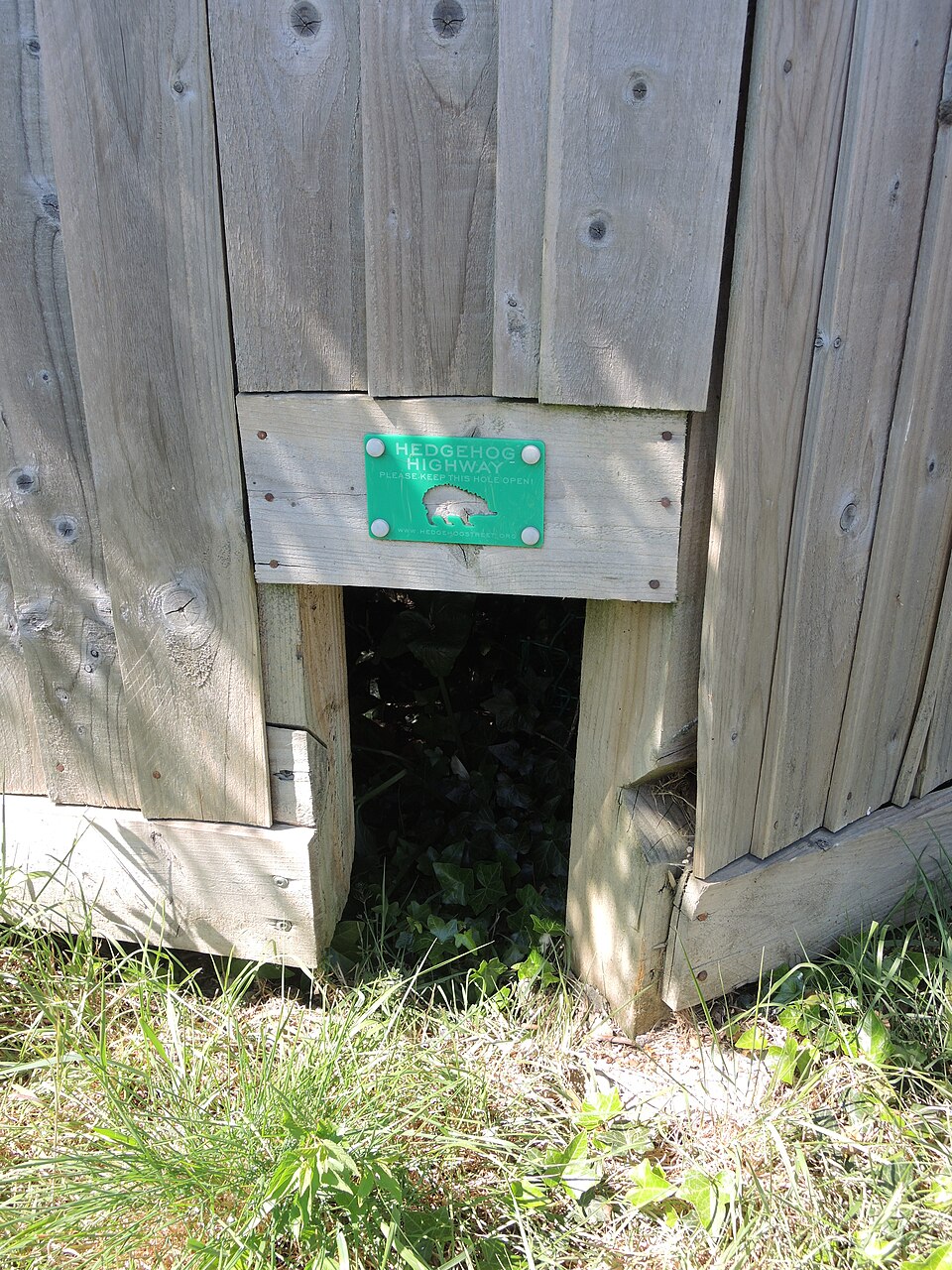
A brick or cinder block wall
Hedgehog Street suggests removing a brick from the very bottom of the wall. If you aren't sure the wall will stay sound, ask a builder before you start.
Can't make a hole? Dig a channel underneath
According to Hedgehog Street and The Wildlife Trusts, digging a channel under the wall, fence or garden gate works too.
Gap-free fences and fences with a concrete base
According to Hedgehog Street, overlapping wooden fences with no gaps at all are like a permanent wall to a hedgehog. In the UK, some companies sell fences and gravel boards (the concrete or wooden strip along the bottom of a fence) with hedgehog gaps already cut into them. If you're having a new fence put in, ask the installer to leave a gap from the start. According to The Wildlife Trusts, when someone is doing work on their garden or has called in a fencing contractor, that's the best time to get a gap added.
Best of all: a hedge
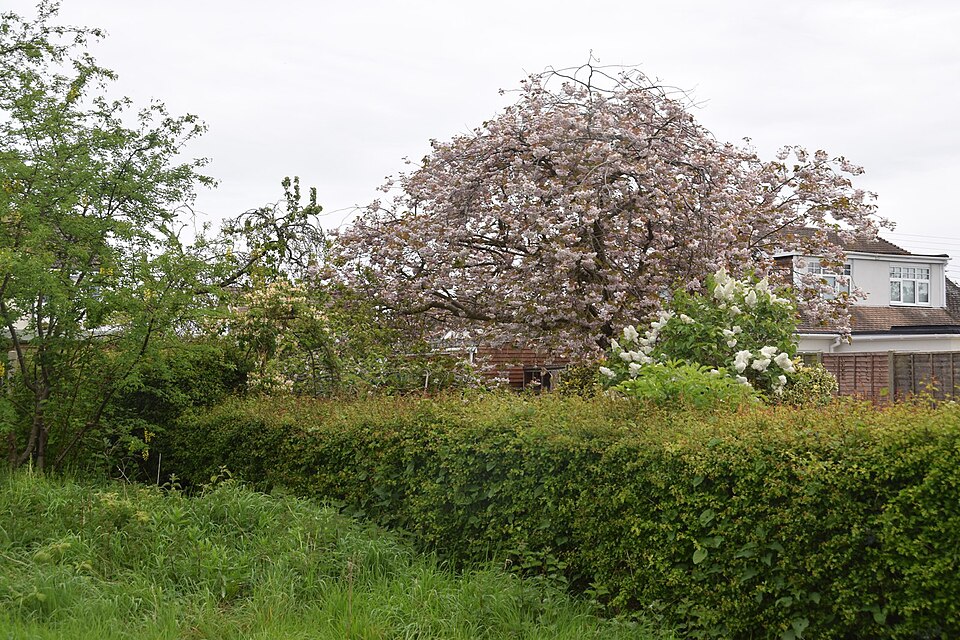
According to Hedgehog Street, the ideal option is to swap walls and fences for a hedge made of shrubs. A hedge gives a hedgehog shelter, food and a route in and out of the garden, and it helps birds and bees too.
Talk to your neighbor first
The gap sits on the boundary between two gardens. The Wildlife Trusts asks you to check with your neighbors and get their agreement before you start. According to Hedgehog Street, one garden isn't enough for a hedgehog; helping hedgehogs takes people working together.
- Give a heads-up: The Wildlife Trusts and RHS booklet suggests posting small invitations through your neighbors' doors, or even throwing a little hedgehog-themed get-together to break the ice.
- Watch for garden work: If a neighbor is having work done in their garden or has called in a fencing contractor, suggest adding a gap at the same time (The Wildlife Trusts).
- If you live in an apartment or a housing complex: According to the same booklet, try to influence how shared green spaces are managed: go to management meetings or join a volunteer "friends of" group for your local park. For example, at your building's management meeting you could suggest adding hedgehog gaps to the perimeter wall or to the fences between gardens.
Will my pets get out?
According to Hedgehog Street, a 13 × 13 cm hole is too small for most dogs. Many cats can climb fences anyway. Still, if you want peace of mind, turn the hole into a short tunnel, for example with a cinder block. In one of Hedgehog Street's fencing trials, too, the gaps were big enough for even the fattest hedgehog but too small for pets.
Keep the gap open
- Hang a label: Hedgehog Street suggests pinning a small label above the gap so nobody blocks it by accident. A small sign that says "Hedgehog gap, please keep open" does the same job.
- Keep the front clear: Don't pile flowerpots, firewood or other things in front of the gap.
- Put it on the map: In the UK, gaps people make are recorded on Hedgehog Street's BIG Hedgehog Map.
- Is your garden safe? The gap brings hedgehogs into your garden. We covered dangers such as compost heaps, drains and dogs in our article on hidden garden dangers for hedgehogs.
Frequently asked questions
My neighbor doesn't want a hole in the fence. What can I do?
The fence on a shared boundary belongs to both of you, and the sources say to get your neighbor's agreement first. If their worry is pets, explain that, according to Hedgehog Street, a 13 × 13 cm hole is too small for most dogs and can be turned into a tunnel with a cinder block. If that doesn't work, try digging a channel under your own garden gate or another of your boundaries.
I don't have a garden; I live in an apartment. Can I still do something?
Yes. According to The Wildlife Trusts and the RHS, people who live in apartments can influence how shared green spaces are managed. Go to management meetings and suggest hedgehog gaps for the perimeter wall and fences of the shared garden.
I made a gap but haven't seen a single hedgehog. Should I bring one in from somewhere else?
No. According to Hedgehog Street, hedgehogs are inconspicuous; garden owners sometimes think they have no hedgehogs, because most of us aren't out in the garden at 3 a.m. To find out whether one is visiting, try the footprint tunnel in our article Is there a hedgehog in your garden?. According to Hedgehog Street, the best thing to do is make your garden hedgehog-friendly so nearby hedgehogs move into it on their own.

Keep track of your pet's care in TüylümLog vet visits, vaccine and medication dates, and we'll remind you when it's time. Share it all with your family in Home.
Sources
- Hedgehog Street (PTES and BHPS) · Link your garden with a hedgehog highway
- Hedgehog Street · I want a hedgehog for my garden – where can I get one?
- Hedgehog Street · Tackling garden fencing
- Hedgehog Street · Pets and hedgehogs
- The Wildlife Trusts · How to create a hedgehog hole
- The Wildlife Trusts and RHS · Wild About Gardens: Hedgehogs (PDF)
By Tüylüm · Published and last checked: October 28, 2026. Spotted a mistake? Write to [email protected] and we'll fix it right away. Photos are from Wikimedia Commons, used under the license shown below each photo.