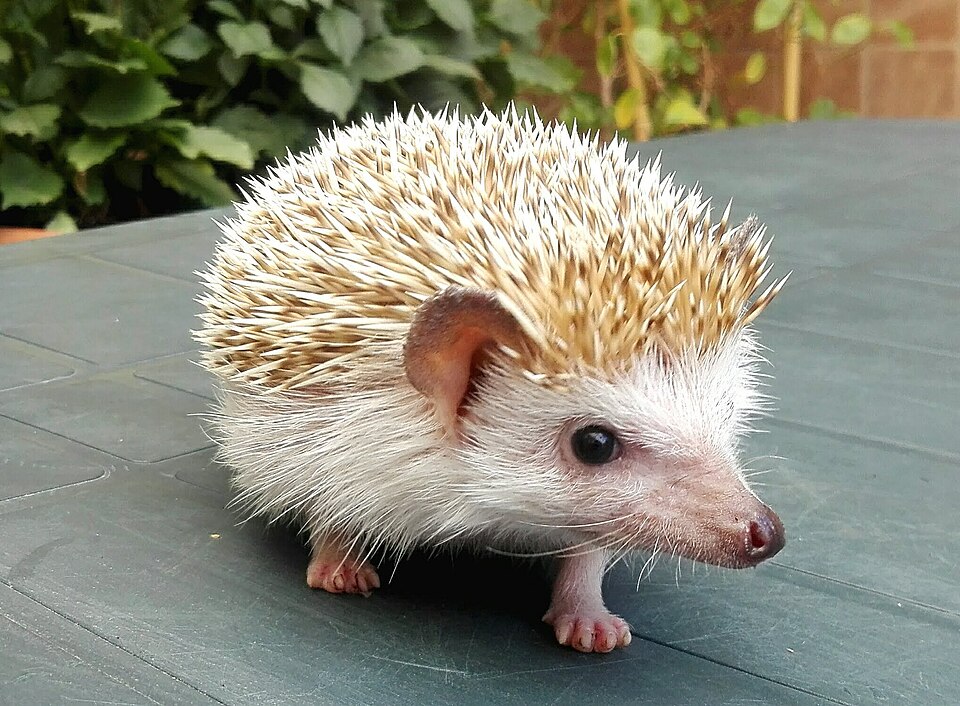
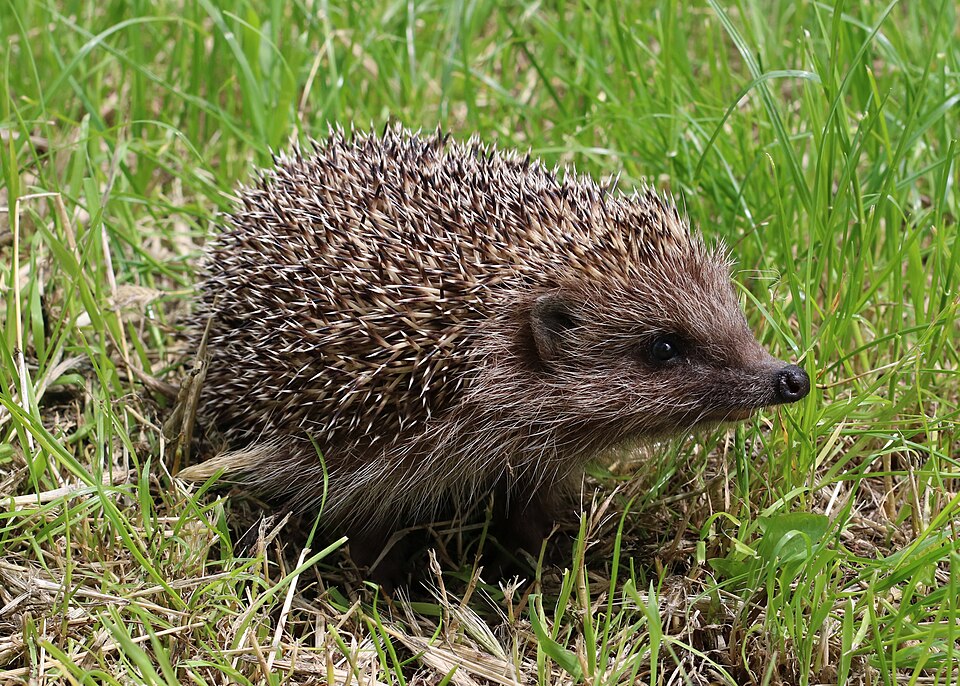
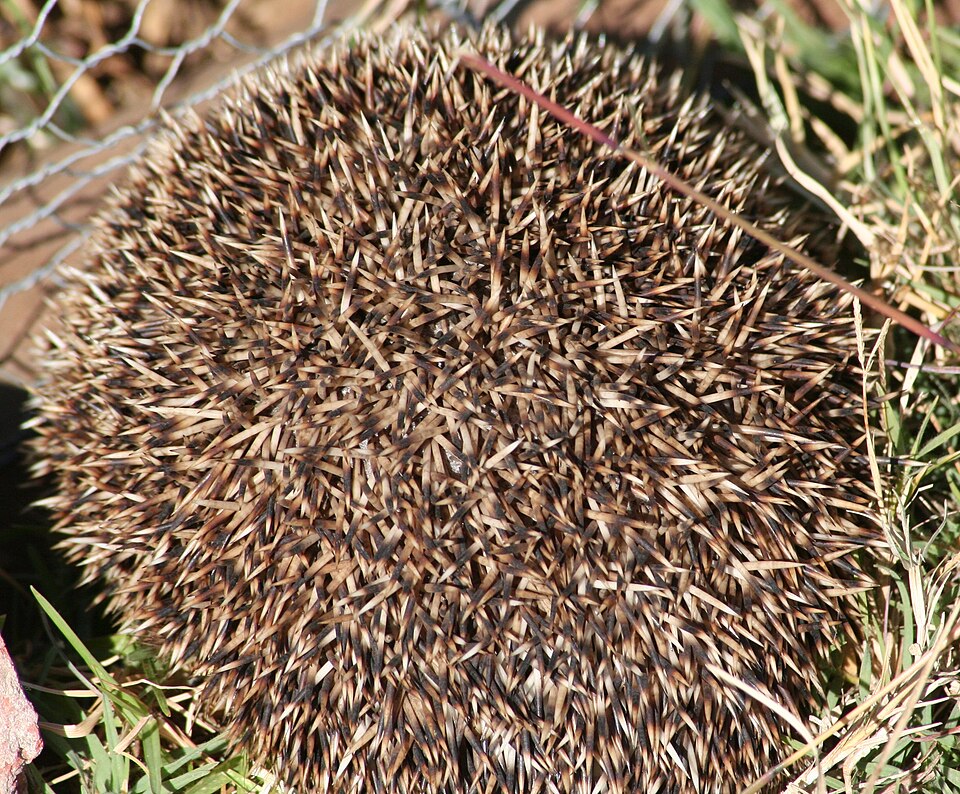
Is there a hedgehog in your garden? Tell by droppings, footprints, night-time noises and a footprint tunnel
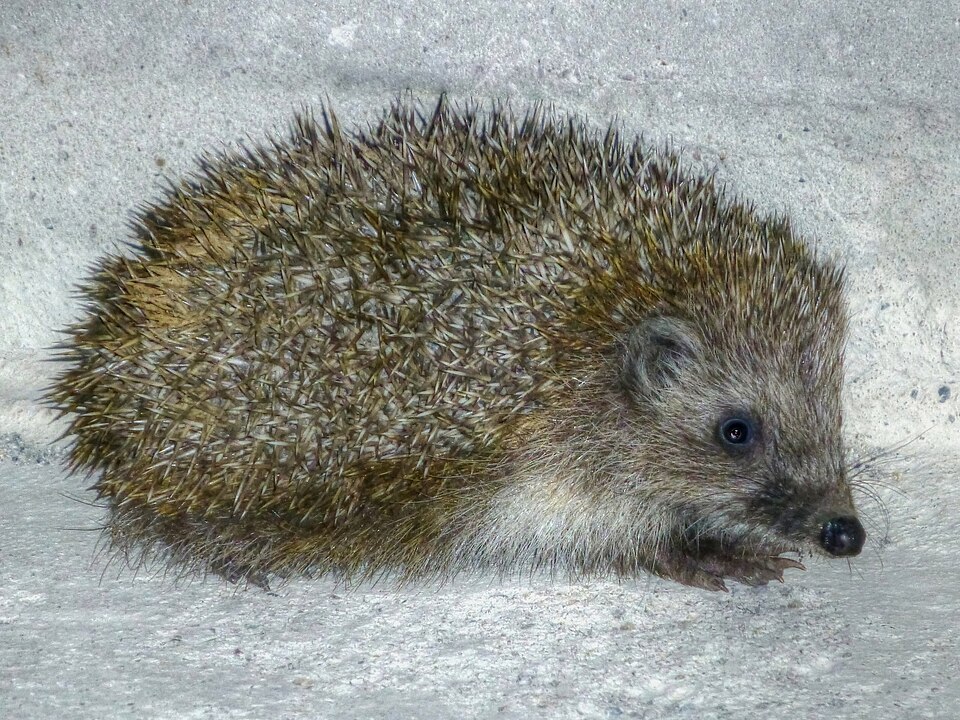
In the morning, you spot something small and dark on the lawn. Is it a slug, or did a hedgehog stop by your garden in the night? Hedgehogs are nocturnal and inconspicuous. According to Hedgehog Street, garden owners sometimes think they have no hedgehogs when they actually do, because most of us aren't out in the garden at 3 a.m. According to the RSPCA, as many as 10 different hedgehogs may visit the same garden over several nights; so "your hedgehog" may actually be several hedgehogs visiting at different times. In this article, we've gathered the signs hedgehogs leave behind and ways to find out they're around without disturbing them.
- Droppings: Dark brown-gray or black, firm, cylindrical, 15–50 mm long, with bits of insect shell inside (Hedgehog Street).
- Footprints: Each foot has five toes, but often only four show in the print. The front footprint looks like a tiny handprint.
- Noises: The snorting and puffing you hear on spring and summer nights may be hedgehogs courting.
- Footprint tunnel: With PTES's method, an "ink" made of vegetable oil and charcoal powder, two sheets of paper and a handful of food, you can get a hedgehog to leave its footprints on paper.
- Night camera: Motion-activated night cameras show who visits your garden and how often.
Why can't you see them?
According to PTES (People's Trust for Endangered Species, a UK charity that works for endangered species), hedgehogs are hard to detect because they're nocturnal and inconspicuous. Until recently, there wasn't even a reliable way to tell whether hedgehogs were present somewhere. Today there are two ways: read the signs a hedgehog leaves behind, or "catch" it with a footprint tunnel or a camera.
According to PTES, hedgehogs in the UK are active from April to October, and hedgehog surveys are carried out during this period. In Turkey, this period may differ depending on the climate where you live. We covered hibernation in our article on hedgehog houses and hibernation.
Droppings: the little "dark slug" on the lawn
According to Hedgehog Street, hedgehog droppings are usually dark brown-gray or black and firm, often packed with the hard outer shells of insects. They're roughly cylindrical and sometimes tapered at one end. They range from 15–50 mm long, and you'll usually find one on its own. According to Hedgehog Street, a dropping can look like a dark slug on the lawn. The RSPCA gives a length of about 5 cm and says they can contain bits of insects and worms. What they look like varies with what the hedgehog has been eating.
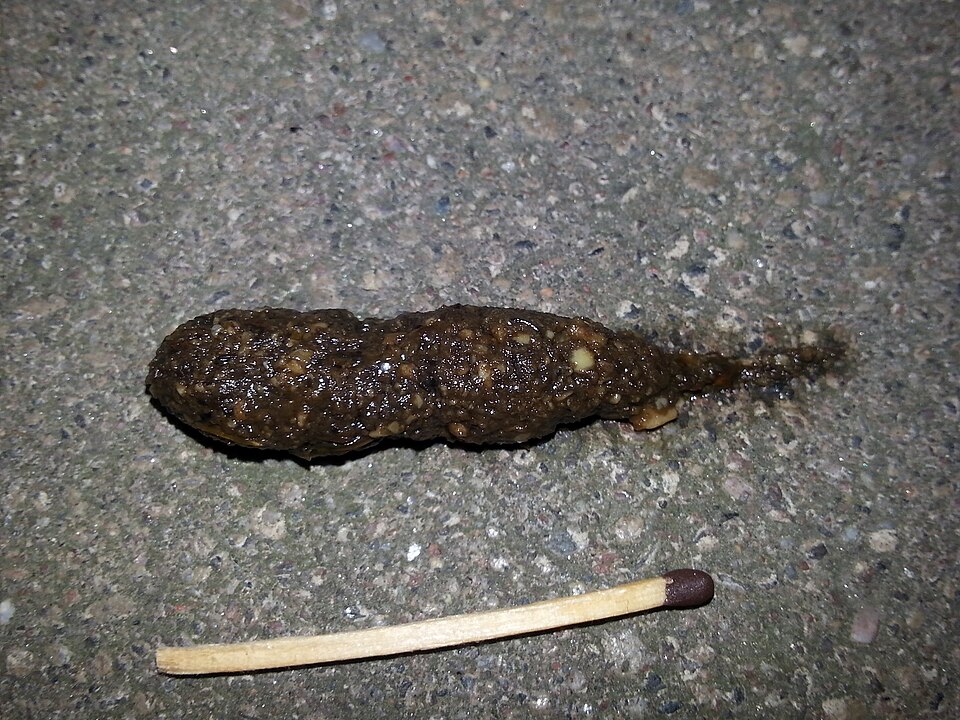
Don't touch droppings with your bare hands. If you want to take a closer look, wear gloves and wash your hands afterward; PTES also reminds people to wash their hands after collecting footprint tunnels and handling droppings.
According to the RSPCA, the look of a dropping can also be a clue that a hedgehog may be sick. If a dropping looks unusual, or there's a hedgehog in your garden that seems weak, don't step in yourself; without delay, contact a vet or, if you live in Turkey, your province's office of Nature Conservation and National Parks (DKMP). We covered which signs to look for in our article on the wild hedgehog in your garden.
Footprints: tiny hands
According to Hedgehog Street and the RSPCA, a hedgehog has five toes on each front and back foot, but often only four show in the prints. The front feet are wider and leave prints like tiny handprints. The back feet are slimmer and longer, and their prints are narrower.
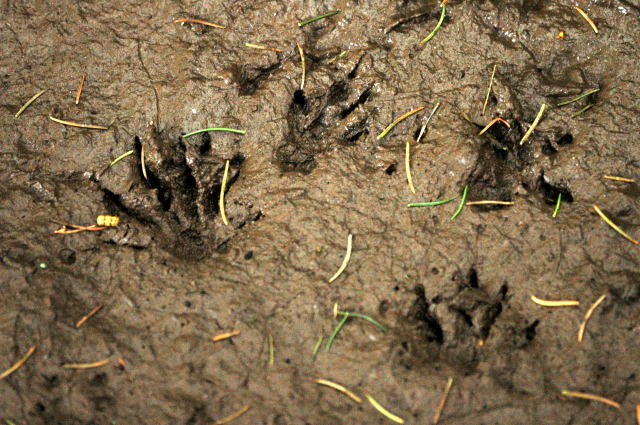
According to Hedgehog Street, prints in mud can look different from the ones a footprint tunnel records on paper. If you want to be sure, set up a footprint tunnel.
Night-time noises: snorting, puffing, chasing
According to Hedgehog Street, hedgehogs breed between April and September; in the UK, the busiest period is May and June. The male circles the female for a long time, snorting and puffing rhythmically. The commotion attracts rival males too, and head-butting and chases are common. As Hedgehog Street puts it, if you hear quite a racket coming from the garden at night, don't worry; it could be hedgehogs. Listen from a distance, and don't go closer and disturb them.
The footprint tunnel: get a hedgehog to sign in
According to PTES, footprint tunnels are currently the only statistically reliable way to tell whether hedgehogs are present in an area. The tunnel is a triangular plastic channel with a removable base. Food sits in the middle of the base, with ink strips on either side and paper at both ends. The hedgehog walks in to eat the food and leaves its footprints on the paper on the way out. You can buy ready-made tunnels, but according to PTES it's cheaper to make your own.
- Make the tunnel: PTES's instructions use a sheet of black corrugated plastic. Cut a 21 × 100 cm strip from the sheet; this will be the base. Mark the rest of the sheet into four equal sections, fold it, and fasten it with Velcro into a triangular tunnel.
- Attach the paper: Fasten a sheet of A4 paper to each end of the base.
- Make the ink: Mix vegetable oil and charcoal powder 1 to 1. In the middle of the base, stick down strips of masking tape 8 cm wide on either side of where the food will go, leaving a gap of about 6 cm for the food between them. Use a sponge to spread the mixture over the tape about 1–2 mm thick.
- Add the food: Put a small handful of dry hedgehog food in the small dish in the middle.
- Put it in the right spot: According to PTES, hedgehogs follow straight features such as fences, walls and hedge lines to find their way. Place the tunnel lengthwise along these features, with the entrances flush with the ground. Hedgehogs prefer to walk on short grass. Peg the tunnel down so it doesn't blow away.
- Check every day: According to PTES, prints keep best in the morning, especially in wet weather. Replace the paper and the food. PTES's method runs for 5 nights in a row.
- Other prints may show up: You may also see prints from animals such as cats, rats and squirrels on the paper. PTES's guide has life-size sample prints you can compare them with.
- If you have a dog: According to PTES, checking in the evening can stop dogs from tampering with the food during the day. Put the tunnel along a fence your dog doesn't visit much.
- Expect some mess: According to PTES, the ink may not wash off; use things you don't mind getting dirty, and wear disposable gloves if you like.
Night camera
According to Hedgehog Street, motion-activated "trail cameras" with night vision, infrared or low-light capability are very useful for working out who visits a spot and how often. Many volunteers keep an eye on the hedgehogs in their gardens with these cameras. Point the camera at the bottom of a fence where you think a hedgehog passes, or at the gap between gardens; make sure it doesn't film your neighbors' gardens or the street.
If you have a visitor
Once you know a hedgehog is visiting, helping it isn't hard:
- Water and extra food: Water in a shallow dish, and what you can put out: wild hedgehog in your garden.
- A gap: A 13 × 13 cm doorway between gardens: hedgehog highways.
- Safety: Compost heaps, sheds, drains and dogs: hidden garden dangers for hedgehogs.
Frequently asked questions
The food I leave out is gone every morning. That means I have a hedgehog, right?
Not necessarily. According to the RSPCA, cats will often eat meaty food left out for hedgehogs. To see who's eating it, set up a footprint tunnel or a night camera near the dish. To keep the food away from cats, you can make a simple feeding station; we explained how in our article on hidden garden dangers for hedgehogs.
No hedgehog prints showed up in my footprint tunnel for several nights. Does that mean there are no hedgehogs?
Not yet. In PTES's surveys, 10 tunnels at least 100 m apart are set up across a 1 km² area and checked for 5 nights in a row; only then, if no prints show up, can you be 95% sure there are no hedgehogs in that area. A single tunnel in your garden staying empty for a few nights isn't enough proof. Move the tunnel to another fence line, or try again at another time of year when hedgehogs are active.
Which months should I look for signs?
According to PTES, hedgehogs in the UK are active between April and October. Because they spend most of the winter hibernating, signs are harder to find then. In Turkey, this period may vary depending on the climate where you live.

Keep track of your pet's care in TüylümLog vet visits, vaccine and medication dates, and we'll remind you when it's time. Share it all with your family in Home.
Sources
- Hedgehog Street (PTES and BHPS) · Hedgehog tracks and signs
- PTES · Guidance for detecting hedgehogs using footprint tracking tunnels (PDF)
- RSPCA · Hedgehogs in the garden
- Hedgehog Street · I want a hedgehog for my garden – where can I get one?
- Hedgehog Street · Hedgehog breeding and babies
- Hedgehog Street · Trail cameras
By Tüylüm · Published and last checked: October 28, 2026. Spotted a mistake? Write to [email protected] and we'll fix it right away. Photos are from Wikimedia Commons, used under the license shown below each photo.