Hedgehog myths: milk, apples, fleas, snake venom and the "hedgehog sunbathing in the day"
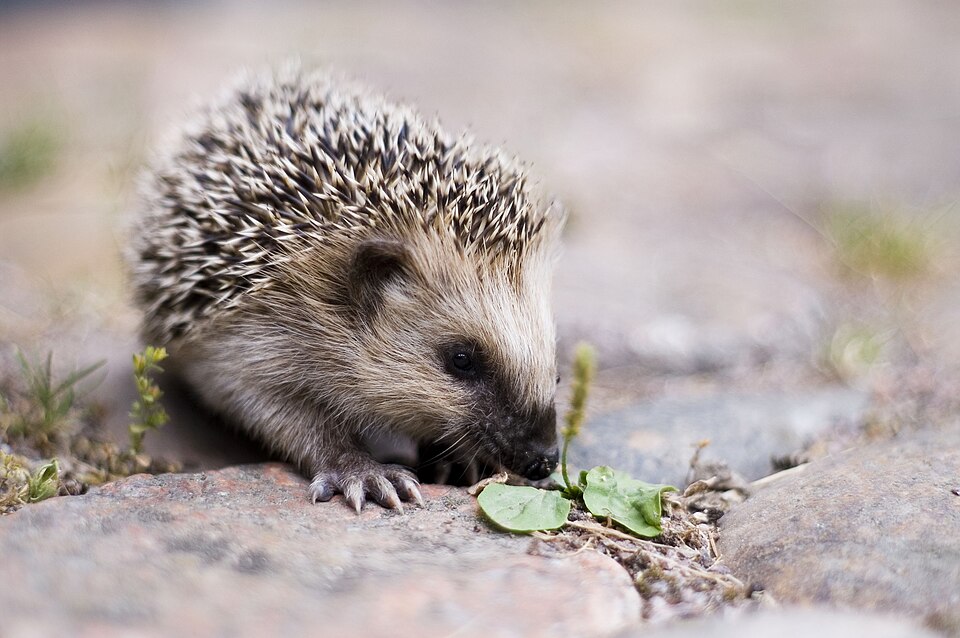
In children's books, the hedgehog is a cute animal that spears apples on its back, carries them home and sips milk from a saucer. Real hedgehogs have little to do with these stories. Some myths are harmless tales; others (giving milk, leaving a hedgehog that's sunbathing alone) can hurt the animal. In this article we correct common myths based on what the British Hedgehog Preservation Society (BHPS), Hedgehog Street and the RSPCA write. We only wrote what the sources could confirm and deliberately left out claims we couldn't verify.
- Milk: Hedgehogs can't digest lactose; milk makes them ill. Offer only water.
- Apples: According to Hedgehog Street, the idea that hedgehogs carry fruit on their spines is "almost certainly untrue".
- Fleas: Hedgehogs don't need fleas to survive.
- Eyes: Hedgehogs aren't blind, but their eyesight is poor; they rely mostly on smell and hearing.
- Sunbathing: A hedgehog lying out in the sun isn't resting; according to the BHPS, it urgently needs help.
1. "Hedgehogs love milk"
According to Hedgehog Street's history page, old tales said hedgehogs drank straight from cows' udders. The charity doubts a hedgehog could manage that, but accepts it might lap up liquid leaking from a full udder. The reality: hedgehogs are lactose intolerant, milk makes them ill, and only water should be left out for them. The RSPCA also writes that milk can cause diarrhea. We covered what to offer in food and water for hedgehogs.
2. "Bread is a harmless food"
Bread is the second mistake often mentioned alongside milk. According to Hedgehog Street, bread is low in energy; according to the RSPCA, it offers a hedgehog no nutritional benefit. Meaty wet cat or dog food is the option both charities recommend.
3. "Hedgehogs carry apples on their spines"
According to Hedgehog Street, in medieval times people around the world believed hedgehogs carried fruit impaled on their spines. The charity calls this "almost certainly untrue", because hedgehogs usually walk with their spines flattened and would struggle to impale fruit.
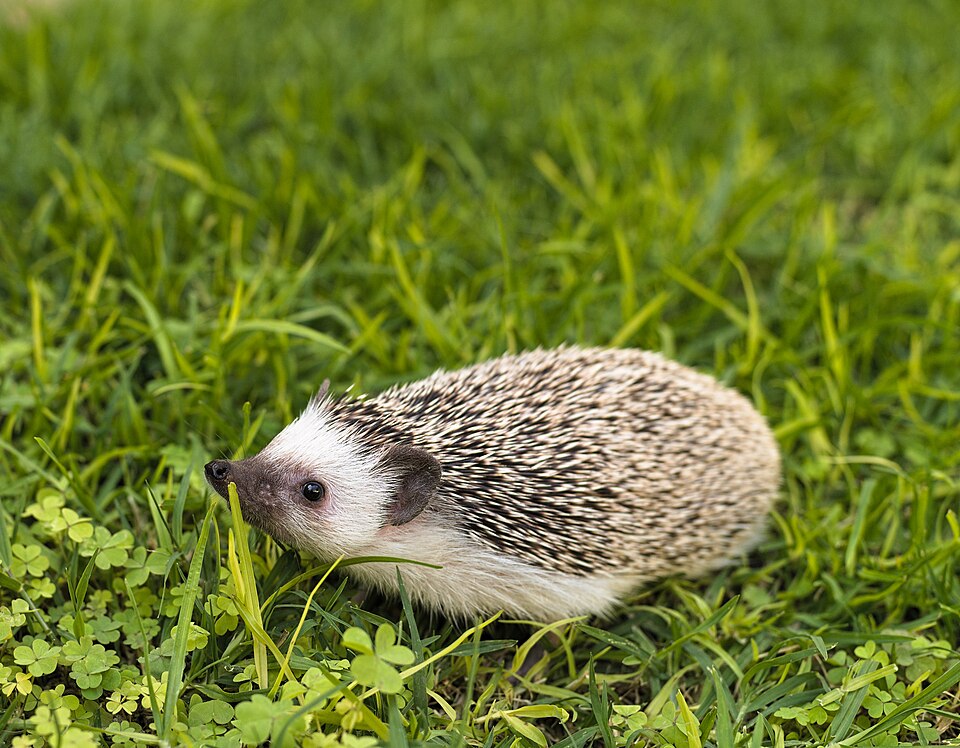
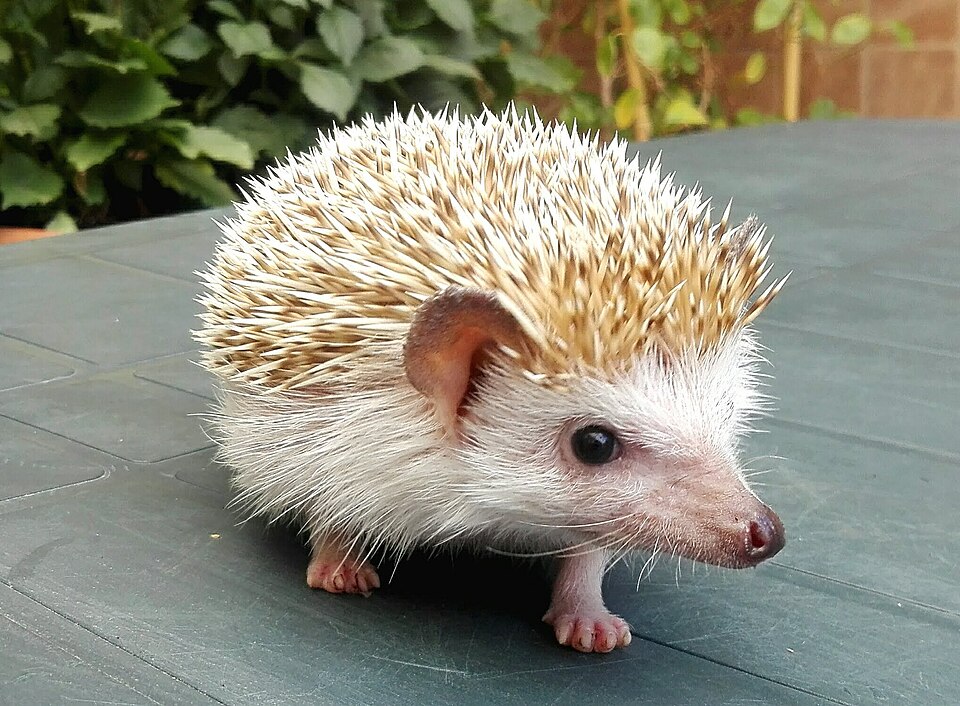
According to the BHPS, a hedgehog's spines are modified hairs about 2-3 cm long, and an adult has roughly 5,000 to 7,000 of them. Muscles under the skin raise and lower the spines and let the animal curl into a ball. We explained why hedgehogs roll up and raise their spines in this article.
4. "Hedgehogs can't live without their fleas"
According to the BHPS's FAQ, not all hedgehogs have fleas; many of those rescued have none. The BHPS calls the idea that hedgehogs need their fleas to survive an old wives' tale.
5. Are hedgehogs blind and slow?
According to the BHPS's "How well do you know your hedgehog?" page, hedgehogs have small, bright eyes but see poorly; they rely mainly on smell and hearing. They aren't blind. They're not especially slow either: according to the same page, a hedgehog can run about as fast as a person walks. On their nightly rounds they can cover 1-3 km.
6. "Hedgehogs are immune to snake venom"
According to Hedgehog Street, it has been suggested that hedgehogs are immune to snake venom. Research shows partial resistance instead; a bite to the face or leg could still make a hedgehog seriously ill or kill it.
7. Do male hedgehogs help raise the young?
According to the BHPS, no: hedgehogs don't form pair bonds and females raise the young alone. Adults are generally solitary and avoid each other outside the mating season.
8. "A hedgehog napping or sunbathing in the day is fine"
This is the most dangerous myth. According to the BHPS, hedgehogs are nocturnal and shouldn't be seen out in the daytime, and a sunbathing hedgehog urgently needs help. On the other hand, not every hedgehog seen in the daytime is ill: according to Hedgehog Street, in summer mother hedgehogs may forage by day for food and nesting material. We collected the detailed signs in the hedgehog that needs help.
| Myth | The fact, according to the sources |
|---|---|
| Drinks milk | Can't digest lactose; milk makes it ill (Hedgehog Street, RSPCA) |
| Eats bread | Little or no nutritional value (Hedgehog Street, RSPCA) |
| Carries fruit on its spines | "Almost certainly untrue" (Hedgehog Street) |
| Needs its fleas | Not all hedgehogs have fleas, and it doesn't need them (BHPS) |
| Blind | Poor eyesight; smell and hearing come first (BHPS) |
| Very slow | Can run about as fast as a person walks (BHPS) |
| Immune to snake venom | Partial resistance; a bite can still kill (Hedgehog Street) |
| The male helps raise the young | No pair bond; the female raises them alone (BHPS) |
| A sunbathing hedgehog is fine | Urgent help needed (BHPS) |
What we describe here is based on sources written for hedgehogs in Britain (Erinaceus europaeus). The hedgehogs in Türkiye belong to the same genus. Even so, for any health or rescue decision, ask a local veterinarian or your regional General Directorate of Nature Conservation and National Parks (DKMP) office.
Tüylüm is for pets at home. If you have a pet African pygmy hedgehog, see African pygmy hedgehog care; Weight tracking and My vet visits keep health records in one place.
Frequently asked questions
Do hedgehogs really carry apples on their backs?
No. According to Hedgehog Street, this is a medieval belief and almost certainly untrue: hedgehogs usually walk with their spines flattened, so they'd struggle to impale fruit.
Can I leave milk out for the hedgehog in my yard?
No. According to Hedgehog Street, the RSPCA and the BHPS, hedgehogs can't digest lactose. Leave a shallow dish of water.
Do hedgehogs live alone?
Yes. According to the BHPS, adult hedgehogs are generally solitary and avoid each other outside the mating season.

Keep track of your pet's care in TüylümLog vet visits, vaccine and medication dates, and we'll remind you when it's time. Share it all with your family in Home.
Sources
- Hedgehog Street (PTES and BHPS) · History of the hedgehog
- British Hedgehog Preservation Society · How well do you know your hedgehog?
- British Hedgehog Preservation Society · Hedgehog FAQ
- Hedgehog Street · Feeding hedgehogs
- Hedgehog Street · Found a sick or injured hedgehog?
- RSPCA · Hedgehogs in the garden
This article is for general information only; it is not a diagnosis or treatment advice and does not replace a visit to a veterinarian. Talk to your vet about decisions on your pet's health. By Tüylüm · Published and last checked: November 9, 2026. Spotted a mistake? Write to [email protected] and we'll fix it right away. Photos are from Wikimedia Commons, used under the license shown below each photo.