Kids and dogs at home: supervision, a place your dog can retreat to, and rules to teach your child
A dog that grows up alongside a child is many families' dream. According to the RSPCA, living with a dog can help children develop kindness, understanding and respect for living things. But the same organization also points out an important fact: young children are far more likely to be bitten than any other group, and people are far more likely to be bitten by their own family's dog than by an unfamiliar one. In other words, it's not only the dog on the street you need to watch, but also the friend at home. In this article, based on advice from Dogs Trust, the RSPCA and PDSA, we explain how to keep children and dogs safe together at home.
- Never leave them alone: According to PDSA, never leave a child alone with a dog, even for a few minutes; even if it's your own dog.
- Being nearby isn't enough: According to Dogs Trust, being in the same room isn't enough; you need to watch closely so you can step in when needed.
- Stay close, step in, separate: Dogs Trust's three steps. If you can't watch, use a baby gate, a play pen or a separate room.
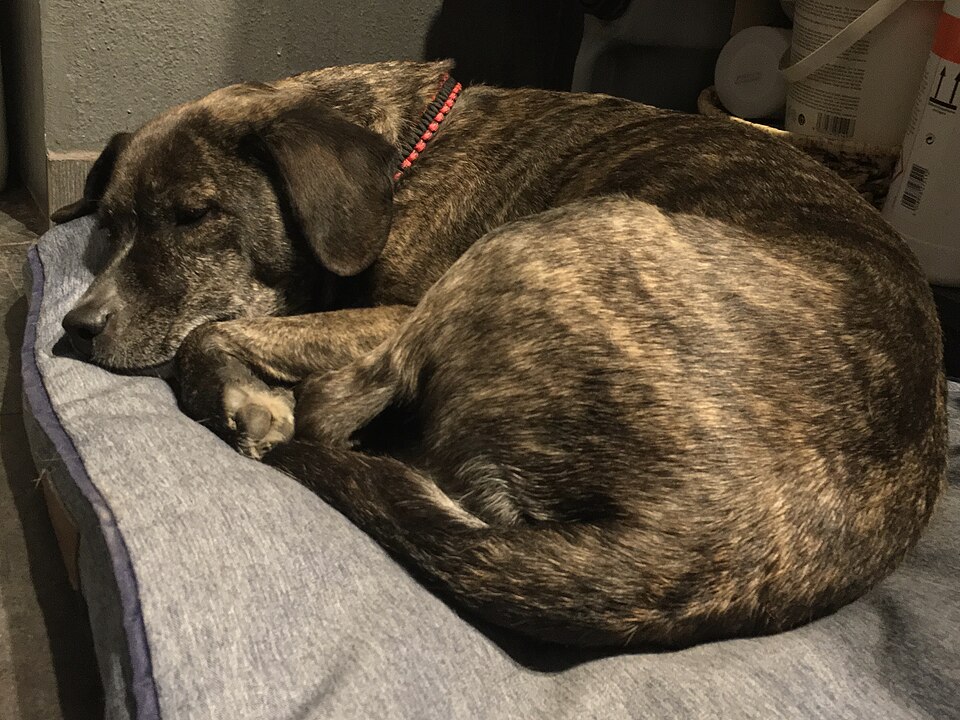
- A spot of its own: Your dog should have a quiet place to rest away from the children, where nobody disturbs it.
- A busy dog is left alone: Leave a dog alone when it's eating, sleeping, resting or playing with its toy.
- No hugging: According to Dogs Trust, hugs and kisses can make a dog feel trapped and worried; gentle strokes are better.
Supervision: "I'm right here" isn't enough
The RSPCA's first golden rule is clear: stay with your children when they're around dogs, and never leave a child alone in the same room as a dog, even your own. PDSA says the same: not even for a few minutes. According to Dogs Trust, whenever a dog is with children, whether they're yours or a guest's, they should always be closely supervised by an adult.
So what does supervision actually mean? According to Dogs Trust, being nearby isn't enough; you need to really pay attention so you can step in. Being "in the same room" while you look at your phone or cook doesn't count as supervision. Dogs Trust explains it in three easy steps:
- Stay close and pay attention: Be close enough to notice your child's behavior that might worry the dog, and the dog's small signs of unease.
- Step in: Intervene as soon as you notice a problem. Ask your child to stop or to be gentler, move your child away, or call the dog over to you.
- Separate: Separate them when you can't watch, or when either one needs a bit of space. Use baby gates, play pens, high chairs or separate rooms.
Dogs Trust suggests giving your dog a treat or a toy when you separate them, so the dog sees separation as something good rather than a punishment. Reward your dog when it's calm, and praise your child when they follow the rules.
A spot your dog can retreat to
Every dog needs somewhere to go when it feels overwhelmed. According to Dogs Trust, a dog should have a den where it can rest undisturbed, away from both adults and children. The RSPCA also recommends giving your dog a cozy spot of its own in a quiet room and teaching children to leave the dog alone there.
- Choose a quiet place: A cozy spot in a quiet room, as the RSPCA suggests.
- Set a rule: When the dog is in its bed or its spot, nobody touches it or goes up to it.
- Back it up with a baby gate: A baby gate or a closed door separates the dog's spot from the children's area.
- Protect its food and things: According to PDSA, the dog's bowls, toys and food should be kept away from children.
Dogs Trust says solutions like baby gates, play pens and separate rooms work; but it also notes that dogs can find being separated hard without support. So get your dog used to them gradually, with treats and toys.
Leave a busy dog alone
According to Dogs Trust, dogs should always be given space when they're busy, meaning when they're eating, sleeping, resting or playing with a toy. The RSPCA adds dogs that are unwell, injured, tired, blind or deaf to this list. PDSA's short rule is easy to remember: let sleeping dogs lie.
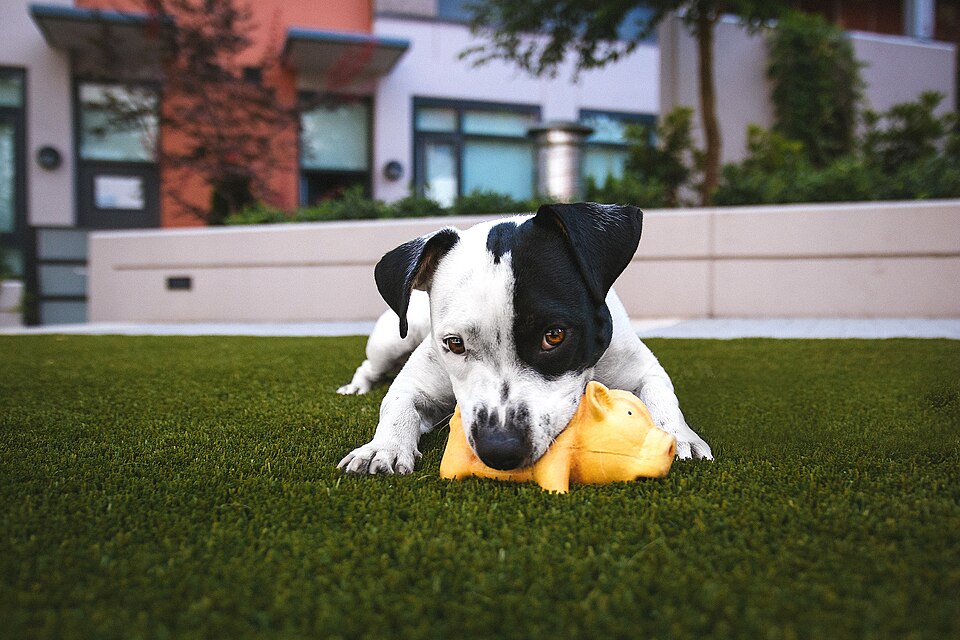
PDSA says children should never approach a dog to take its food or toys. It also recommends that children don't feed the dog while they're eating, since this can teach the dog to beg and steal food. Keep children's toys and dog toys separate, too: according to PDSA, chewed toys can break into pieces that can be swallowed.
Why hugging isn't a good idea
Children hug the ones they love, and they see dogs as friends. According to the RSPCA, children may hug dogs, try to pick them up or scold them; close face-to-face contact and kissing can seem threatening to a dog. According to the RSPCA, most dogs dislike being hugged. PDSA also reminds us that hugs and kisses aren't the way dogs communicate with each other.
Instead, Dogs Trust suggests a simple three-letter rule for children, the "ABCs":
| Rule | What it means |
|---|---|
| Affection | Show love in ways the dog understands: gentle strokes instead of hugs and kisses. |
| Busy | Give the dog space when it's eating, sleeping, resting or playing. |
| Choice | Let the dog decide when to come and go; if it walks away, don't follow it. |
Rules to teach your child
A list children can understand, based on advice from the RSPCA and PDSA:
- Don't go up to unfamiliar dogs: According to the RSPCA, children shouldn't approach dogs they don't know, for example in the park. According to PDSA, always ask the owner before petting a dog.
- Let the dog come to you: Wait for the dog to come and sniff you. If you're giving a treat, toss it on the ground instead of handing it over.
- Keep your arms by your sides: Keep your arms by your sides when you greet a dog.
- Where to pet: Gently stroke the back or chest instead of the head and face.
- If it walks away, stop: Stop petting if the dog moves away or freezes.
- No climbing, no pulling: Don't climb on a dog or pull its ears or tail.
- Be quiet: According to the RSPCA, don't scream and shout around dogs; use your "inside voice."
- If you're scared, be a tree: According to PDSA, if a dog approaches in a scary way, stand still like a tree, keep your arms close to your body, don't look the dog in the eye, then slowly walk away to find an adult. Don't run; running can make the dog want to chase.
According to PDSA, young children are more at risk because they're more unpredictable, and they should always be at a safe distance from dogs. Older children can learn to be calm and quiet around dogs. PDSA also recommends training your dog not to jump up at people; a large dog jumping up could injure a small child.
Recognize the signs of unease
Dogs show discomfort with small signs first. Dogs Trust calls these signs "whispers": moving away, licking the lips, tucking the tail, leaning away, crouching, yawning when not tired, blinking or narrowing the eyes. According to Dogs Trust, growling and biting are a dog's last resort. PDSA also gives an important warning: a happy dog isn't necessarily a safe dog.
When you see one of these signs, step in and give the dog space. For more detail on these signs, see our dog body language article.
According to Dogs Trust, first calmly and safely separate the child and the dog; don't punish the dog, as this can make things harder. If anyone is seriously injured, get medical help right away. If your dog's behavior has changed or a bite has happened, talk to your vet without delay; PDSA recommends seeing a vet about behavior changes before a bite happens. Dogs Trust also recommends getting support from your vet and an accredited behavior expert.
If a new dog is joining the family
According to Dogs Trust, talk to your children about how to behave safely around dogs before the dog arrives. Keep the first meeting short, calm and positive; let the dog come up and sniff the child. If both are comfortable, the child can gently stroke the dog's side. If the dog walks away, nobody follows it. Don't forget to choose a dog whose energy and size suit your family; Dogs Trust suggests thinking about how comfortable young children will be around a large dog. If you're thinking of adopting from a shelter, our shelter dog adoption article can help too.
Things are easier when everyone at home follows the same rules. With Tüylüm's Home you can share your dog's care with your family, and see together on the Today tab whether the food and walk tasks have been done. When you leave your dog with a sitter, you can pass on rules like "nobody touches the dog when it's in its bed" in a single message with the Pet sitter note.
Frequently asked questions
Our dog is very gentle. Can it stay alone with my child for a short while?
No. According to the RSPCA, a child should never be left alone in the same room as a dog, even your own; PDSA says "not even for a few minutes." When you can't watch, use a baby gate or a separate room.
My child loves hugging the dog. What should I do?
Teach them to show love in a way the dog understands. According to Dogs Trust, hugs and kisses can make a dog feel trapped; gentle strokes, and letting the dog choose to come and curl up beside them, are much better.
What does it mean if the dog walks away from my child?
The dog may be saying "I need a bit of space." According to Dogs Trust, moving away is one of a dog's first small signals. Make sure your child doesn't follow the dog, and let the dog go to its own spot.

Keep track of your pet's care in TüylümLog vet visits, vaccine and medication dates, and we'll remind you when it's time. Share it all with your family in Home.
Sources
- Dogs Trust · Dogs and children: living happily together
- Dogs Trust · Getting a dog when you have children
- RSPCA · Dogs and children
- PDSA · Children and dogs
By Tüylüm · Published and last checked: October 26, 2026. Spotted a mistake? Write to [email protected] and we'll fix it right away. Photos are from Wikimedia Commons, used under the license shown below each photo.